Best Chickens for Meat: 5 Breeds, Honestly Compared
Cornish Cross reach table weight in eight weeks and pay for it in health problems. Five meat breeds compared on grow-out time, feed cost, and how they actually live.
We may earn a commission when you buy through links on this page, at no extra cost to you.

On this page
Raising your own meat birds is a different undertaking from keeping laying hens, and the breed decision is far more consequential. A Cornish Cross is ready in eight weeks; a Jersey Giant takes five months and eats twice as much doing it.
Grow-out time is the whole decision
| Breed | To table | Dressed | Feed conversion | Forages | Breeds true |
|---|---|---|---|---|---|
| Cornish Cross | 6–9 weeks | 4–6 lb | ~2:1 | Barely | No |
| Freedom Ranger | 9–11 weeks | 4–5 lb | ~2.5:1 | Actively | No |
| Delaware | 12–16 weeks | 4–5 lb | ~3:1 | Well | Yes |
| Bresse | 16–20 weeks | 4–6 lb | ~3.5:1 | Very actively | Yes |
| Jersey Giant | 16–21 weeks | 6–9 lb | ~4:1 | Well | Yes |
Feed conversion is the number that decides the bill. At 2:1 a Cornish Cross eats roughly 10–12 lb of feed to reach table weight; a Jersey Giant eats closer to 30 lb for a carcass only a third larger.
Cornish Cross need managed feeding
This is the part hatcheries mention quietly. Cornish Cross grow faster than their skeletons and cardiovascular systems can support, and given unlimited feed a meaningful proportion develop leg failure, ascites, or die suddenly in the last fortnight. The standard mitigation is restricting feed to 12 hours on, 12 hours off from about week two. Plan to process on schedule — there is no keeping them past about 10 weeks.
Why the slow birds taste better
It is not sentiment. Flavour in meat develops with age, activity, and diet variety: a bird that has spent sixteen weeks walking, foraging, and laying down intramuscular fat has more of everything a roast chicken tastes of than one that reached the same weight in eight weeks sitting near a feeder.
Texture differs too — heritage meat is firmer and finer-grained, which some people love and others find tough if they cook it like a supermarket bird. Slower breeds want lower, longer cooking.
Check the rules before you order
Many municipalities that permit backyard hens prohibit on-site slaughter, and some prohibit meat birds specifically. This is a separate question from whether you may keep chickens at all — and it is much easier to answer before fifty chicks arrive. The general legal ground is covered in what keeping backyard chickens actually takes.
Start with five
Whatever breed you choose, raise a small first batch. Processing is real work — the plucking and evisceration, the cooling, the freezer space, and, for most people, the first time doing it at all.
Five birds tells you whether this is something you want to do at scale. Fifty birds tells you the same thing, several weeks later, with considerably more at stake.
If eggs rather than meat are the goal, best chickens for eggs compares six laying breeds on output, lifespan, and temperament.
How we picked
Five meat breeds judged on backyard grow-out, not commercial house figures · Picks last checked September 2026.
- Weeks to table weight
- Every extra week is more feed, more space, and more of your attention. It is the number that decides whether raising your own is practical at all.
- Feed conversion
- Feed is the dominant cost of a meat bird. A ratio of 2:1 versus 4:1 doubles the cost of the same carcass, which is usually the difference between worthwhile and a hobby.
- How the bird actually lives
- The fastest-growing broilers outgrow their own hearts and legs. If you are raising meat at home partly to control how the animal lived, growth rate is not the only thing that matters.
- Whether it can forage
- A bird that ranges converts pasture and insects into meat and cuts your feed bill. Some fast broilers barely walk, which makes pasture-raising them mostly theoretical.
Our picks
| # | Pick | Best for |
|---|---|---|
| 1 | Cornish Cross | Fastest and cheapest |
| 2 | Freedom Ranger | Best for pasture |
| 3 | Bresse | Best flavour |
| 4 | Delaware | Best dual-purpose |
| 5 | Jersey Giant | Largest carcass |
Fastest and cheapest
Cornish Cross
Unbeatable on economics and the reason supermarket chicken is cheap. Go in knowing you are managing a bird bred to grow faster than its own frame — and that the window between table weight and health failure is narrow.
- To table
- 6–9 weeks
- Dressed weight
- 4–6 lb
- Feed conversion
- ~2:1
- Forages
- Barely
What we liked
- Table weight in under two months
- The best feed conversion of any chicken by a wide margin
- Broad breast, high yield, familiar supermarket carcass
Worth knowing
- Leg failure, heart failure, and sudden death are common past 9 weeks
- Must have feed restricted, typically 12 hours on and 12 off
- Hardly forages; pasture-raising them is mostly nominal
- A hybrid, so it will not breed true
Best for pasture
Freedom Ranger
The breed we would raise ourselves. You trade a fortnight and a slightly smaller carcass for a bird that behaves like a chicken and can be run on grass in a tractor.
- To table
- 9–11 weeks
- Dressed weight
- 4–5 lb
- Feed conversion
- ~2.5:1
- Forages
- Actively
What we liked
- Genuinely forages, cutting feed cost on good pasture
- Very few of the leg and heart problems
- Better flavour and texture than Cornish Cross
- No feed restriction needed
Worth knowing
- Two to three weeks longer to finish
- Narrower breast, lower yield per bird
- Also a hybrid — will not breed true
Best flavour
Bresse
A project bird rather than a freezer-filling one. If the point is the best roast chicken you have eaten, this is the answer — at roughly three times the cost per bird.
- To table
- 16–20 weeks
- Dressed weight
- 4–6 lb
- Feed conversion
- ~3.5:1
- Forages
- Very actively
What we liked
- Widely considered the best-tasting chicken in the world
- Excellent forager; fine-grained, well-marbled meat
- Heritage stock, so it breeds true
Worth knowing
- Chicks are expensive and hard to source
- More than twice the grow-out of a Cornish Cross
- True Bresse is a protected French appellation; US birds are American Bresse
Best dual-purpose
Delaware
The sensible answer for a single small flock doing both jobs. You will not match a broiler on cost per pound, but you are not running two flocks either.
- To table
- 12–16 weeks
- Dressed weight
- 4–5 lb
- Eggs/year
- 200–240
- Forages
- Well
What we liked
- Genuinely useful for both eggs and meat
- Calm, hardy, and a good forager
- Heritage breed — breeds true
Worth knowing
- Slower and less efficient than a purpose-bred broiler
- Carcass is narrower than a supermarket bird
Largest carcass
Jersey Giant
Only worth it if a large single roasting bird is the goal. On cost per pound it is the least efficient option on this list, by some distance.
- To table
- 16–21 weeks
- Dressed weight
- 6–9 lb
- Feed conversion
- ~4:1
- Forages
- Well
What we liked
- The largest standard chicken breed; genuinely big roasting birds
- Docile, cold-hardy, breeds true
- Lays reasonably well for its size
Worth knowing
- Very slow, and the worst feed conversion here
- Puts on frame before meat, so early processing wastes the bird
- Needs noticeably more space
Which should you buy?
| If you… | Buy | Because |
|---|---|---|
| Want meat in the freezer fastest, at lowest cost | Cornish Cross | Table weight in 6–9 weeks at roughly 2:1 feed conversion. Nothing else comes close on economics. |
| Want to pasture-raise and still finish in a season | Freedom Ranger | Actively forages, has few of the leg and heart problems, and finishes in 9–11 weeks. |
| Care most about flavour | Bresse | Widely regarded as the best-eating chicken there is. You pay in chick cost and in 16–20 weeks of feed. |
| Want one flock for eggs and meat | Delaware | A genuine dual-purpose bird — reasonable laying and a usable carcass at 12–16 weeks. |
| Want to breed your own replacements | A heritage breed | Cornish Cross and Rangers are hybrids and will not breed true. Only heritage stock lets you close the loop. |
When not to buy at all
If your municipality permits hens but not slaughter — which is common even where chickens are allowed — check before you order chicks. And if you have never processed a bird, raise a batch of five rather than fifty. The work is real, and finding out on fifty birds is how people end up giving them away.
Common questions
What is the fastest growing meat chicken?
What is the best tasting chicken breed?
Can you raise meat chickens and laying hens together?
How many meat chickens do I need for a year?
Do meat chickens need different feed?
Backyard Weekly
Know what to plant, week by week
Free planting calendar. Join the weekly email for seasonal jobs, fixes for what is going wrong, and gear worth buying.
Set MONETIZATION.email.endpoint in src/config/site.ts to enable this form.
By subscribing you agree to our privacy policy. Grow In Backyard will never sell your address.
Keep reading
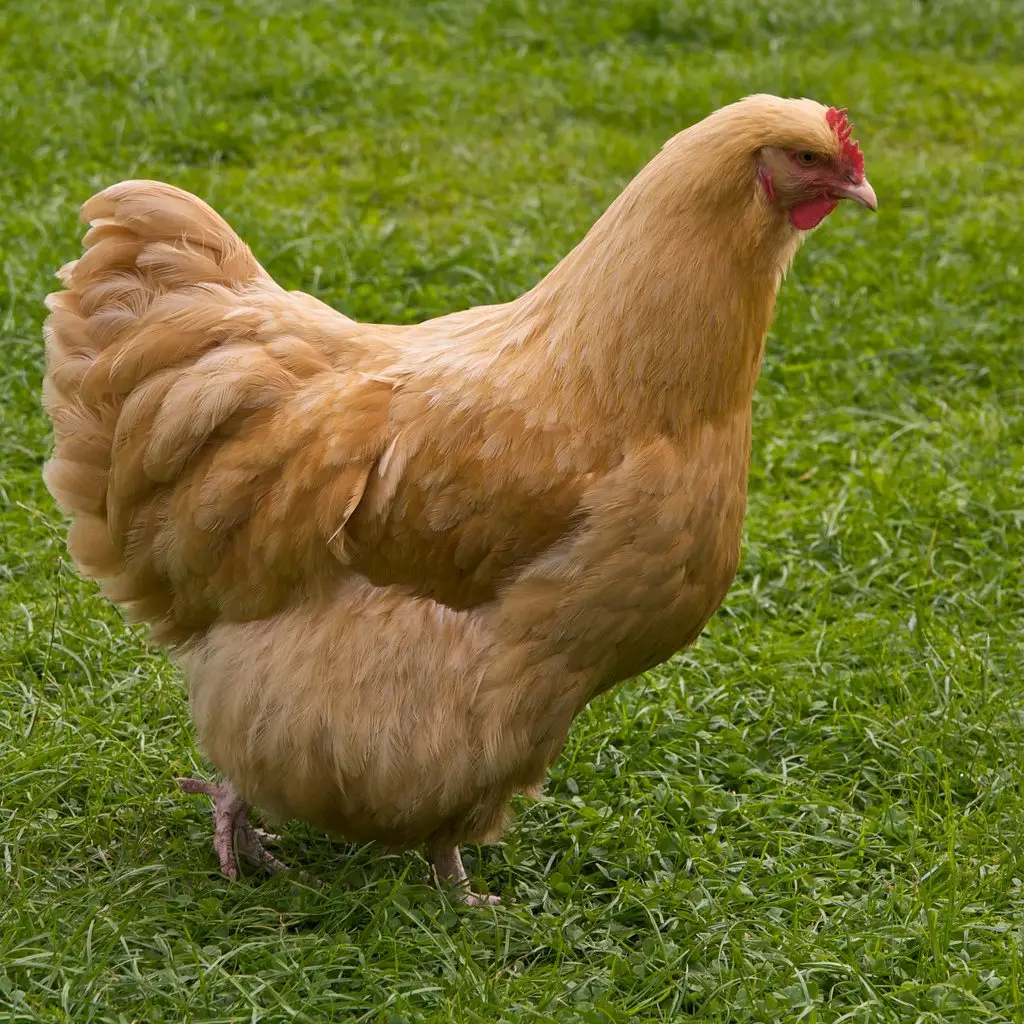
Chicken Breeds: A Guide by What Each One Is Actually For
Fourteen common breeds sorted by purpose — eggs, meat, dual-purpose, beginner-friendly — with a link to the full comparison for each category.
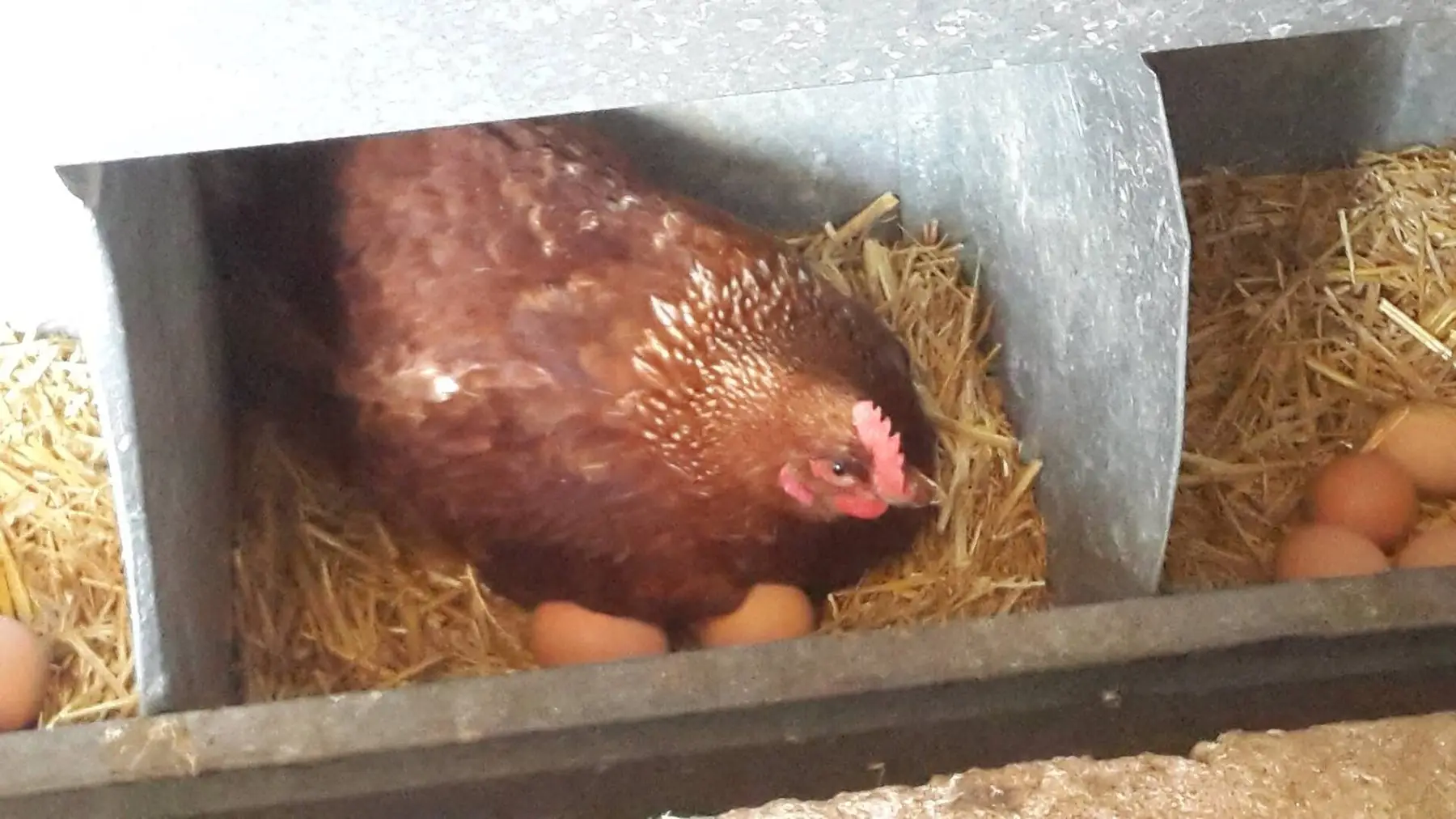
Best Chickens for Eggs: 6 Breeds Worth Keeping
The highest-laying breeds are not always the right ones. Six laying breeds compared on eggs per year, temperament, cold tolerance, and how long they actually last.
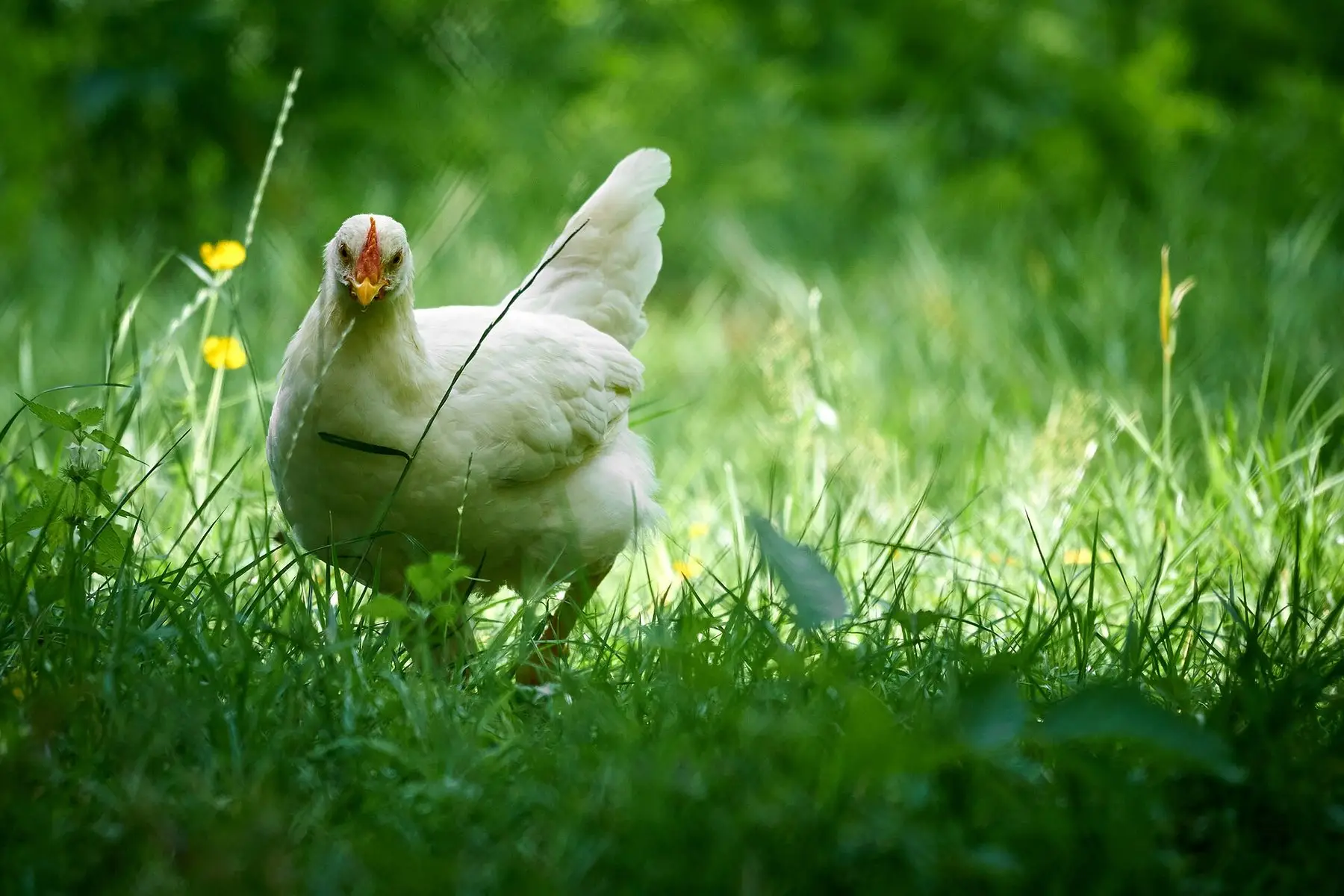
Backyard Chickens: What It Actually Takes
Space, cost, time, and the rules nobody mentions. An honest account of keeping backyard chickens before you buy the coop — including why the eggs are not free.
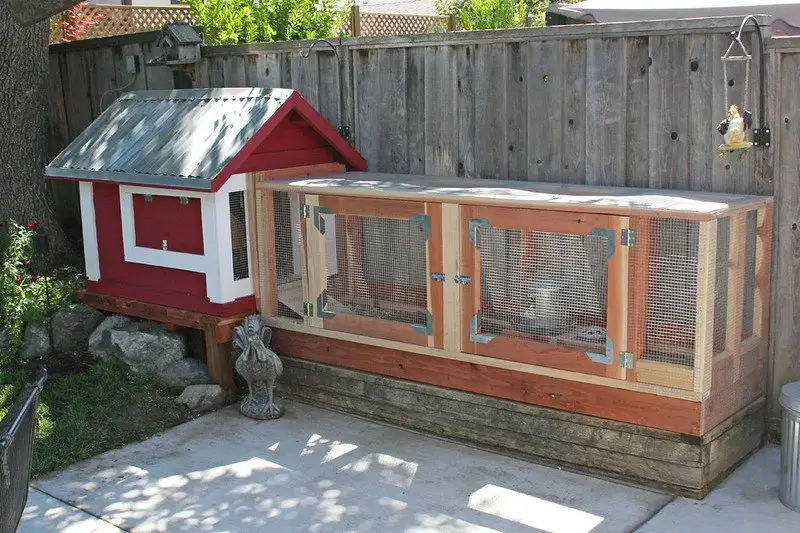
Best Chicken Coops You Can Buy (and When Building Is Cheaper)
Prefab coops range from genuinely good to a raccoon's first target. What to check before buying one, sized by flock, and when building instead saves real money.