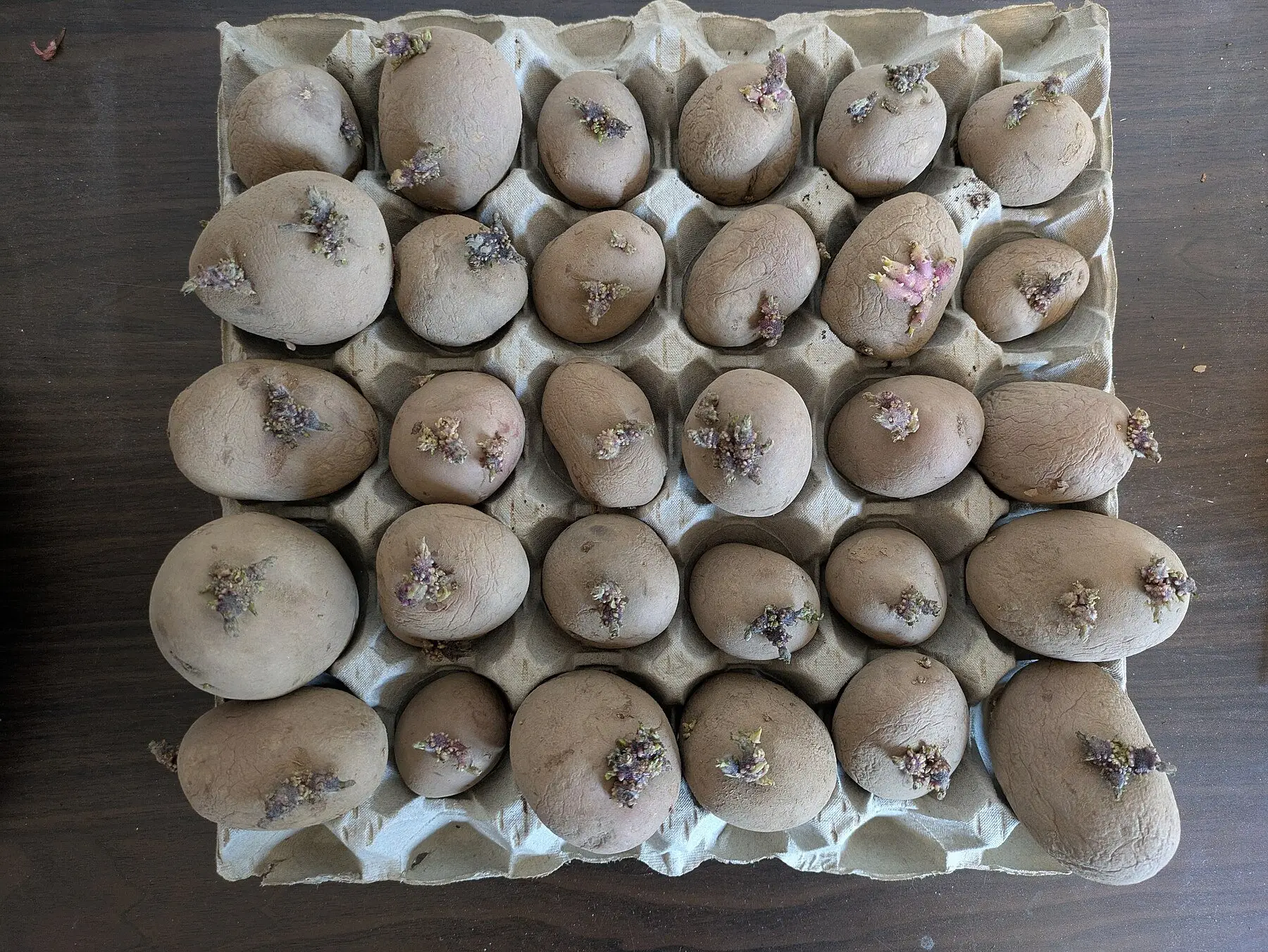
Growing Guides ·
How Deep to Plant Potatoes (And Why Hilling Matters More)
Four inches at planting, then hill as they grow. Why planting deep in cold spring soil backfires, and how depth differs in containers and no-dig beds.
Step-by-step guides to planting, growing, and harvesting food at home — from garlic and tomatoes to berries and herbs.
65 guides
Four inches at planting, then hill as they grow. Why planting deep in cold spring soil backfires, and how depth differs in containers and no-dig beds.
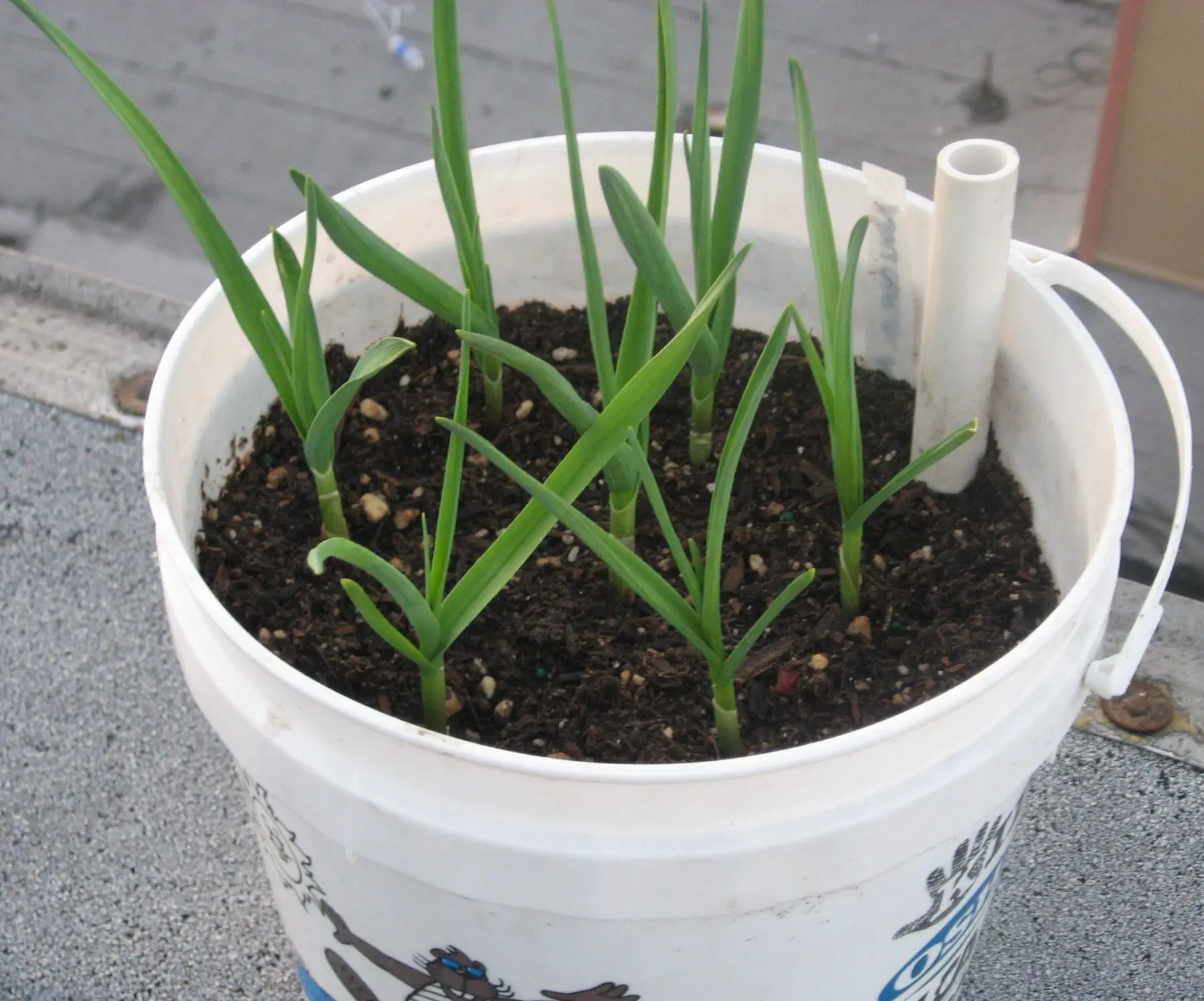
Garlic needs a cold spell and eight months in the pot, so container size and winter protection decide whether you get bulbs or scallions.
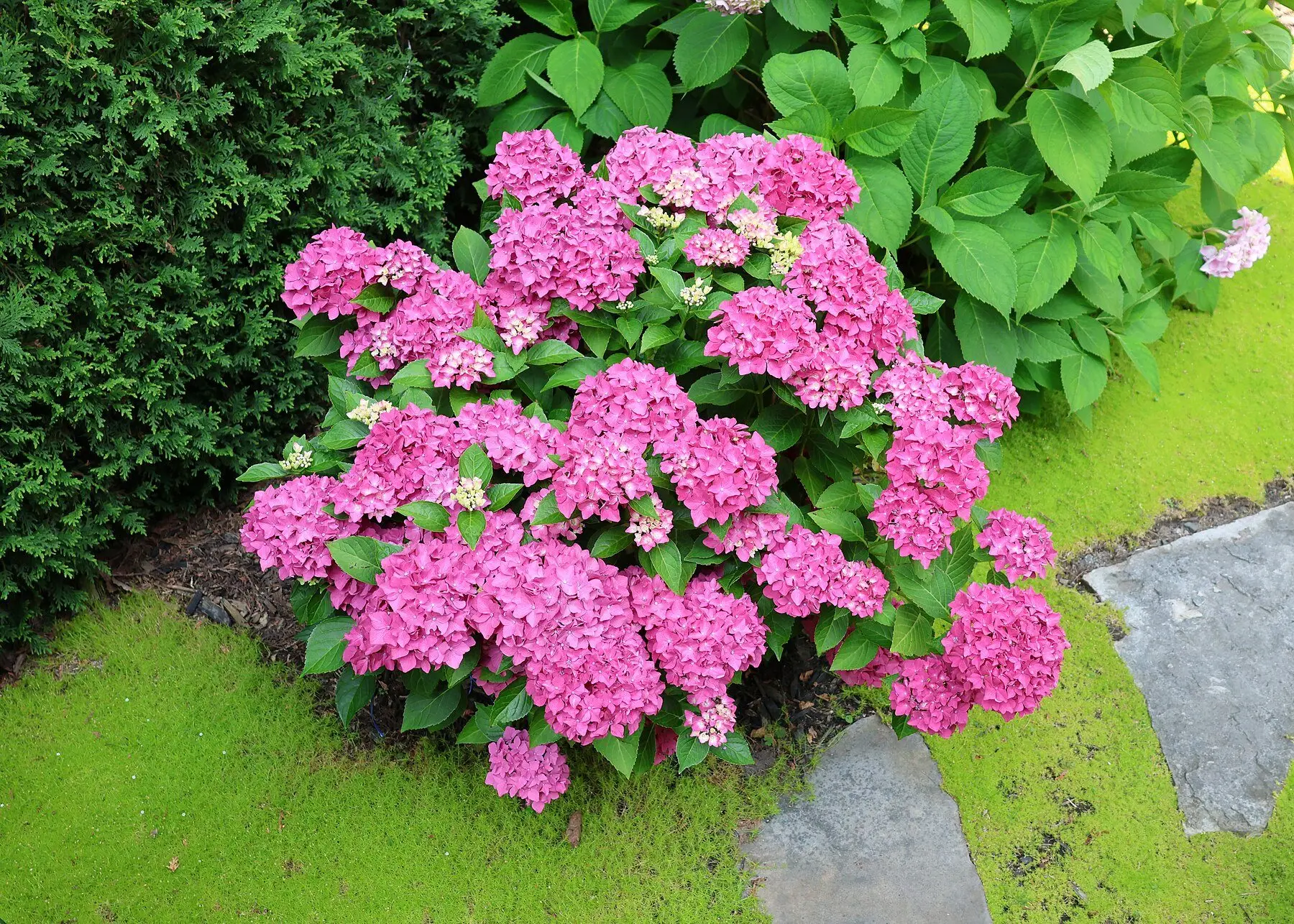
Morning sun, afternoon shade, and never let them dry out. Which type you have decides when to prune — and getting that wrong is why hydrangeas stop flowering.
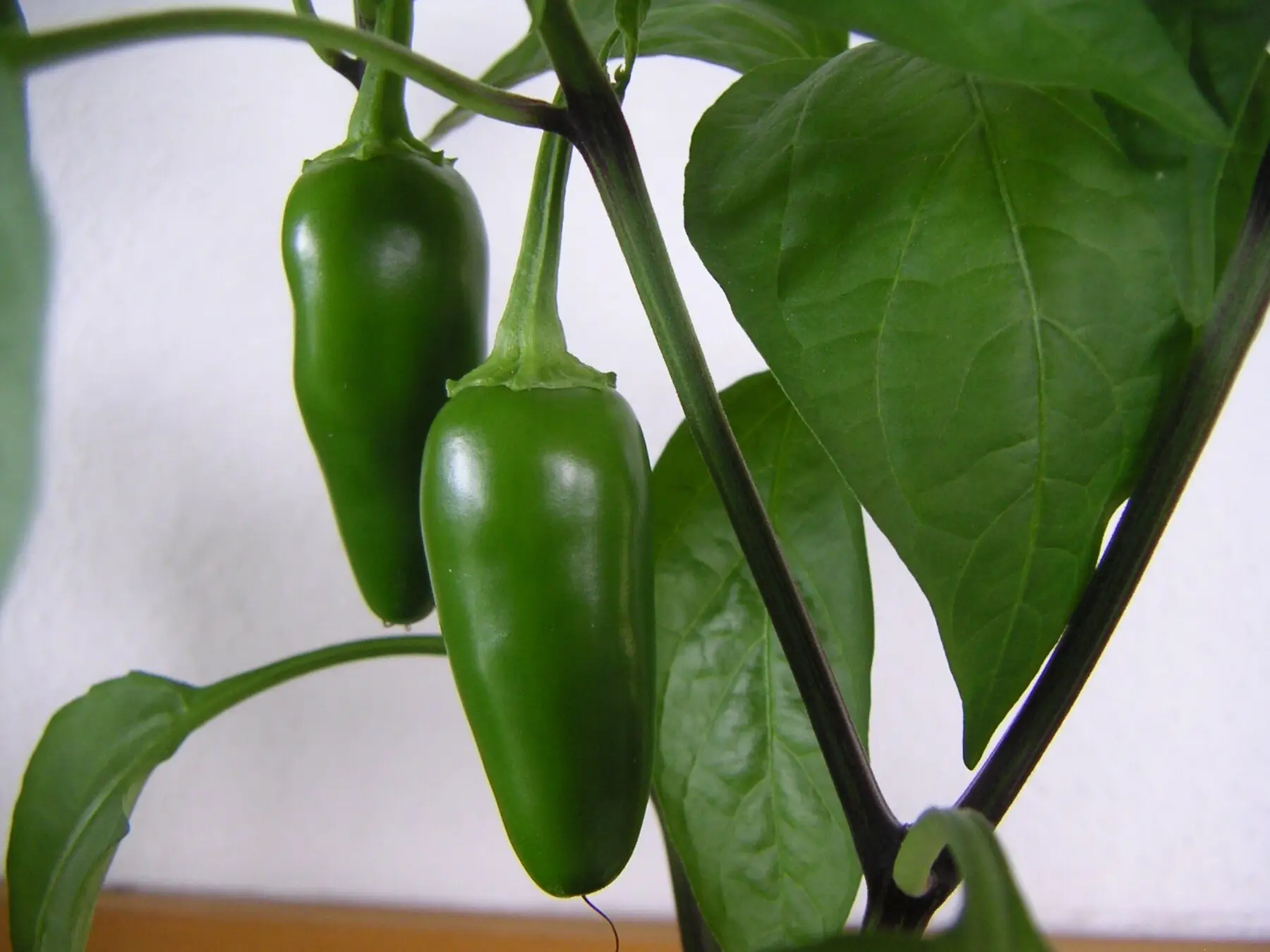
Pick green at full size and firm for classic heat, or leave them to red for sweetness. What the white corking lines mean, and why picking gives you more.
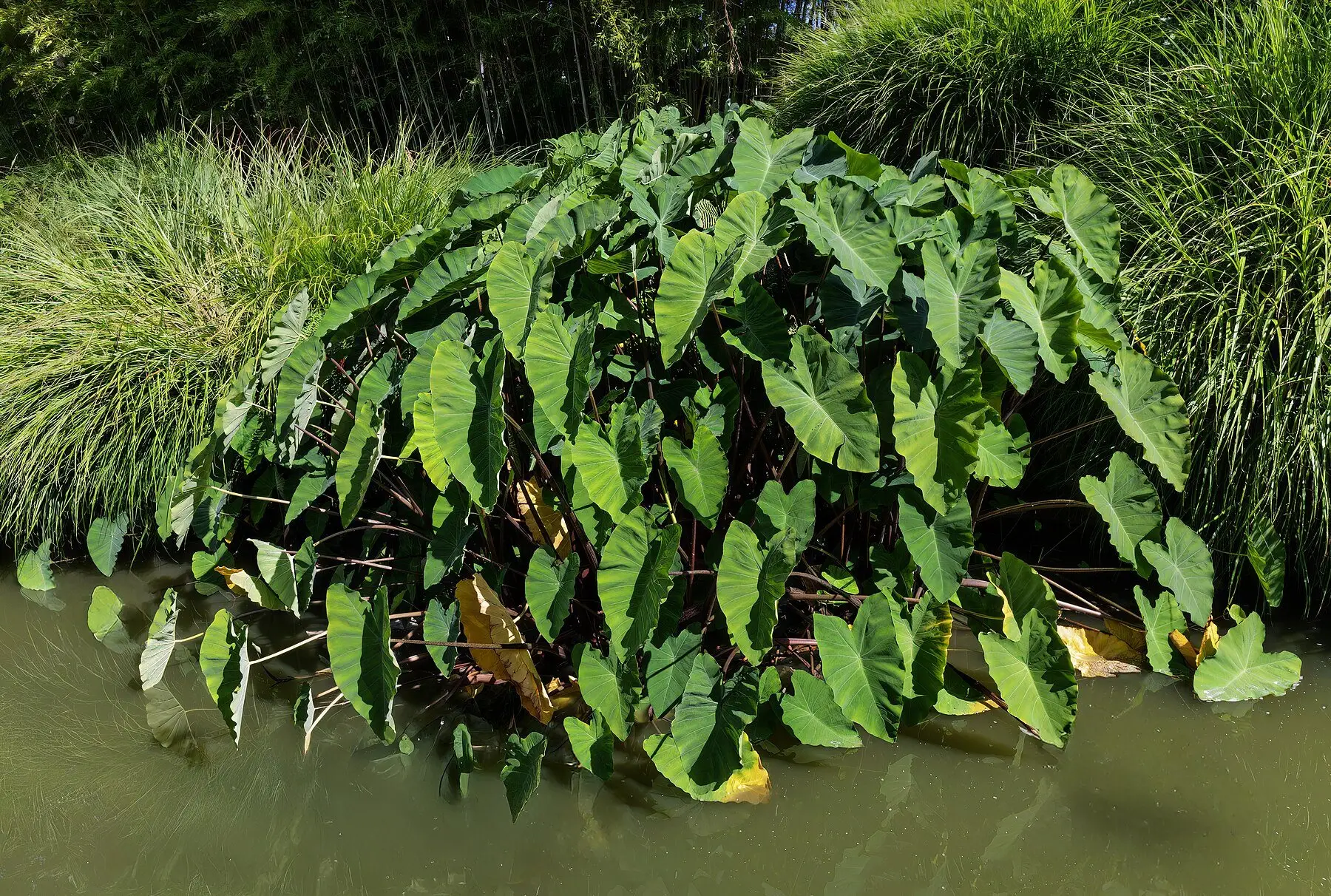
Colocasia wants wet feet and heat; Alocasia wants drainage and humidity. Which one you have decides the care — plus how to lift and store the tubers.
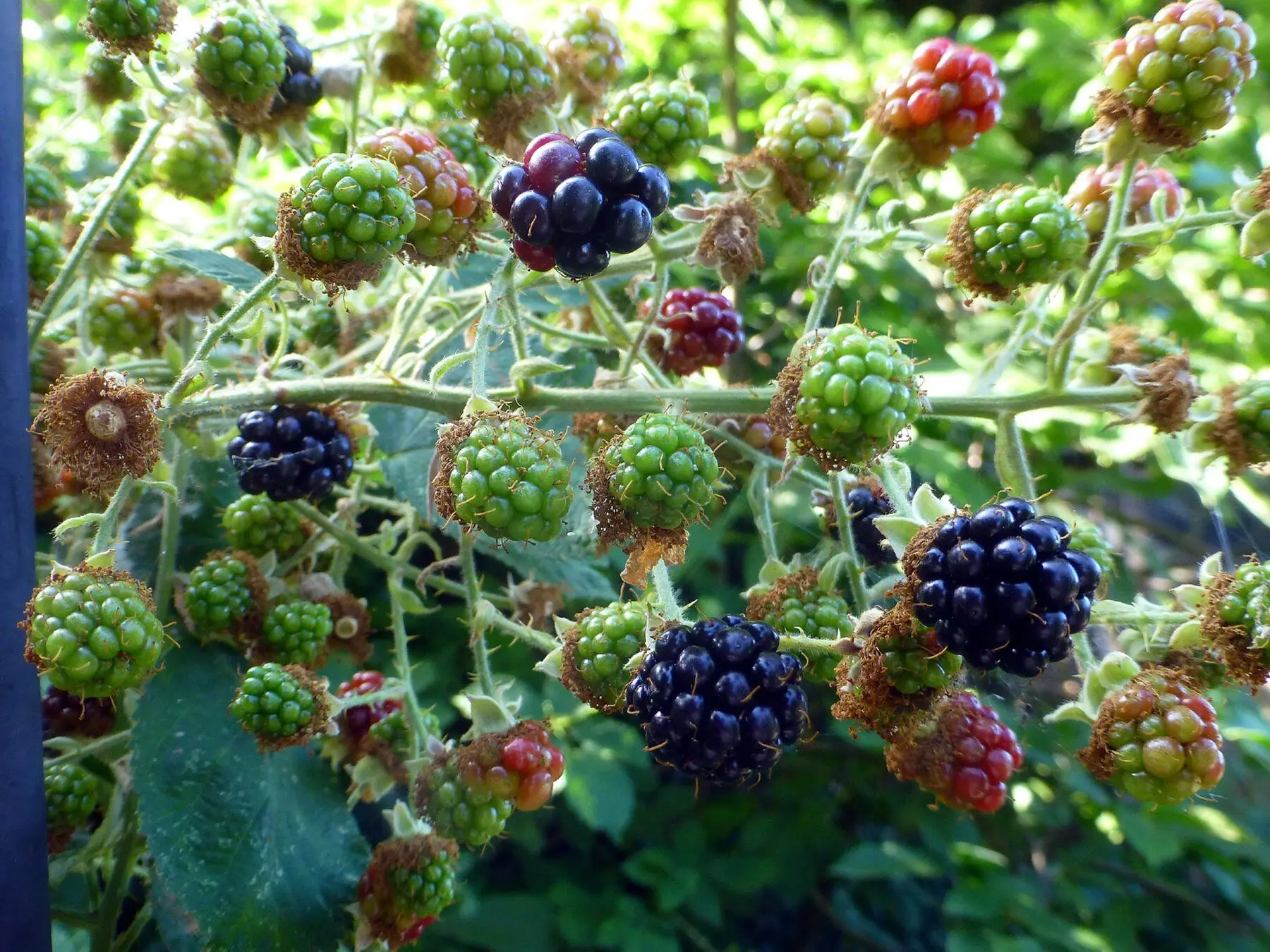
Thornless erect varieties on a two-wire trellis, pruned on the floricane-primocane cycle. Planting, feeding, and the one pruning rule that decides your crop.
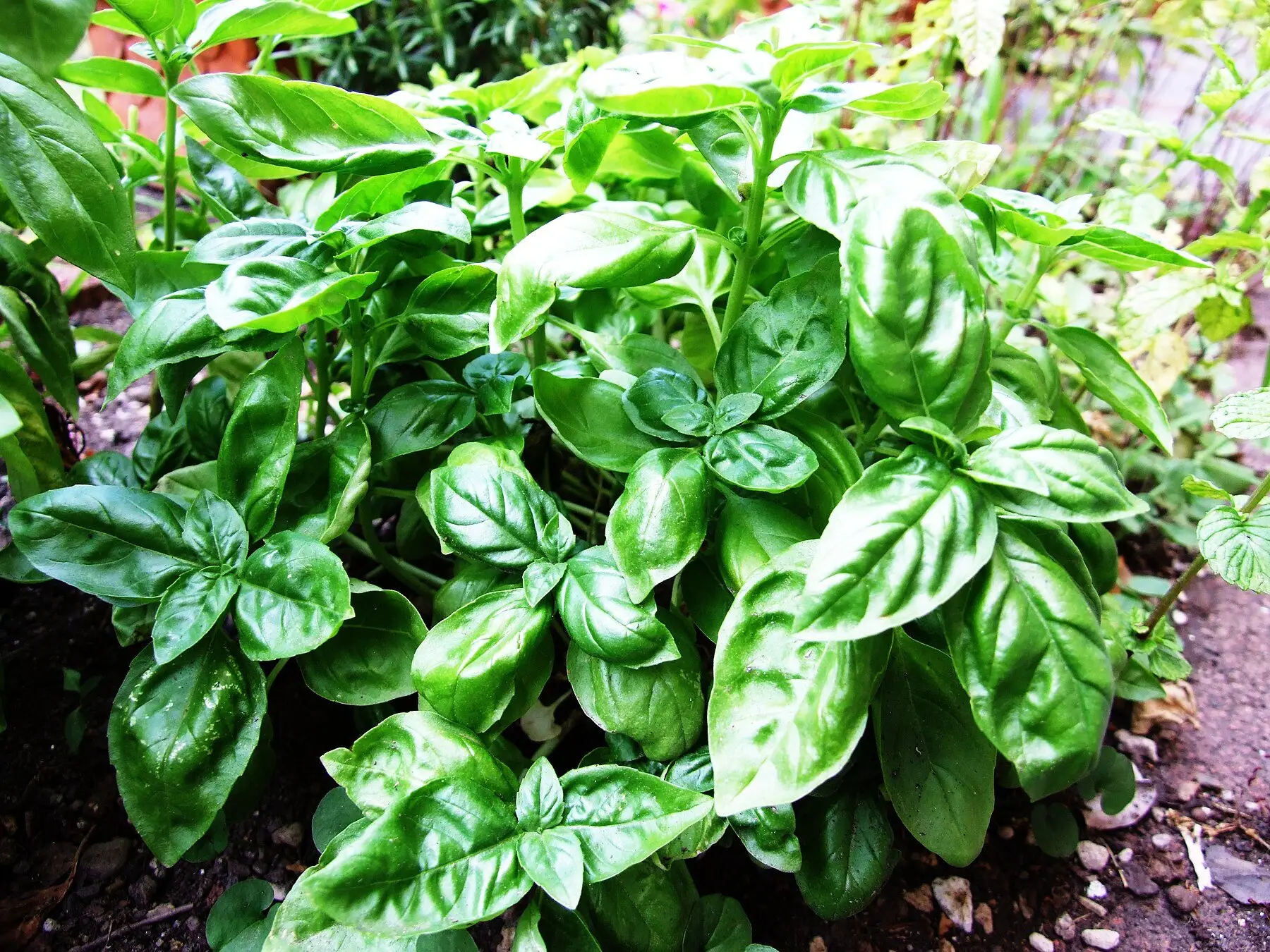
Cut above a leaf pair, never strip the bottom leaves, and pinch the flowers. The harvesting method that doubles the size of a basil plant instead of ending it.
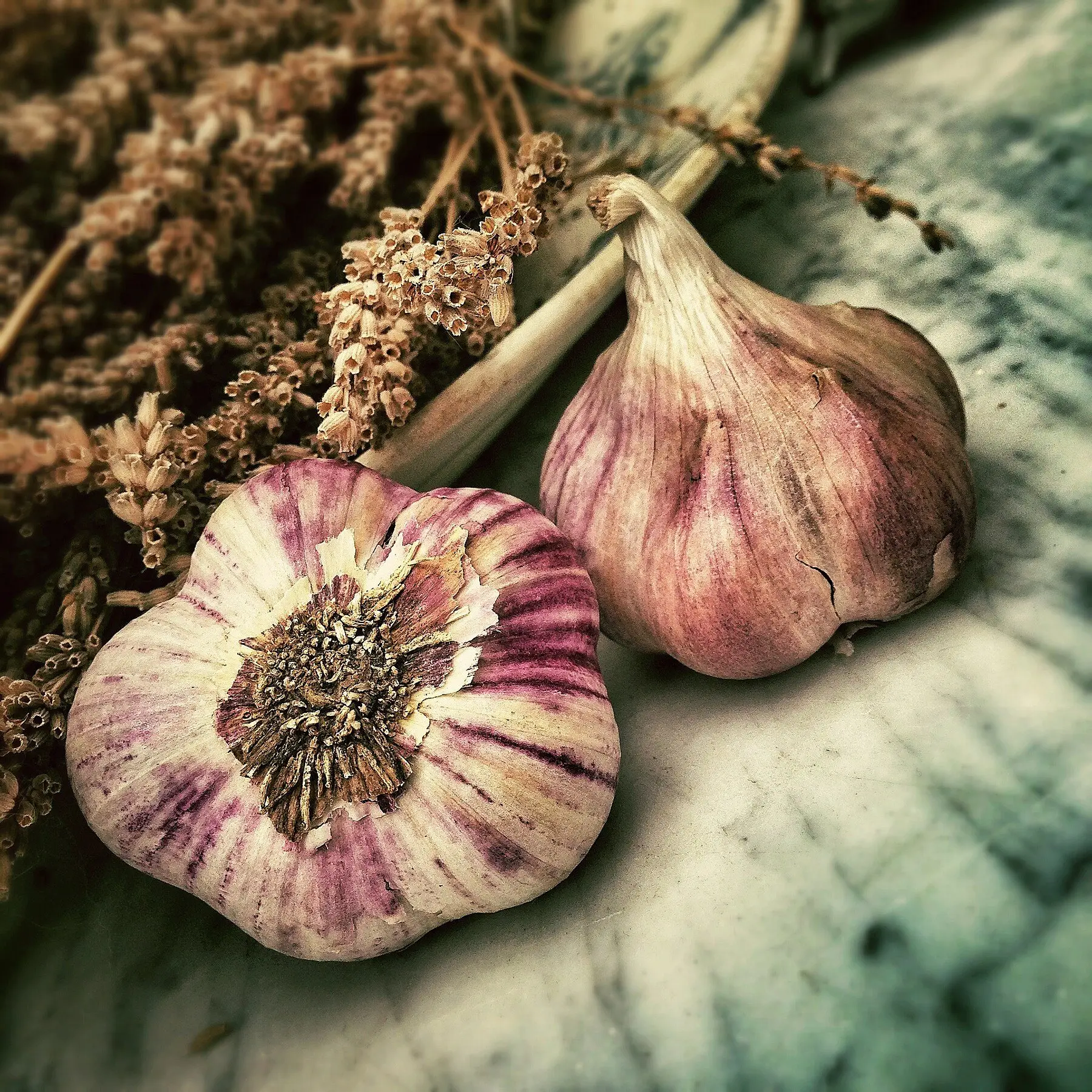
Cured garlic keeps six to ten months in a dark, dry, airy spot at room temperature. Why the fridge ruins it, and what to do with a bulb that has sprouted.
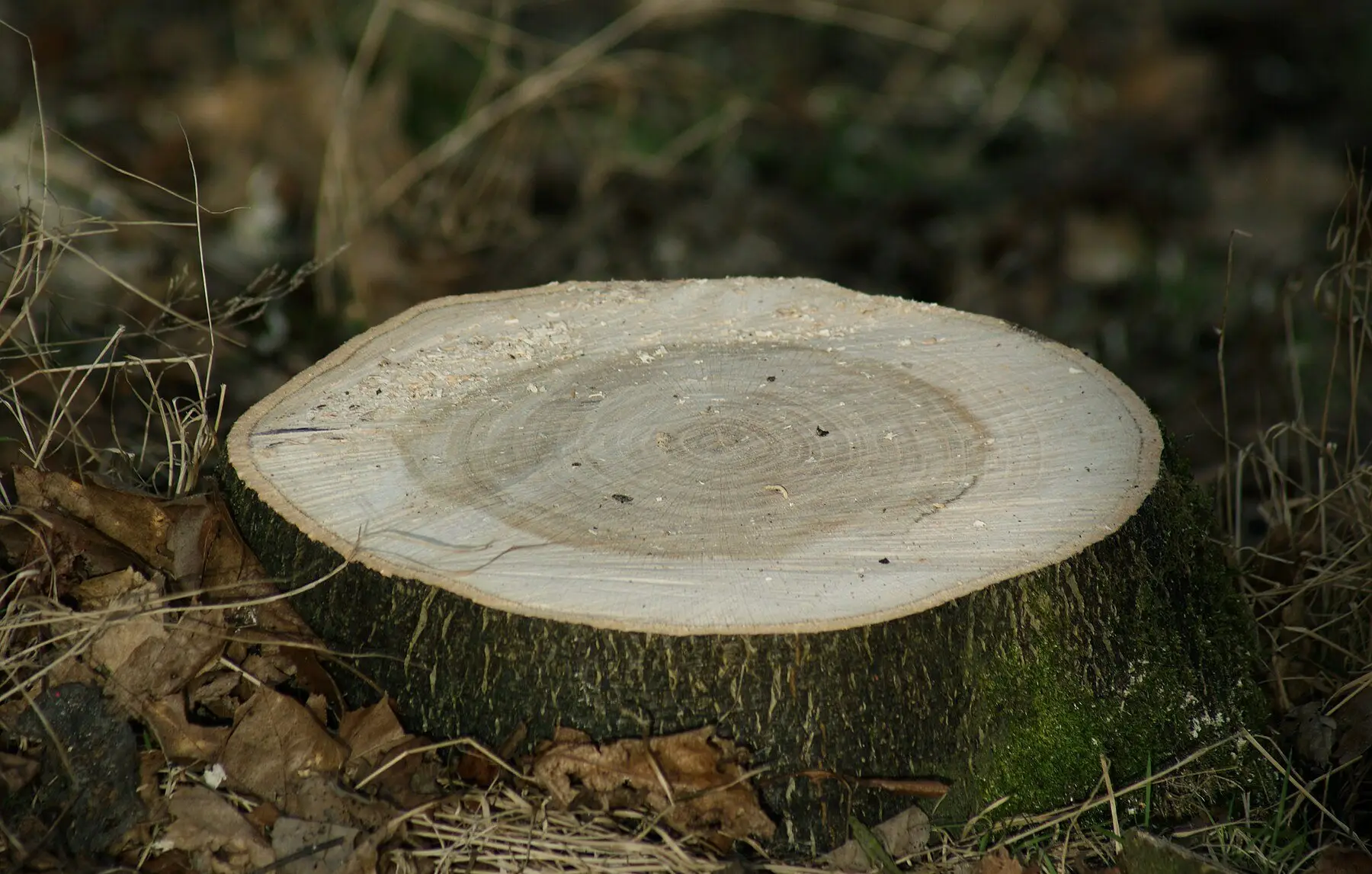
Planters, seating, wildlife habitat, and log stools — what to do with a stump you would rather not grind, and when removal is the only sensible answer.
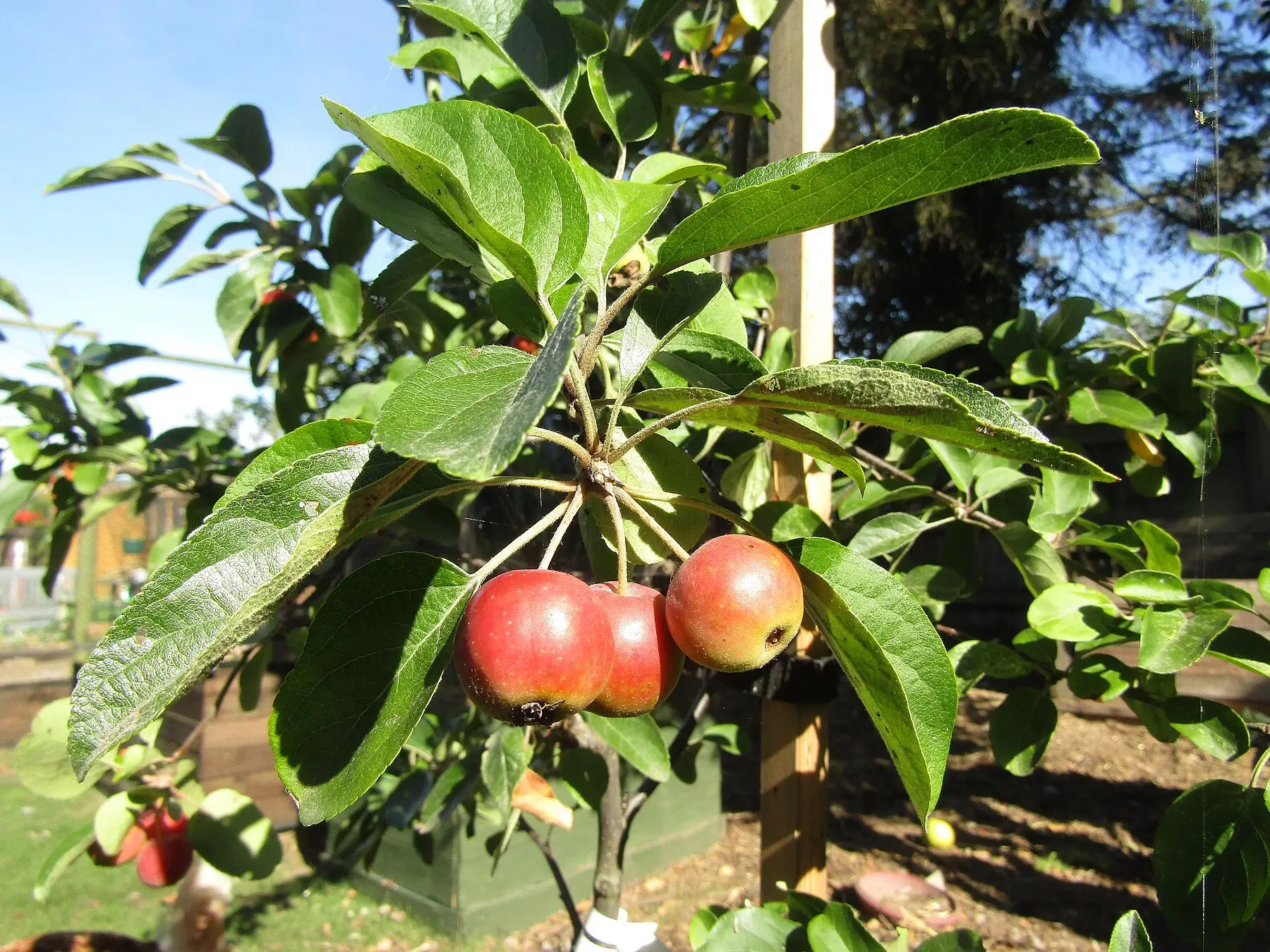
Crab apples are edible, sour, and unusually high in pectin — which is exactly why they set jelly no other fruit will. The one part to avoid, and which trees to pick.
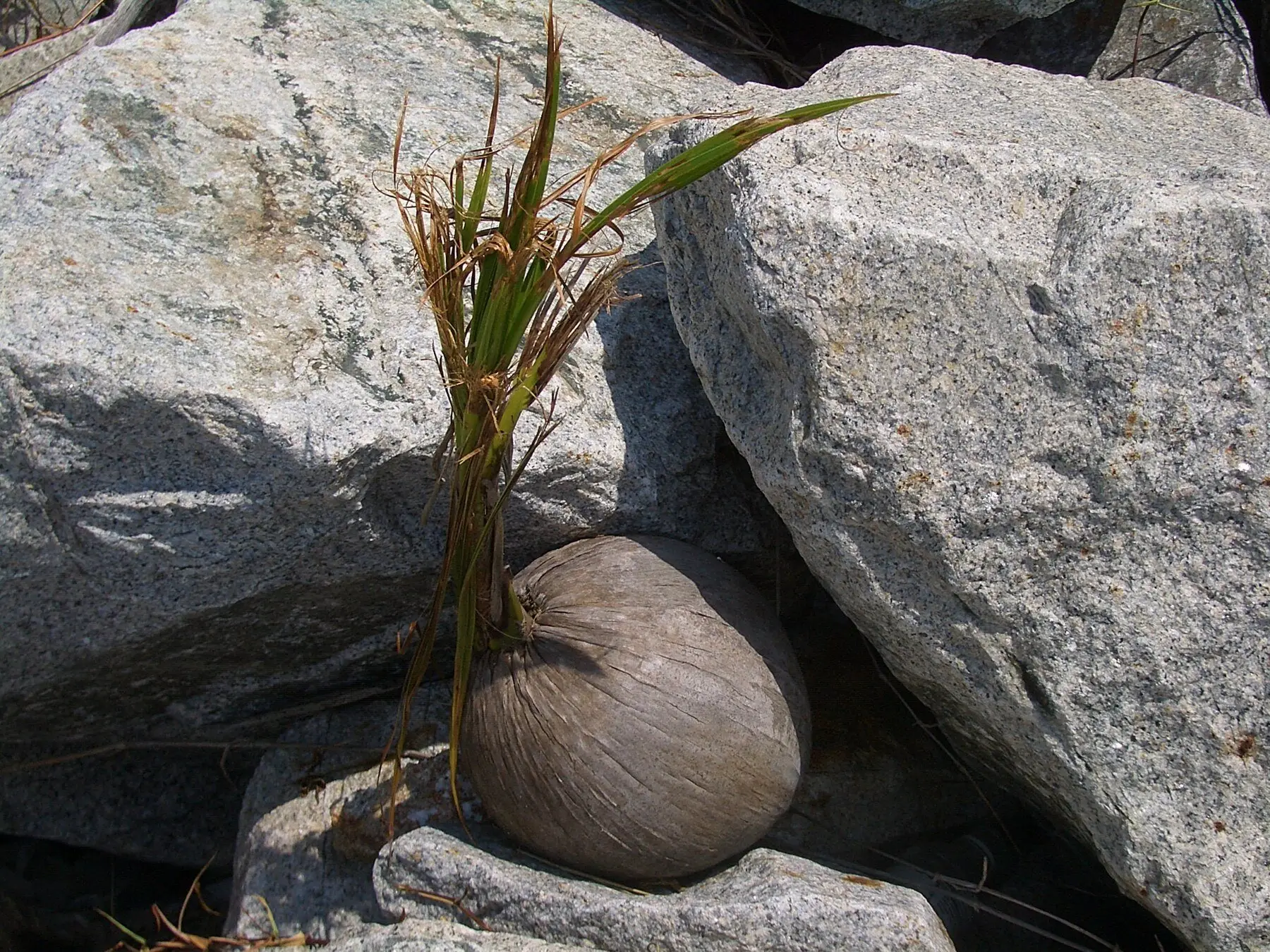
A supermarket coconut almost never sprouts, because the husk is removed. What you actually need, how to germinate it, and why it will not fruit indoors.
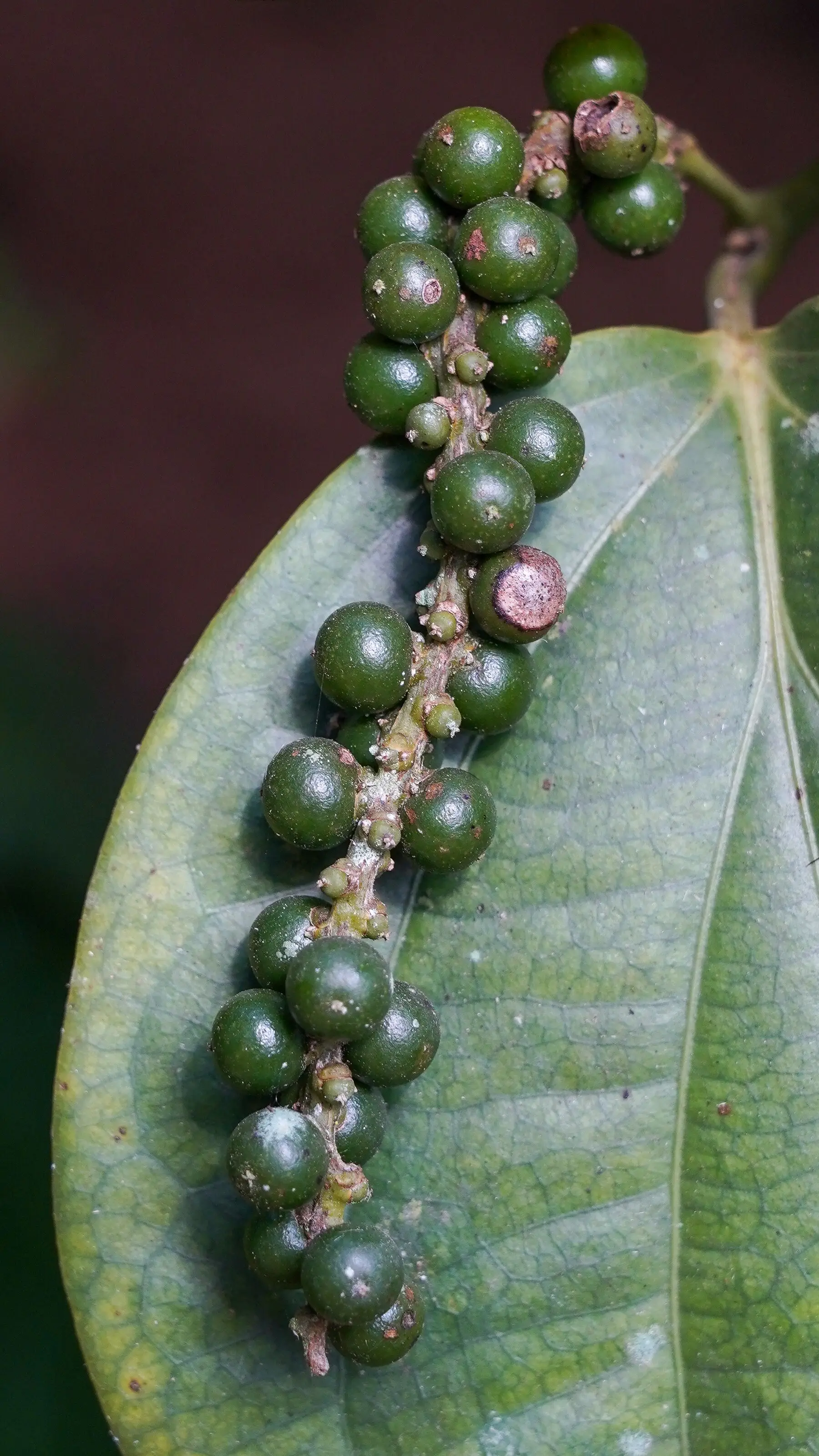
Black pepper is a climbing vine needing warmth, humidity and three years before it fruits. What it takes indoors, and why all four peppercorns are one plant.
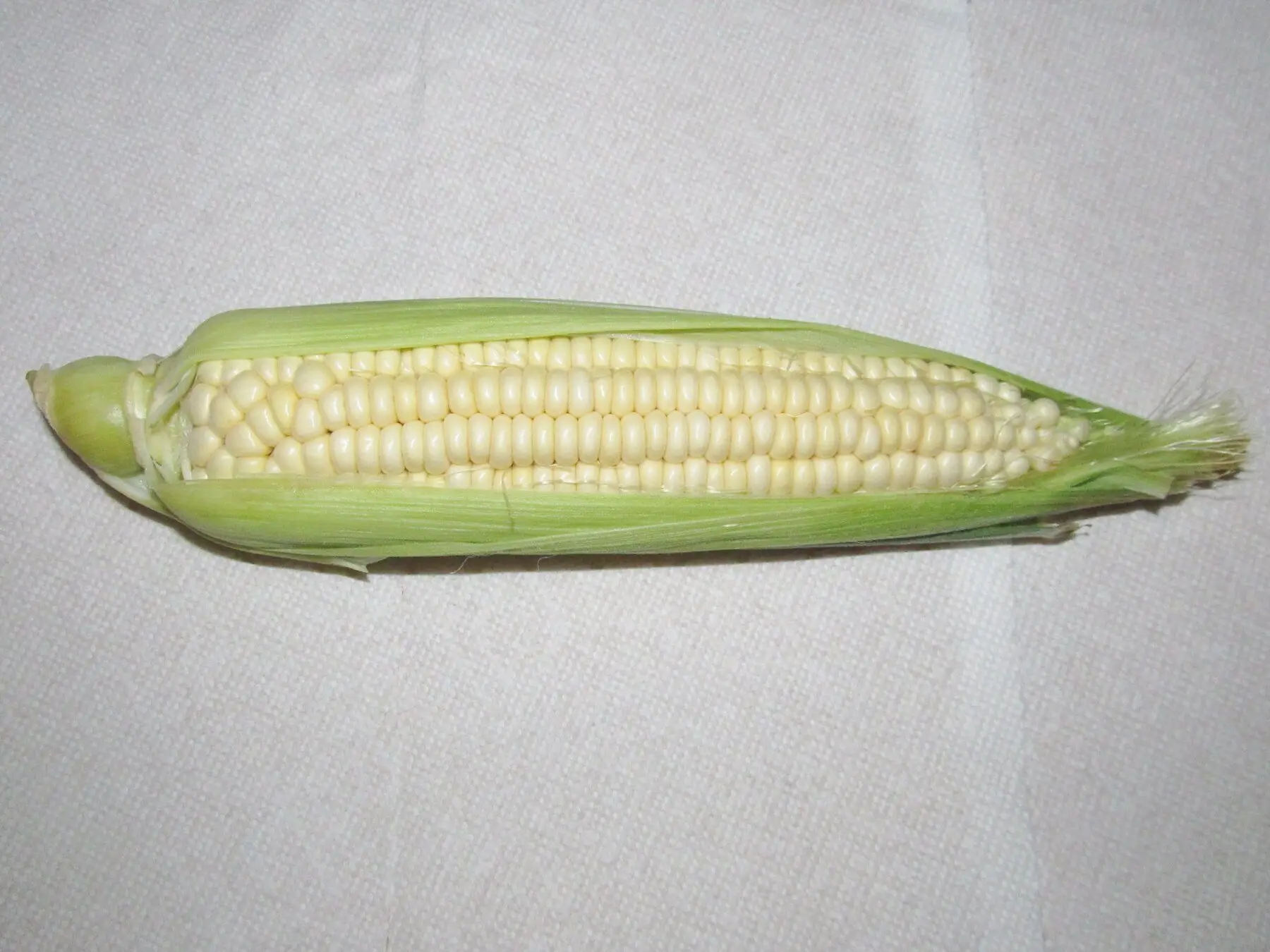
Sweetcorn has a harvest window of a few days and starts losing sugar within an hour of picking. The three signs, and why you check by piercing a kernel.
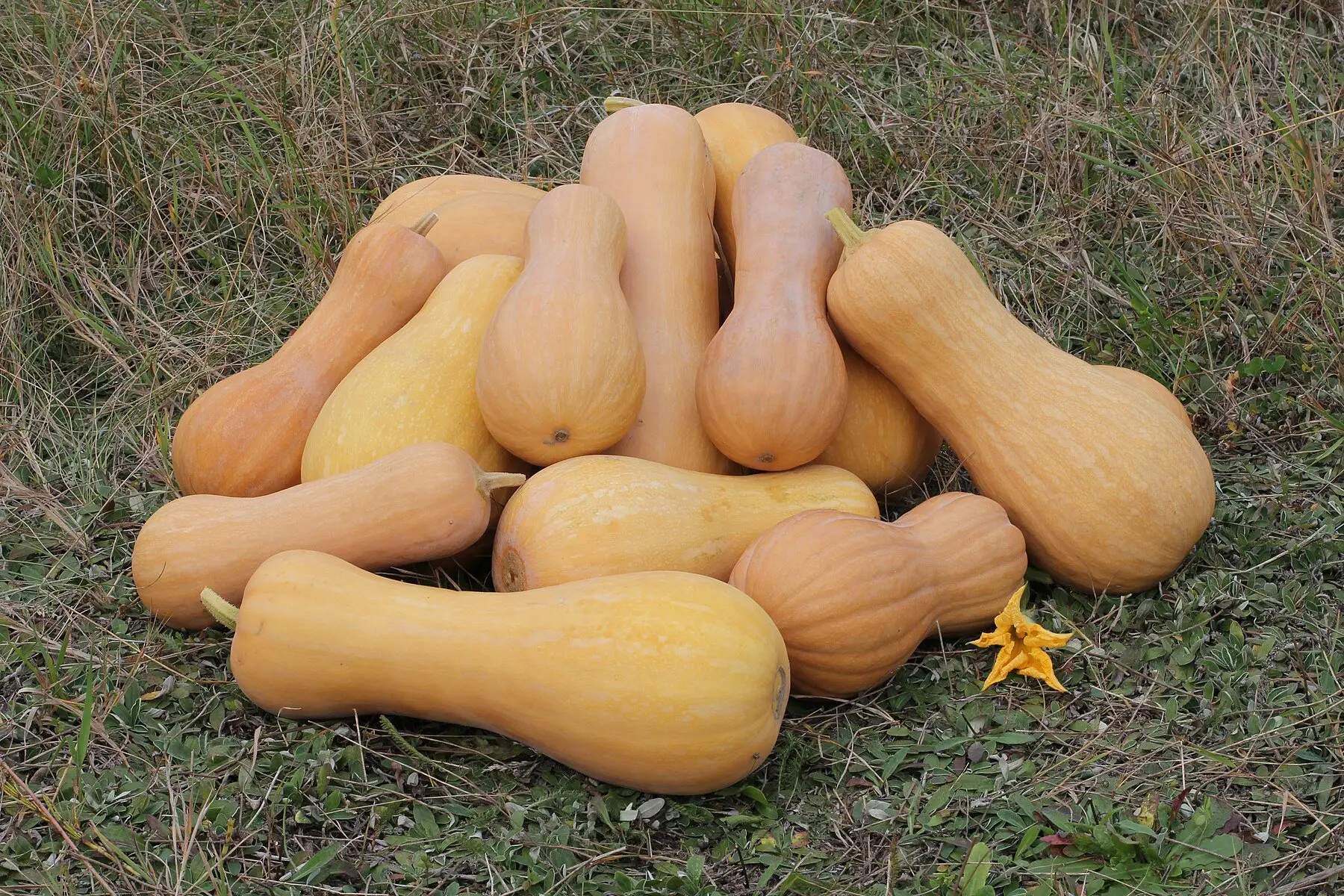
Butternut picked early never sweetens and never keeps. The colour, the stem and the fingernail test, plus the curing that turns it from starchy to sweet.
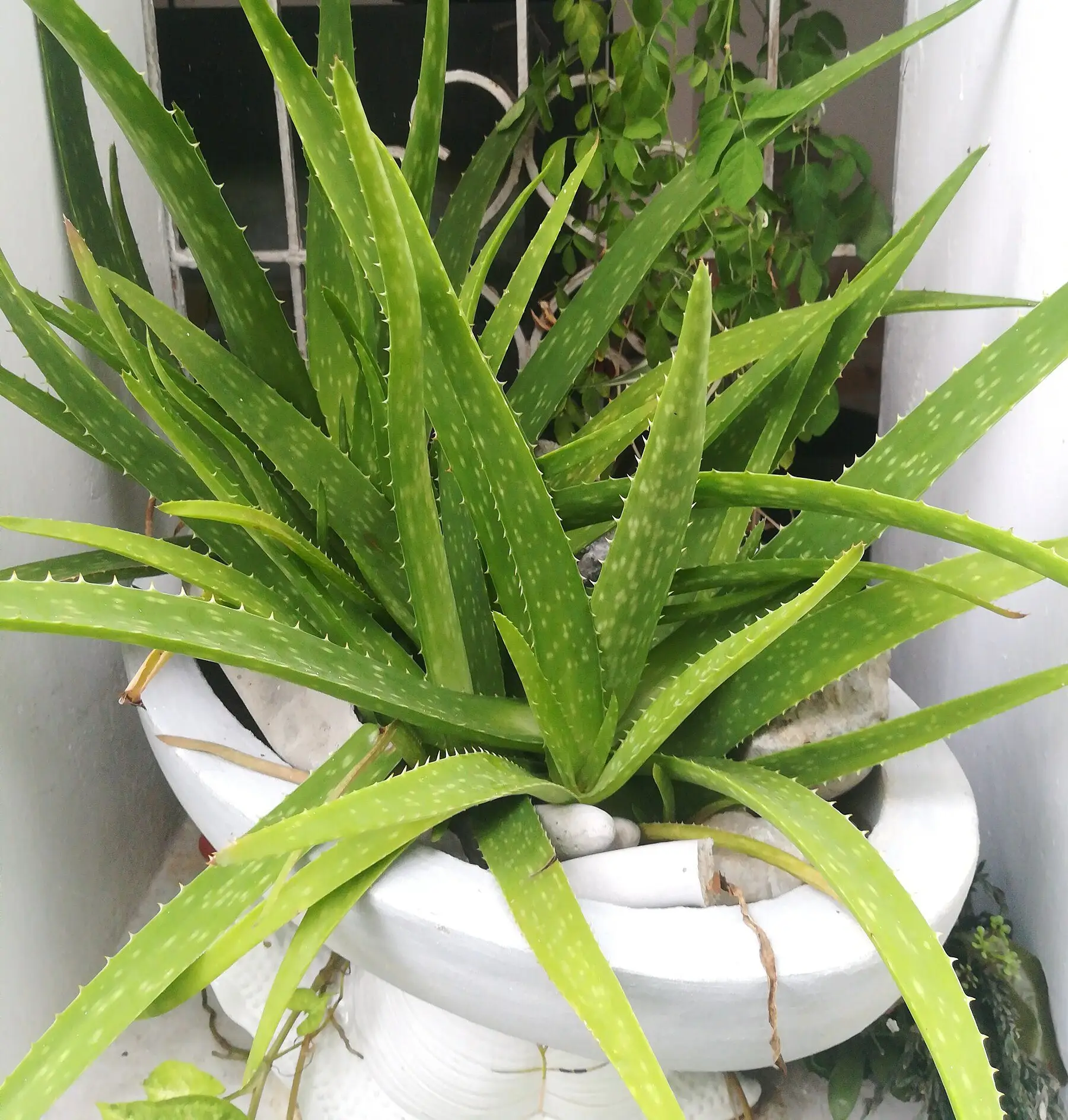
Aloe is killed by watering, not neglect. How to tell thirst from rot, why the leaves go flat or brown, and what to do with the pups it keeps producing.
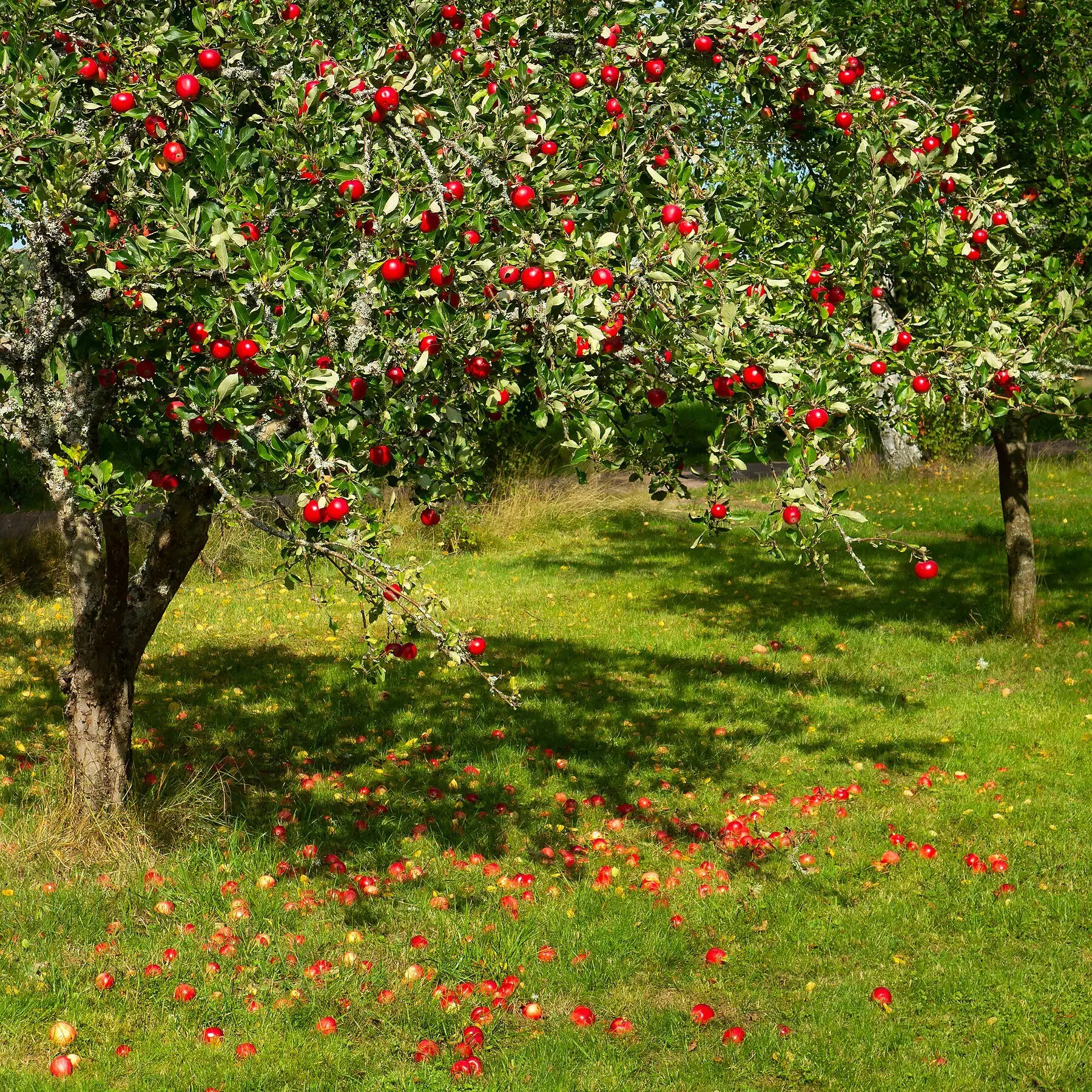
Two decisions made at purchase set the size of the tree and whether it ever fruits. Rootstock codes, flowering groups, and the pruning that keeps it productive.
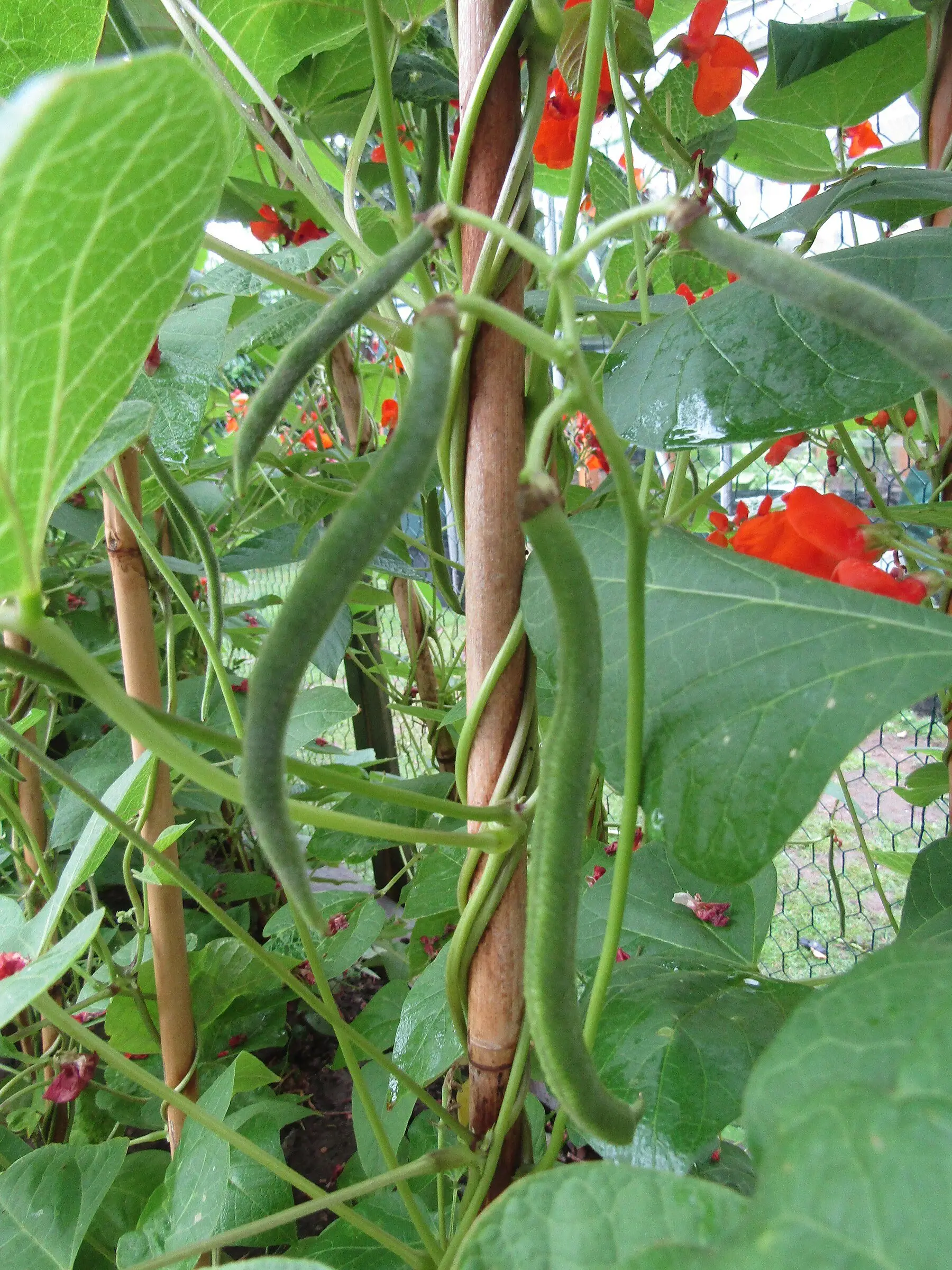
Beans rot in cold wet soil and resent transplanting, so sowing date matters more than anything else. Bush versus pole, supports, and picking to keep them coming.
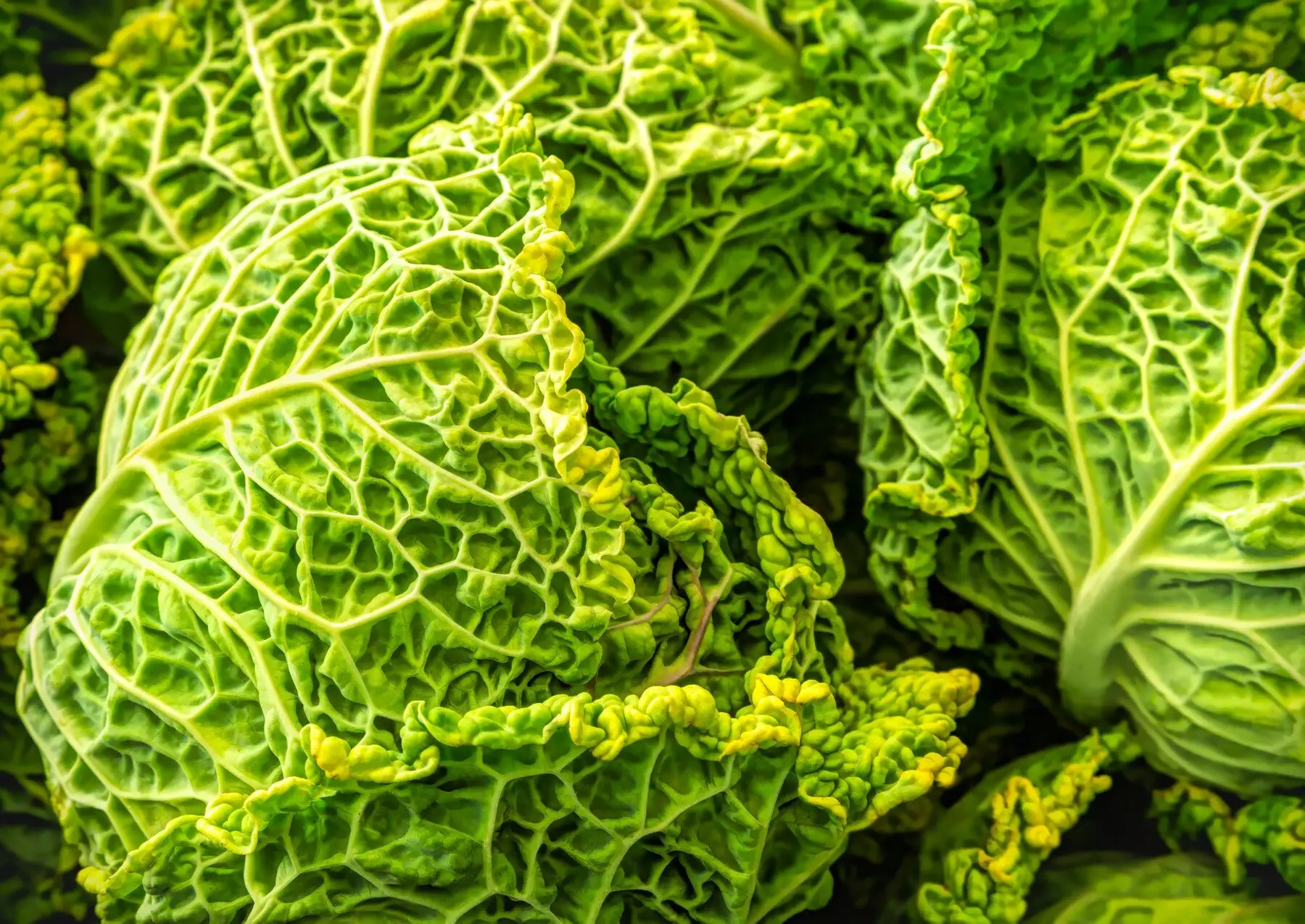
Cabbages need firmer ground than most crops, more room than people give them, and a physical barrier against pests. Splitting heads and clubroot, explained.
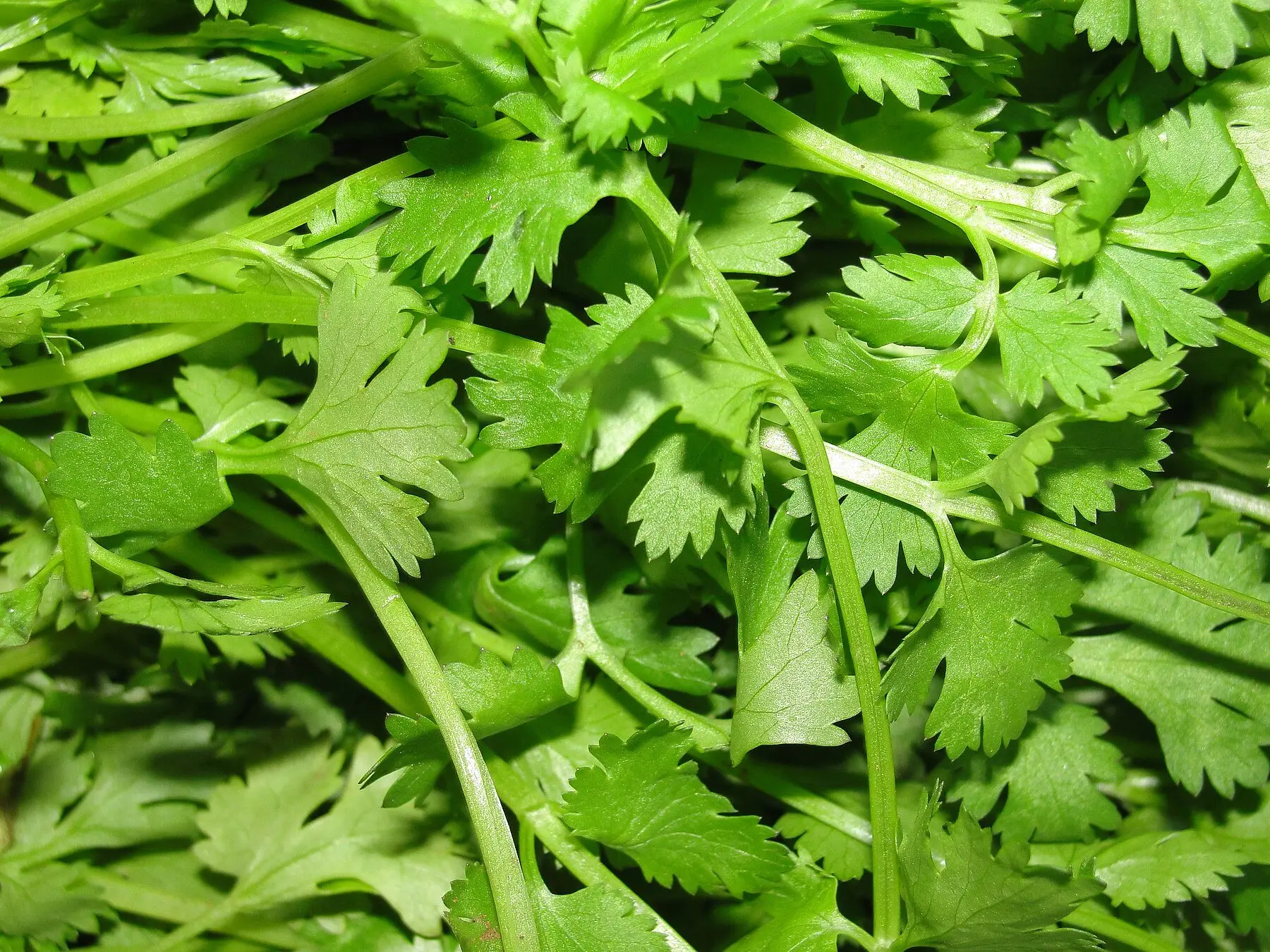
Cilantro bolts on heat and day length and nothing stops it, so the answer is succession sowing. Direct sowing, why it hates transplanting, and the seed crop.
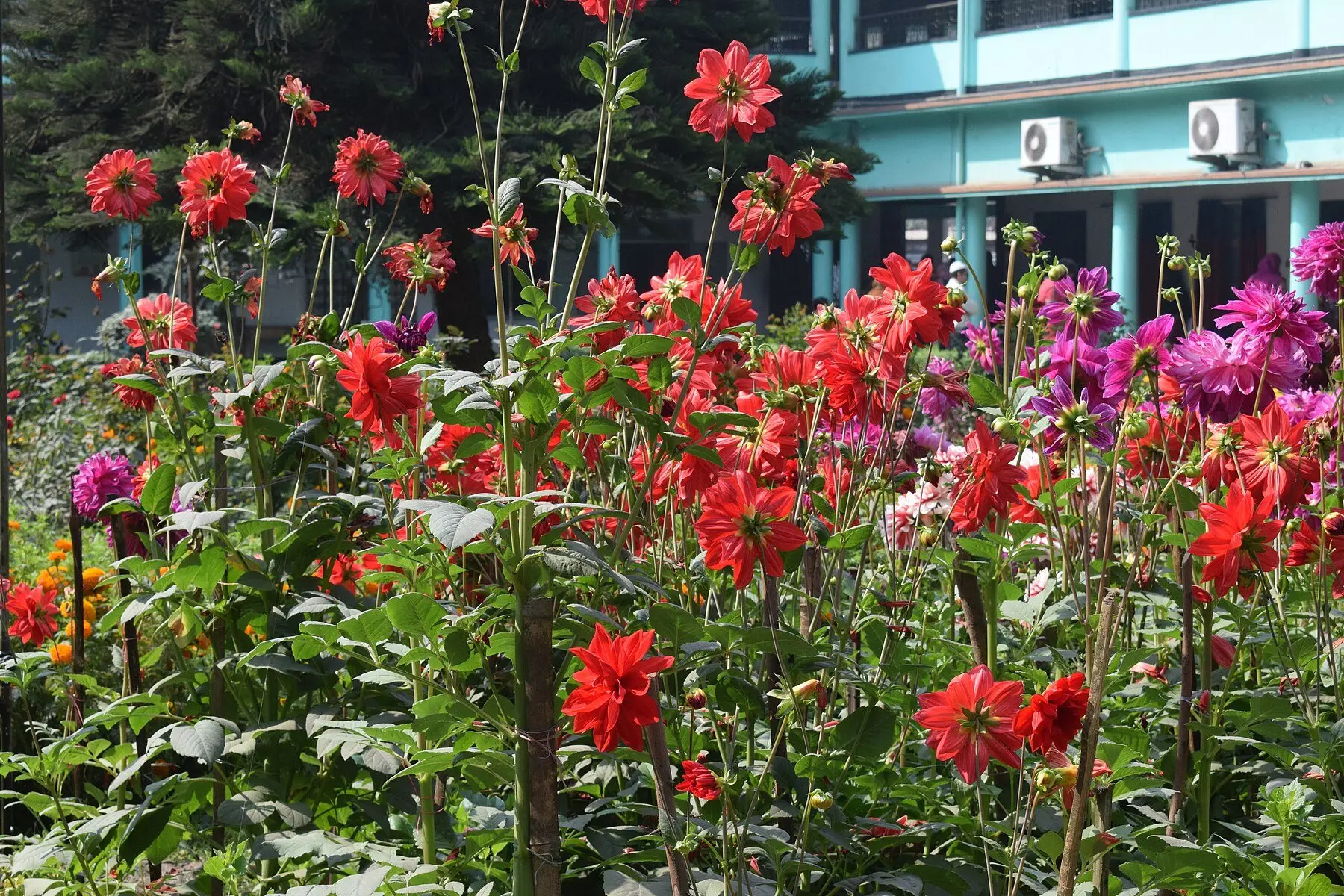
Dahlia tubers rot in cold wet soil, so the planting date is set by soil temperature. Starting them early under cover, and the honest case for leaving them in.
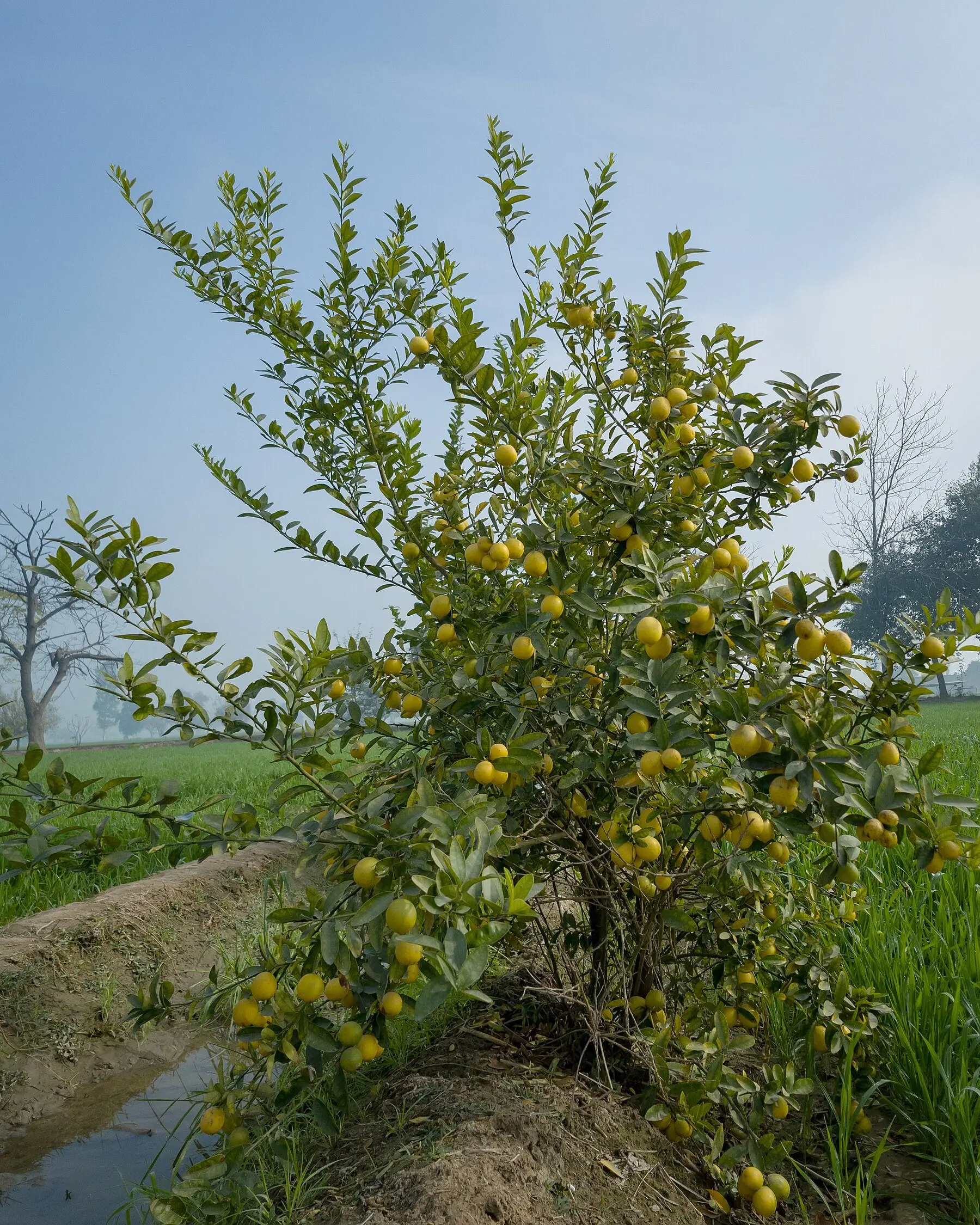
Lemons fruit year round and survive cold winters in a container, given light and the right watering. Why grafted trees matter, and what leaf drop is telling you.
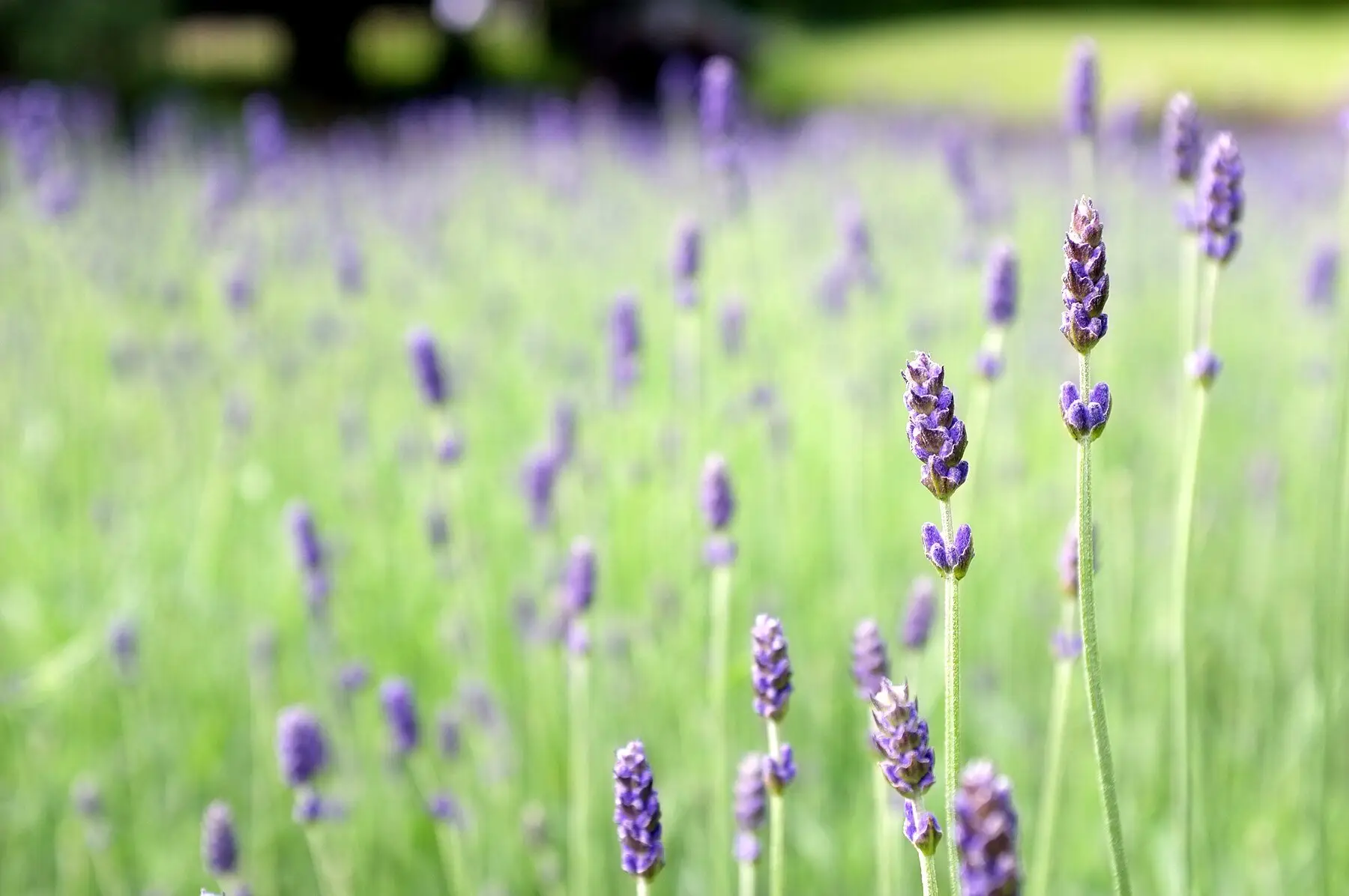
Lavender dies of wet feet and kindness, not cold. Which species suits your winter, why you plant it in poor soil, and the spacing that prevents rot.
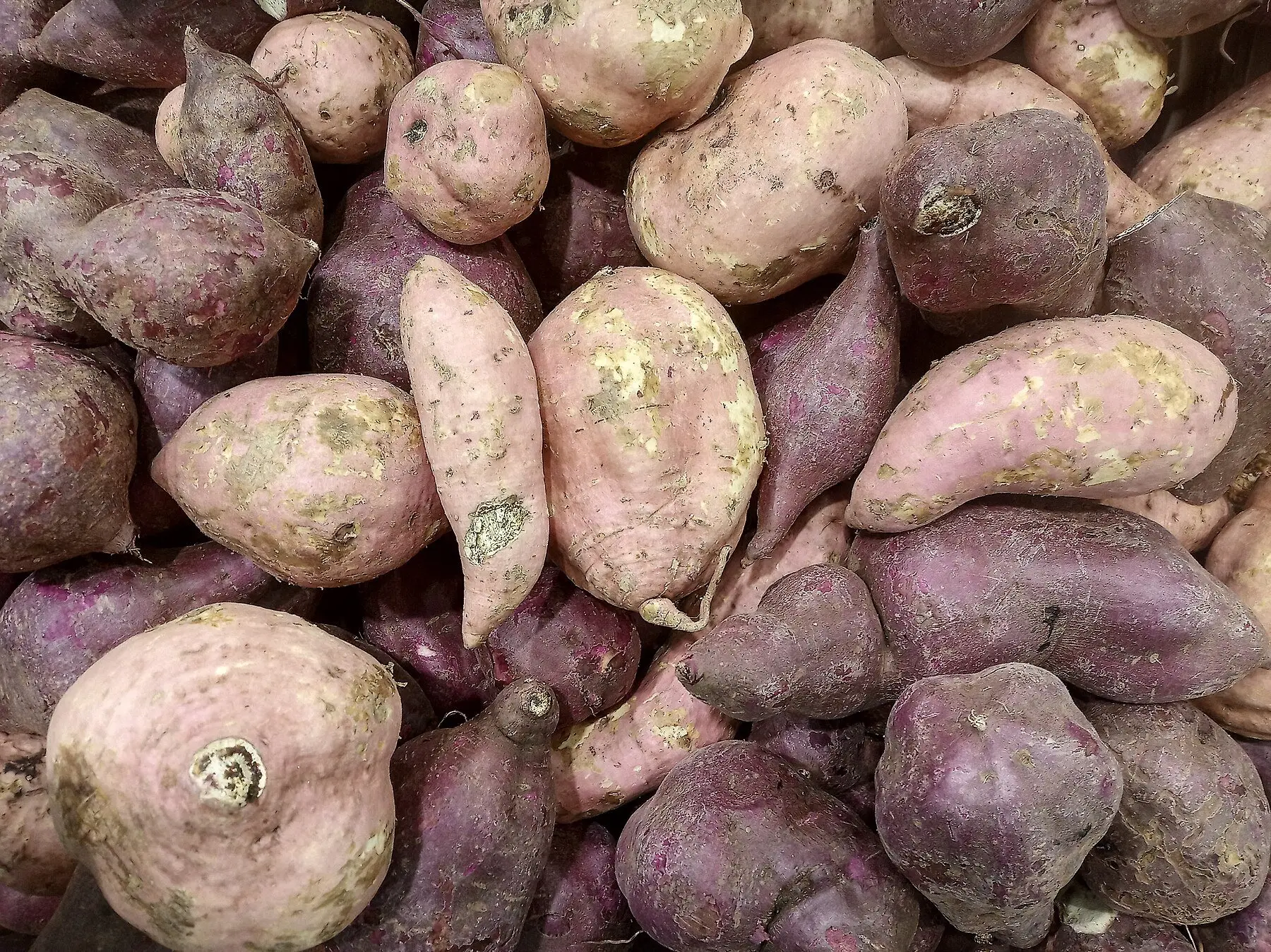
Sweet potatoes are dug on days-from-planting, not on a visible sign, and they taste of nothing until cured. The 100-day count, and the ten days that make them sweet.
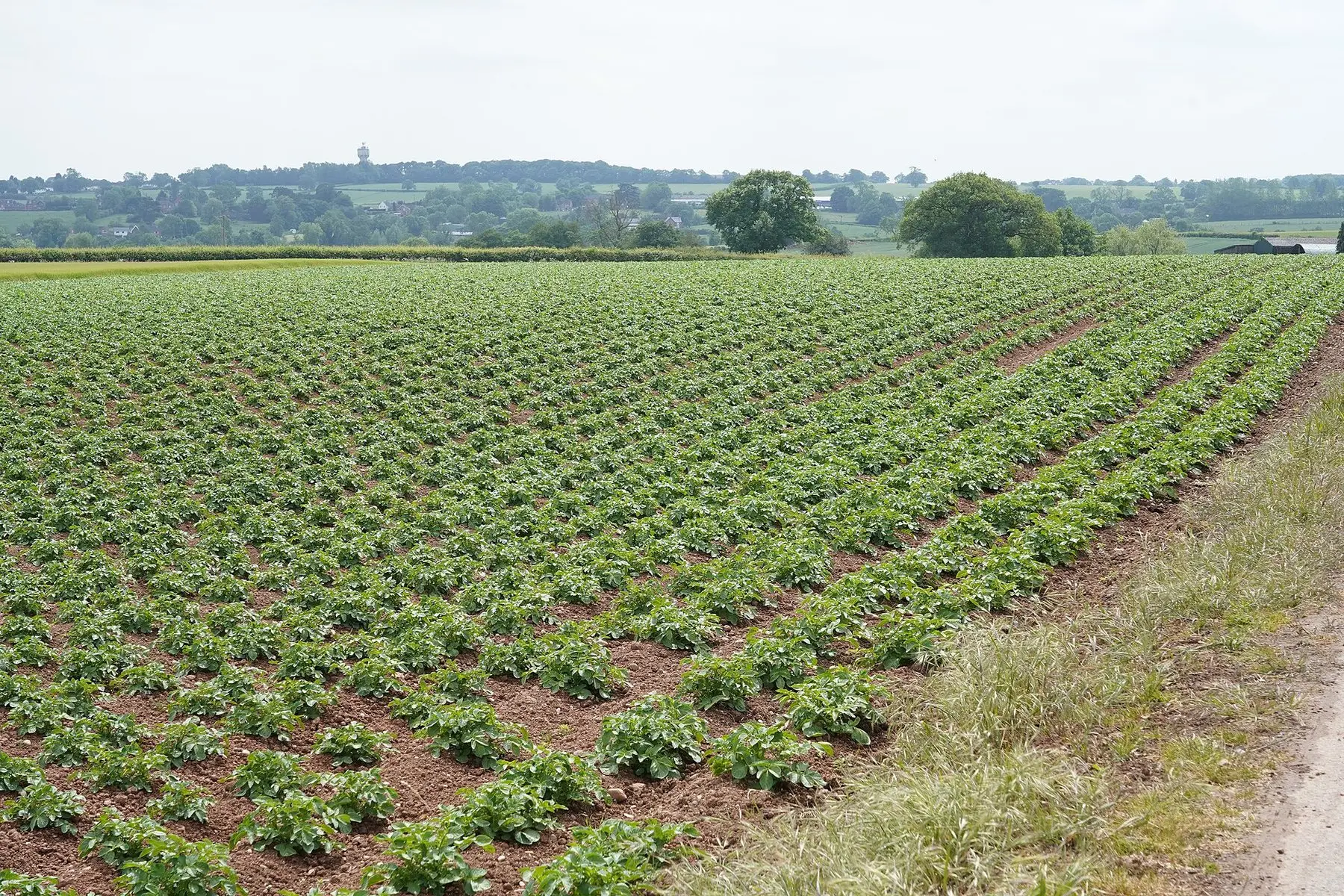
Potatoes are greedy, shallow-rooted and need earthing up, which rules out most neighbours. What genuinely fits alongside them, and the two crops to keep well away.
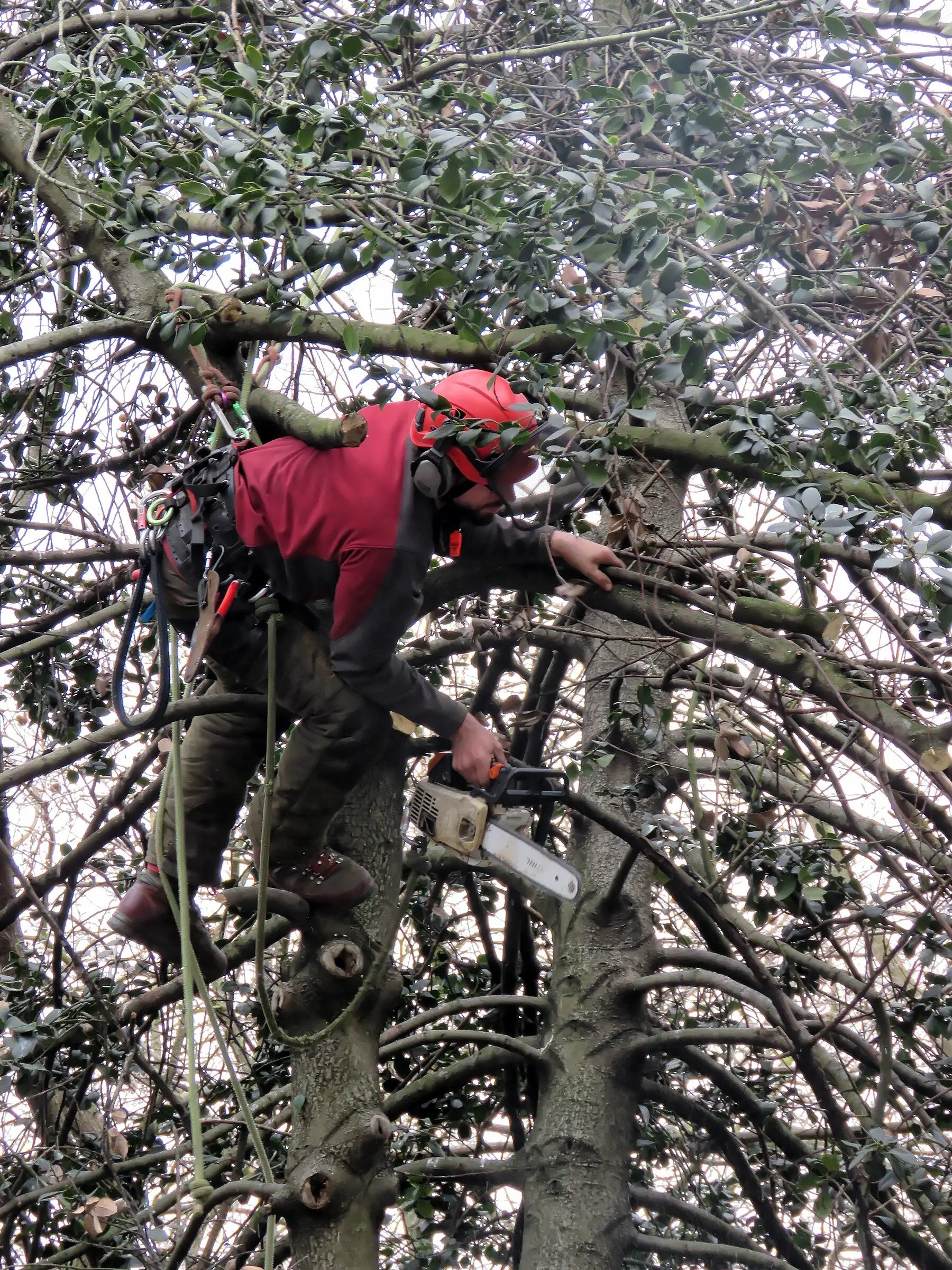
Felling is decided before the saw starts: lean, hazards, escape routes, and whether the tree is within your competence at all. Where the line is, honestly.
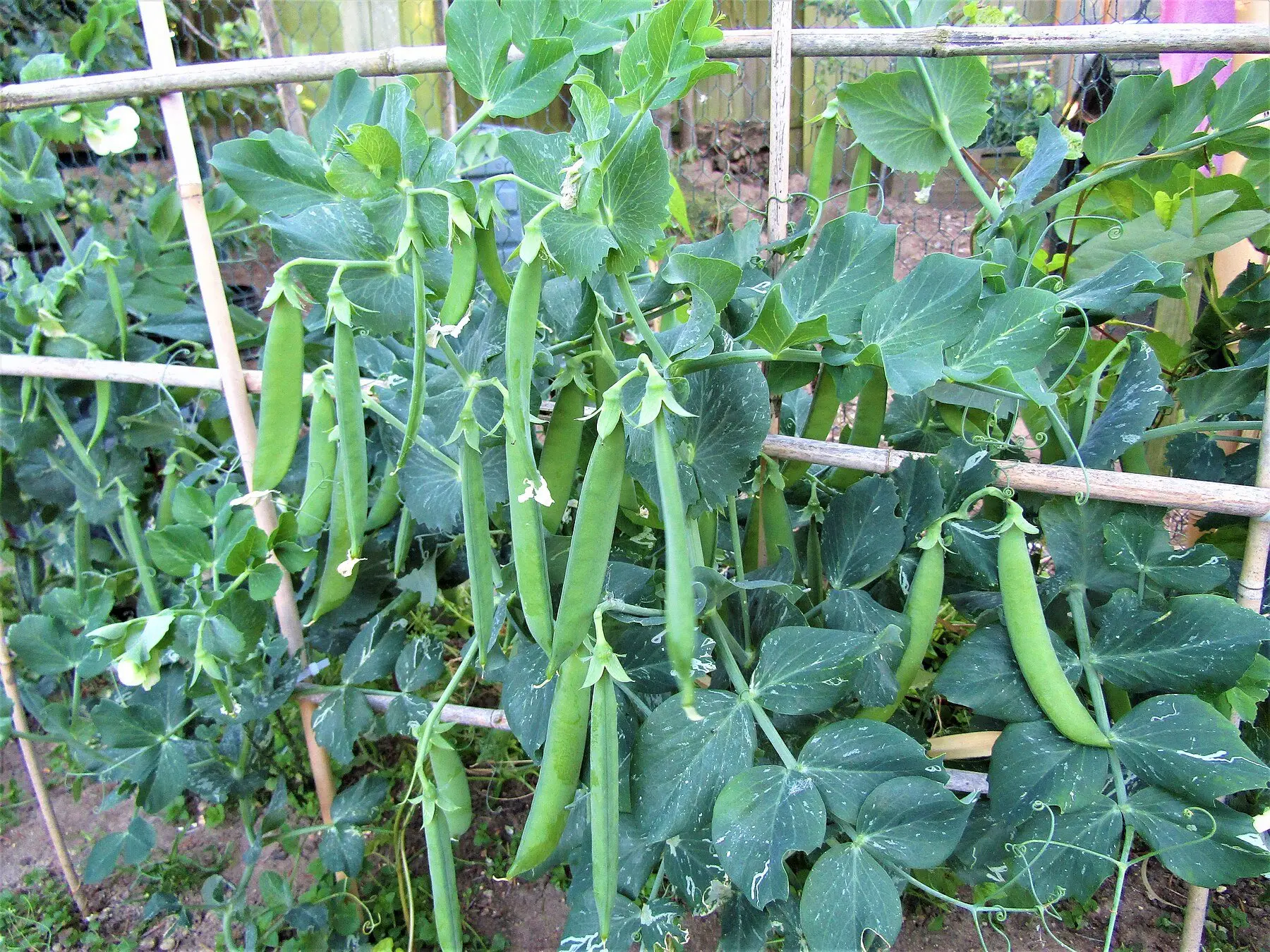
Peas are a cool-season crop that stops in heat, so sowing early beats sowing well. Support at three inches, and the sugar-to-starch clock after picking.
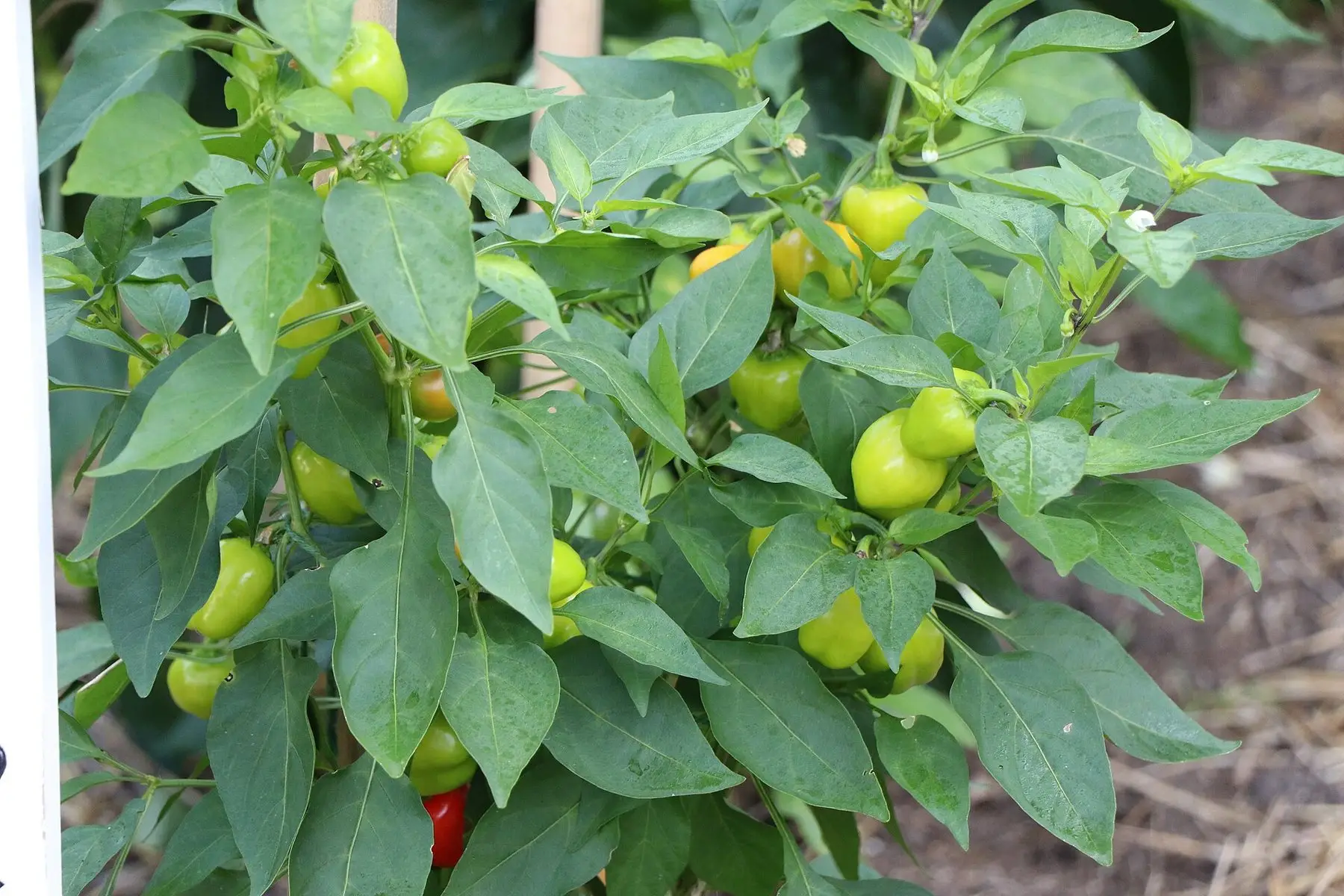
Peppers need more heat than tomatoes and stall in cool nights. When to sow, the temperature range that makes flowers drop, and why to feed them less than you think.
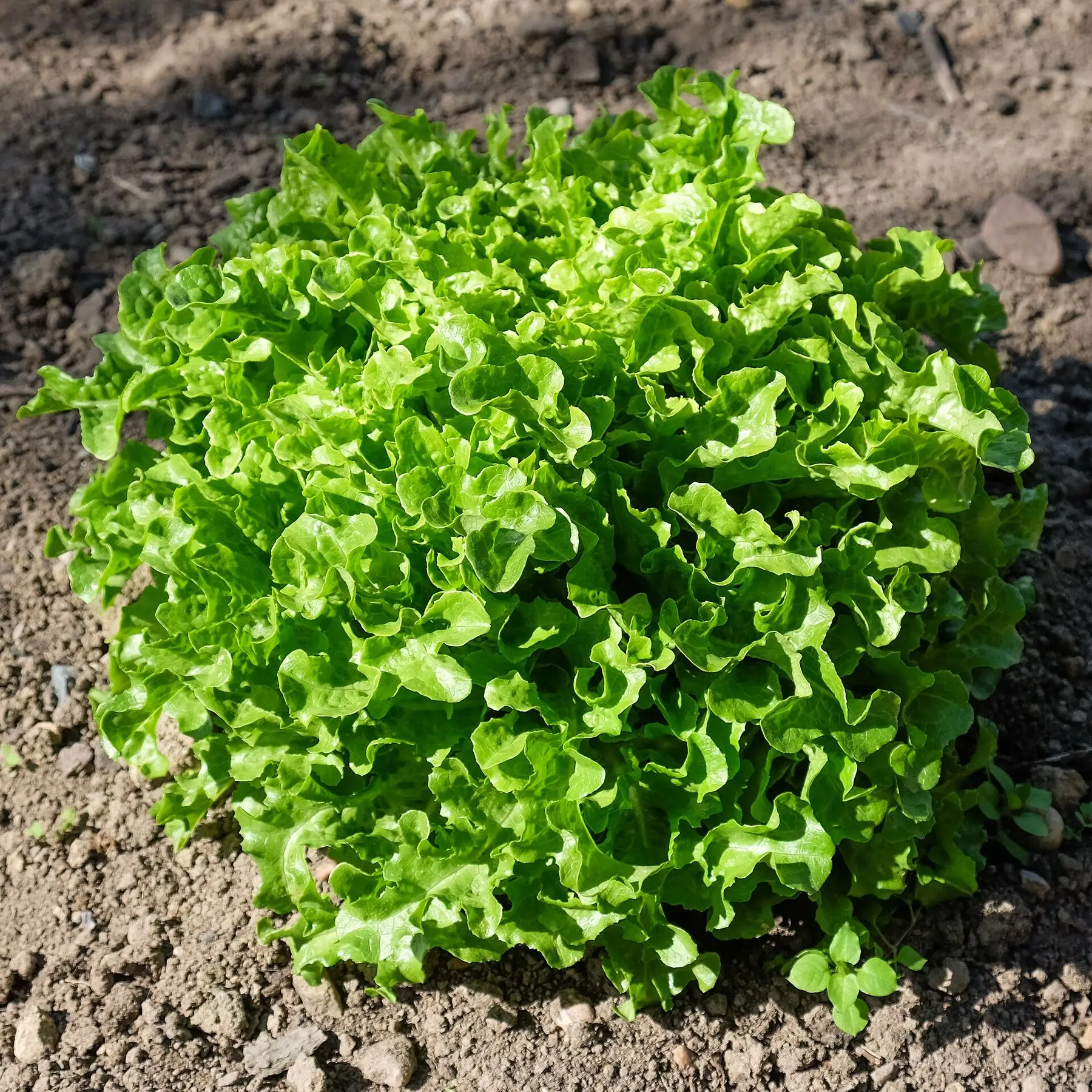
Cut-and-come-again gets three or four crops from one sowing, but only if you cut above the growing point. Where that is, and why lettuce turns bitter.
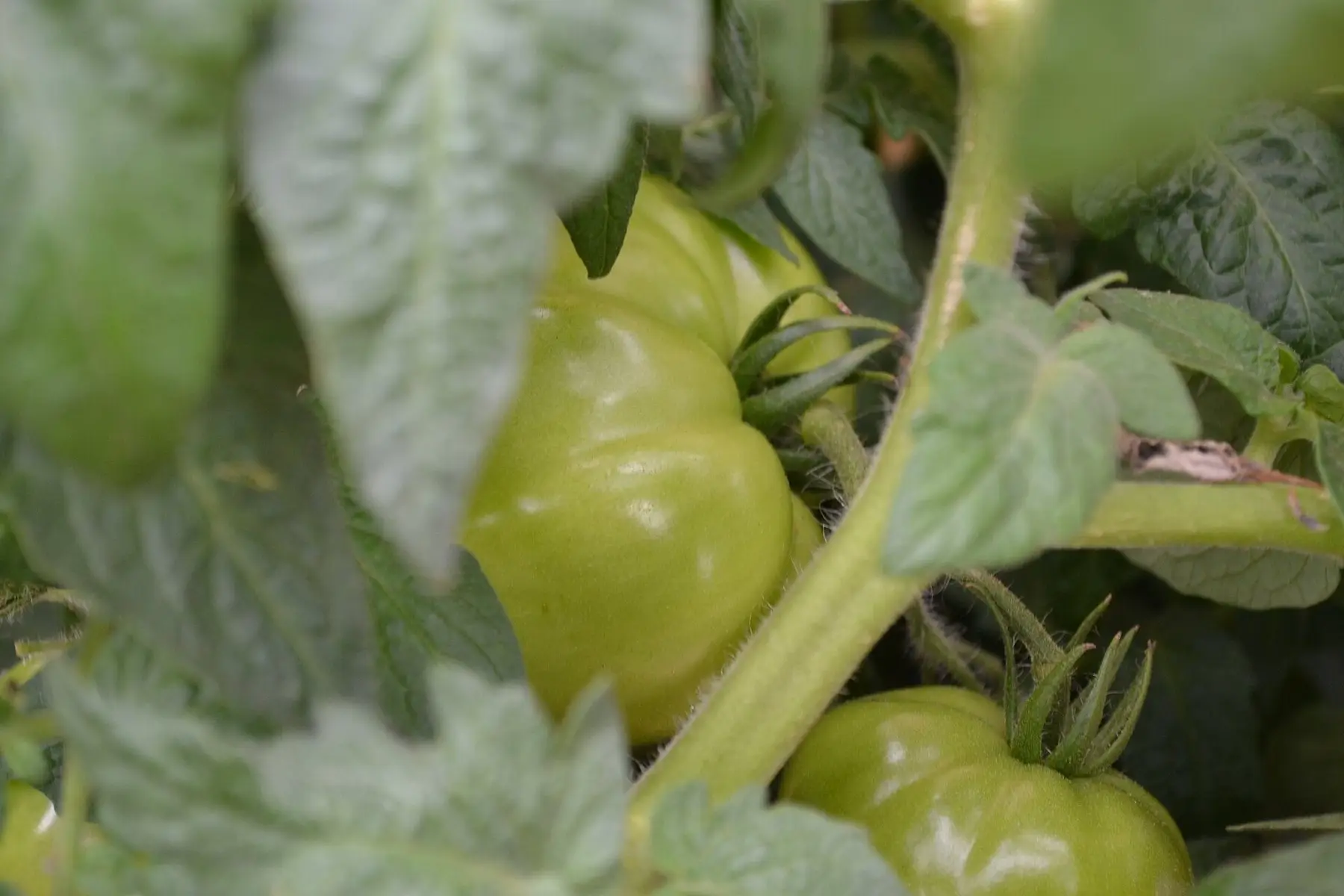
Tomatoes ripen on ethylene, not sunlight, so a windowsill is the wrong place. What actually works, which fruit will never ripen, and what to do with those.
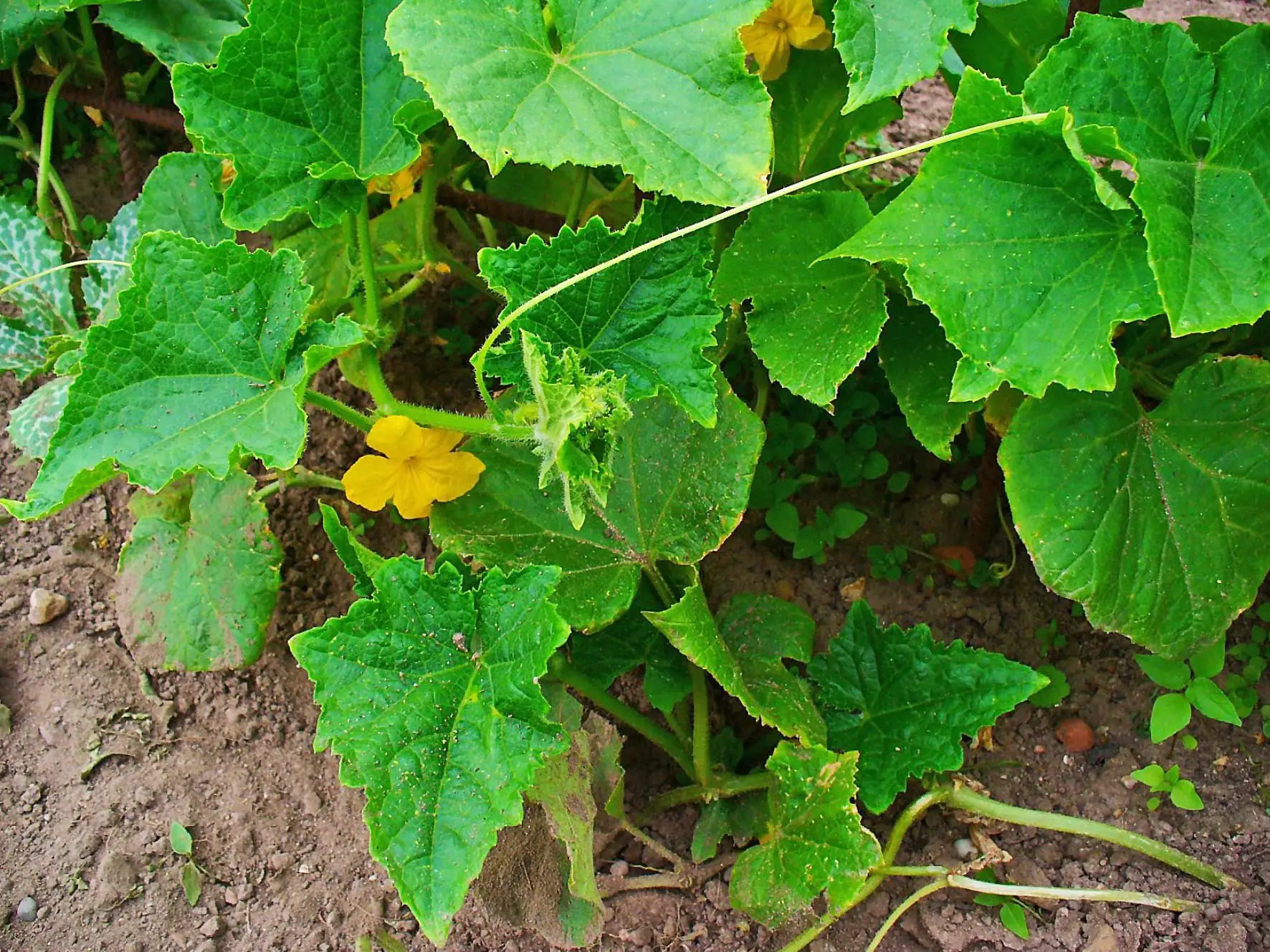
Cucumbers need pollinators and hate competition for water. What genuinely helps, what the evidence is thin on, and the two neighbours worth actually avoiding.
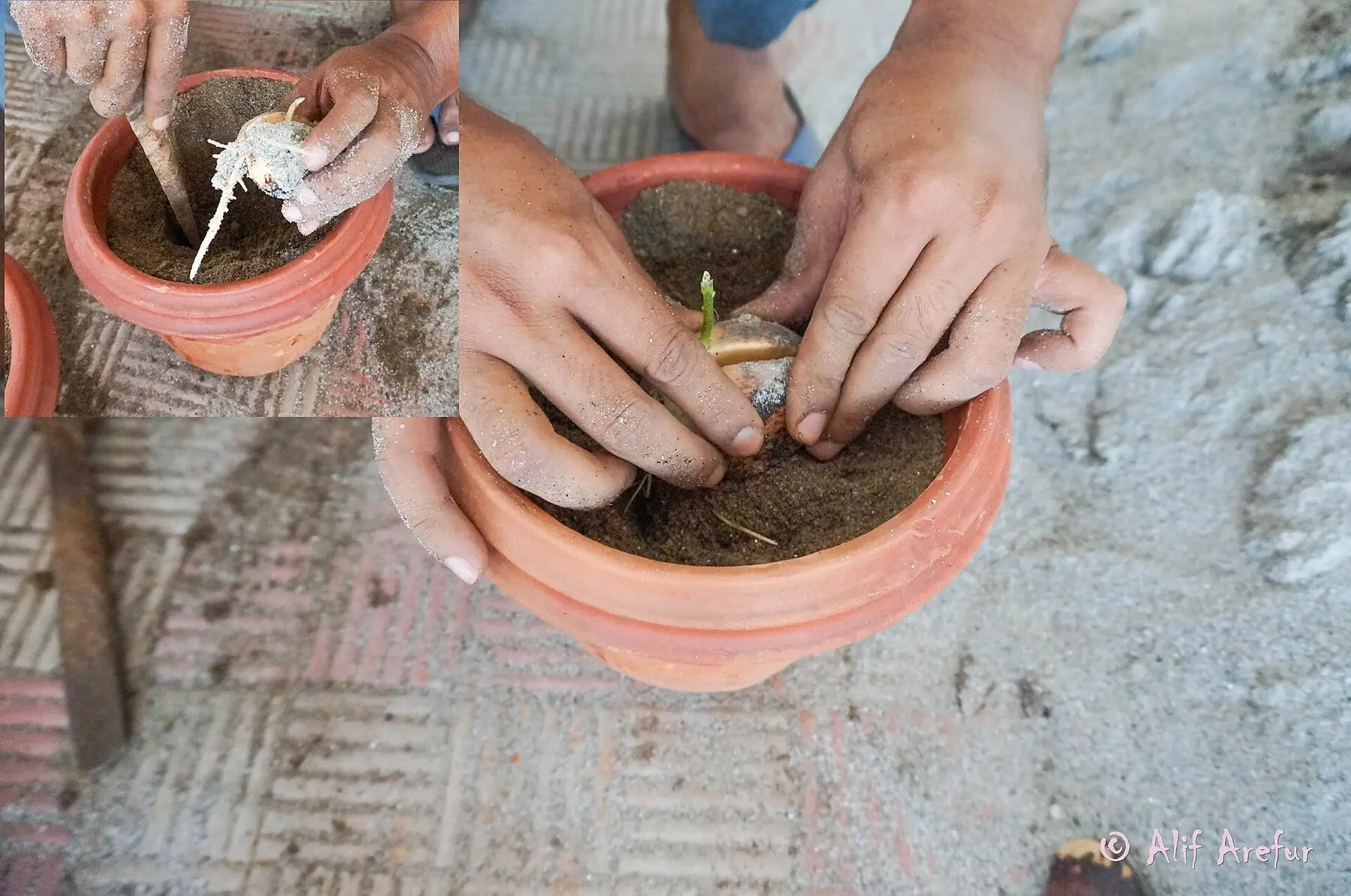
A pit sprouts easily and almost never fruits. What the toothpick trick produces, why grafted trees exist, and the A/B flowering quirk that decides pollination.
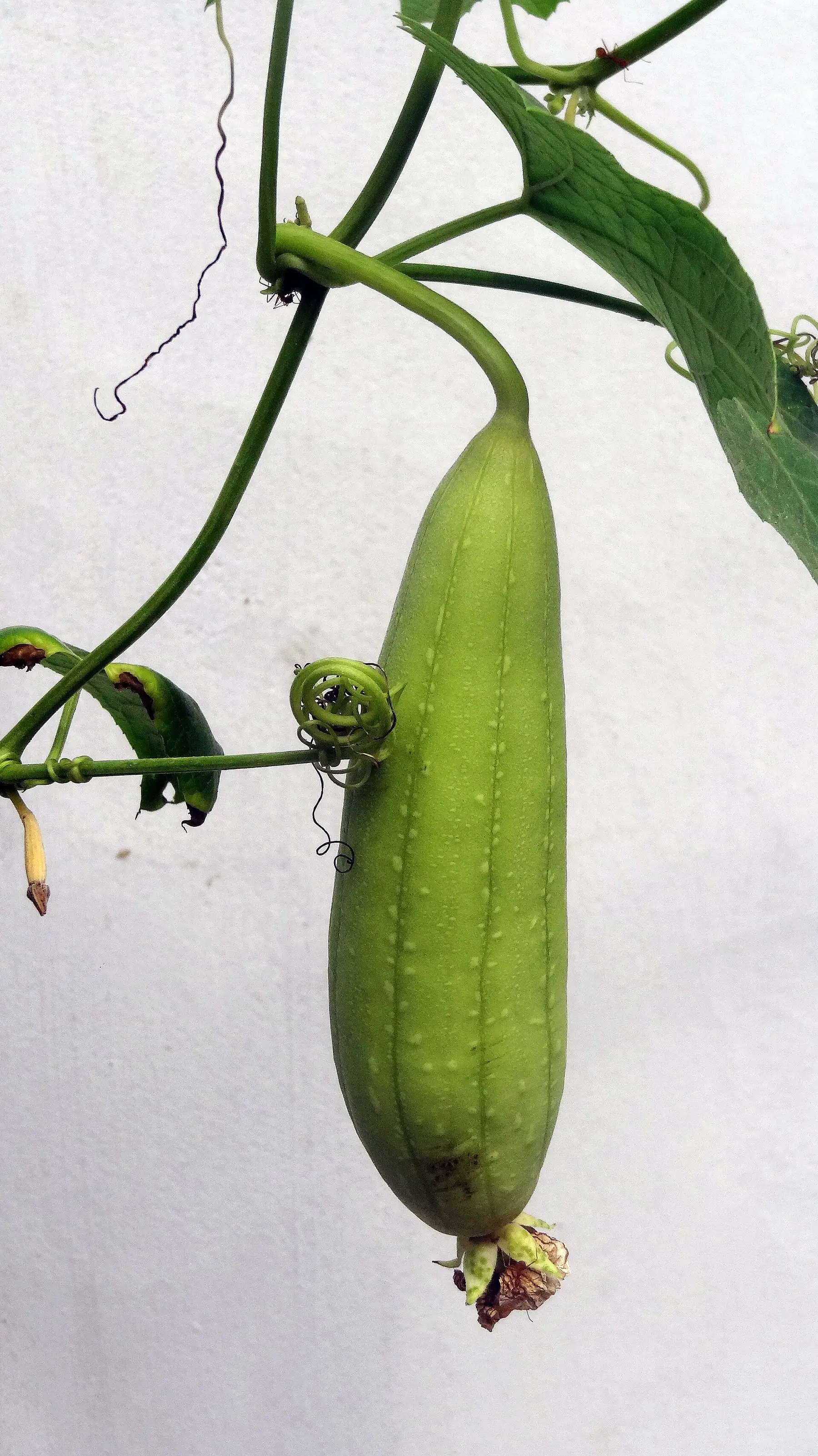
Cucumbers fail from cold soil at the start and inconsistent water later. Bush or vining, why the first flowers set nothing, and what actually makes them bitter.
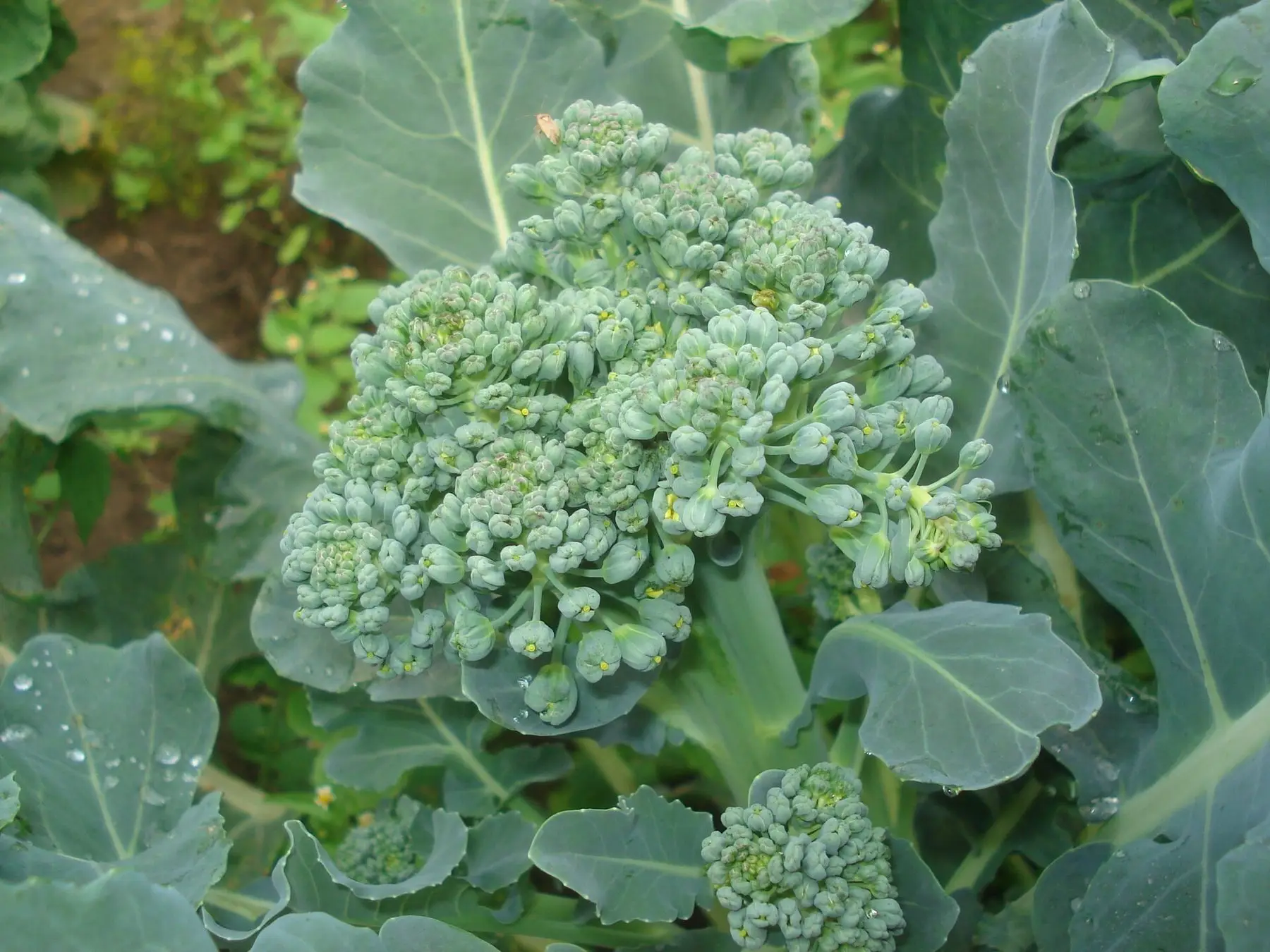
Broccoli bolts in heat and buttons when checked as a seedling. Timing the sowing, spacing for a decent head, and cutting so the side shoots keep coming.
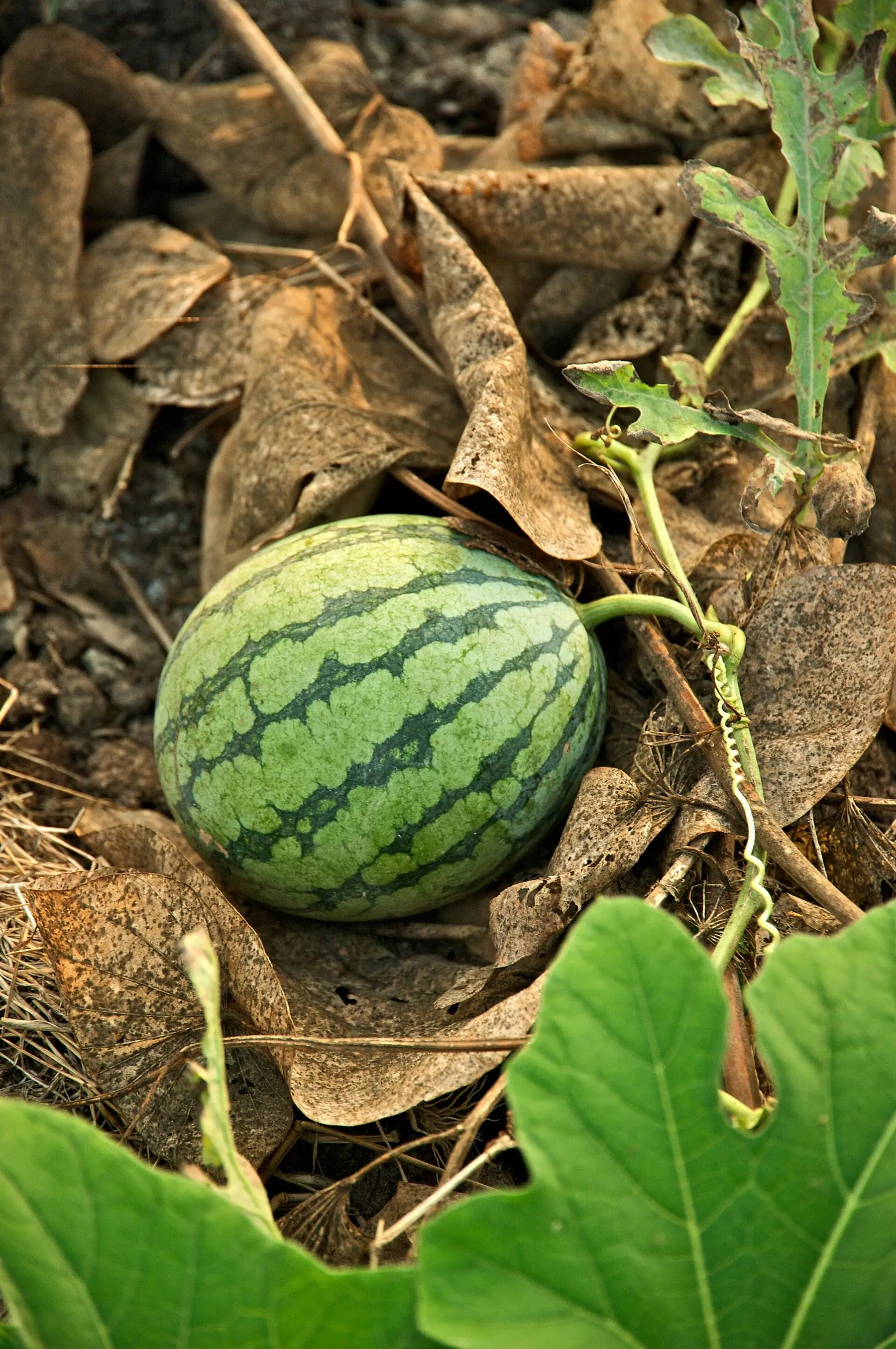
Watermelon needs 70 to 100 warm days and more room than people give it. The three ripeness signs that work, and why thumping mostly does not.
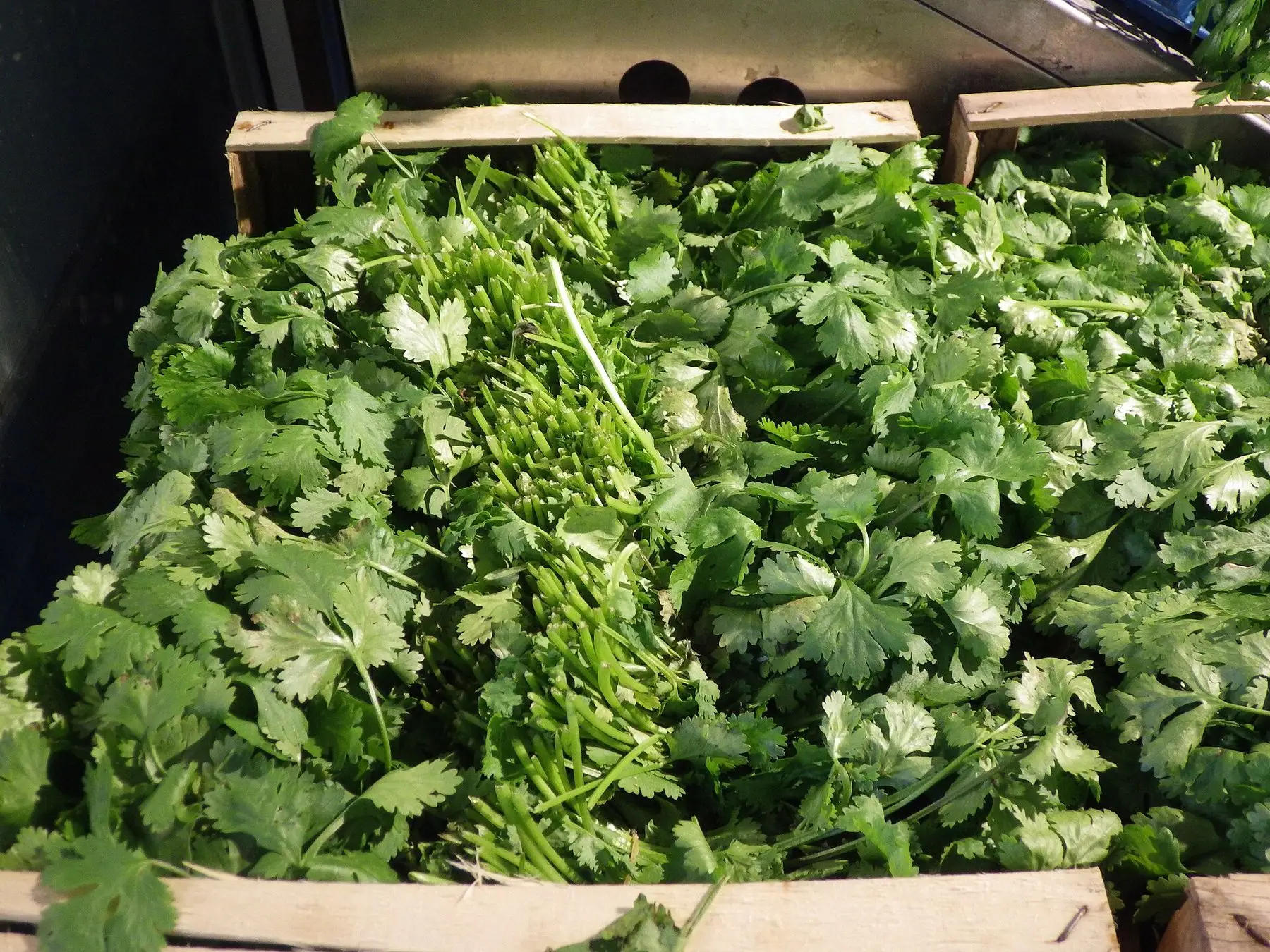
Cilantro wilts fast because it is mostly water with thin leaves. The jar method, what actually freezes well, and why drying it is largely a waste.
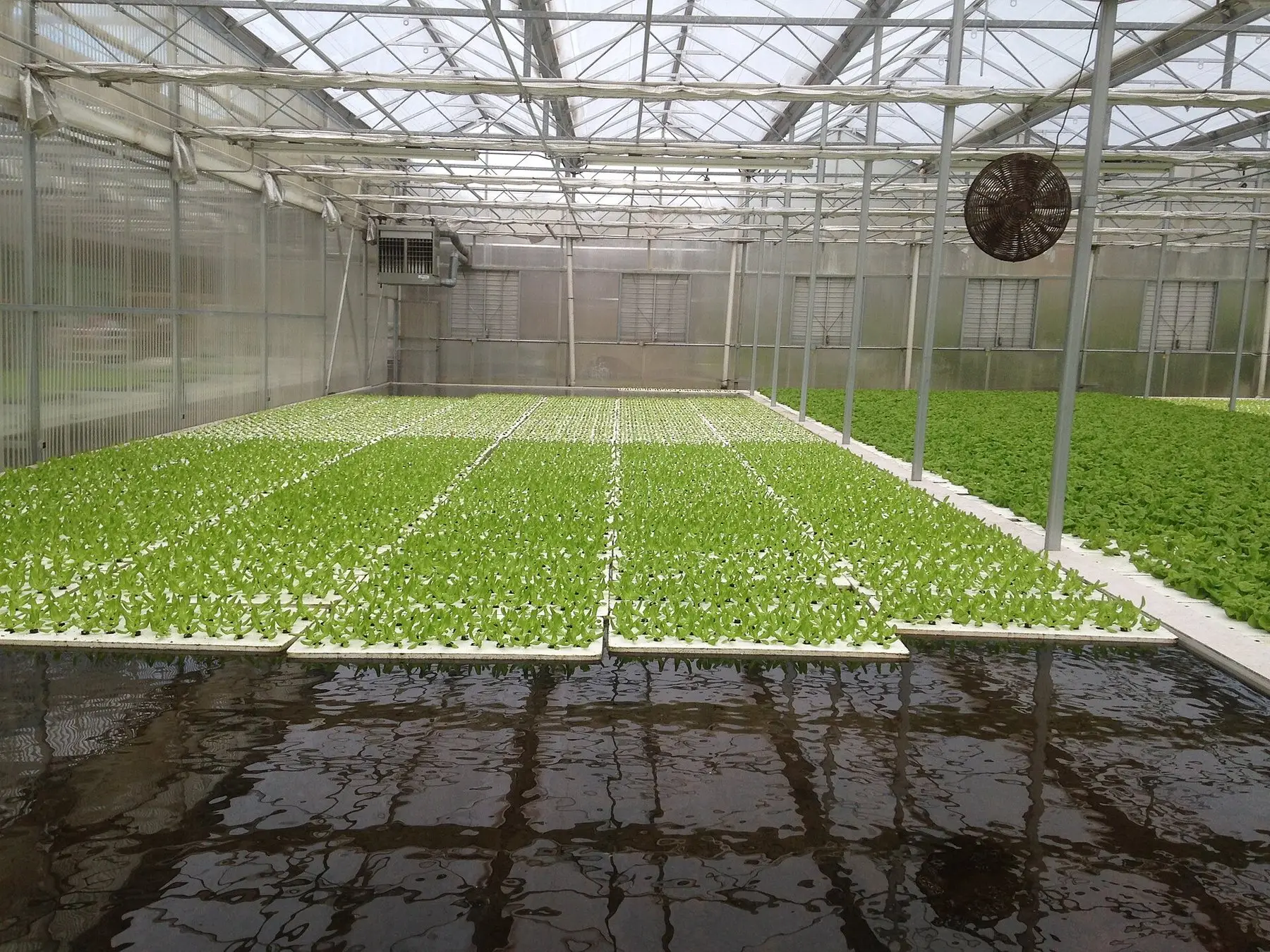
Roots sit in aerated nutrient solution and grow fast — until the pump stops. How DWC works, the numbers to hold, and why root rot is its one real failure mode.
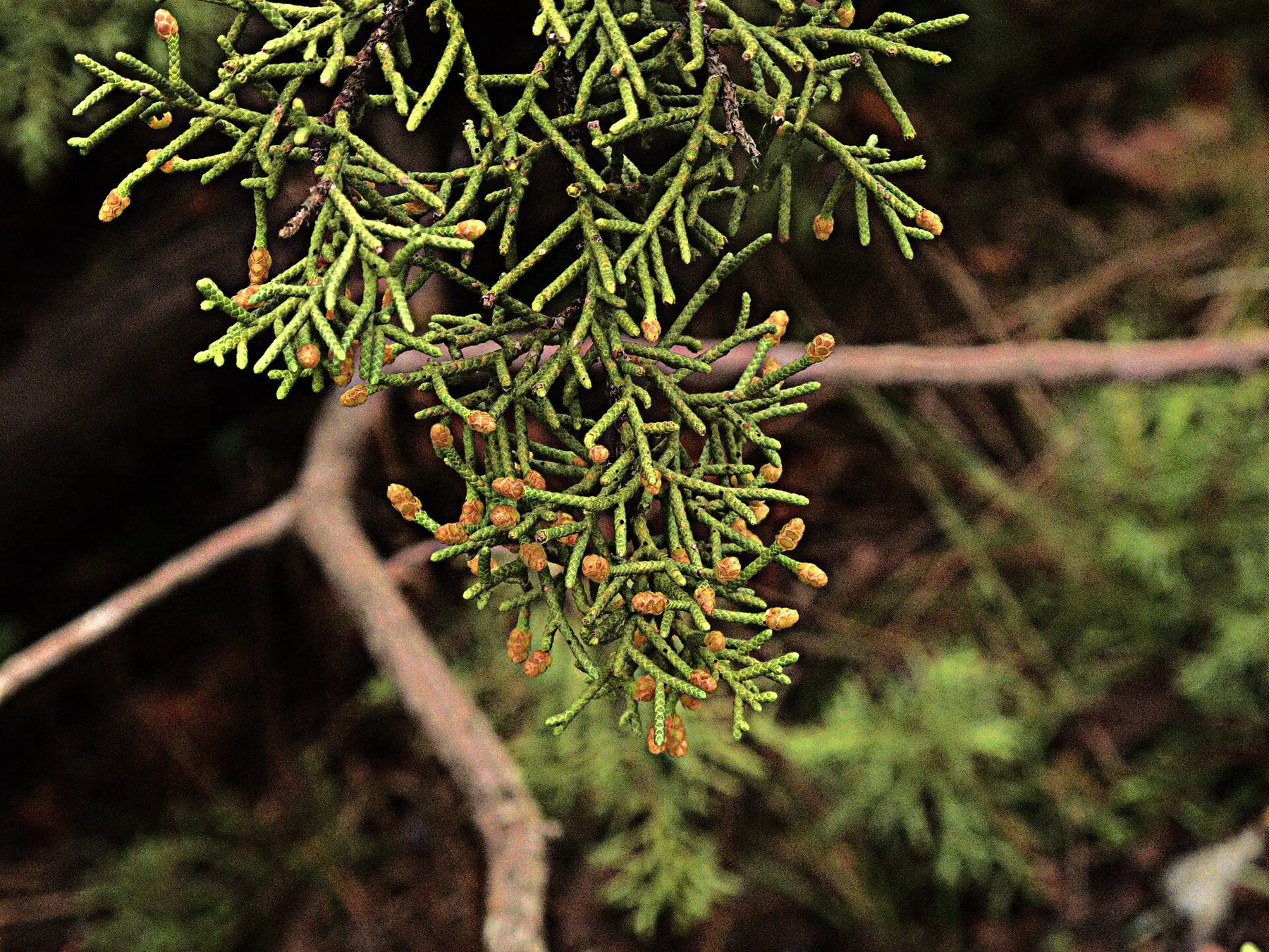
Junipers are near-indestructible in sun and sharp drainage, and doomed in shade or wet soil. Picking a form that suits the space, and the pruning rule that matters.
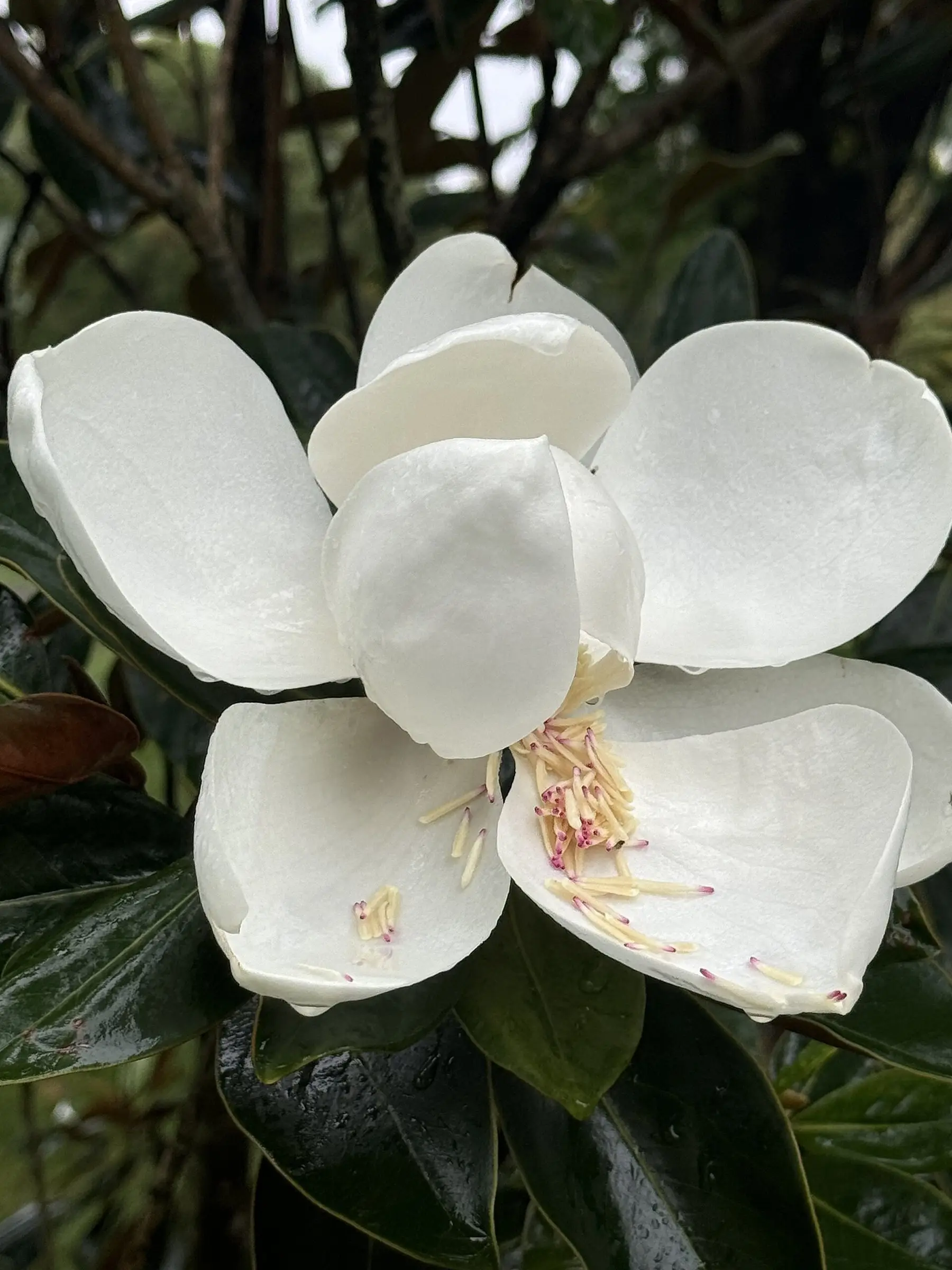
Magnolia grandiflora reaches 60 to 80 feet and drops leathery leaves all year. The cultivars that stay small, and what it needs to flower well.
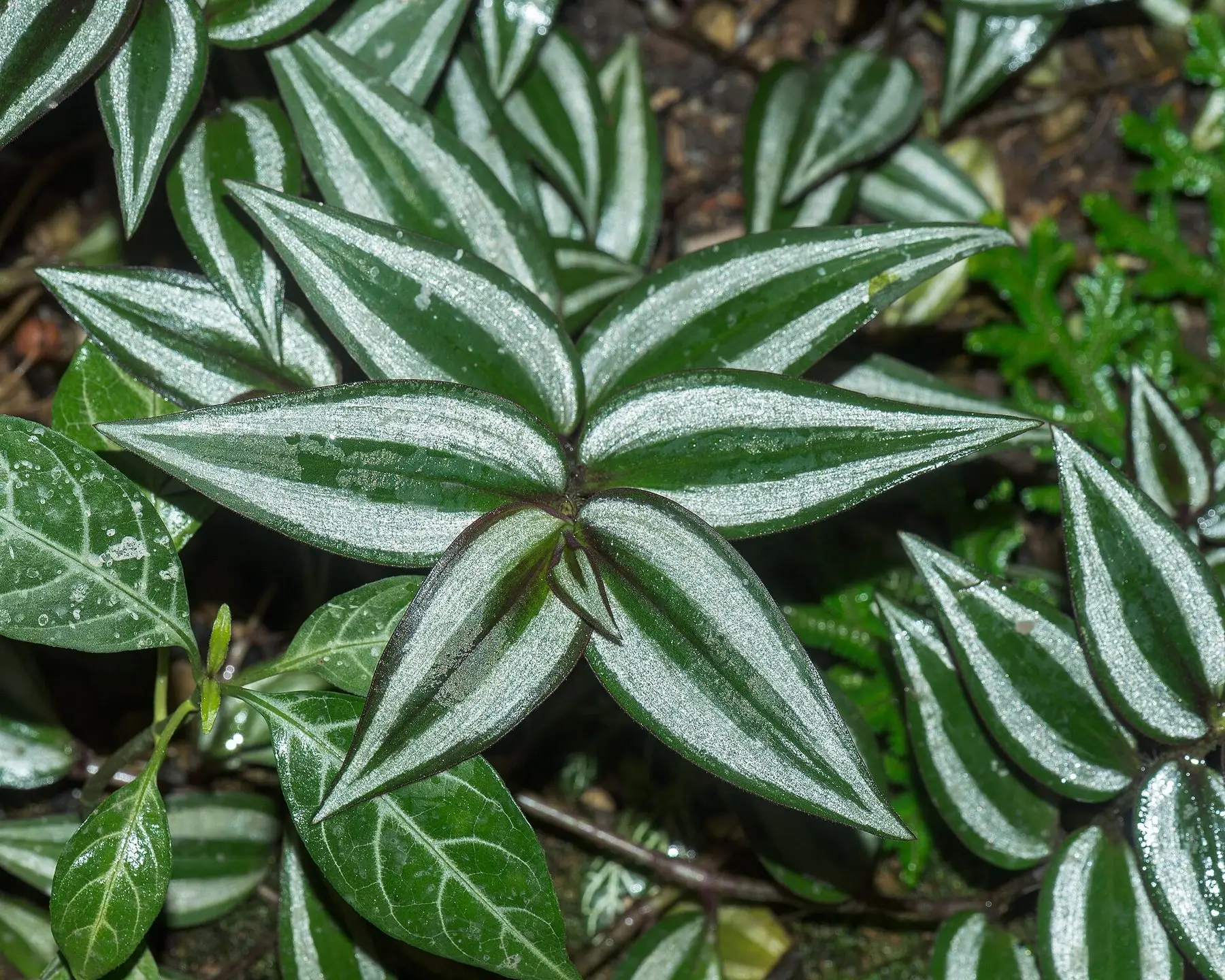
The stripes fade and the stems go bare in low light, and no amount of feeding fixes it. What this plant needs, and how to rebuild one that has gone straggly.
Blueberries need pH 4.5 to 5.5 and will slowly starve above it. Getting the soil right, why you want two varieties, and the pruning that keeps fruit coming.
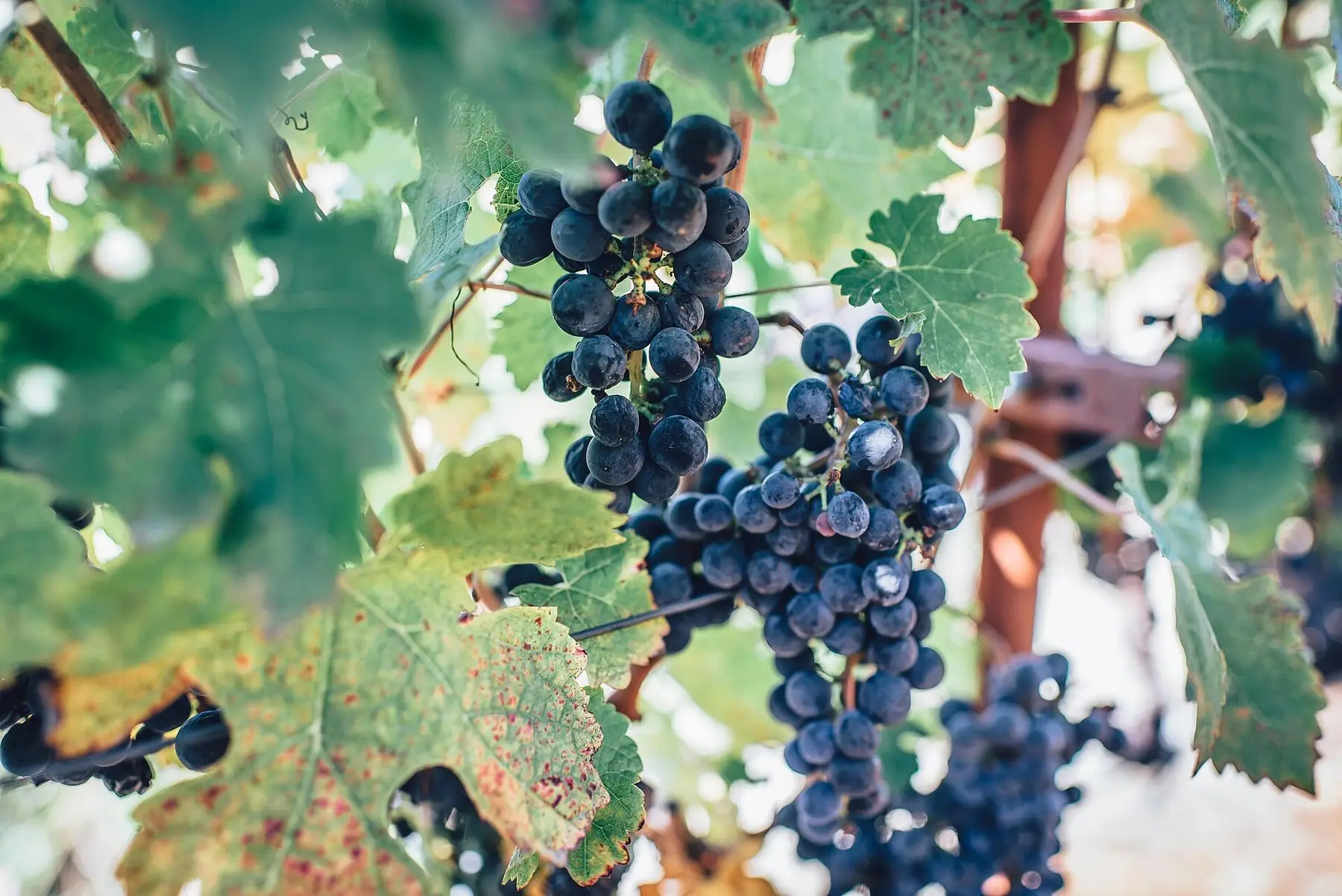
Grapes fruit on shoots from last year's wood, so timid pruning gives a huge vine and no crop. The two training systems, and why summer pruning is separate.
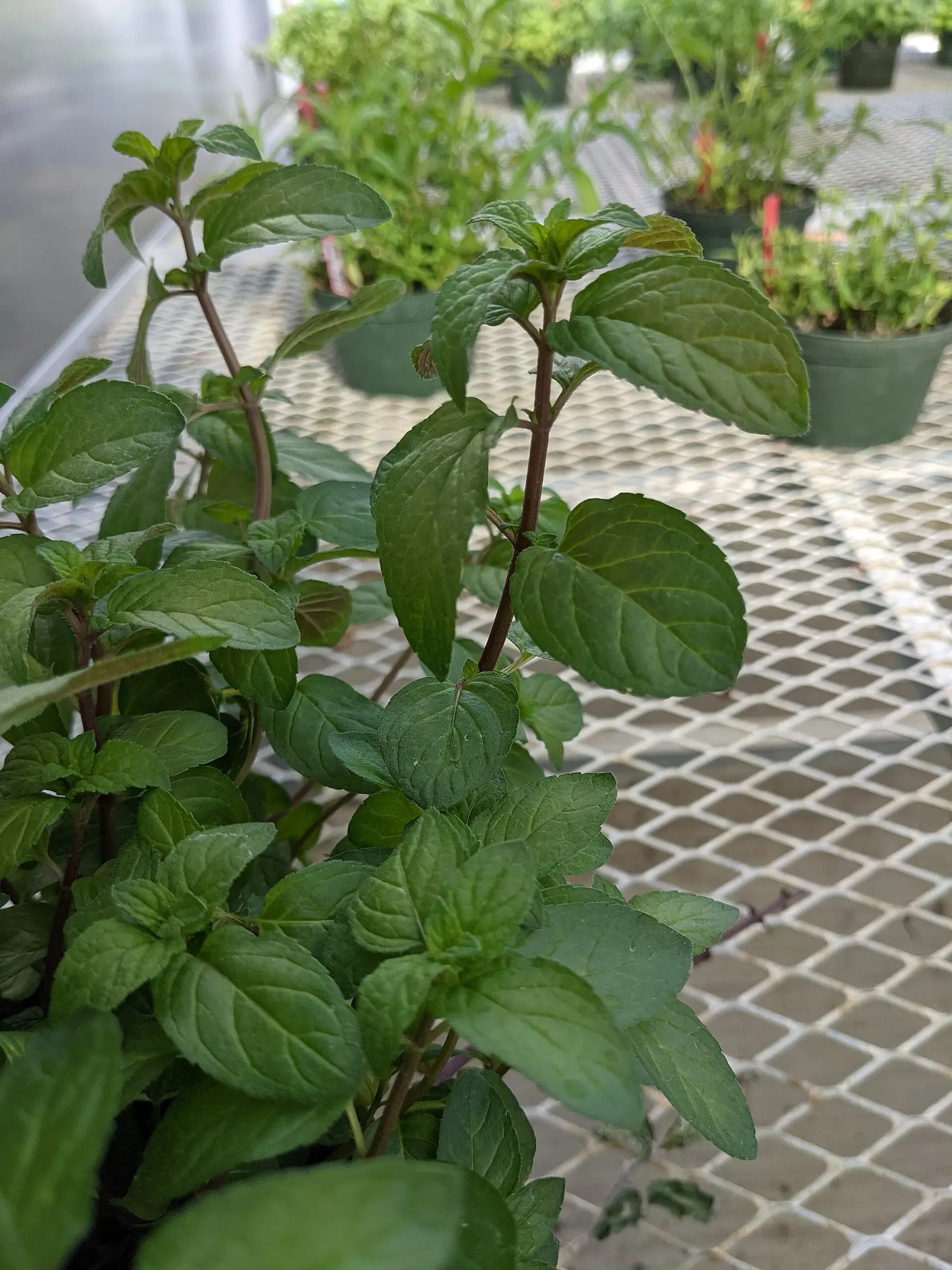
Mint spreads by runners just under the surface and will colonise a bed in two seasons. Containment that actually works, and the pruning that keeps leaves tender.
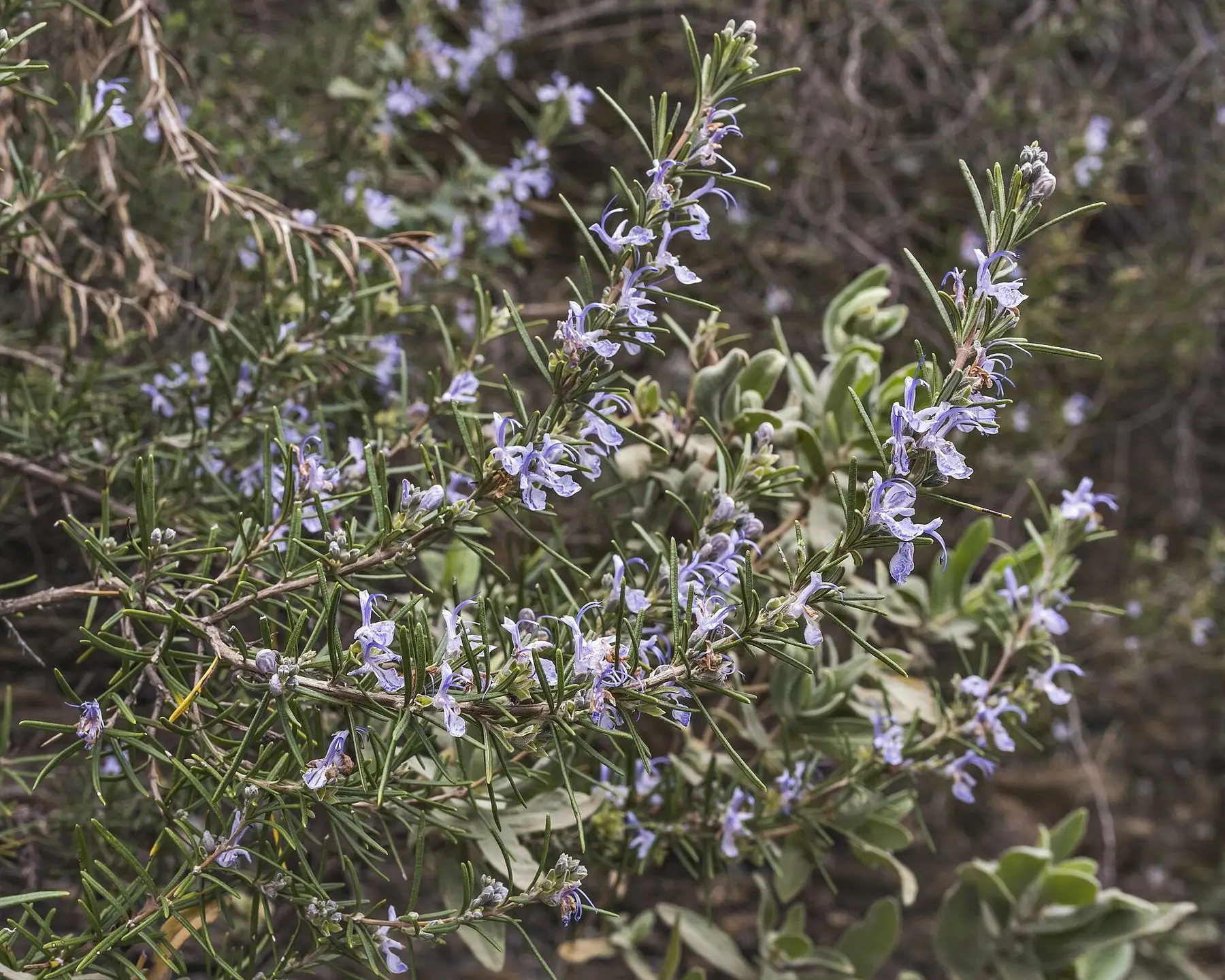
Rosemary is killed by wet roots far more often than by cold. Soil, siting, the pruning rule that avoids dead patches, and overwintering in a cold climate.
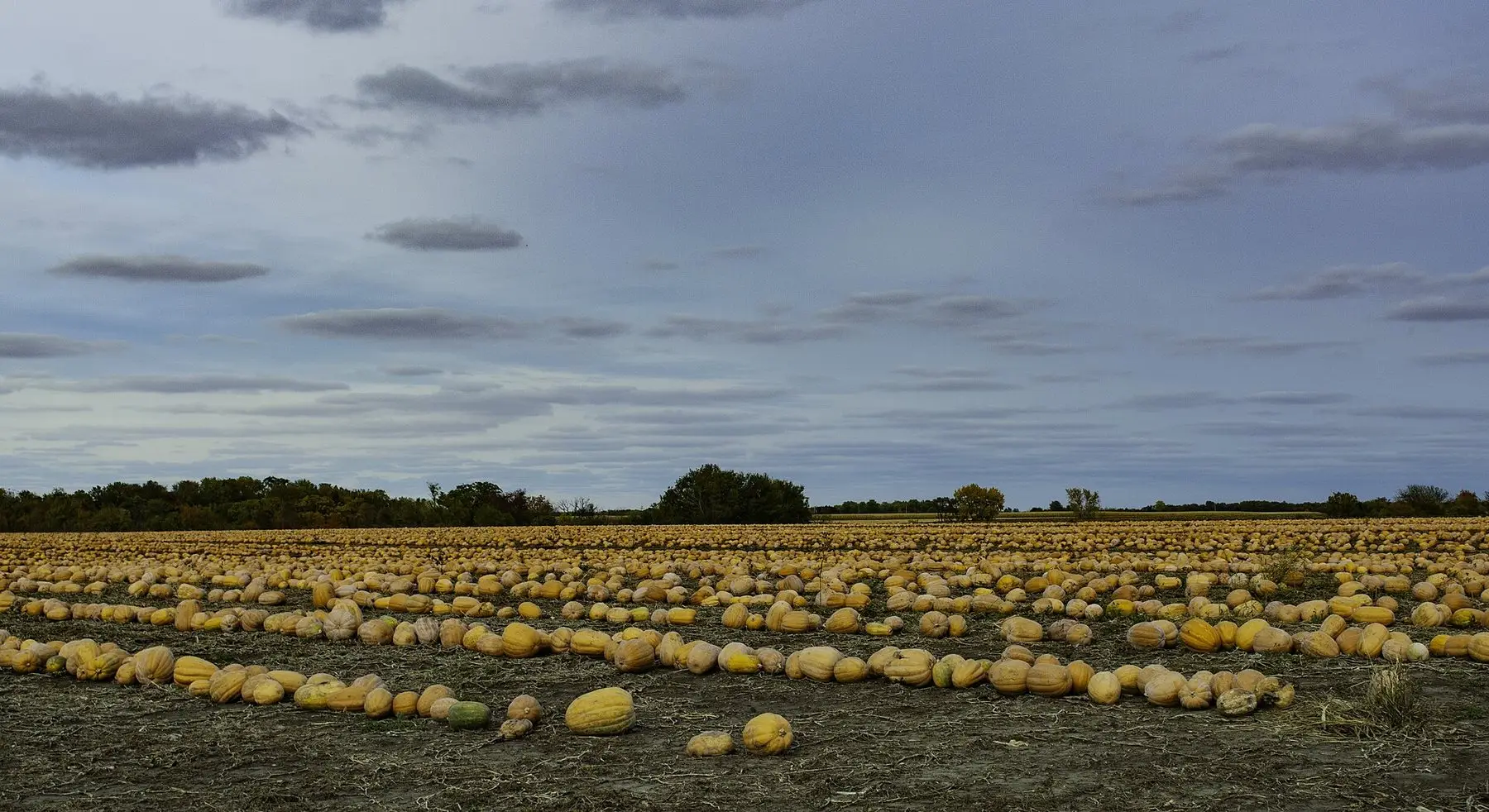
Rind hardness, stem colour and a hollow sound tell you it is ready. Why you must cut the stem rather than carry by it, and the curing that decides storage life.
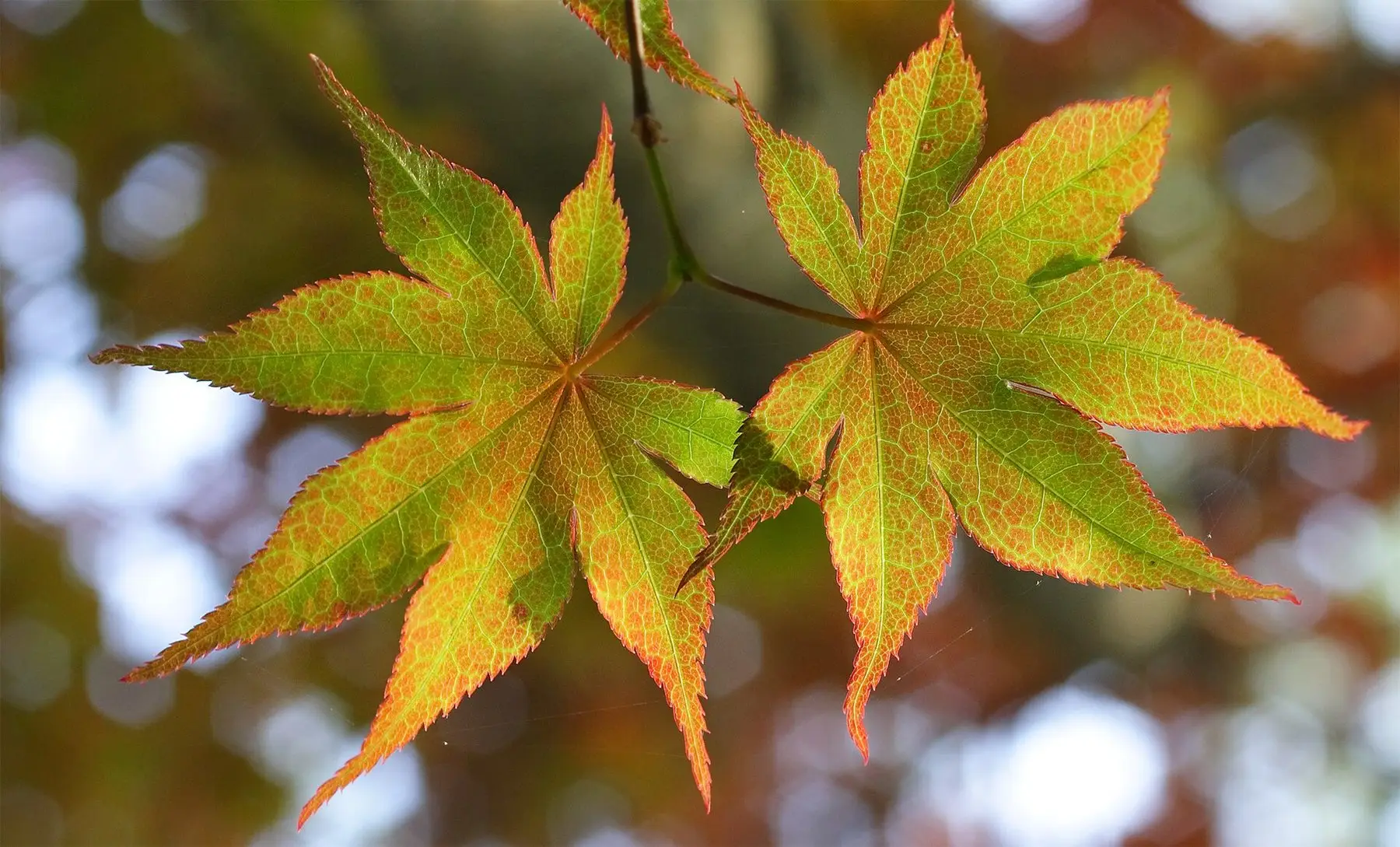
Crisp brown leaf edges are wind and sun, not disease. How to pick between upright and dissected forms, where to plant, and why you should barely prune one.
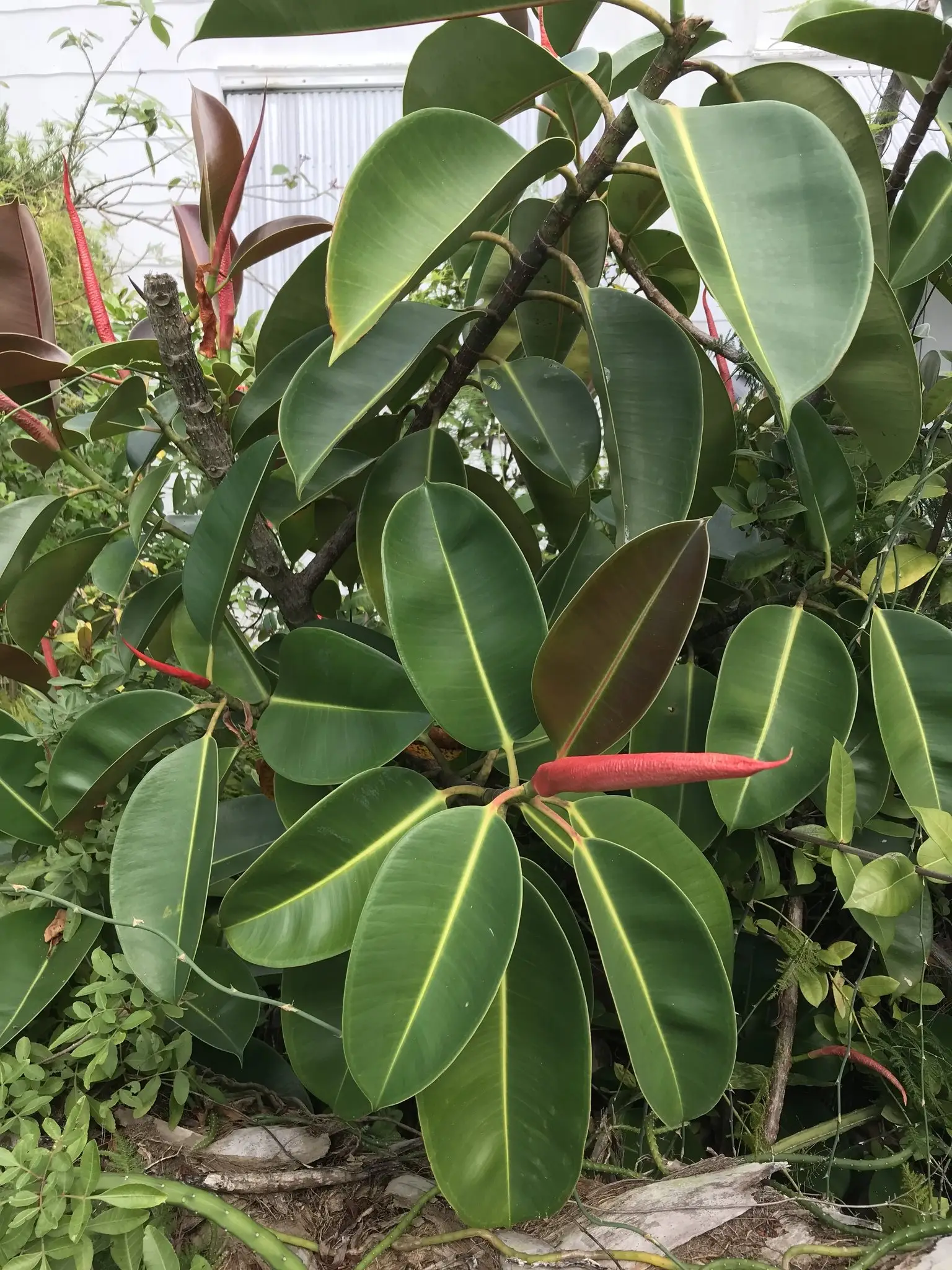
Ficus elastica drops leaves when it is moved, overwatered, or cold — usually all three. What it actually needs indoors, and how to prune one that has gone leggy.
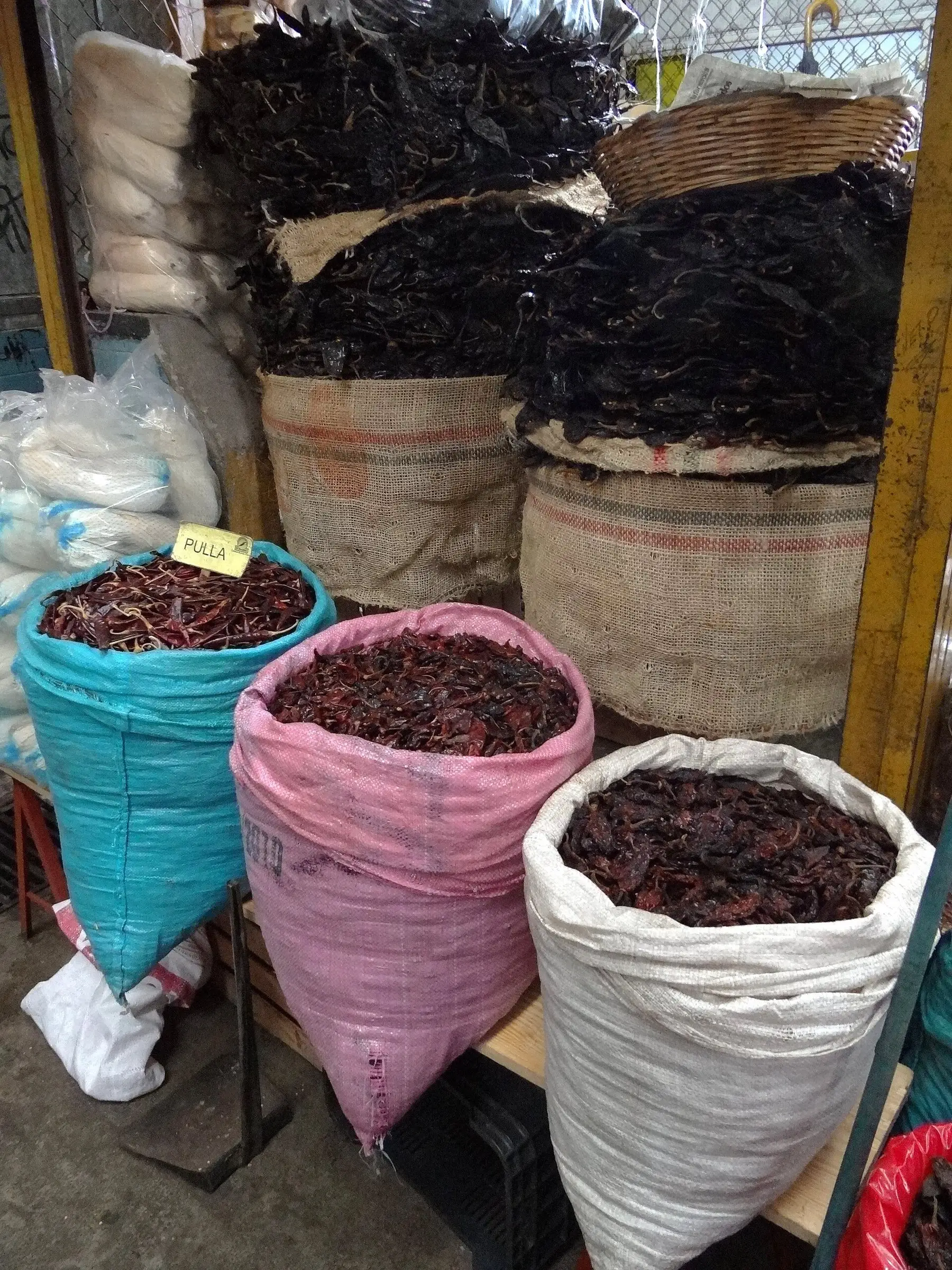
Scoville is only half the story — a habanero and a serrano at similar heat behave completely differently in a pan. Thirty peppers by heat, flavour, and best use.
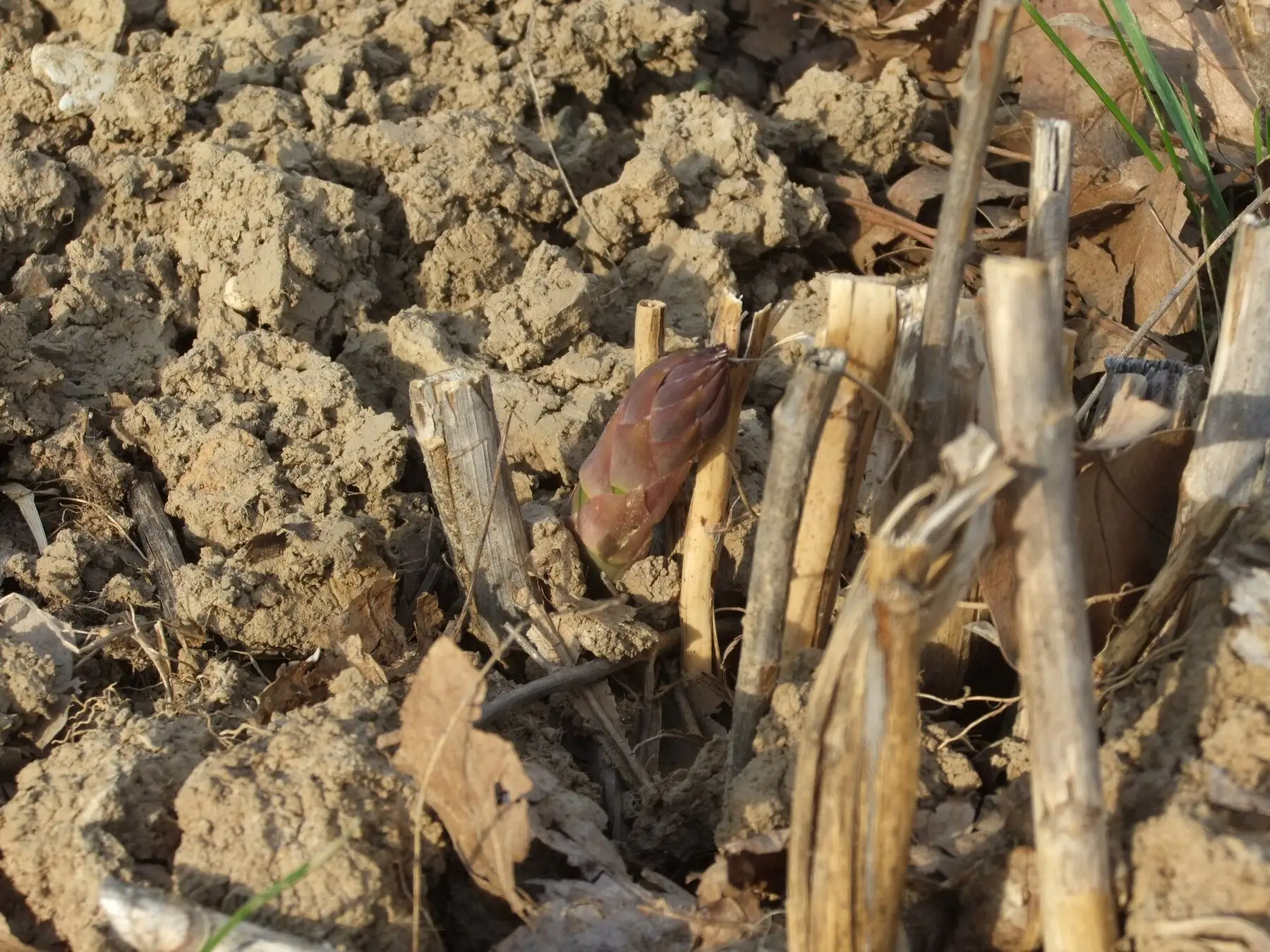
Asparagus is a twenty-year perennial that pays nothing for two seasons. Bed preparation, crowns versus seed, and the cutting discipline that keeps it going.
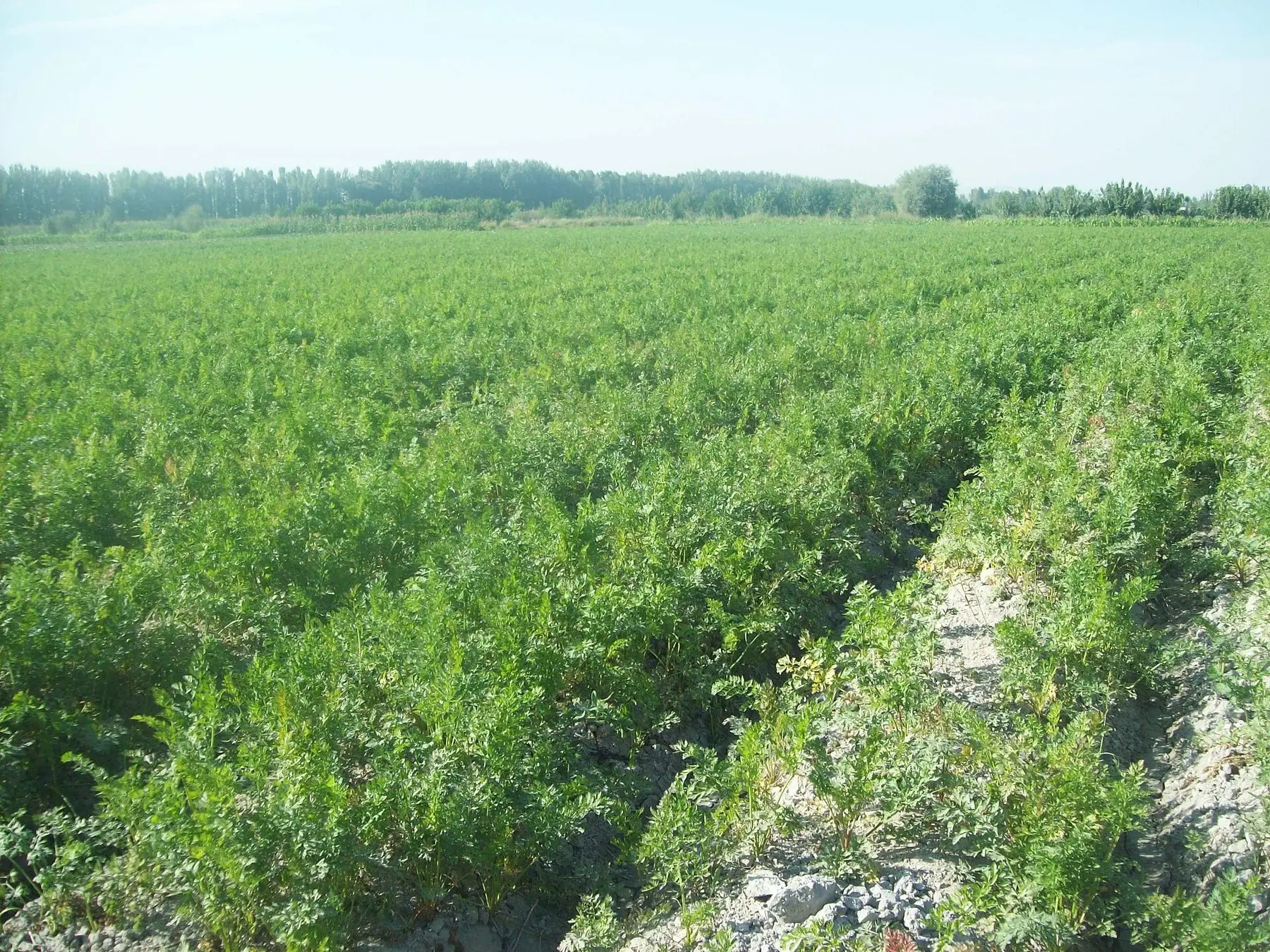
Forked carrots come from obstacles and fresh manure, not bad seed. Sowing direct into stone-free soil, why you should barely thin, and the fly barrier that works.
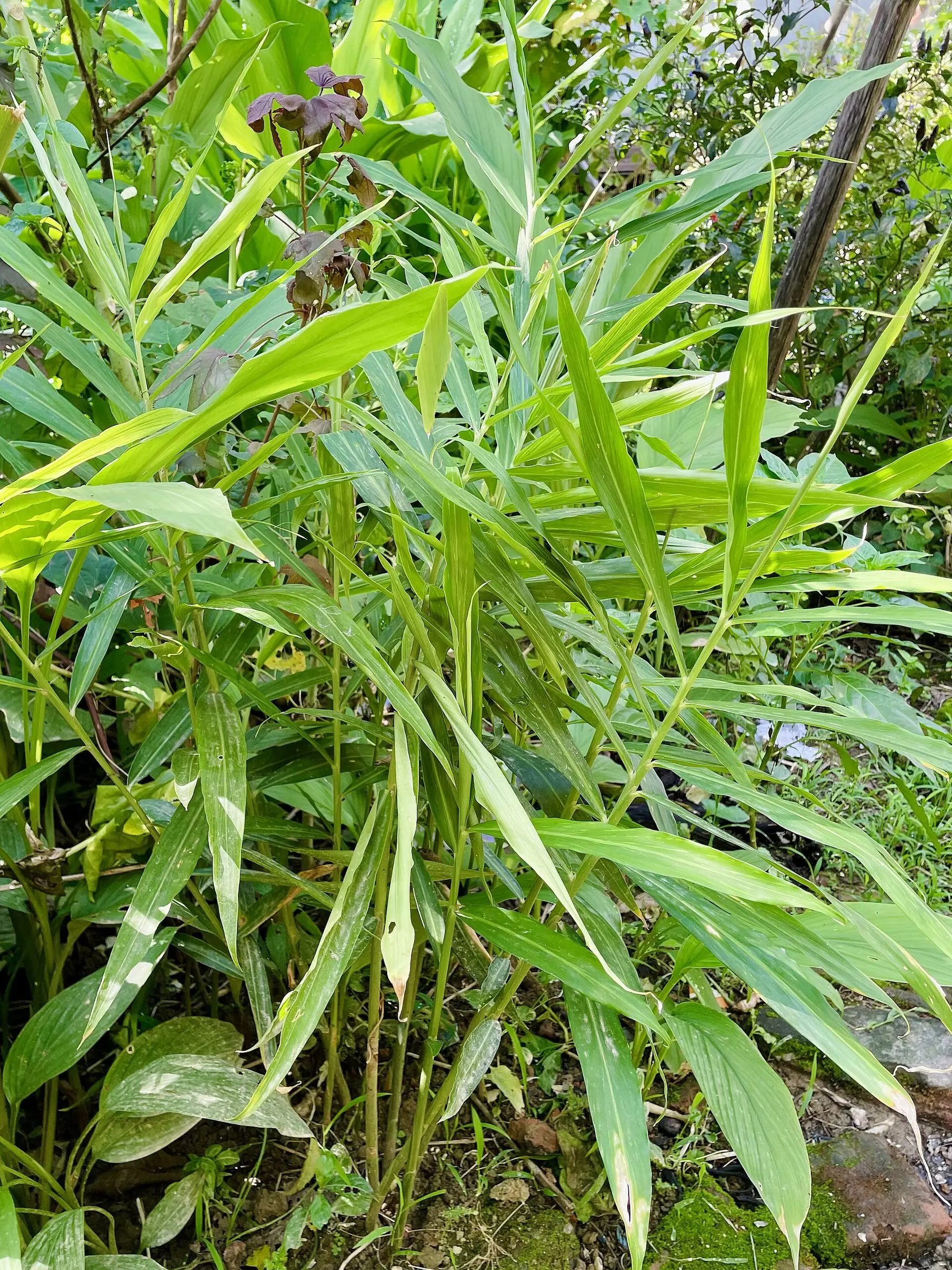
Ginger grows readily from a shop-bought rhizome, given warmth, humidity and a wide shallow pot. Why it sprouts sideways, and the eight to ten months it needs.
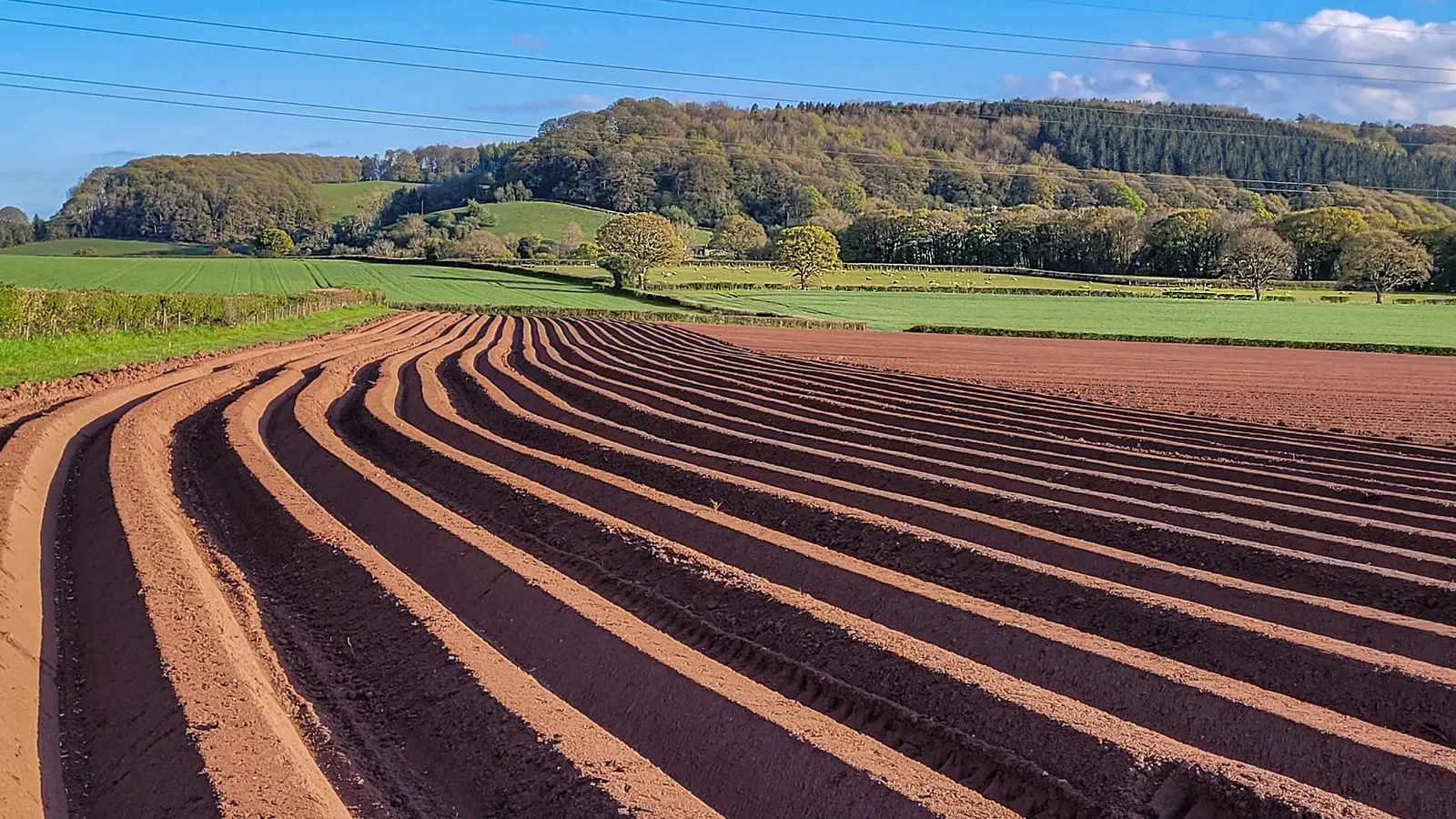
Potatoes form on stem, not roots, which is why you plant them deep and keep burying them. Seed potatoes, timing by variety group, and the mistakes that cost a crop.
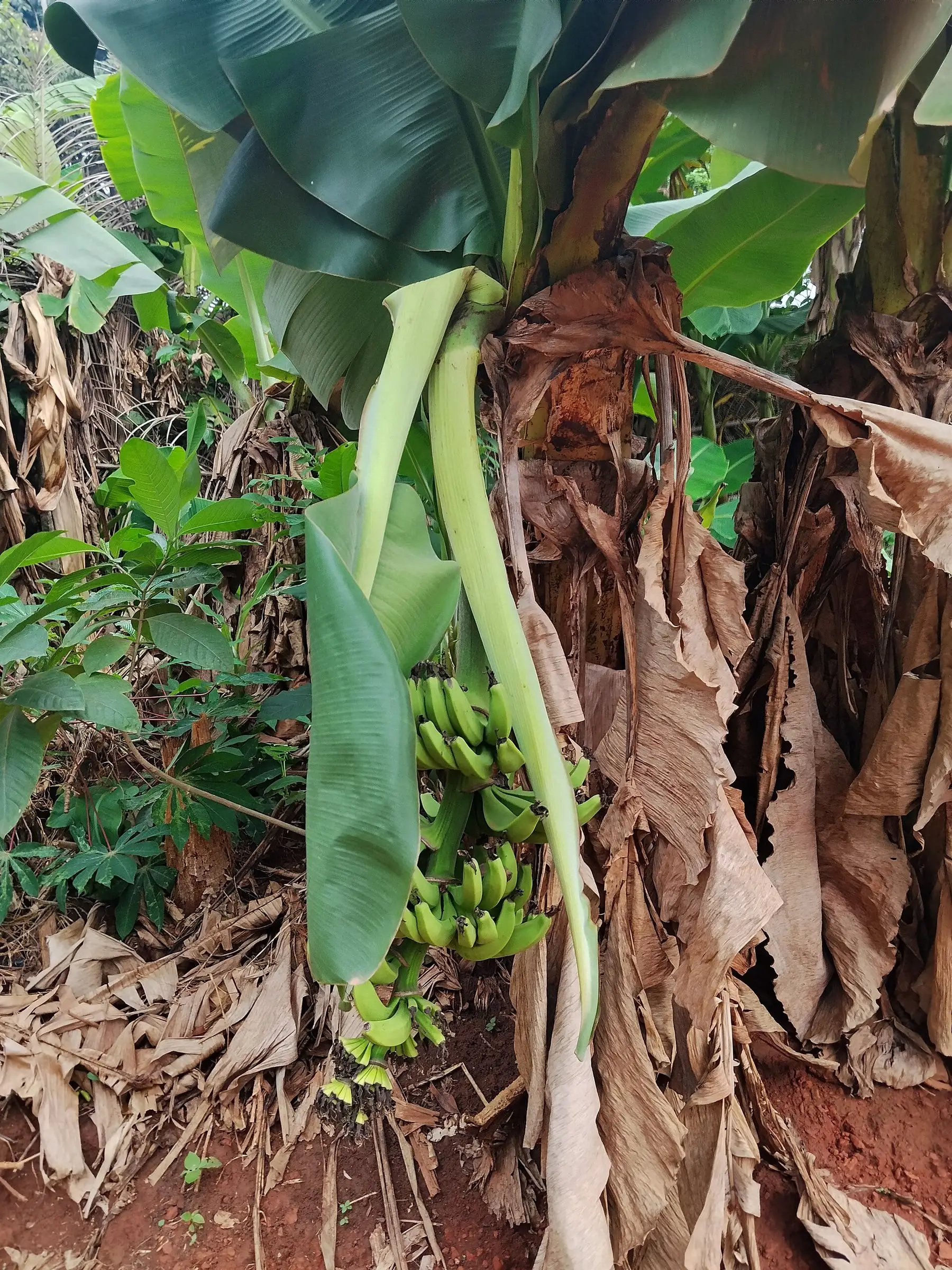
Supermarket bananas are seedless clones, so there is nothing in one to plant. What actually works is a pup or a corm — and a banana is not a tree at all.
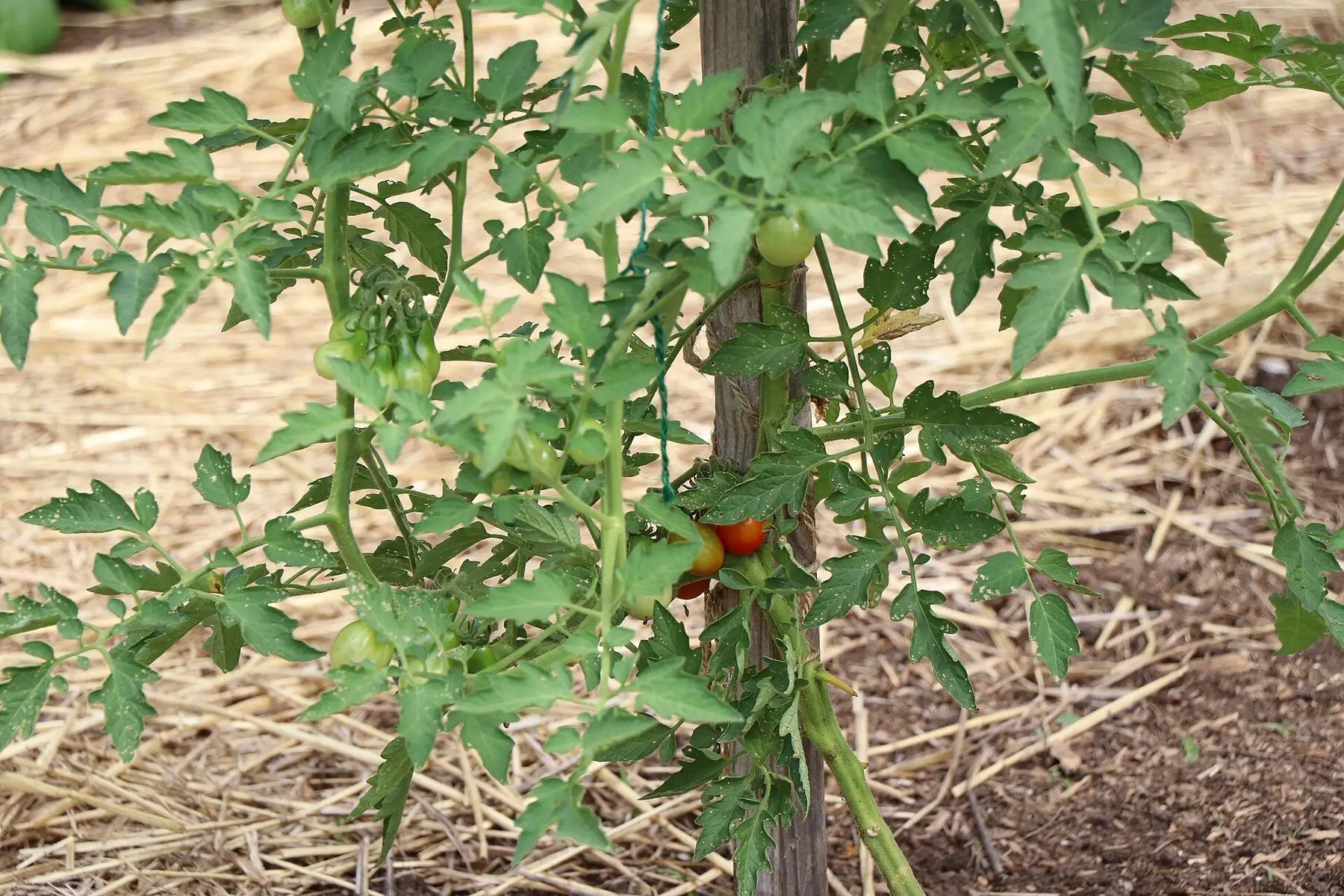
That one word on the seed packet decides your spacing, your pruning, and your harvest shape. Then it is warmth, consistent water, and feeding at the right time.
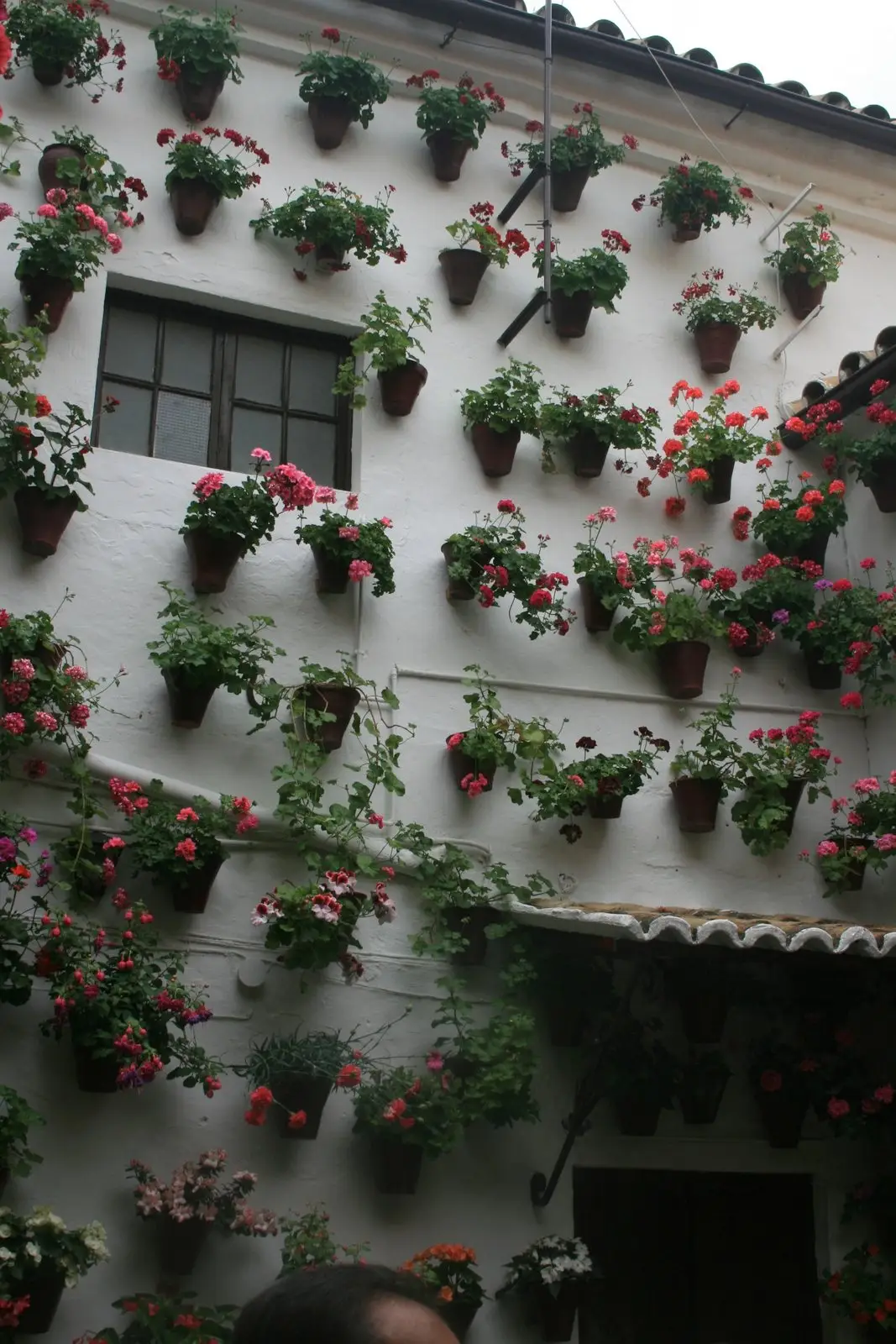
A pot outdoors is a harsher place than the ground — hotter, drier, and colder in winter. How to pick plants and pots that cope, and get through the cold.
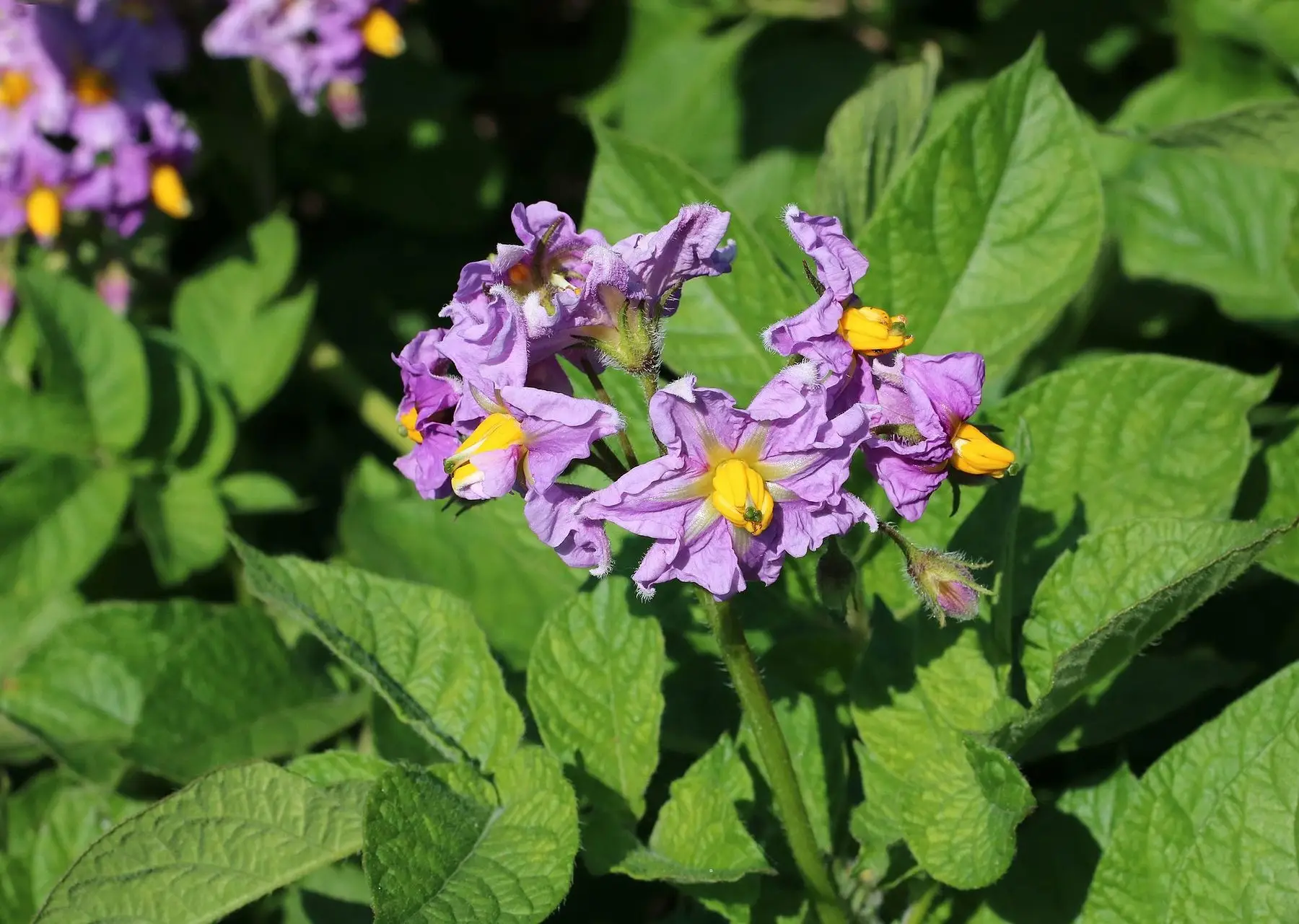
New potatoes come at flowering; storage potatoes need the tops to die back first. How to tell which stage you are at, and how to cure them so they keep.
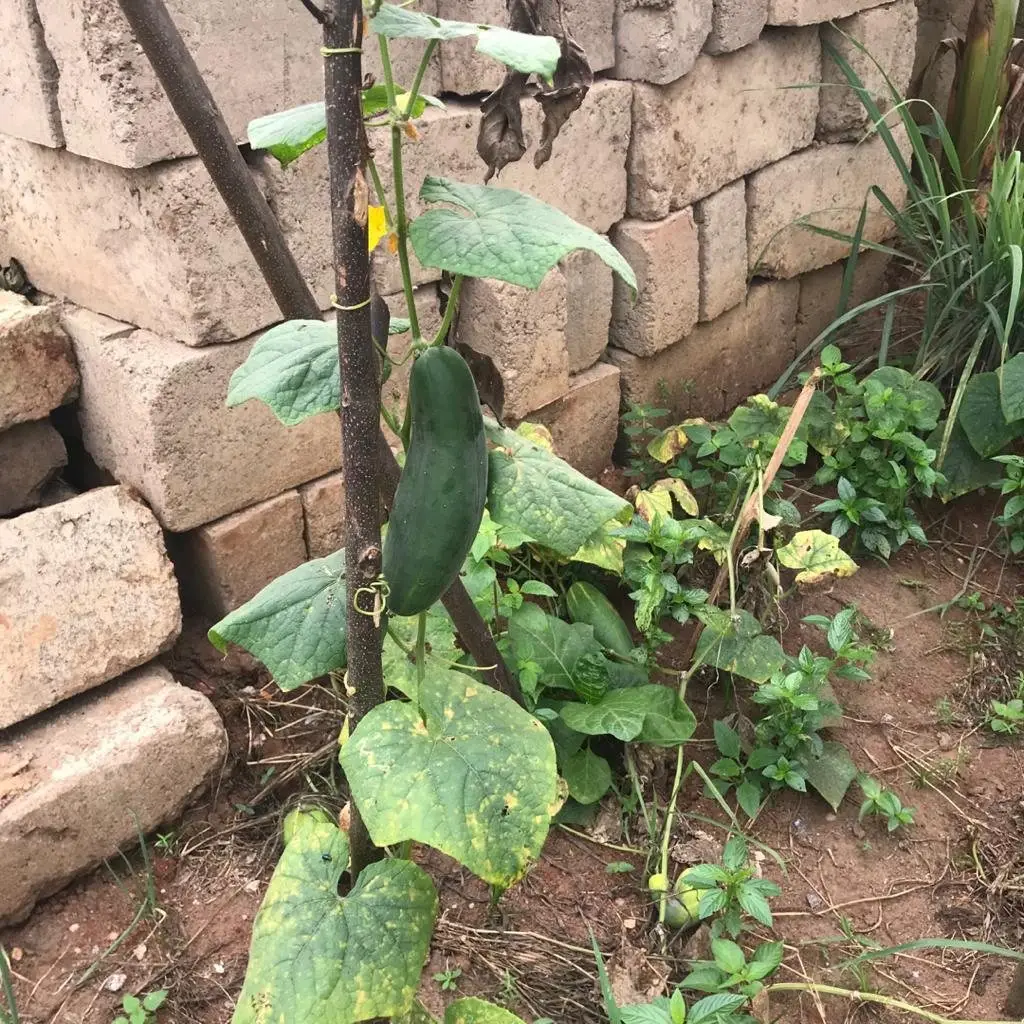
Cucumbers grow well in containers if the pot is big enough and they climb. Pot size, variety choice, and the watering rhythm that prevents bitter fruit.
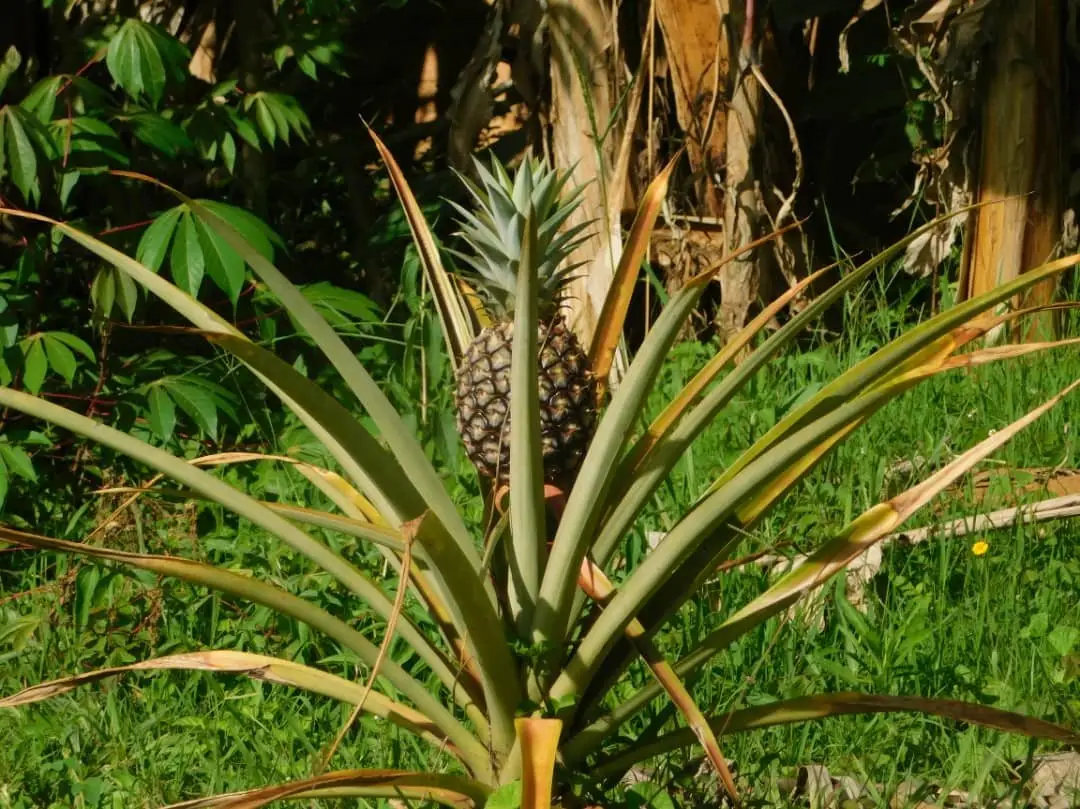
Pineapples do not grow on trees but on a low ground plant, one fruit per plant, from hundreds of flowers fused into one. How they grow, and how long it takes.
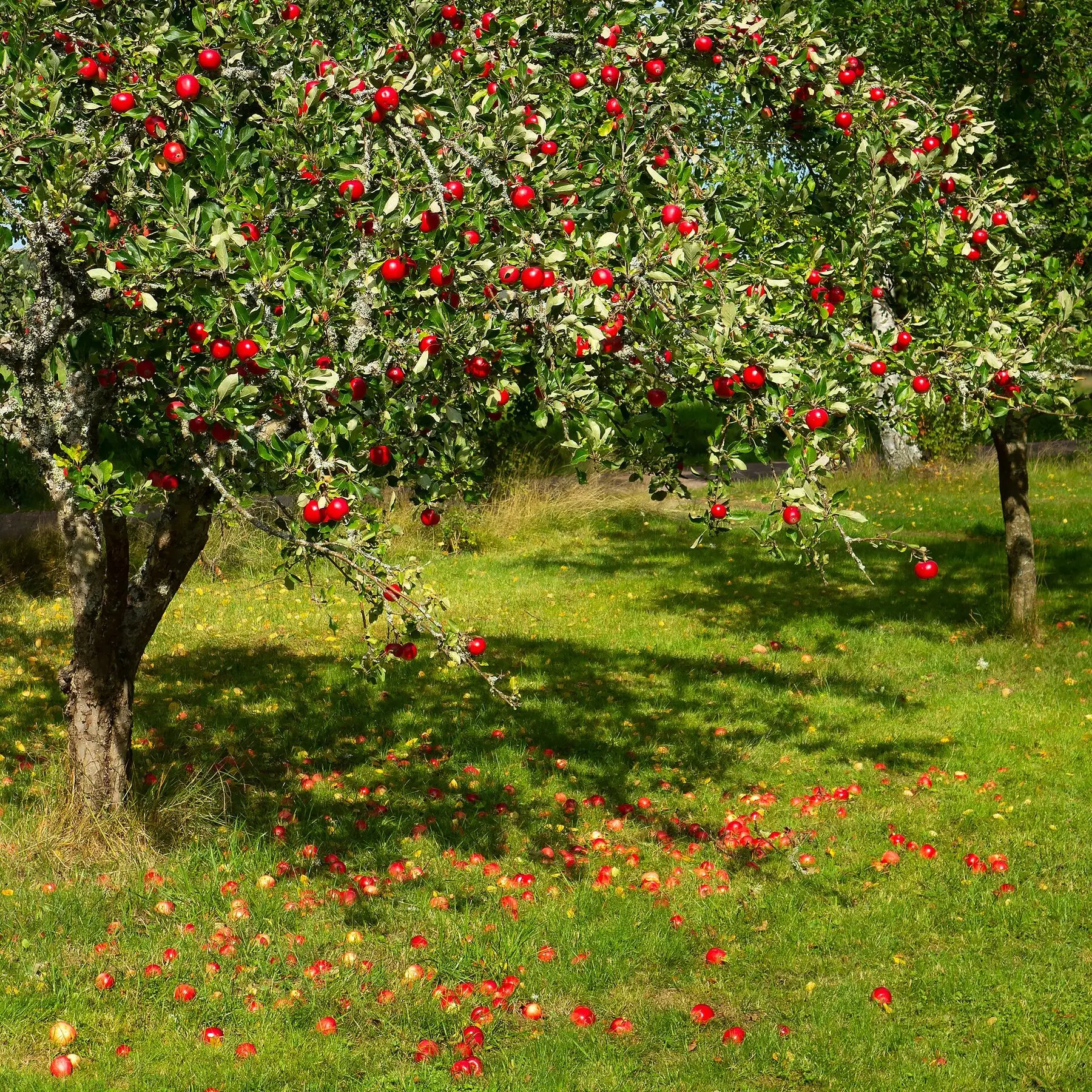
Apple seeds grow, but never into the apple you ate — every seed is a new variety. How to germinate them anyway, and what you will actually get.
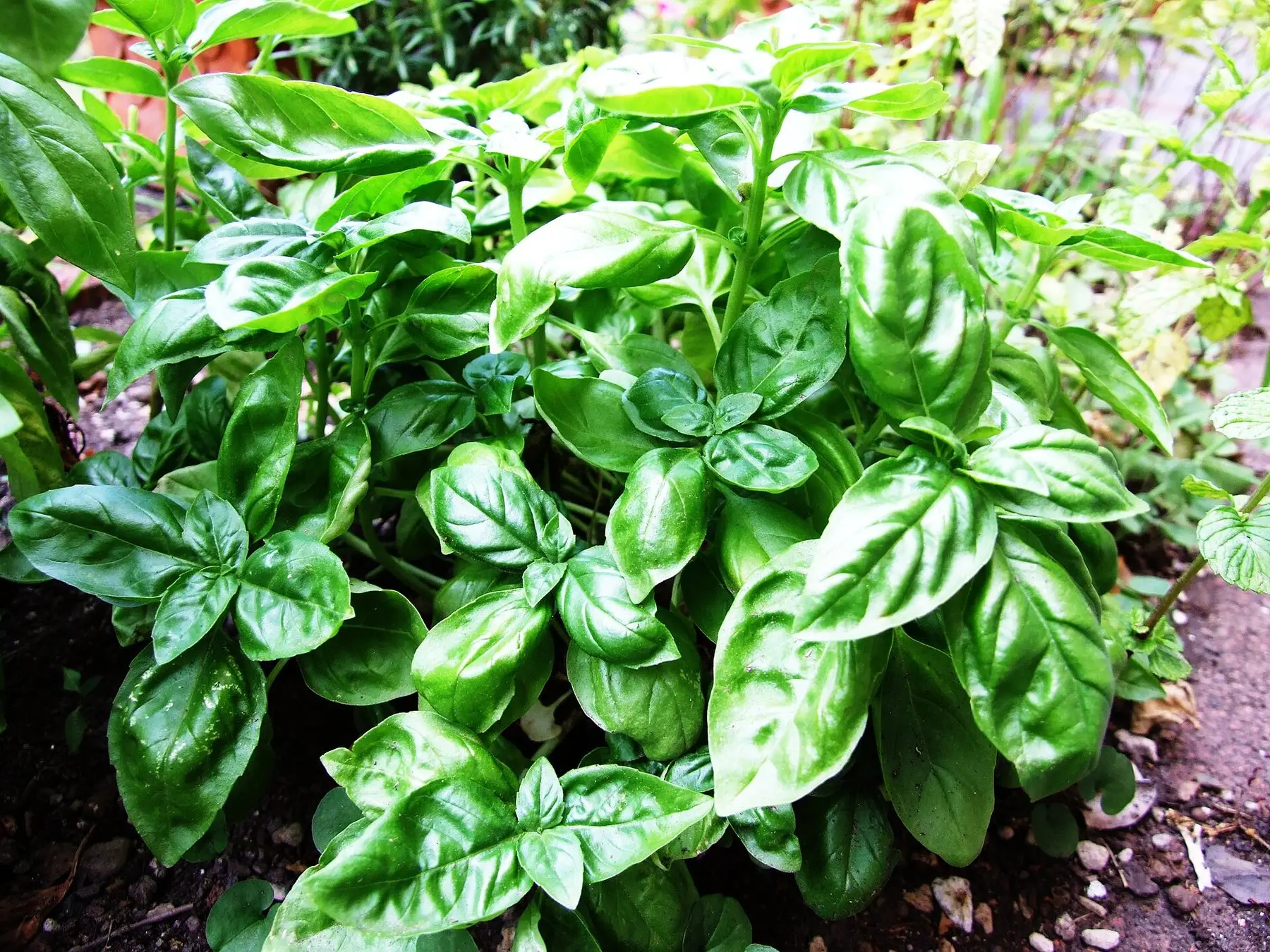
Basil is easy to grow and easy to lose to one mistake — letting it flower. How to sow it, where to put it, and the pinching routine that keeps it producing.
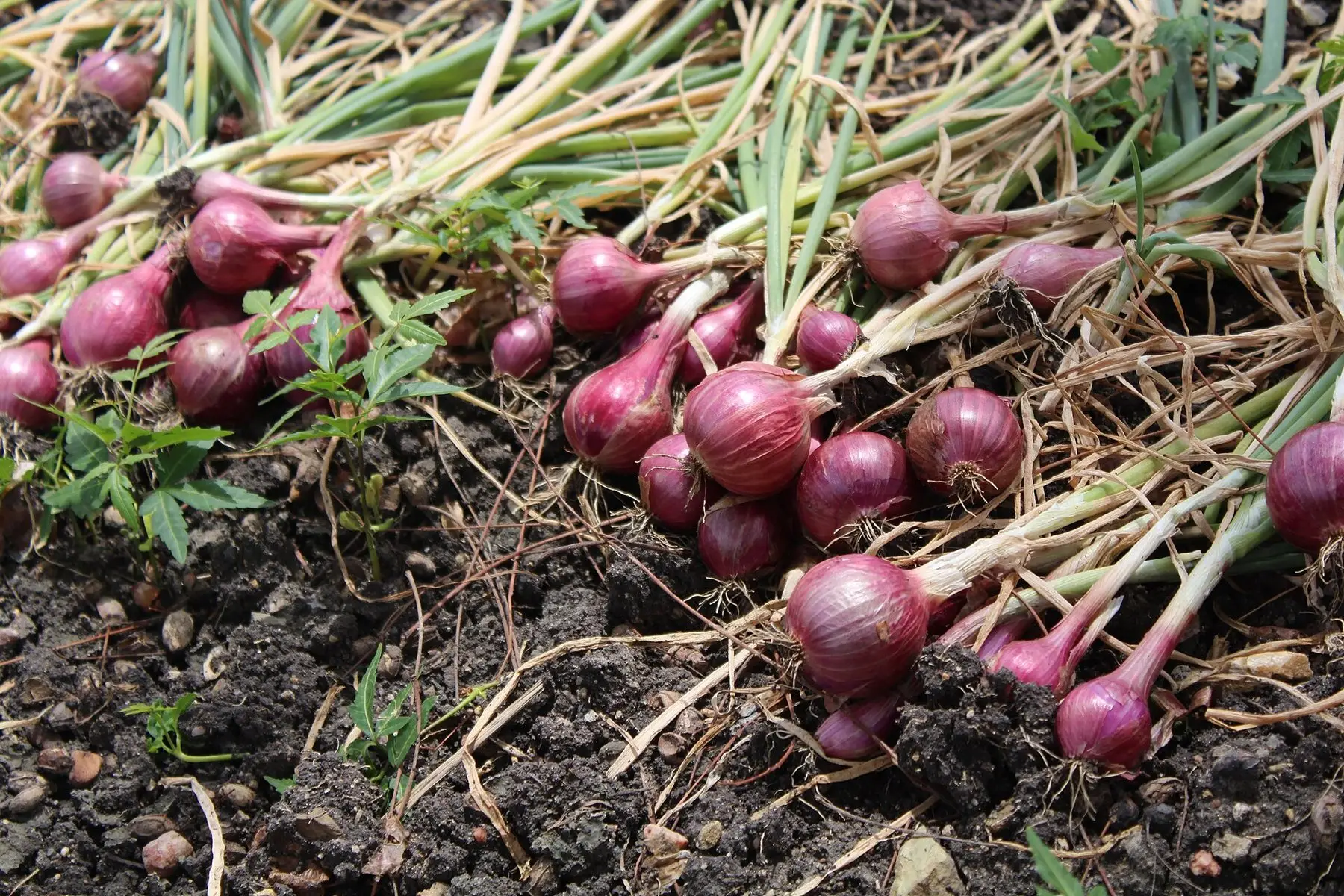
Onions bulb on day length, not on age — so the wrong variety for your latitude never sizes up. How to pick the right type, plant it, and feed it to a full bulb.
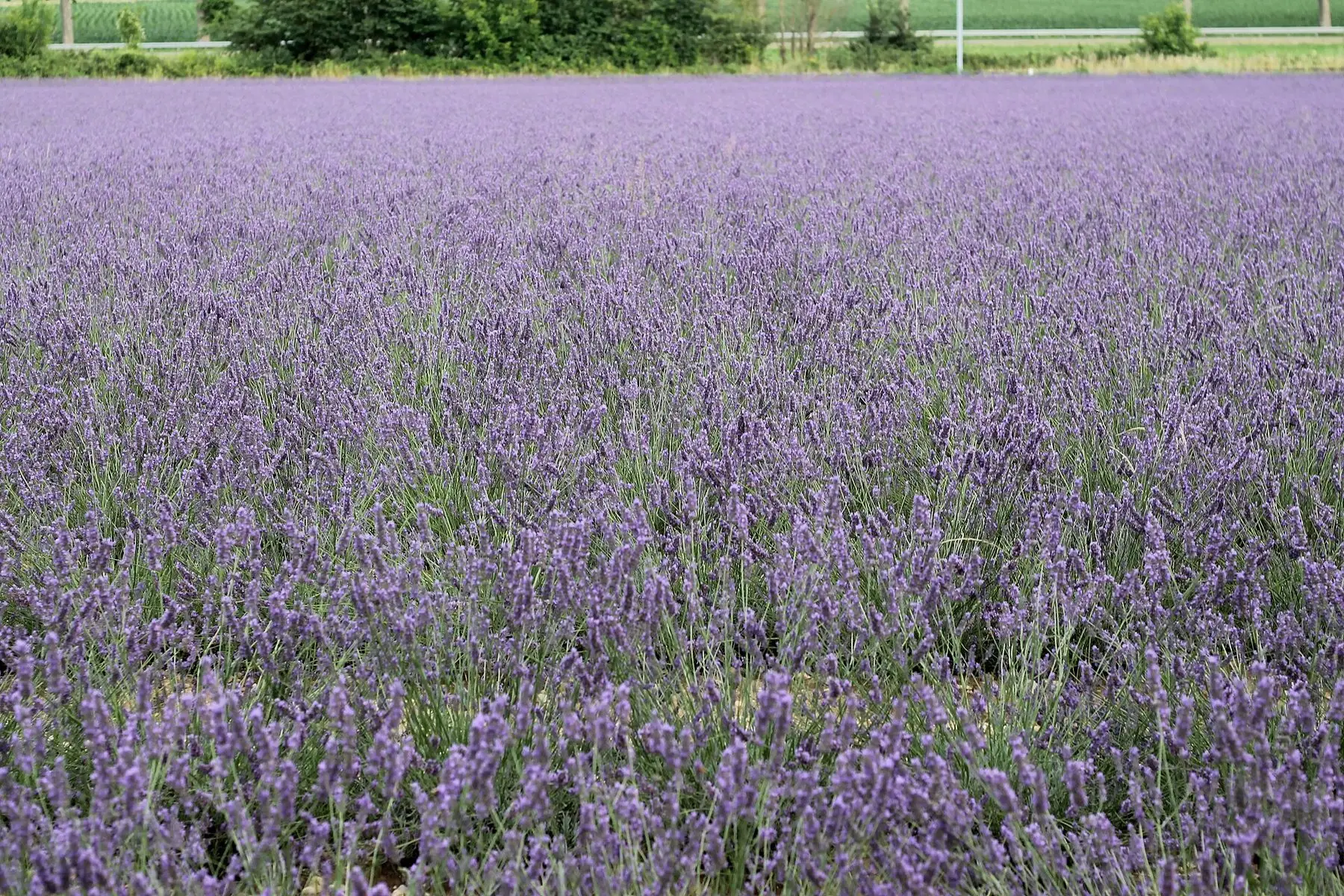
Lavender goes woody and splits open when it is pruned too timidly. The one rule that prevents it, the two cuts a year, and what to do with a plant already leggy.
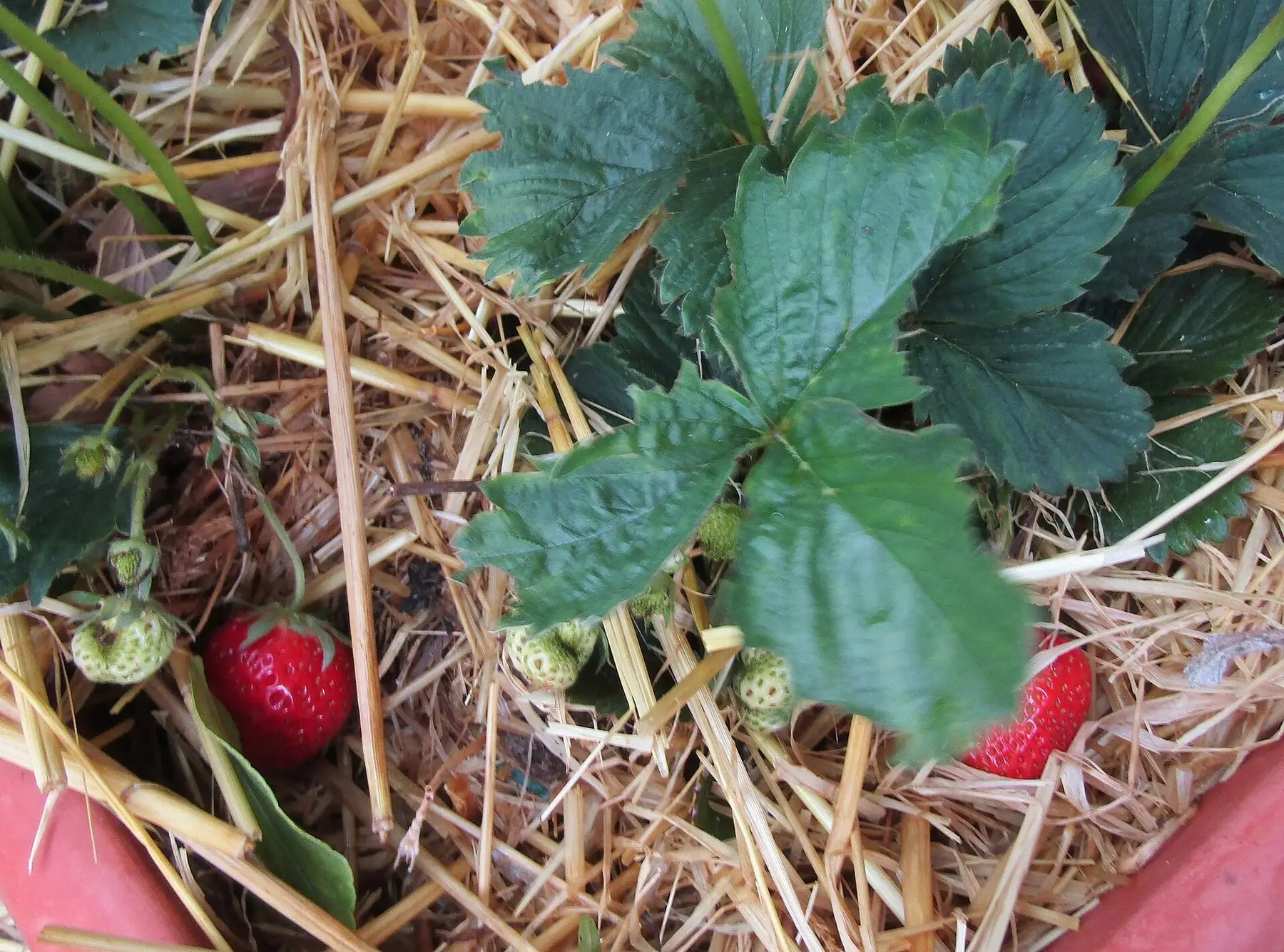
Strawberries are easy to grow and easy to get wrong. Which of the three types to plant, why you pinch the first flowers, and how to keep a bed producing.
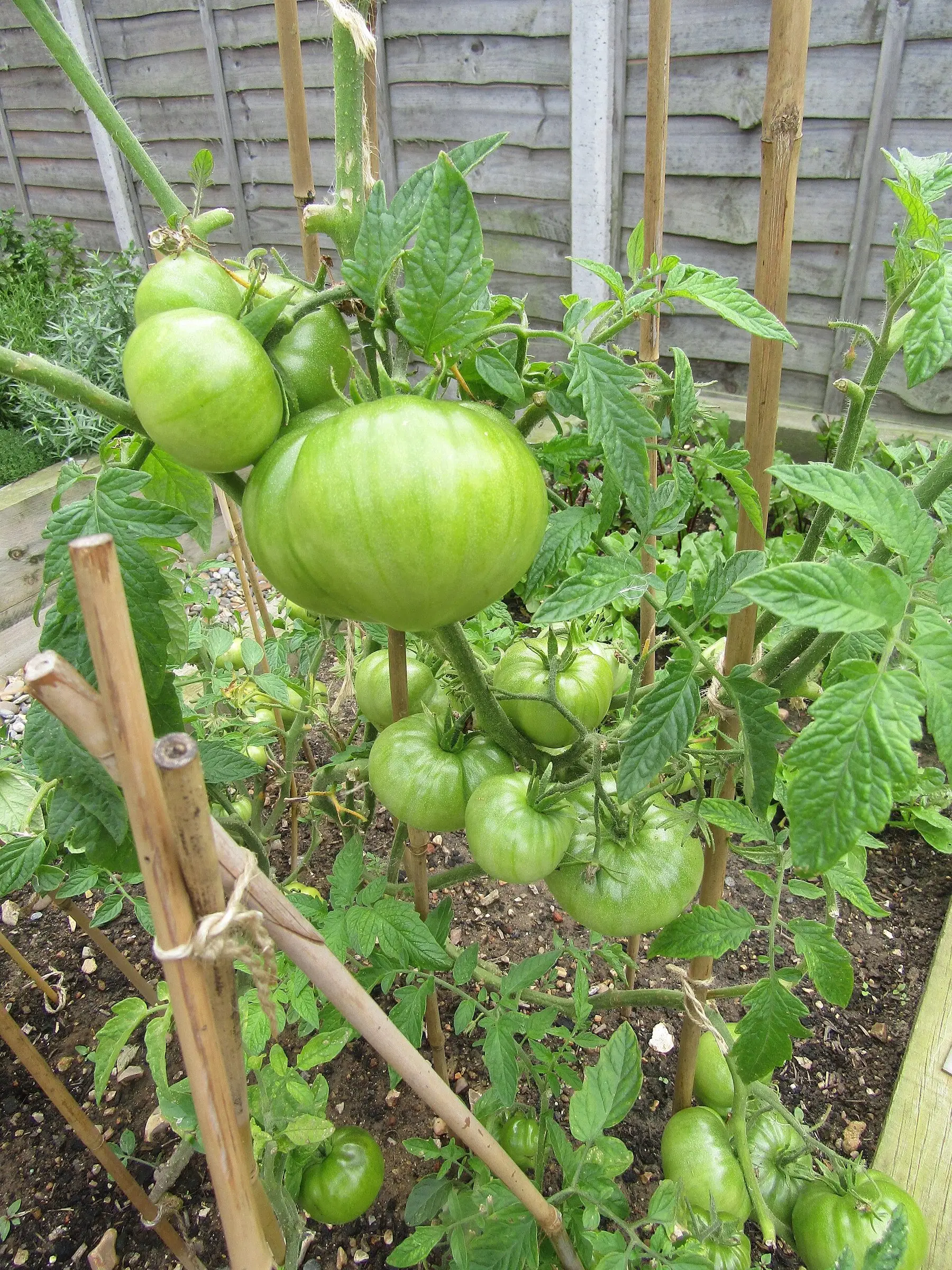
Basil, marigolds, and borage earn their place next to tomatoes. Fennel, potatoes, and brassicas do not. What to plant together, and why each pairing works.
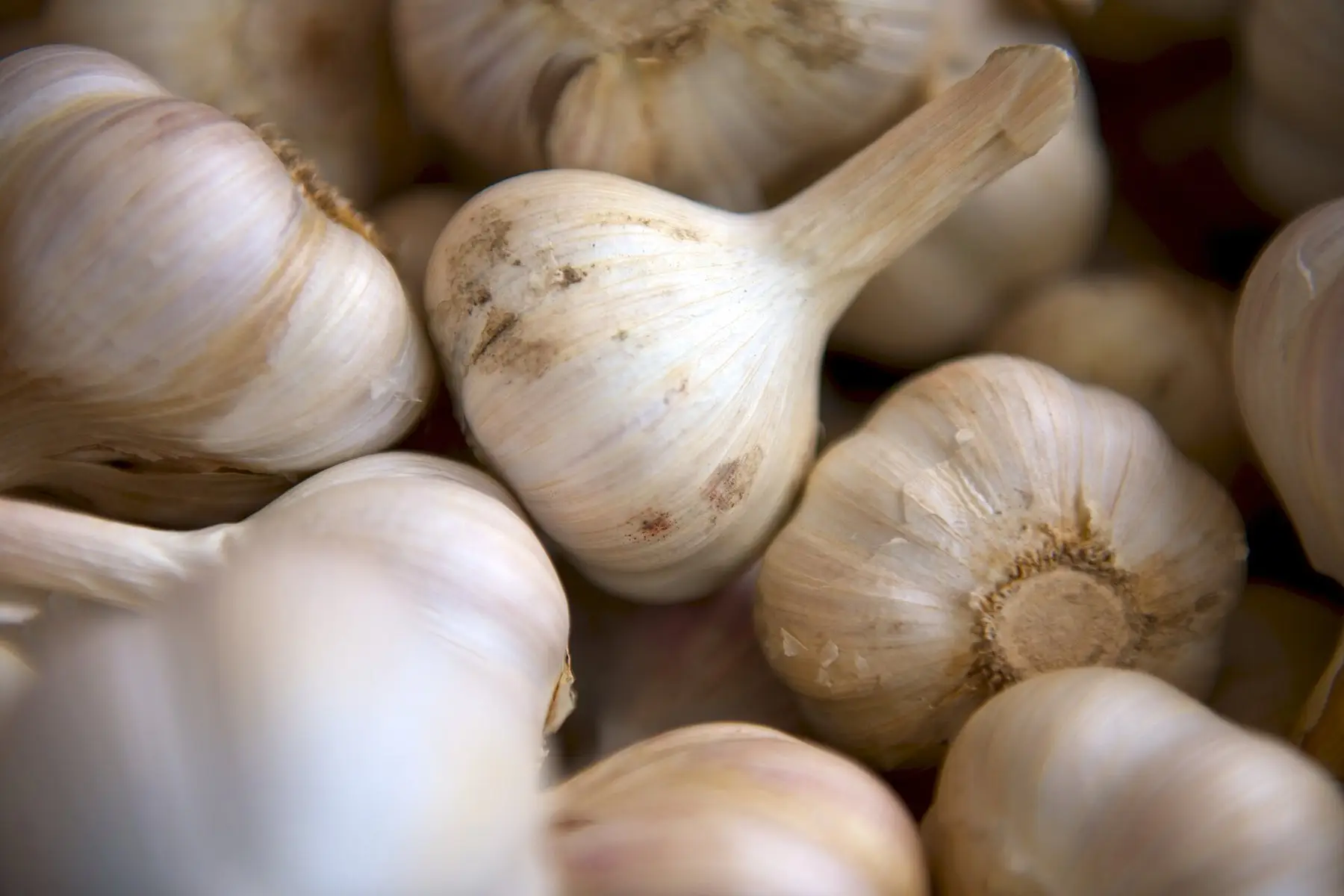
Garlic is the easiest crop in the garden if you plant it at the right time. Here is the full cycle — choosing bulbs, planting depth, mulch, scapes, and harvest.
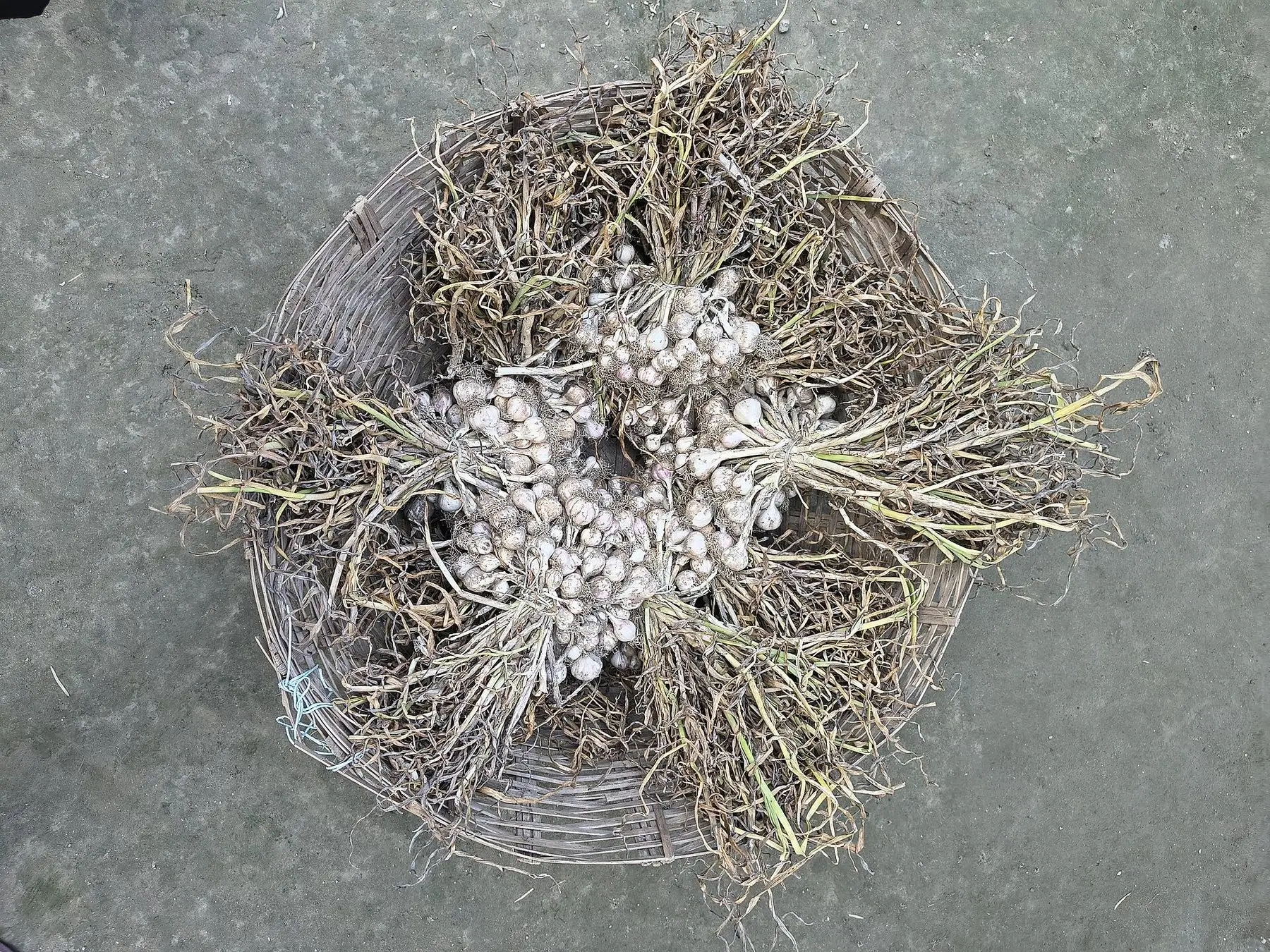
Garlic is ready when three or four lower leaves have browned and five or six are still green — usually July. How to read the plant and test before you dig.
Backyard Weekly
One email a week with seasonal jobs, fixes, and gear worth buying.
Set MONETIZATION.email.endpoint in src/config/site.ts to enable this form.
By subscribing you agree to our privacy policy. Grow In Backyard will never sell your address.
Cookies
We use analytics cookies to see which guides get read, so we know what to write next. Decline and nothing is set. Privacy policy.