Juniper: Choosing One That Fits, and Keeping It Alive
Junipers are near-indestructible in sun and sharp drainage, and doomed in shade or wet soil. Picking a form that suits the space, and the pruning rule that matters.
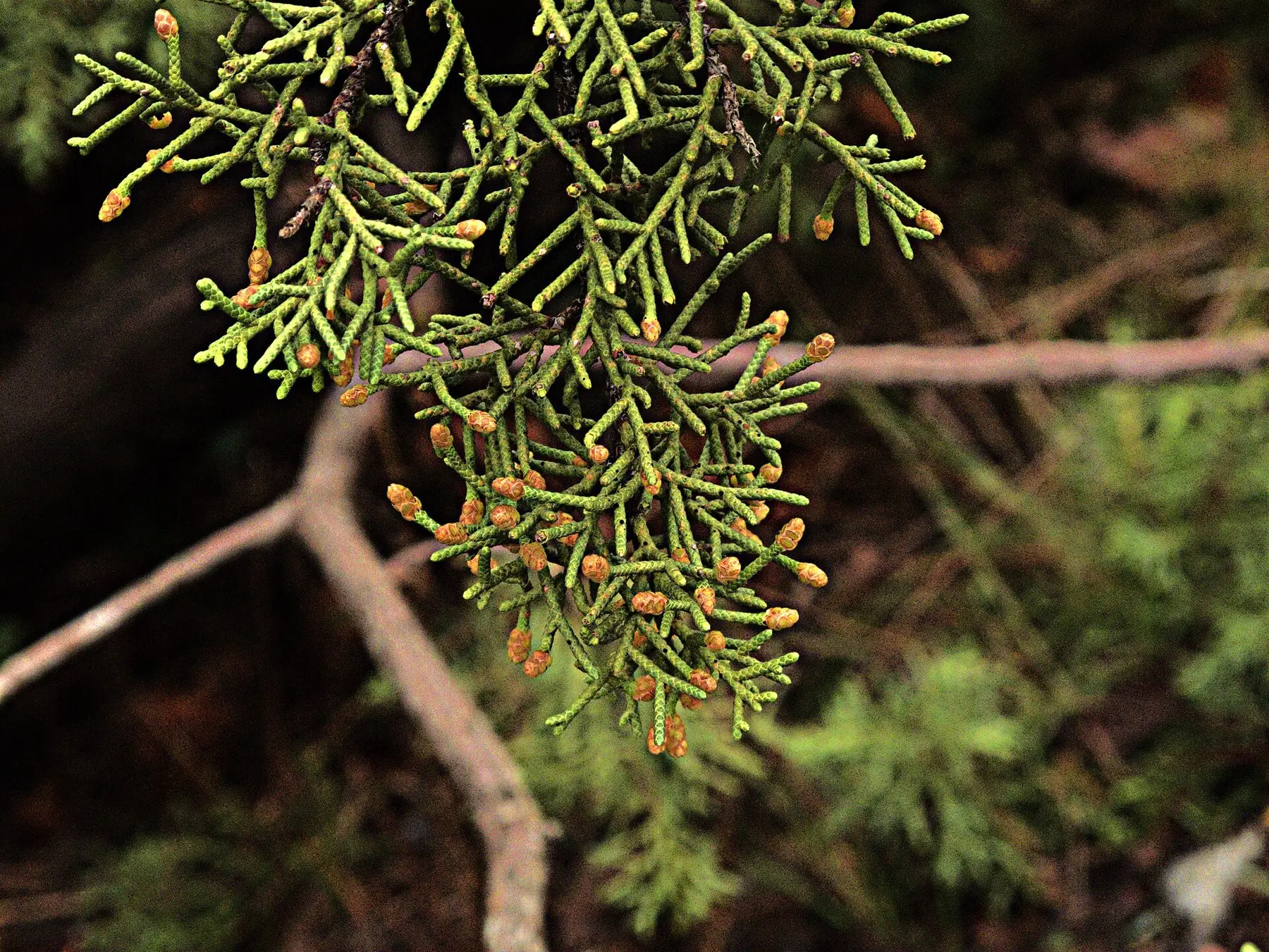
.jpg)
On this page
Junipers have a reputation for being indestructible, and in the right place they very nearly are — poor soil, drought, wind, heat, salt, cold, neglect.
Put one in shade or in ground that stays wet and it dies slowly and unmistakably. Those are the only two things that reliably kill them, and both are decided when you plant.
Pick the form first
Juniperus covers an enormous range, and the label on the pot at the nursery is often just “juniper”. The cultivar name is what tells you the mature size and shape, and getting this wrong is the most expensive mistake available — a Skyrocket planted as a foundation shrub becomes a problem in five years.
| Form | Examples | Mature size | Use |
|---|---|---|---|
| Upright / columnar | ‘Skyrocket’, ‘Blue Arrow’, Eastern red cedar | 15–40 ft × 2–8 ft | Screening, vertical accent |
| Pyramidal | ‘Spartan’, ‘Keteleeri’ | 15–20 ft | Formal, hedging |
| Rounded shrub | ‘Old Gold’, ‘Gold Star’ | 3–6 ft | Borders, foundations |
| Spreading | ‘Pfitzeriana’, Sea Green | 4–6 ft × 8 ft | Banks, large beds |
| Creeping / prostrate | ‘Blue Rug’, ‘Bar Harbor’, ‘Wiltonii’ | 6 in × 6–8 ft | Ground cover, over walls |
| Dwarf | ‘Nana’, ‘Blue Star’ | 1–3 ft | Rockeries, containers |
Creeping junipers are the most useful and most under-used of these. A ‘Blue Rug’ stays ankle-high and spreads eight feet, holds a bank against erosion, needs nothing, and suppresses weeds. They are excellent tumbling over a retaining wall or through a rock garden.
Siting
- Full sun. Six hours minimum. This is not negotiable — a juniper in part shade thins, opens up, loses its colour and gradually declines, and it takes a few years to become obvious.
- Free-draining soil. Sandy, stony, poor, alkaline — all fine. Heavy clay that holds water is the problem.
- Wind, salt, heat, cold — largely irrelevant. Junipers handle exposure better than almost any other ornamental conifer.
On heavy soil, plant on a raised mound or improve drainage substantially before planting. As with rosemary, the failure mode is roots sitting wet, and it cannot be corrected afterwards.
Water and feeding
Water through the first growing season so the roots establish. After that, an established juniper needs watering only in prolonged drought.
Feed rarely or never. Junipers evolved on poor ground. A light feed in spring for a young plant is plenty; regular feeding produces soft growth that flops and is more attractive to pests.
Browning juniper: check the soil before watering it
The classic sequence is a juniper going brown, the owner concluding it is thirsty, and more water finishing off roots that were already rotting. Dig down three or four inches. If the soil is damp, the problem is drainage, not drought — and the correct response is to stop watering, improve drainage, and hope.
Pruning: the dead zone rule
Junipers have a dead zone — an interior region of brown, bare stems with no green foliage and no dormant buds. Cut back into it and it stays bare permanently.
So:
- Prune only into growth that still carries green needles.
- Take small amounts, and prune in late winter or early spring.
- Shape while young. Light annual trimming keeps a plant dense and in bounds; a mature juniper that has outgrown its space usually cannot be reduced, only replaced.
- Remove dead, damaged or crossing branches at any time, cutting back to a live junction.
If you find yourself wanting to cut a juniper back by half, the honest answer is almost always that the wrong cultivar was planted, and the plant should come out.
Diagnosing problems
| Pattern | Likely cause | Action |
|---|---|---|
| Whole plant browning, damp soil | Root rot from waterlogging | Improve drainage; often terminal |
| Browning from the interior, autumn | Normal old-needle shed | Nothing |
| Brown on the windward or sunny side, winter | Winter burn | Shelter; anti-desiccant on exposed sites |
| Fine stippling, webbing, dusty look | Spider mite | Hose down; miticide if severe |
| Sudden dieback of whole branches | Phomopsis or Kabatina blight | Cut out well below, sterilise tools |
| Orange gelatinous growths in spring | Cedar-apple rust | Remove galls; avoid planting near apples |
| Thin, sparse, floppy growth | Too much shade | Move it, or accept it |
Junipers and apple trees are a bad combination
Cedar-apple rust needs both hosts to complete its life cycle: it forms orange gelatinous galls on junipers in spring, then infects apples and crabapples nearby. The juniper is barely harmed; the apple tree can be badly affected. If you grow apples, avoid planting susceptible junipers within a few hundred feet, or choose a resistant cultivar.
Berries, and a caution
The “berries” are actually fleshy cones, taking two to three years to ripen, and only female plants produce them.
Juniperus communis berries are the ones used in gin and with game, and are safe in culinary quantities. Other species vary, and some are toxic — Juniperus sabina in particular contains compounds that are genuinely harmful.
Do not eat berries from an unidentified ornamental juniper. If you want them for the kitchen, buy a plant labelled J. communis specifically.
Common questions
Why is my juniper turning brown?
How much sun does a juniper need?
Can you prune a juniper hard?
What is the difference between a juniper tree and a juniper bush?
Do junipers need much water?
Are juniper berries edible?
Backyard Weekly
Know what to plant, week by week
Free planting calendar. Join the weekly email for seasonal jobs, fixes for what is going wrong, and gear worth buying.
Set MONETIZATION.email.endpoint in src/config/site.ts to enable this form.
By subscribing you agree to our privacy policy. Grow In Backyard will never sell your address.
Keep reading
Japanese Maple: Choosing One, Siting It, and Leaf Scorch
Crisp brown leaf edges are wind and sun, not disease. How to pick between upright and dissected forms, where to plant, and why you should barely prune one.
Rock Garden Ideas That Look Like They Belong There
The difference between a rockery and a pile of stones is drainage and burial. How to set rock so it reads as outcrop, and what actually survives in it.
Front Yard Landscaping Ideas That Last Past Year Three
Most front yard makeovers look best the week they are finished. These nine ideas are chosen for what they look like after three seasons of real maintenance.
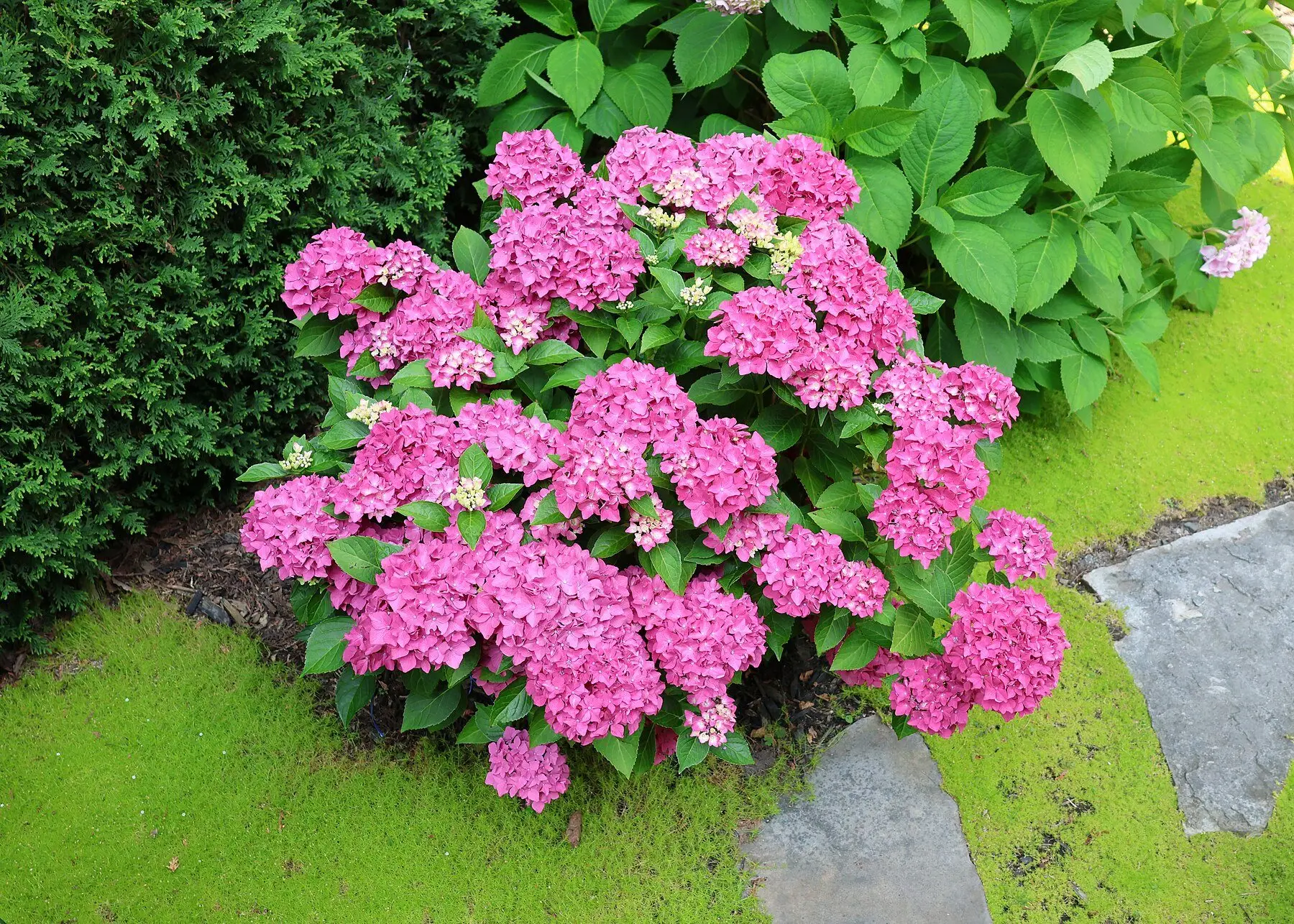
How to Grow Hydrangeas: Where to Plant and When to Prune
Morning sun, afternoon shade, and never let them dry out. Which type you have decides when to prune — and getting that wrong is why hydrangeas stop flowering.