How to Grow Rosemary: Drainage First, Water Almost Never
Rosemary is killed by wet roots far more often than by cold. Soil, siting, the pruning rule that avoids dead patches, and overwintering in a cold climate.
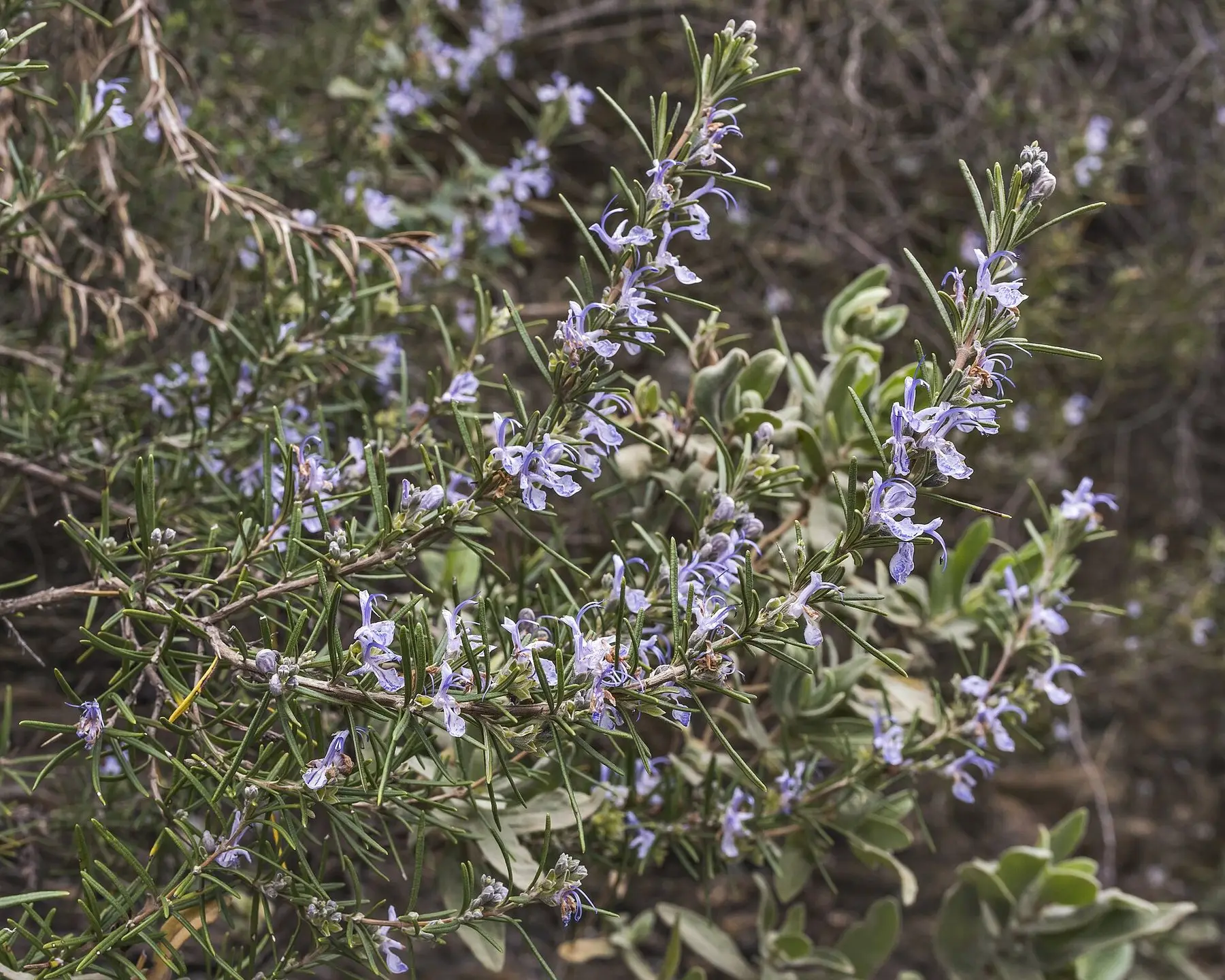

On this page
Almost every rosemary that dies in a garden dies of wet roots, and almost every one of those is watered again shortly before it goes, because the symptoms look like drought.
Greying foliage, drooping tips, browning from the inside out. It reads as thirst. It is usually the opposite.
Where it comes from, and why that matters
Rosemary grows wild on dry, stony, sun-baked Mediterranean hillsides, in thin soil, with rain in winter that drains away instantly through rock.
Every piece of advice below is an attempt to reproduce that in a garden that is probably wetter, richer and flatter.
- Sun: six hours minimum, more is better.
- Soil: free-draining, poor, slightly alkaline. It does not want improving.
- Water: almost none, once established.
- Feed: none.
Treating rosemary well is what kills it. Treating it meanly produces a dense, aromatic, long-lived shrub.
Drainage, before anything else
On heavy or clay soil, do one of these before planting:
- Dig in sharp grit or coarse sand generously — a third by volume is not excessive.
- Plant on a raised mound, six inches or so above the surrounding level.
- Use a raised bed, which solves it outright. See building one.
- Grow it in a pot, which gives complete control.
Then plant slightly high, so water runs away from the crown, and mulch with gravel or grit. An organic mulch holds damp against the stem, which is exactly the condition that rots it.
Dying rosemary is nearly always overwatered
Wet roots stop functioning, the plant cannot move water, and the foliage greys and browns — which looks precisely like drought stress. The instinct is to water. Check the soil three inches down before you do: if it is damp, the problem is not thirst, and more water will finish the plant.
In a container
The right answer in cold or wet climates, and a good one anywhere.
- Terracotta, ideally — it breathes and dries the rootball out between waterings.
- Compost plus a third grit or perlite.
- Generous drainage holes, and never a saucer with water in it.
- Water when the top inch or two is genuinely dry — weekly at most in high summer, monthly or less in winter.
- Feed once in spring, lightly, or not at all.
Pruning: the one rule
Never cut into bare wood. Rosemary does not reliably produce new shoots from old leafless stems, so a hard cut into a woody branch usually leaves a permanent dead section.
So:
- Prune after flowering, in late spring or early summer.
- Take no more than about a third.
- Cut only into stems that still carry green leaves.
- Trim little and often from a young age rather than waiting for the plant to sprawl.
This is the same discipline as pruning lavender, and for the same botanical reason.
A rosemary that has already gone leggy and bare at the base cannot really be renovated. Take cuttings from it and start again — which is why the cuttings step is worth doing before you need it.
Overwintering
Established rosemary is hardy to roughly 15 to 20°F, and hardier varieties such as Arp and Hill Hardy go lower. But hardiness figures assume dry roots. The same plant in cold, waterlogged soil dies at temperatures it would shrug off in a gravelly bed.
So in a cold climate:
- Ground plants: a sunny sheltered spot, sharp drainage, gravel mulch. Fleece in an extreme snap.
- Container plants: move against a house wall or into an unheated greenhouse or porch, and above all keep them out of winter rain. Cold and dry is survivable; cold and sodden is not.
Harvesting and propagating
Harvest year round. Cut sprigs from the tips as needed — that doubles as the light trimming the plant wants. Flavour is strongest just before flowering.
Propagate from semi-ripe cuttings in early summer: 3 to 4 inches, lower leaves stripped, into a gritty mix, kept just moist. They root readily.
Do this every few years as a matter of routine. Rosemary becomes woody and sparse after four to six years, and a young replacement already growing is a far better position than a leggy plant you are trying to rescue.
Step by step
- Time
- P365D
- Cost
- $12
- You need
- A rosemary plant or cuttings, Sharp grit, perlite or coarse sand, Gravel for mulch
- Tools
- Spade or trowel, Secateurs, A pot with generous drainage holes
Give it the sunniest, driest spot you have
Rosemary is a Mediterranean shrub from dry, stony hillsides. It wants at least six hours of direct sun and free-draining soil, and it will tolerate poor, thin ground indefinitely. Shade produces sparse, soft, floppy growth with little aroma.
Improve drainage before planting, not after
On heavy or clay soil, dig in a generous quantity of sharp grit or coarse sand, or plant on a raised mound or in a raised bed. Wet roots in winter kill far more rosemary than frost does, and there is no fixing it once the plant is in.
Plant slightly high and mulch with gravel
Set the plant a little proud of the surrounding soil so water drains away from the crown, and mulch with gravel or grit rather than compost or bark. Organic mulch holds moisture against the stem, which is the last thing rosemary wants.
Water only while establishing, then leave it alone
Water new plants through their first summer. After that, an established rosemary in the ground rarely needs watering at all except in a prolonged drought. Overwatering is the most common way gardeners kill it.
Prune lightly after flowering, and never into bare wood
Trim by no more than about a third, cutting only into growth that still carries green leaves. Rosemary does not reliably regrow from old bare wood, so a hard cut into a woody stem leaves a permanent dead patch.
Feed rarely, if at all
Rosemary evolved on poor soil, and rich feeding gives soft, sappy growth that flops, tastes weaker and is far less hardy through winter. An established plant in the ground needs nothing; a container plant takes a light feed once in spring.
Take cuttings in early summer as insurance
Semi-ripe cuttings a few inches long, lower leaves stripped, root readily in a gritty mix. Rosemary plants become woody and unproductive after four to six years, so keeping a young replacement coming is worth the small effort.
Protect container plants over winter
In cold regions, move pots against a sheltered wall or into an unheated greenhouse, and above all keep them out of winter rain. A rosemary in a saucer of water in February is a dead rosemary in March, regardless of how mild the winter is.
Common questions
Why is my rosemary dying?
How often should you water rosemary?
How do you prune rosemary?
Can rosemary survive winter outside?
Can you grow rosemary in a pot?
Why does my rosemary have no smell or flavour?
Backyard Weekly
Know what to plant, week by week
Free planting calendar. Join the weekly email for seasonal jobs, fixes for what is going wrong, and gear worth buying.
Set MONETIZATION.email.endpoint in src/config/site.ts to enable this form.
By subscribing you agree to our privacy policy. Grow In Backyard will never sell your address.
Keep reading

How to Prune Lavender (and Never Cut Into Old Wood)
Lavender goes woody and splits open when it is pruned too timidly. The one rule that prevents it, the two cuts a year, and what to do with a plant already leggy.
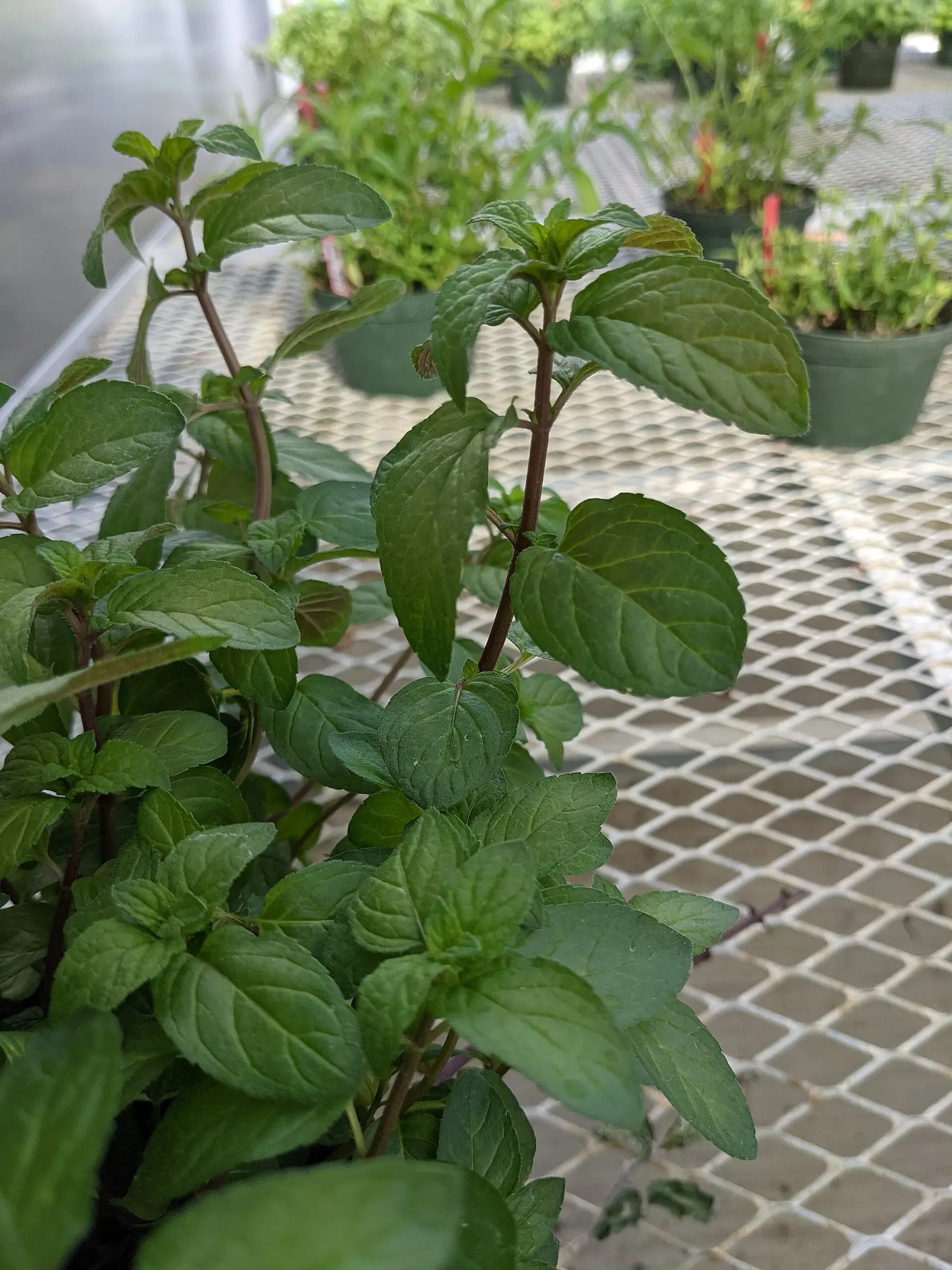
How to Grow Mint Without It Taking Over the Garden
Mint spreads by runners just under the surface and will colonise a bed in two seasons. Containment that actually works, and the pruning that keeps leaves tender.
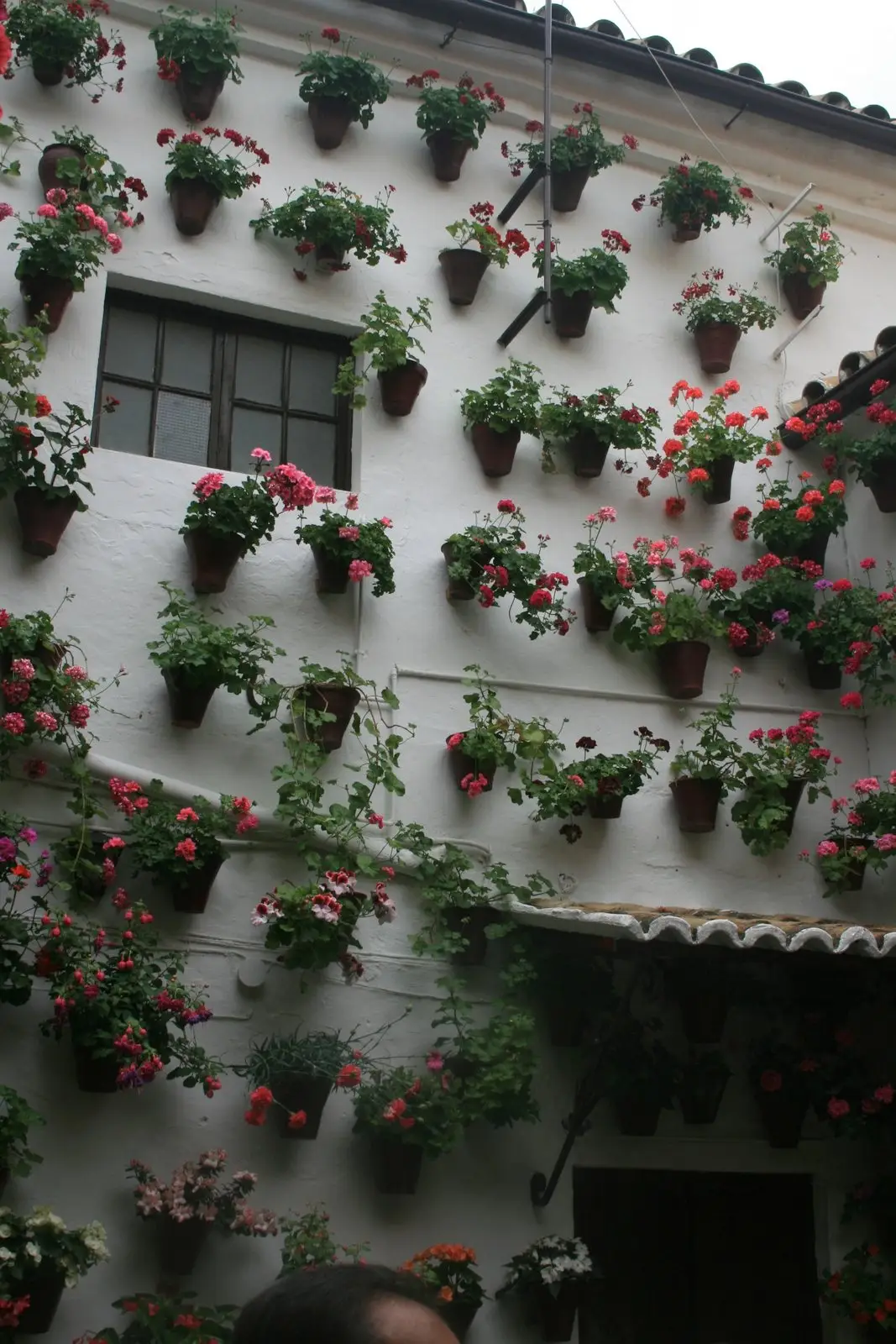
Outdoor Plants in Pots: What Survives, and What Kills Them
A pot outdoors is a harsher place than the ground — hotter, drier, and colder in winter. How to pick plants and pots that cope, and get through the cold.
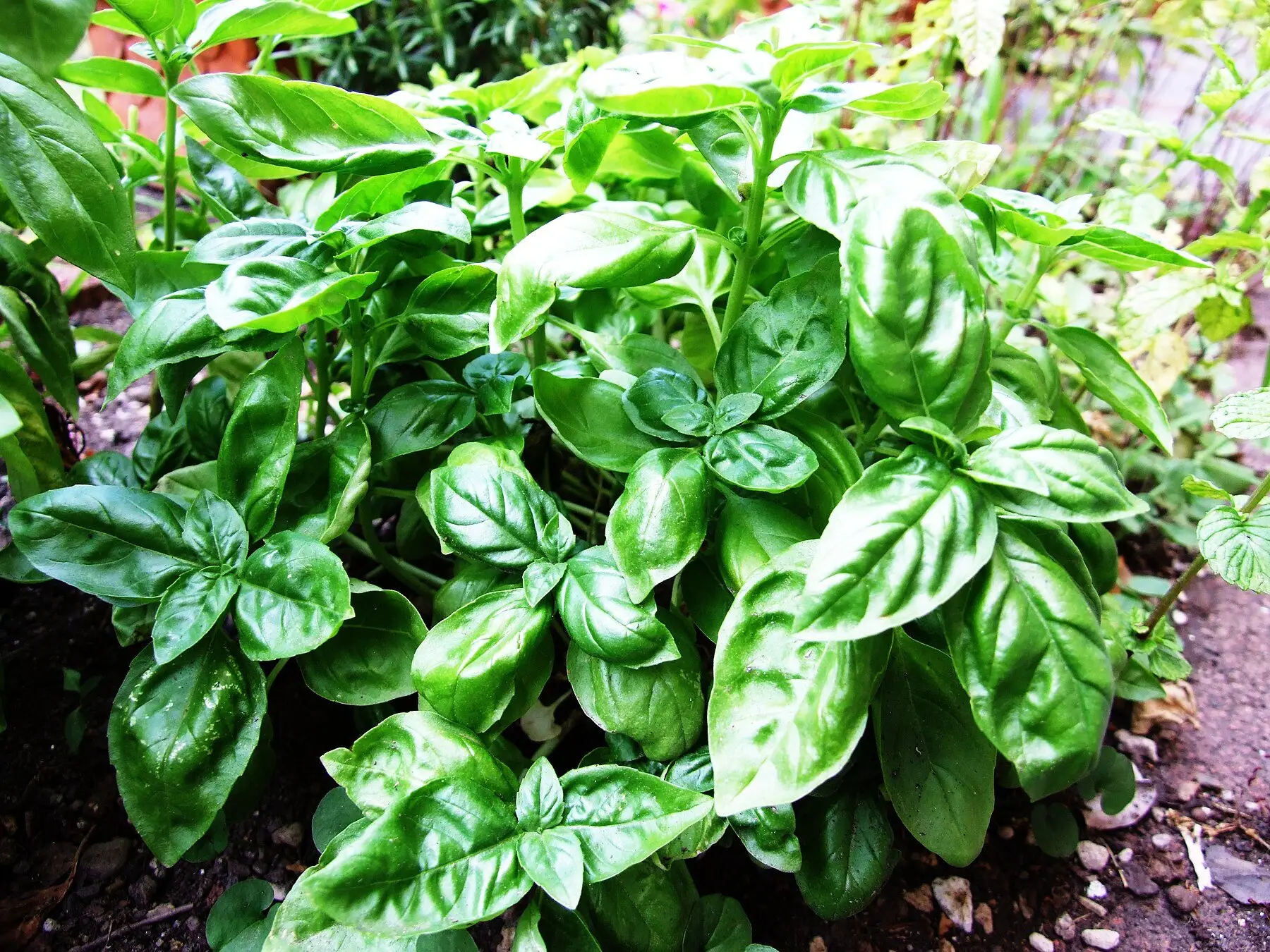
How to Harvest Basil So the Plant Gets Bushier
Cut above a leaf pair, never strip the bottom leaves, and pinch the flowers. The harvesting method that doubles the size of a basil plant instead of ending it.