When to Harvest Butternut Squash: Three Signs, Not One
Butternut picked early never sweetens and never keeps. The colour, the stem and the fingernail test, plus the curing that turns it from starchy to sweet.

On this page
A butternut picked too early does not recover. The skin never hardens properly, so it will not store, and the sugars never develop, so it stays starchy and bland.
Unlike a tomato, there is no finishing it on a windowsill. The three signs have to be present together before you cut.
The three signs
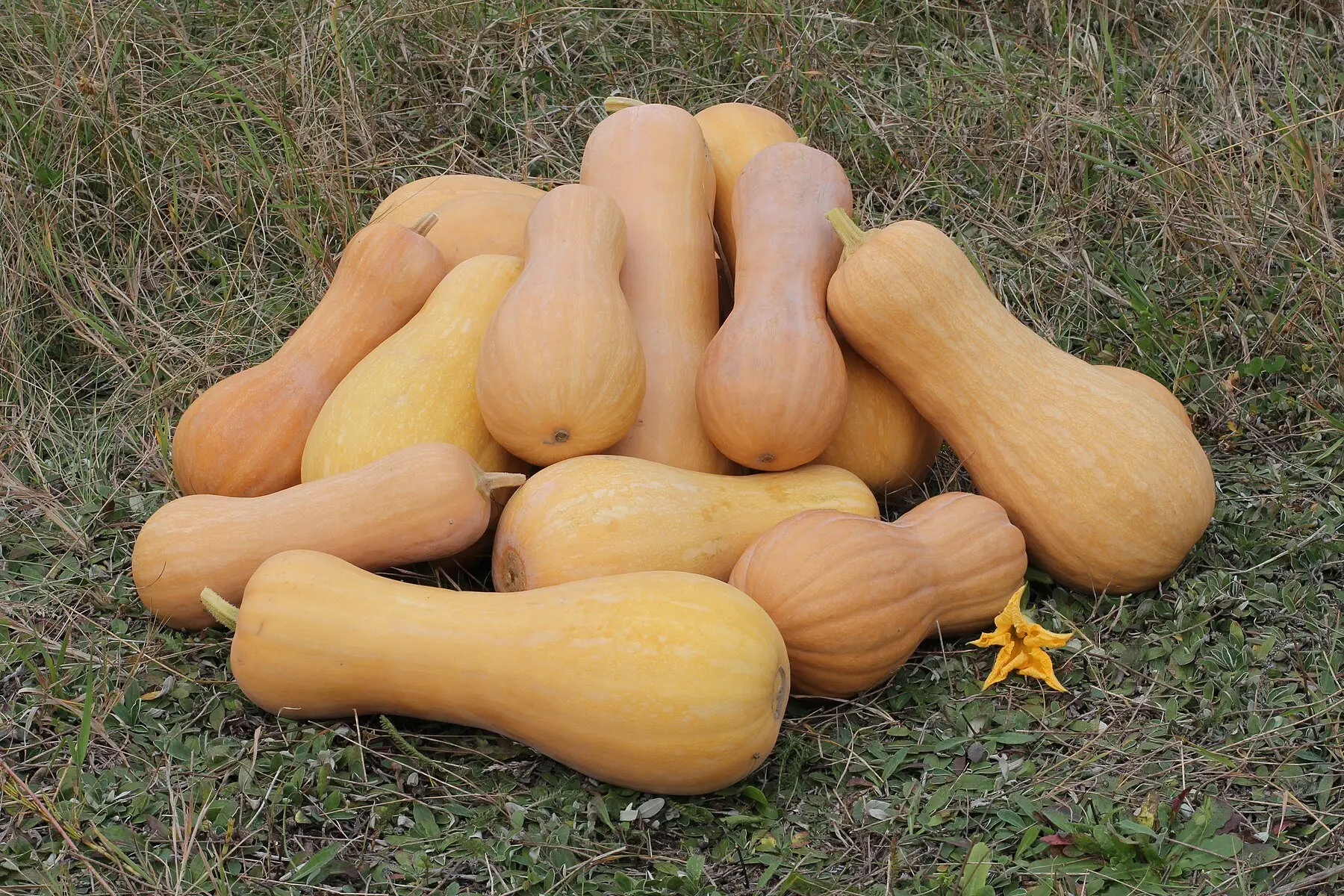
1. Colour. Butternut ripens from a pale greenish-tan to a deep, even matte beige. Any green streaking means it is not ready. The skin also loses its gloss and goes dull.
2. The stem. A green, soft, fleshy stem means the plant is still feeding the fruit. When it has gone hard, dry and corky, growth has stopped.
3. The fingernail test. Press a thumbnail against the skin somewhere inconspicuous. On a ripe butternut it will not pierce or dent. This is the most reliable single test, and it is the one thing that will not improve after picking.
The supporting sign: tap it. Ripe squash sounds hollow rather than dense.
Typically this is 100 to 120 days from sowing, but the season, the weather and the variety move that by weeks, which is why the signs matter more than the count.
Butternut is not a pumpkin, and the timing differs
Butternut is Cucurbita moschata; most carving and pie pumpkins are C. pepo. Butternut generally takes longer to mature, keeps considerably better, and has thicker, denser flesh. The harvest signs are similar in principle but the colour cue is different — beige rather than deep orange. See when to harvest pumpkins for that side.
Cutting them
Use secateurs or a sharp knife and leave 2 to 3 inches of stem attached.
Never carry a squash by the stem. If it snaps off, the wound at the top is an open route for rot and the fruit will not store, however perfect it otherwise is. The stem is a seal, not a handle — carry from underneath with both hands.
Harvest on a dry day, and avoid scratching or bruising the skin. Small nicks are entry points, and curing only heals the shallowest of them.
Curing
The step that decides both flavour and storage life, and the one people skip.
- 80 to 85°F
- Dry, with good airflow
- 10 to 14 days
- Fruit spaced apart, not touching
What happens: the skin hardens further and small wounds seal, and enzymes convert starch into sugar. An uncured butternut is bland and starchy and keeps a few weeks. A cured one is noticeably sweet and keeps months.
A greenhouse in early autumn, a sunny porch, or a warm shed all work. Unlike sweet potatoes, butternut wants dry heat rather than humid heat — this is a real difference between the two crops and getting it backwards causes rot.
Storing
| Factor | Target | Why |
|---|---|---|
| Temperature | 50–55°F | Warmer shortens life; colder causes chilling injury |
| Humidity | 50–70% | Dry enough to prevent mould |
| Air | Good circulation | Stagnant air rots them |
| Position | Off the ground, not touching | Contact points rot first |
| Never | The refrigerator | Below 50°F damages the flesh |
Expect two to six months — butternut is among the longest-keeping winter squashes.
Check them over every few weeks and use anything with a soft spot straight away. Store away from apples and pears, whose ethylene shortens the life of stored squash.
If frost is forecast
Bring everything in. Frost damages the skin, and frost-hit squash rots in storage instead of curing.
Cure the ones that pass the fingernail test. The immature ones are still good food — roast them, or use them in soup — but eat them within a couple of weeks rather than trying to keep them.
Why a homegrown one sometimes disappoints
Picked early — no sweetness, no keeping quality.
Not cured — the single commonest reason, and entirely fixable.
A cool, dull summer — sugars need heat and sun to develop, and there is nothing to be done about that in a bad year.
Left on an exhausted vine well past maturity, which increases stringiness.
Common questions
How do you know when butternut squash is ripe?
Can you pick butternut squash early and let it ripen?
Do you need to cure butternut squash?
How long does butternut squash keep in storage?
What if frost is coming before the squash is ripe?
Why is my butternut squash stringy or bland?
Backyard Weekly
Know what to plant, week by week
Free planting calendar. Join the weekly email for seasonal jobs, fixes for what is going wrong, and gear worth buying.
Set MONETIZATION.email.endpoint in src/config/site.ts to enable this form.
By subscribing you agree to our privacy policy. Grow In Backyard will never sell your address.
Keep reading
When to Harvest Pumpkins: Three Signs, Not the Calendar
Rind hardness, stem colour and a hollow sound tell you it is ready. Why you must cut the stem rather than carry by it, and the curing that decides storage life.
When to Harvest Sweet Potatoes, and Why Curing Matters
Sweet potatoes are dug on days-from-planting, not on a visible sign, and they taste of nothing until cured. The 100-day count, and the ten days that make them sweet.
How to Grow Watermelon: Heat, Space, and Knowing When
Watermelon needs 70 to 100 warm days and more room than people give it. The three ripeness signs that work, and why thumping mostly does not.
When to Pick Jalapeños: Green, Red, and Corked
Pick green at full size and firm for classic heat, or leave them to red for sweetness. What the white corking lines mean, and why picking gives you more.