How to Grow Cucumbers: Heat, Water, and Bitter Fruit
Cucumbers fail from cold soil at the start and inconsistent water later. Bush or vining, why the first flowers set nothing, and what actually makes them bitter.

On this page
Two things end most cucumber crops, and both are avoidable. Cold soil at the start, which rots seed and stalls transplants, and inconsistent water later, which makes the fruit bitter and misshapen.
Everything else about cucumbers is fairly forgiving.
Bush or vining
The packet says which, and it decides everything downstream.
| Vining (indeterminate) | Bush (determinate, compact) | |
|---|---|---|
| Size | 6–8 ft climbing | 2–3 ft |
| Support | Trellis, essential | A small cage at most |
| Spacing | 12 in on a trellis | 18–24 in |
| Yield | Higher, over a longer season | Lower, more concentrated |
| Containers | Needs a large pot and an obelisk | Well suited |
| Examples | Marketmore, Straight Eight, Telegraph | Spacemaster, Bush Champion, Patio Snacker |
There is also a split by use: slicing cucumbers for eating fresh, pickling types which are shorter and blockier, and burpless or seedless greenhouse varieties, which are thin-skinned and usually parthenocarpic — they set fruit without pollination, which matters under cover where bees cannot reach.
Timing and sowing
Soil temperature is the gate. Above 60°F to germinate at all, 70°F to do it well. Below that, seed sits and rots.
Cucumbers dislike root disturbance, so sow direct where the season allows. If you must start indoors, sow only about three weeks before planting out, use biodegradable pots, and plant the whole pot — a root-bound cucumber seedling sulks for weeks after transplanting and is usually overtaken by one sown later straight into the ground.
Sow an inch deep, two or three seeds per station, thinning to the strongest.
Soil, water and mulch
Cucumbers are hungry and thirsty. Dig in plenty of compost or well-rotted manure before planting.
Then the part that decides fruit quality: water deeply and consistently. An inch or two a week, delivered as two or three deep soakings rather than a daily sprinkle, always at the base and ideally in the morning.
Mulch two to three inches deep. This is what holds the moisture steady between waterings, and steadiness is the whole point.
Bitterness is stress, not bad luck
Cucumbers contain cucurbitacins — bitter compounds concentrated near the stem end and just under the skin — and the plant makes more of them when stressed. Erratic watering is the usual cause; heat and starvation contribute. Consistent moisture and a mulch prevent it almost entirely. If you do get a bitter one, peel it and cut an inch off the stem end, which removes most of the compound.
Support
Vining cucumbers grown up a trellis give straighter fruit, far less powdery mildew because the foliage dries within an hour of rain, no rot where fruit sat on wet soil, and about a fifth of the footprint.
Put the structure in at planting. Driving stakes beside an established cucumber spears the roots, and cucumber stems are brittle enough that lifting a sprawling vine onto a support breaks them. Cucumber trellis designs covers the shapes that work.
Male flowers, female flowers, and no fruit
This is the most common panic, and usually nothing is wrong.
Cucumbers produce male flowers first, often for one to two weeks before any females appear, and males typically outnumber females by around three to one all season. Male flowers sit on a plain thin stalk. Female flowers have a tiny immature cucumber behind the petals — once you have seen it, it is obvious.
So: flowers with no fruit for the first fortnight is the plant working normally.
If female flowers form and then shrivel and drop, that is a pollination problem. Hand-pollinate by brushing pollen from a male flower onto the centre of a female with a small paintbrush, or plant flowers nearby to bring bees in — the logic in plants that repel mosquitoes works in reverse here.
Very high temperatures also cause flower drop, and there is nothing to do but wait.
Feeding
Balanced feed until the first fruit sets, then switch to high potassium — the same principle as feeding tomatoes. Nitrogen after fruiting starts gives you an enormous vine carrying very little.
Containers need feeding far more often, because nutrients wash out with every watering. See growing cucumbers in containers.
Picking
Pick at the size on the packet, every day or two. In peak season a cucumber can go from ready to oversized in 48 hours.
The reason to be strict about it: a single fruit left to mature and set seed signals the plant that it has reproduced, and production slows or stops. Consistent picking is what keeps a plant cropping for weeks rather than days.
Cut with snips rather than pulling, leaving a short stub of stem.
The problems worth recognising
White powdery coating on leaves — powdery mildew. Airflow and vertical growing prevent most of it.
Yellow, mottled leaves and stunted growth — cucumber mosaic virus, spread by aphids. No cure; remove the plant and control aphids.
Sudden wilting of a healthy plant — bacterial wilt, spread by cucumber beetles. Also incurable. Remove it, and manage the beetles next season.
Misshapen, pinched fruit — incomplete pollination, or inconsistent water.
Hollow centres — erratic watering again, or over-large fruit left too long.
Step by step
- Time
- P70D
- Cost
- $10
- You need
- Cucumber seed or young plants, Compost or well-rotted manure, Mulch, High-potassium feed
- Tools
- Trellis or support, Trowel, Watering can or drip line
Wait for genuinely warm soil
Cucumbers need soil above about 60°F to germinate and prefer 70°F. Seed sown into cold ground rots rather than germinating, and transplants set out too early sit still for weeks. Sowing two weeks later than you want to almost always beats sowing two weeks early.
Choose bush or vining, and match the support to it
Vining varieties climb 6 to 8 feet and want a trellis; bush varieties stay 2 to 3 feet and suit containers and small beds. The packet says which. This decides your spacing, your support and how much ground the plant takes.
Sow direct, or transplant carefully
Cucumbers dislike root disturbance, so sow direct where you can, an inch deep. If starting indoors, use biodegradable pots and plant the whole pot, and sow only three weeks before setting out — older seedlings transplant badly.
Plant into rich soil and mulch immediately
Dig in plenty of compost or well-rotted manure. Cucumbers are hungry and thirsty, and mulch two to three inches deep is what keeps the moisture steady later, which is the single biggest factor in fruit quality.
Train them up rather than letting them sprawl
Vertical growing gives straighter fruit, far less mildew because foliage dries quickly, easier picking, and a fraction of the footprint. Put the support in at planting, never beside an established plant.
Water deeply and consistently, at the base
An inch or two a week, delivered in deep soakings rather than daily sprinkles, and always at soil level. Erratic watering is what produces bitter, misshapen fruit. Water in the morning so any splashed foliage dries.
Expect the first flowers to set nothing
Cucumbers produce male flowers first, often for one to two weeks, and those cannot set fruit. Female flowers have a tiny cucumber behind the bloom. Nothing is wrong — the plant is not failing, it is doing what it does.
Feed once fruiting starts, and pick constantly
Switch to a high-potassium feed as fruit sets. Then pick every day or two at the size the packet states. A single cucumber left to mature and set seed signals the plant to stop producing, which ends the harvest early.
Common questions
Why are my cucumbers bitter?
Why does my cucumber plant flower but produce no fruit?
How often should you water cucumbers?
Should you grow cucumbers up a trellis?
When should you pick cucumbers?
How long do cucumbers take to grow?
Backyard Weekly
Know what to plant, week by week
Free planting calendar. Join the weekly email for seasonal jobs, fixes for what is going wrong, and gear worth buying.
Set MONETIZATION.email.endpoint in src/config/site.ts to enable this form.
By subscribing you agree to our privacy policy. Grow In Backyard will never sell your address.
Keep reading
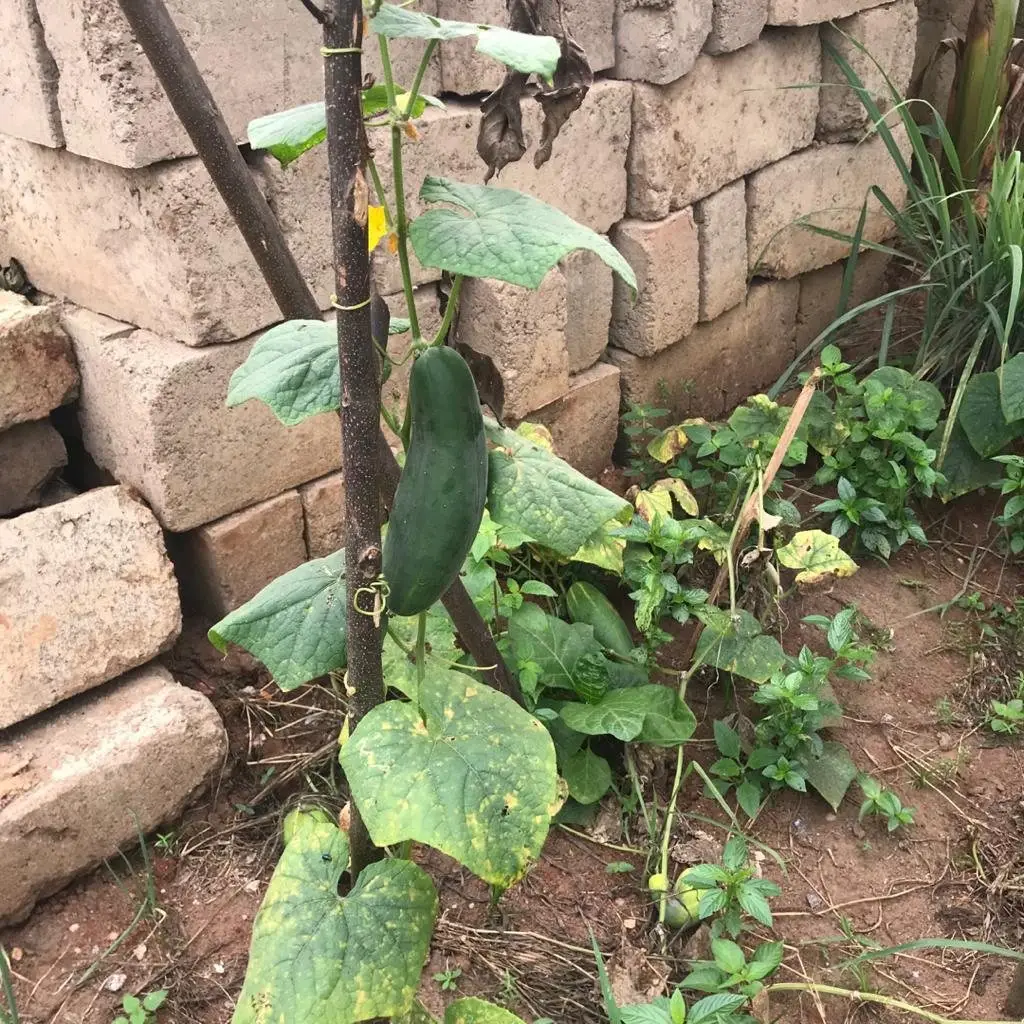
Growing Cucumbers in Pots: Size, Support, and Water
Cucumbers grow well in containers if the pot is big enough and they climb. Pot size, variety choice, and the watering rhythm that prevents bitter fruit.
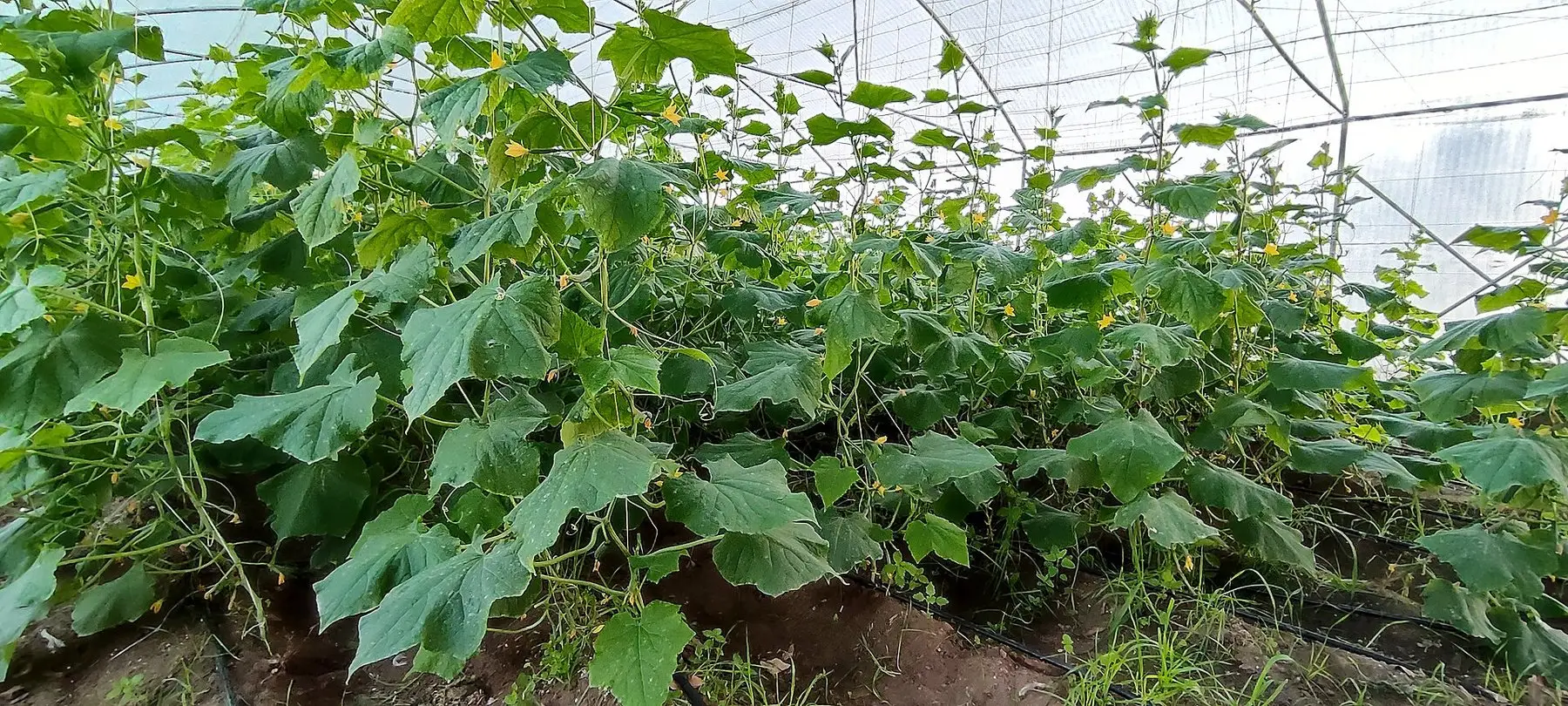
Cucumber Trellis Ideas, and Why Vertical Growing Wins
Cucumbers off the ground give straighter fruit, less mildew and half the footprint. Five trellis designs, the height you actually need, and how to train the vines.
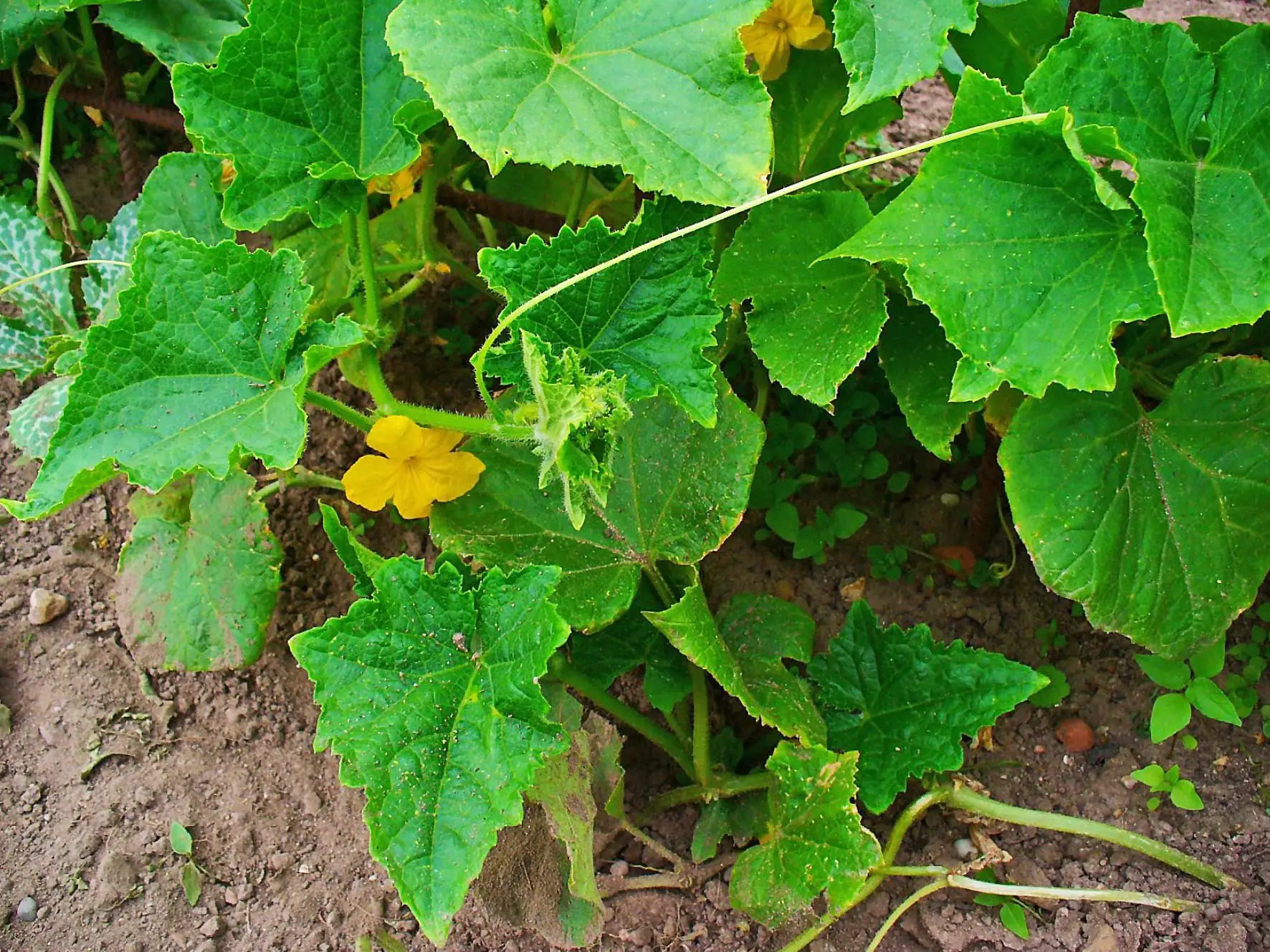
Companion Plants for Cucumbers, and What to Keep Away
Cucumbers need pollinators and hate competition for water. What genuinely helps, what the evidence is thin on, and the two neighbours worth actually avoiding.
How Deep to Plant Potatoes (And Why Hilling Matters More)
Four inches at planting, then hill as they grow. Why planting deep in cold spring soil backfires, and how depth differs in containers and no-dig beds.