Plants That Repel Mosquitoes (and What Actually Works)
Most mosquito-repelling plants do nothing while they sit in a pot. Which ones have real repellent compounds, how to actually release them, and what to do instead.

On this page
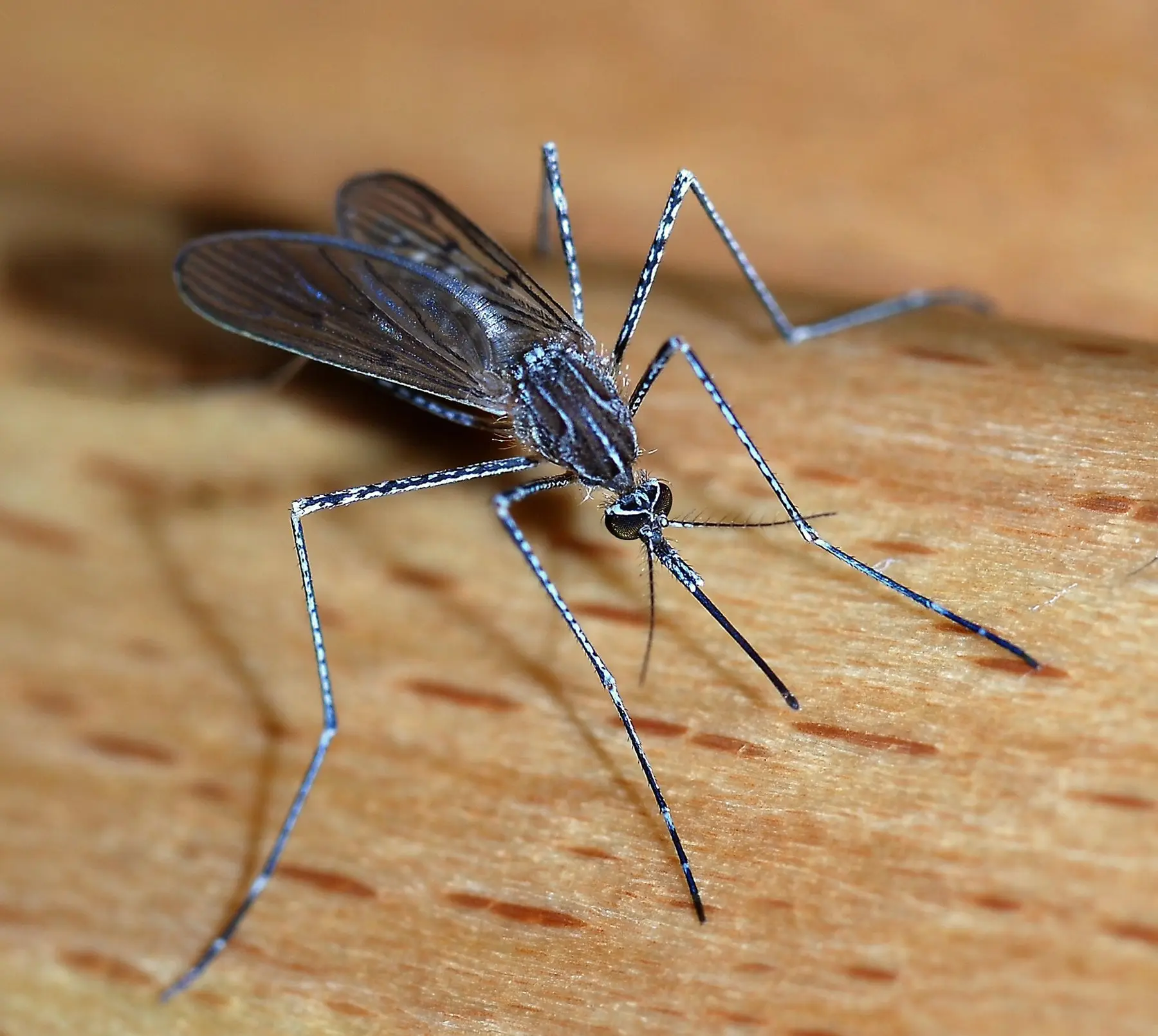
The premise behind almost every “plants that repel mosquitoes” list is that putting the right plants around a patio creates a zone mosquitoes avoid. It is an appealing idea and it is mostly not true — which is worth knowing before spending a weekend and a hundred dollars on it.
The plants below do contain genuine repellent compounds. The problem is what it takes to get those compounds out of the leaf and into the air around you.
Why the potted-plant version fails
A plant’s aromatic oils sit in glands within the leaf tissue. They are a defense against being eaten, and they are released when something damages the leaf — not continuously into the surrounding air.
That is the entire gap between the claim and the reality. A rosemary bush by the door is not broadcasting rosemary oil across the patio; it is holding it, waiting for a caterpillar. To get a measurable concentration into the air around a person you need either a large amount of crushed foliage very close by, or the extracted oil, which is what commercial repellents use and why they work at concentrations a garden cannot produce.
The 'mosquito plant' is a marketing name
The citrosa or “mosquito plant” sold widely in garden centers is Pelargonium citrosum, a scented geranium — not the true citronella grass that citronella oil is distilled from. Controlled testing has repeatedly found it provides little to no protection, and in some trials mosquitoes landed on the plant itself. It is a pleasant-smelling geranium, and that is all it is.
The plants with real active compounds
These are worth growing — they are useful herbs, and their oils genuinely repel. Just use them correctly, which mostly means crushing them.
| Plant | Active compound | Evidence as an oil | Evidence as a growing plant |
|---|---|---|---|
| Lemon eucalyptus | PMD (from citronellal) | Strong — CDC-listed | Negligible |
| Catnip | Nepetalactone | Strong in lab tests | Negligible |
| Citronella grass | Citronellal, geraniol | Moderate, short-lived | Negligible |
| Basil | Estragole, linalool | Moderate | Very weak |
| Lavender | Linalool, camphor | Moderate | Very weak |
| Lemon balm | Citronellal | Moderate | Very weak |
| Peppermint | Menthol | Weak to moderate | Very weak |
| Marigold | Limonene, pyrethrum-adjacent | Weak | Very weak |
| Scented geranium (“citronella plant”) | Citronellol | Weak | None demonstrated |
Lemon eucalyptus (Corymbia citriodora) is the standout, but the distinction matters: the refined extract PMD is what the CDC lists as effective, alongside DEET and picaridin. Raw lemon-eucalyptus essential oil is not the same thing and is not recommended for use as a repellent on skin, particularly for children under three.
Catnip is the most interesting garden plant here. Nepetalactone has performed extremely well in laboratory repellency tests. In the ground, it does nothing for you — but a handful of crushed leaves rubbed on skin is a genuinely effective short-term repellent, and it grows like a weed.
Basil, lavender, lemon balm, and mint all have real activity in oil form and negligible activity as living plants. Grow them because they are good plants; crush a few leaves on your wrists and ankles before sitting out, and expect maybe twenty to thirty minutes of partial protection.
How to actually use them
Pick a small handful of leaves, roll and crush them hard between your palms until they are wet and strongly aromatic, then rub them on exposed skin — ankles and wrists first, since that is where most bites land. Reapply every 20–30 minutes. Test on a small patch first; skin reactions to crushed plant material are not rare.
What actually reduces mosquitoes in a yard
If the goal is fewer mosquitoes rather than a nicer-smelling patio, the ranking is not close.
Remove standing water. Mosquitoes breed in still water, and some species need only a bottle cap’s worth. Walk the yard weekly and empty everything: plant saucers, buckets, wheelbarrows, tarp folds, clogged gutters, tire swings, bird baths, and the low spot by the downspout. Larvae take roughly a week to mature, so a weekly pass breaks the cycle entirely.
Treat water you cannot drain. Rain barrels, ponds, and low areas that stay wet can be treated with Bti (Bacillus thuringiensis israelensis), sold as mosquito dunks. It targets mosquito larvae specifically and is not harmful to fish, pets, birds, or beneficial insects.
Run a fan. Mosquitoes are weak fliers that struggle in air moving above about 1 mph, and a fan also disperses the carbon dioxide plume they navigate toward. An ordinary outdoor fan on a patio is one of the most effective and least discussed interventions available.
Cut the resting habitat. Adults spend the day in cool, shaded, humid cover — tall grass, dense ivy, leaf litter, the underside of shrubs. Mowing, thinning ground cover, and clearing debris removes where they wait out the heat.
Use a real repellent on skin when it matters. For anywhere mosquito-borne disease is a consideration, use an EPA-registered repellent — DEET, picaridin, or PMD. This is the one place where the honest answer is that a garden solution is not a substitute.
Skip the bug zappers
Studies of electric zappers have found that mosquitoes make up a very small fraction of what they kill, while the large majority are harmless and often beneficial insects. They are, on the evidence, actively counterproductive in a garden.
Common questions
Do mosquito-repelling plants actually work?
What smells do mosquitoes hate the most?
Does the citronella plant repel mosquitoes?
What is the fastest way to get rid of mosquitoes in a yard?
Does lavender keep mosquitoes away?
Backyard Weekly
Know what to plant, week by week
Free planting calendar. Join the weekly email for seasonal jobs, fixes for what is going wrong, and gear worth buying.
Set MONETIZATION.email.endpoint in src/config/site.ts to enable this form.
By subscribing you agree to our privacy policy. Grow In Backyard will never sell your address.
Keep reading
Tomato Plant Leaves Curling: 7 Causes, and Which Matter
Most curling tomato leaves are harmless leaf roll from heat or water stress. A few causes are serious. Here is how to tell them apart in under a minute.
Garden Decor Ideas That Don't Look Cluttered in a Year
Most backyard decor gets added piece by piece until the yard looks like a garden center. A short list of what earns its place, and what to skip.
What Do Rolly Pollies Eat? Mostly Dead Things, Occasionally Yours
Pillbugs are decomposers that eat decaying plant matter — but they will graze seedlings and soft fruit when the population gets high and the ground stays damp.
What Smells Do Mosquitoes Hate? What Works and What Does Not
Citronella, lavender and peppermint all repel mosquitoes in a lab. Almost none of it survives contact with a real backyard — here is what actually reduces bites.