What Do Rolly Pollies Eat? Mostly Dead Things, Occasionally Yours
Pillbugs are decomposers that eat decaying plant matter — but they will graze seedlings and soft fruit when the population gets high and the ground stays damp.
.jpg)
On this page
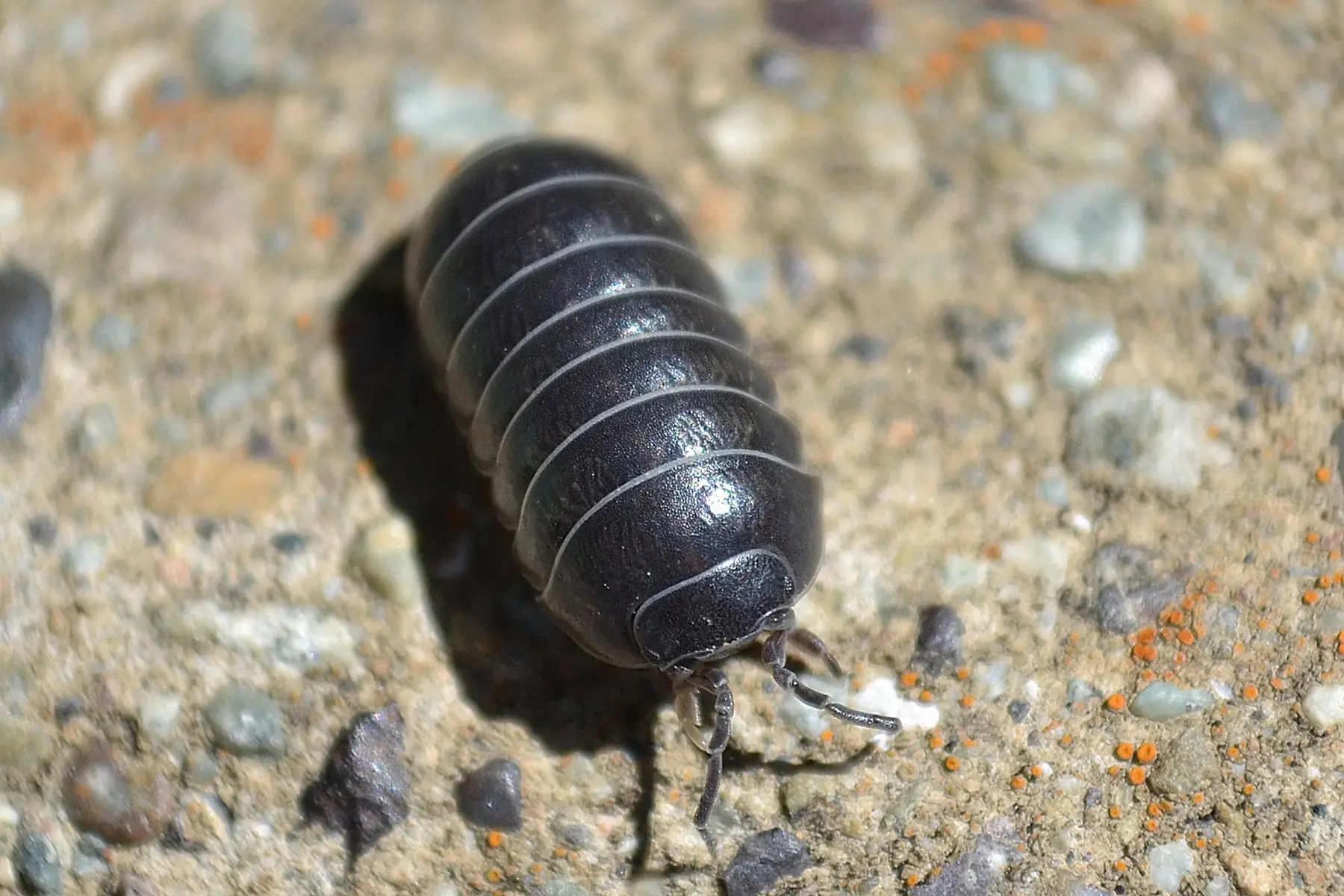
Rolly pollies eat dead plant material — leaf litter, rotting wood, mulch, dead roots, and the fungi and bacteria growing on all of it. They are decomposers, and in most gardens they are doing useful work.
They will also chew a seedling or a strawberry, which is why they end up in searches like this one. But that behaviour is a symptom of conditions, not of what they are.
What they actually eat
- Decaying leaves and leaf litter — the bulk of the diet.
- Rotting wood and bark mulch.
- Fungi, mould and bacterial films on decaying material, which may be the real nutritional target.
- Dead roots and old compost.
- Dead insects and other carrion, scavenged.
- Their own droppings. Not a curiosity — isopods have copper-based blood and recover copper by eating their frass, which is why they need to.
What they do not eat, ordinarily, is a healthy growing plant. Their mouthparts are built for soft, partly decayed tissue.
Why they are worth having
Pill bugs speed up the breakdown of organic matter into humus, which improves soil structure and releases nutrients — the same job that worm castings do from the other end.
They also do something unusual: they take up heavy metals — copper, zinc, lead, cadmium — and sequester them in their gut, which is why they survive in contaminated ground where most soil animals cannot and why they turn up in soil remediation research.
A garden with a healthy pill bug population generally has good organic matter and an active soil. That is a sign, not a problem.
When they do damage
The trouble starts when three things line up: a very large population, permanently damp ground, and soft tissue at soil level.
Typical damage:
- Seedlings chewed through at the stem, or the first leaves grazed away.
- Strawberries and low fruit resting on damp soil, hollowed out.
- The lowest leaves of soft plants like basil, lettuce and courgette.
They are often finishing someone else's damage
Pill bugs are frequently found inside a strawberry or a courgette that a slug opened, or in a stem that was already rotting. Because they are visibly present and slow-moving, they get blamed. Before treating for them, check for slug trails and look at whether the damage started as a wound — a pristine fruit with a fresh hole is more likely a slug’s work than an isopod’s.
What to change, in order
The whole strategy is drier surfaces where you want plants, damp habitat where you do not.
- Pull mulch back two or three inches from stems and out of seedling rows. Mulch elsewhere is fine and useful.
- Water in the morning, so the surface dries before evening when they are active.
- Lift fruit off the soil — straw, matting, or a strawberry mat under each plant.
- Remove daytime shelter near vulnerable plants: boards, flat stones, old pots, leaf piles against stems.
- Start seedlings in modules and plant them out at a size that can shrug off grazing. This alone solves most of the complaint.
- Improve drainage where ground stays wet, which reduces the population that the site can carry.
Trap them if you want to check the population
Lay a piece of damp cardboard, a hollowed-out melon or grapefruit rind, or a board on the soil overnight and lift it in the morning. You get a count, an idea of whether they are really the problem, and a straightforward way to remove a lot of them at once. It works better than anything you can spray.
Insecticides are rarely worth it here. They kill the beneficial population along with the rest, achieve nothing about the damp conditions that created the problem, and the isopods return within weeks.
Pill bug or sow bug?
Both are terrestrial isopods, closely related, with the same diet and habits.
- Pill bug (Armadillidium) — rolls into a tight ball, smooth, more domed.
- Sow bug (Oniscus, Porcellio) — cannot roll, flatter, with two small tail-like appendages at the rear.
The rolling is a defence against both predators and drying out. It is also the reason a child will happily spend twenty minutes with one, which is a better use of a rolly poly than worrying about it.
Common questions
What do rolly pollies eat?
Are pill bugs bad for a garden?
Do pill bugs eat live plants?
Are rolly pollies insects?
How do you get rid of pill bugs in a garden?
What is the difference between a pill bug and a sow bug?
Backyard Weekly
Know what to plant, week by week
Free planting calendar. Join the weekly email for seasonal jobs, fixes for what is going wrong, and gear worth buying.
Set MONETIZATION.email.endpoint in src/config/site.ts to enable this form.
By subscribing you agree to our privacy policy. Grow In Backyard will never sell your address.
Keep reading
Does Vinegar Kill Weeds? Only the Part You Can See
Household vinegar burns off top growth and leaves the roots alive, so perennial weeds regrow in days. What it is genuinely good for, and why salt is a bad idea.
What Are Worm Castings, and Are They Worth Buying?
Worm castings are worm manure — a mild fertiliser whose real value is microbial, not nutritional. What the numbers mean and how much you actually need.
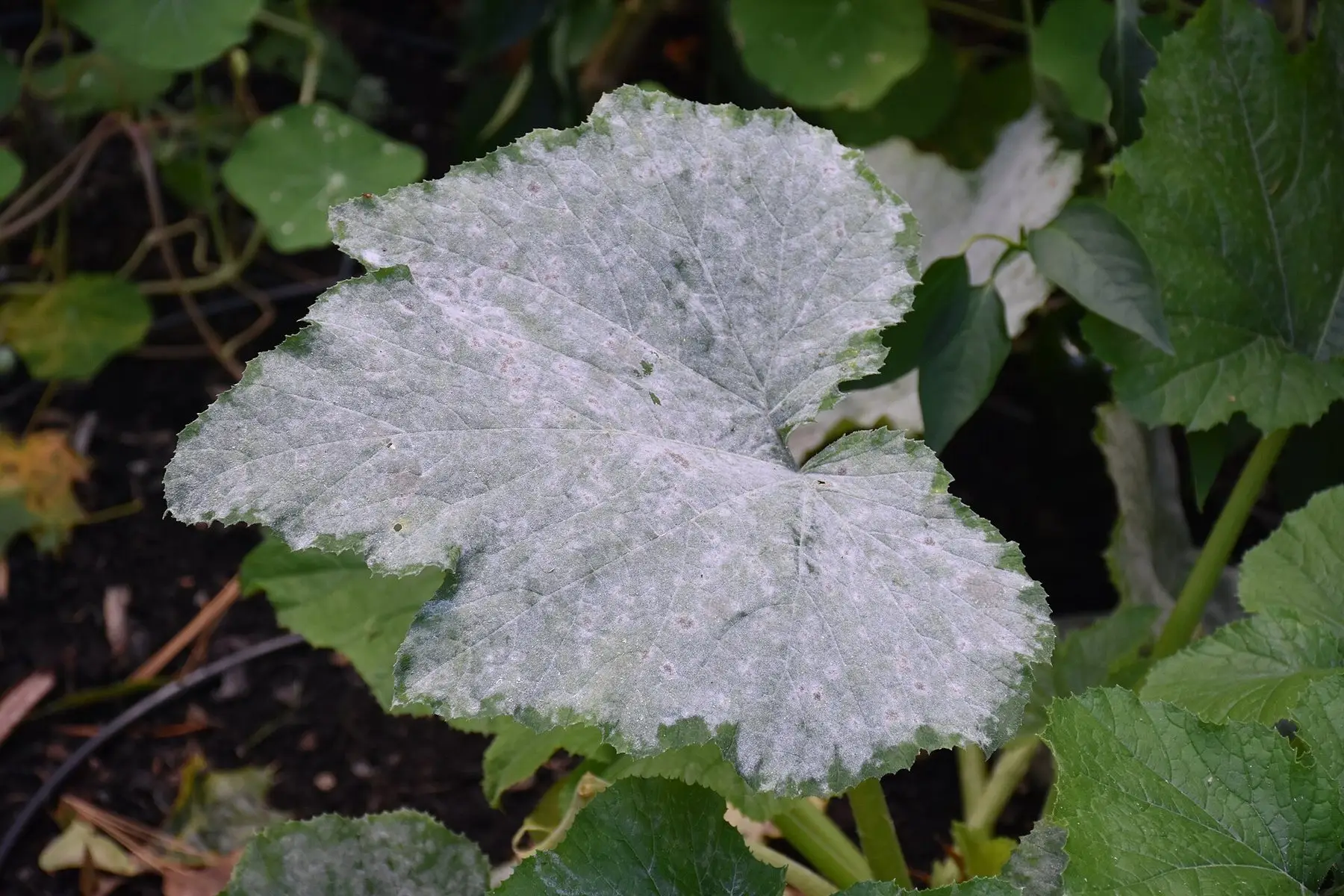
Powdery Mildew: Why It Spreads and What Actually Stops It
Powdery mildew is the one fungus that does not need wet leaves — it thrives in humid air and dry foliage. How to spot it early and what treatments hold up.
What Smells Do Mosquitoes Hate? What Works and What Does Not
Citronella, lavender and peppermint all repel mosquitoes in a lab. Almost none of it survives contact with a real backyard — here is what actually reduces bites.