Powdery Mildew: Why It Spreads and What Actually Stops It
Powdery mildew is the one fungus that does not need wet leaves — it thrives in humid air and dry foliage. How to spot it early and what treatments hold up.

On this page
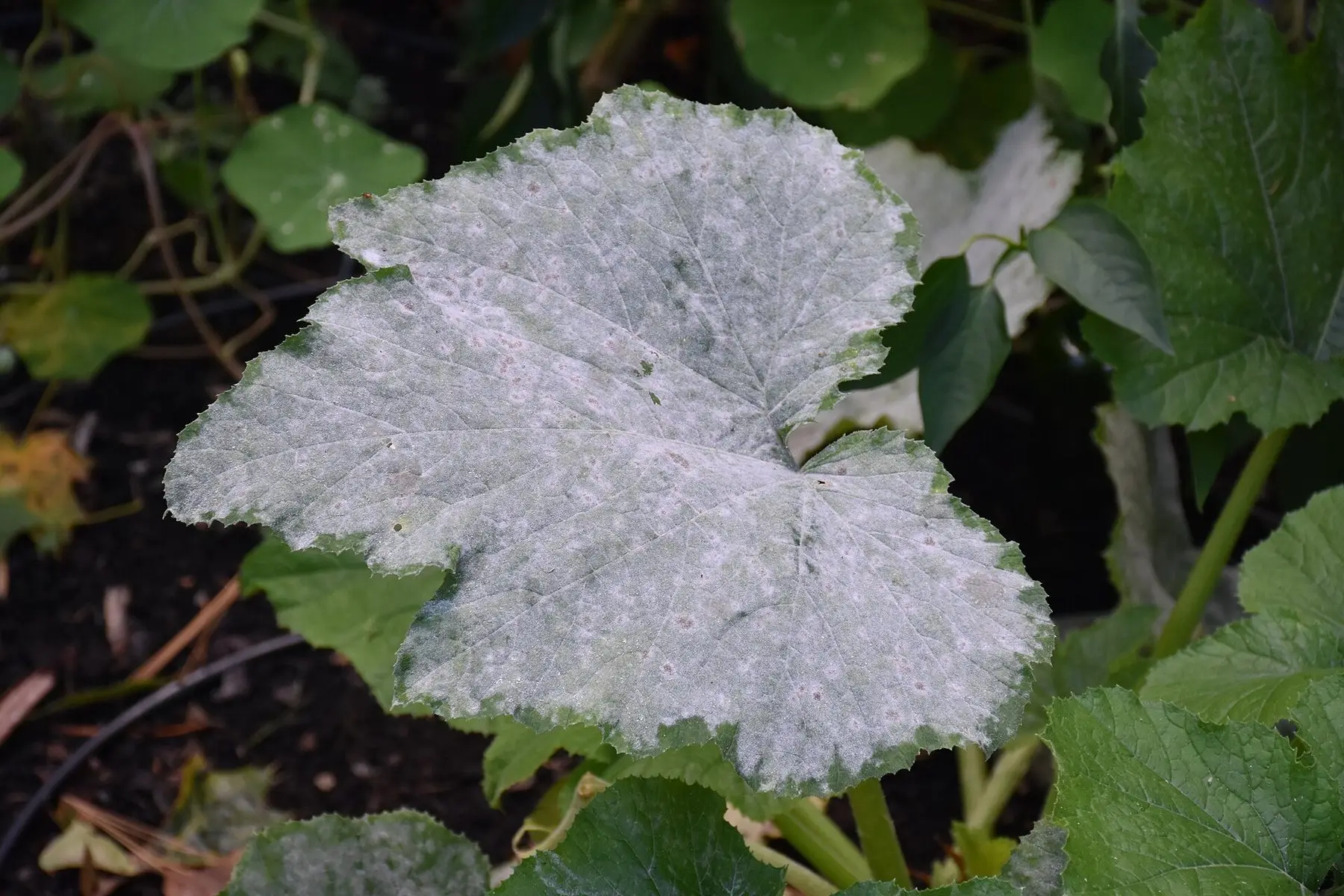
Powdery mildew breaks the rule every gardener learns first. Fungal disease means wet leaves, so keep the foliage dry — except this one germinates happily on a dry leaf and is held back by water on the surface.
Getting that backwards is why people respond to it by watering less and spacing plants no better, and then watch it spread anyway.
Identifying it correctly
The coating is white to pale grey, dusty or felted, and it sits on top of the leaf rather than inside it. Rub a patch with your thumb and it smears away, leaving the leaf underneath looking essentially normal at first.
That rub test is the quickest way to distinguish it from the thing it is most often confused with.
| Looks like | Where | Needs wet leaves? | Rubs off? | |
|---|---|---|---|---|
| Powdery mildew | White dusty coating | Upper surface mostly | No | Yes |
| Downy mildew | Angular yellow patches, fuzzy underside | Both, vein-bounded | Yes | No |
| Spider mite damage | Fine stippling, webbing | Undersides | No | No |
| Leaf spot fungi | Defined brown spots with halos | Anywhere | Yes | No |
| Hard-water residue | Chalky film | Where droplets dried | — | Yes |
As it advances, coated leaves yellow, curl, and drop, because a leaf covered in fungus cannot get light to its chloroplasts. On squash and cucumbers that means smaller fruit; on ornamentals it is mostly disfiguring.
It is not one fungus, and it is host-specific
Powdery mildew is a whole family of related fungi, and most are specialised to a narrow range of hosts. The powdery mildew on your phlox is generally not the same species as the one on your squash, and it will not jump between them. So a heavily infected zucchini is not a threat to your roses — though the conditions that suited one will suit the other’s own species just as well.
Why it appears where it does
Because it does not need free water, the drivers are different from other fungal problems:
- Humid air with dry leaves. Warm days, cool nights, heavy dew that evaporates by mid-morning. Late summer is peak season for exactly this reason.
- Still air. Spores settle and stay. Crowded plantings, plants against a fence or wall, and dense interior growth all hold moist air in place.
- Shade. Partial shade suits it, and it is why the mildewed plant is so often the one at the back of a border or under a tree.
- Soft, sappy growth. Heavy nitrogen feeding produces exactly the lush tissue it colonises fastest.
What actually works
Improve airflow first. This is not the exciting answer and it is the most effective one. Thin crowded stems, remove the lowest and most congested leaves, widen spacing next season, and stake or trellis sprawling plants so foliage is not sitting on itself. On a container cucumber or a basil plant, growing vertically does most of the job by itself.
Remove infected leaves promptly. Bag them; do not compost heavily infected material, and do not leave it lying under the plant. Take the worst-affected leaves only — stripping a plant bare stresses it more than the disease does.
Then protect the clean growth. Every treatment below is preventive on new tissue rather than curative on old. Apply to healthy foliage and to the undersides too, and reapply after rain.
| Treatment | Evidence | Notes |
|---|---|---|
| Potassium bicarbonate | Good | The best accessible option; commercial products exist |
| Horticultural / neem oil | Good | Do not apply above 85°F or in strong sun — leaf burn |
| Sulfur | Good | Effective; never within two weeks of an oil spray |
| Milk, 1:9 in water | Mixed but real | Mostly cucurbit trials; needs frequent reapplication |
| Baking soda (sodium bicarb) | Weak | Less effective than potassium bicarbonate; sodium builds up in soil |
| Vinegar | None | Damages foliage before it affects the fungus |
| Mouthwash, dish soap | None | Widely shared, no support; both can harm leaves |
Two spray rules worth obeying
Never apply sulfur within about two weeks of an oil spray — the combination burns foliage badly. And test any spray on a few leaves and wait 48 hours before doing a whole plant, especially in hot weather, when even mild treatments scorch.
Preventing it next season
Buy resistant varieties. This is the single highest-return decision. Cucumber, squash, melon, bee balm, phlox, and zinnia all have resistant cultivars, and seed catalogues list them — often as “PM” or “PMR” in the description.
Space more generously than feels necessary. Most powdery mildew problems begin as spacing problems.
Water at the base, in the morning. This is for the other diseases rather than this one, but it costs nothing and prevents the leaf-spot fungi that do need wet foliage.
Go easy on nitrogen. Lush growth from heavy feeding is the most susceptible tissue on the plant.
Clear debris in autumn. Many of these fungi overwinter on fallen infected leaves and on perennial crowns, so removing that material breaks the cycle.
When to stop worrying
A squash plant in September, coated in white but still setting fruit, is at the end of its life anyway. Powdery mildew arriving late in the season on a crop you are about to pull is not worth spraying for — pull the plant, clear the debris, and choose a resistant variety next year.
It is early infection, on young plants with a season ahead of them, that costs you a crop. That is where the effort belongs.
Common questions
What causes powdery mildew?
How do you get rid of powdery mildew?
Does milk work on powdery mildew?
What is the difference between powdery and downy mildew?
Can plants recover from powdery mildew?
Backyard Weekly
Know what to plant, week by week
Free planting calendar. Join the weekly email for seasonal jobs, fixes for what is going wrong, and gear worth buying.
Set MONETIZATION.email.endpoint in src/config/site.ts to enable this form.
By subscribing you agree to our privacy policy. Grow In Backyard will never sell your address.
Keep reading
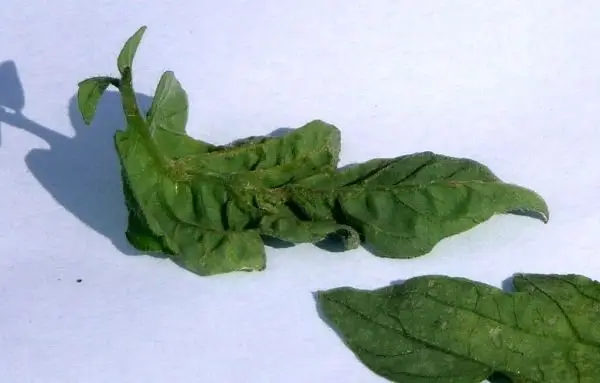
Tomato Plant Leaves Curling: 7 Causes, and Which Matter
Most curling tomato leaves are harmless leaf roll from heat or water stress. A few causes are serious. Here is how to tell them apart in under a minute.
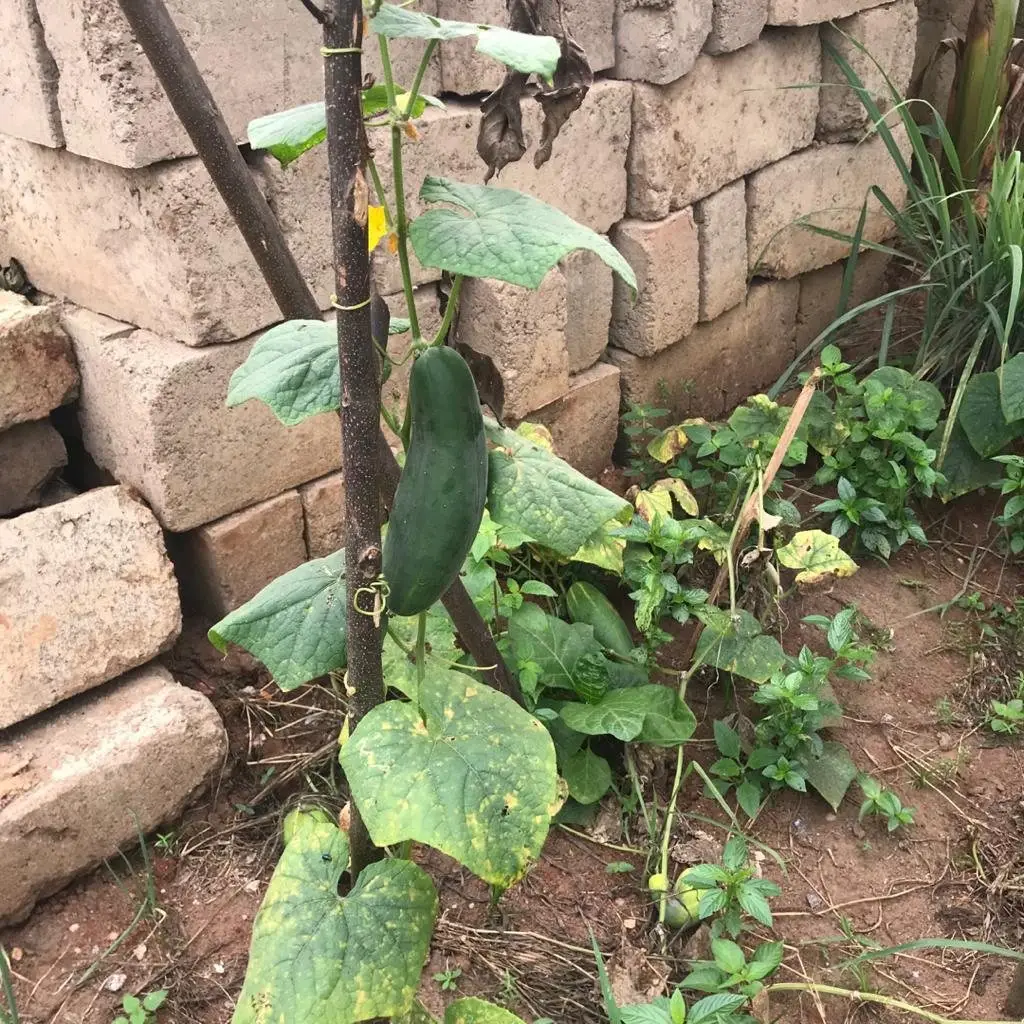
Growing Cucumbers in Pots: Size, Support, and Water
Cucumbers grow well in containers if the pot is big enough and they climb. Pot size, variety choice, and the watering rhythm that prevents bitter fruit.
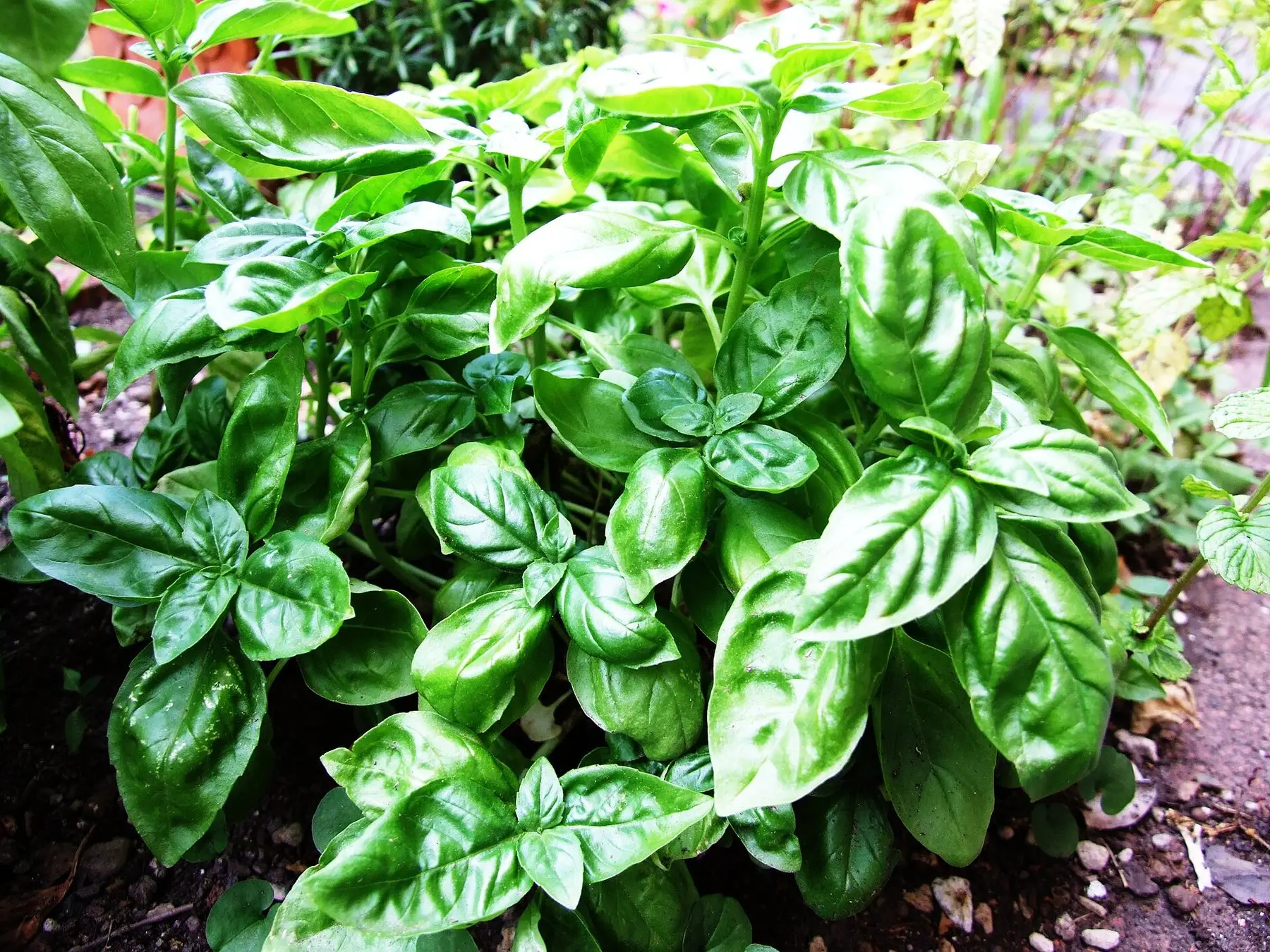
How to Grow Basil: Pinch It Early, Pinch It Often
Basil is easy to grow and easy to lose to one mistake — letting it flower. How to sow it, where to put it, and the pinching routine that keeps it producing.
Fungus Gnats: Kill the Larvae, Not the Flies You See
The adults are harmless; the larvae in the top inch of compost are what damage roots. Why letting the surface dry works, and what actually breaks the cycle.