Growing Cucumbers in Pots: Size, Support, and Water
Cucumbers grow well in containers if the pot is big enough and they climb. Pot size, variety choice, and the watering rhythm that prevents bitter fruit.
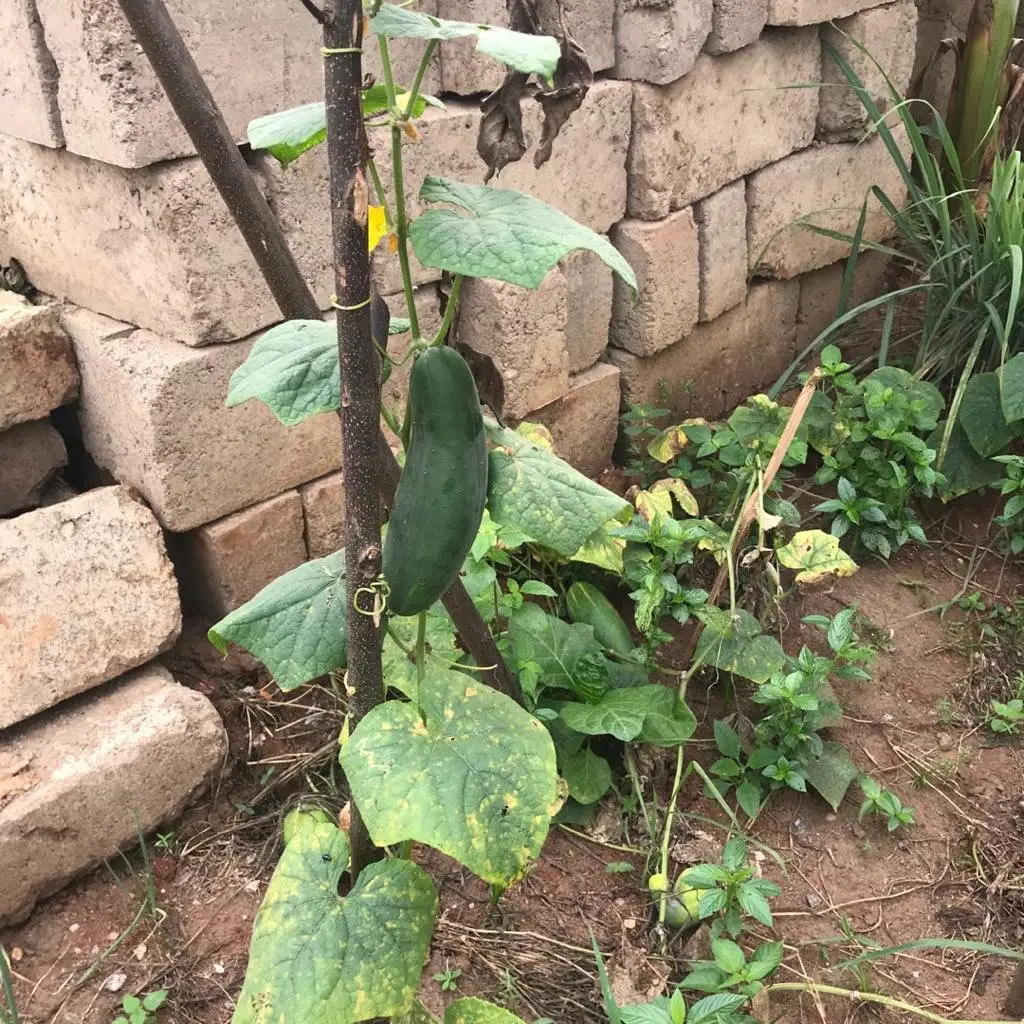

On this page
Cucumbers are one of the better crops for a pot, and one of the most commonly failed. The plant is not fussy about being contained — it is fussy about water, and a container is a machine for producing water stress. Almost everything that goes wrong follows from that.
Pot size is the decision that matters
Everything else on this page is downstream of this one. A cucumber in a 3-gallon pot on a hot patio can use its entire available water in a single afternoon, and the plant will be stressed before you get home.
| Pot size | Plants | Watering in hot weather | Verdict |
|---|---|---|---|
| 3 gal (10 in) | 1 bush | Twice daily, still stressed | Too small |
| 5 gal (12 in) | 1 | Daily, twice in heat | Workable minimum |
| 7–10 gal (14–16 in) | 1–2 | Daily | The sweet spot |
| 15 gal+ / half barrel | 2–3 | Every 1–2 days | Best, if you can lift it |
Dark plastic pots on a sunny patio cook the root ball; light-coloured pots, glazed ceramic, or fabric grow bags all run cooler. Fabric bags air-prune roots and drain freely, at the cost of drying out faster — a fair trade in a big enough size, a bad one at 5 gallons.
Whatever you use must have real drainage holes. Cucumbers will not tolerate standing water any better than they tolerate drought.
Choose a variety bred for it
This is the second decision people skip. A standard field cucumber is bred to run fifteen feet across open ground with an unrestricted root run, and it will express its disappointment in a pot.
Bush types — Spacemaster, Bush Champion, Salad Bush — stay compact by design and suit the smallest workable pots.
Compact vining types — Patio Snacker and similar — climb a trellis to a manageable height and usually out-produce bush types where you have the vertical room.
Parthenocarpic varieties set fruit without pollination. On a balcony, a roof, or anywhere bees are scarce, this converts a frustrating crop into an easy one.
Growing up, not out
Vertical growing is close to mandatory in containers, and it is not only about space. Leaves held up off the mix dry faster after watering, and dry leaves are how you avoid powdery mildew — the disease most likely to end a container cucumber early. Fruit hanging in air also grows straight and clean.
The watering rhythm
Cucumber fruit is about 95 percent water, and the plant transpires heavily through large leaves. In a container, with a limited reservoir, that adds up to a plant that needs checking every day and twice a day in real heat.
The target is even moisture — the top inch drying slightly between waterings, never the whole pot going dry and never sitting waterlogged. Push a finger in rather than guessing from the surface, which dries long before the root zone does.
A two-inch mulch of straw, bark, or compost on the surface of the pot makes a genuine difference, cutting evaporation and moderating the swings that cause most problems.
Bitterness is a water problem
Bitter cucumbers are the plant’s stress response — drought raises cucurbitacin concentrations, and the compound concentrates at the stem end and in the skin. It is not a variety fault or a soil fault in most cases; it is a watering fault, and it is most common in undersized pots. If you consistently get bitter fruit, the fix is a bigger container before anything else.
Feeding
Frequent watering flushes nutrients out of the bottom of a pot, so container plants run out far sooner than plants in a bed. Mix a slow-release fertiliser into the potting mix at planting, then start a balanced liquid feed every 10 to 14 days from the first flowers.
Once fruit is setting, something slightly higher in potassium supports it better than a nitrogen-heavy feed, which pushes leaf growth at the expense of the crop.
Harvesting
Pick at 6 to 8 inches for slicing varieties and 3 to 4 for picklers, cutting the stem with snips rather than pulling and risking the vine.
Then keep picking. A cucumber that ripens fully on the plant is a signal that the plant has done its job of setting seed, and production slows accordingly. Harvesting every couple of days through the peak is what keeps a single plant producing for weeks instead of finishing early.
The common failures, in order
Wilting every afternoon. Pot too small, or too dark and hot. Some midday wilt in extreme heat is normal if the plant recovers by evening; daily severe wilt is not.
Flowers but no fruit. Either no pollination — likely on a balcony, so hand-pollinate or switch to a parthenocarpic variety — or the plant is producing only male flowers, which is normal for the first week or two of flowering.
White powder on the leaves. Powdery mildew, encouraged by crowded, damp foliage. Improve airflow, grow vertically, water at the base, and remove affected leaves early.
Misshapen, pinched fruit. Incomplete pollination or erratic water, and often both together.
Step by step
- Time
- P65D
- Cost
- $25
- You need
- A bush or compact vining cucumber variety, Quality potting mix (not garden soil), Slow-release or liquid feed, Mulch
- Tools
- Container of at least 5 gallons with drainage holes, Trellis, obelisk, or stake
Pick a variety bred for containers
Bush types such as Spacemaster and Bush Champion, and compact vining types like Patio Snacker, are bred for restricted roots. A standard field cucumber will grow in a pot and then sulk. Parthenocarpic varieties, which set fruit without pollination, are the best choice for a balcony where bees are scarce.
Use a pot of at least 5 gallons per plant
Five gallons — roughly a 12-inch pot — is the working minimum for one plant, and 7 to 10 gallons is noticeably better. Cucumbers are thirsty and a small pot dries out faster than you can keep up with, which is the root cause of most container cucumber failures.
Fill with potting mix, never garden soil
Garden soil compacts in a container, drains badly, and brings weed seed and disease. Use a quality peat- or coir-based potting mix, and mix in a slow-release fertiliser at planting since frequent watering leaches nutrients out fast.
Put the support in before you plant
Set a trellis, obelisk, or stake in the pot at planting time. Driving one in later tears through the root ball. Even bush varieties benefit from something to lean on, and vertical growth keeps foliage dry and fruit off the mix.
Plant after all frost, one or two per pot
Cucumbers need warm soil — wait until nights are reliably above 50°F. One plant per 5-gallon pot, or two in a 10-gallon. Crowding is tempting and always costs more in yield than the extra plant adds.
Water consistently, never in swings
Check daily and twice daily in hot weather. The mix should stay evenly moist, never waterlogged and never bone dry. Erratic watering is what produces bitter, misshapen fruit, and it is the single most common container mistake.
Feed every two weeks once flowering starts
Switch to a balanced liquid feed, or one slightly higher in potassium, every 10 to 14 days from first flower. Container plants exhaust their mix quickly, and a cucumber carrying fruit is feeding heavily.
Harvest small and harvest often
Pick at 6 to 8 inches for slicing types, smaller for picklers, cutting the stem rather than pulling. Every fruit left to mature on the vine signals the plant to stop producing, so frequent picking is what keeps the crop coming.
Common questions
What size pot do cucumbers need?
Why are my container cucumbers bitter?
Do cucumbers in pots need a trellis?
How many cucumbers will one container plant produce?
Can you grow cucumbers on a balcony without bees?
Backyard Weekly
Know what to plant, week by week
Free planting calendar. Join the weekly email for seasonal jobs, fixes for what is going wrong, and gear worth buying.
Set MONETIZATION.email.endpoint in src/config/site.ts to enable this form.
By subscribing you agree to our privacy policy. Grow In Backyard will never sell your address.
Keep reading
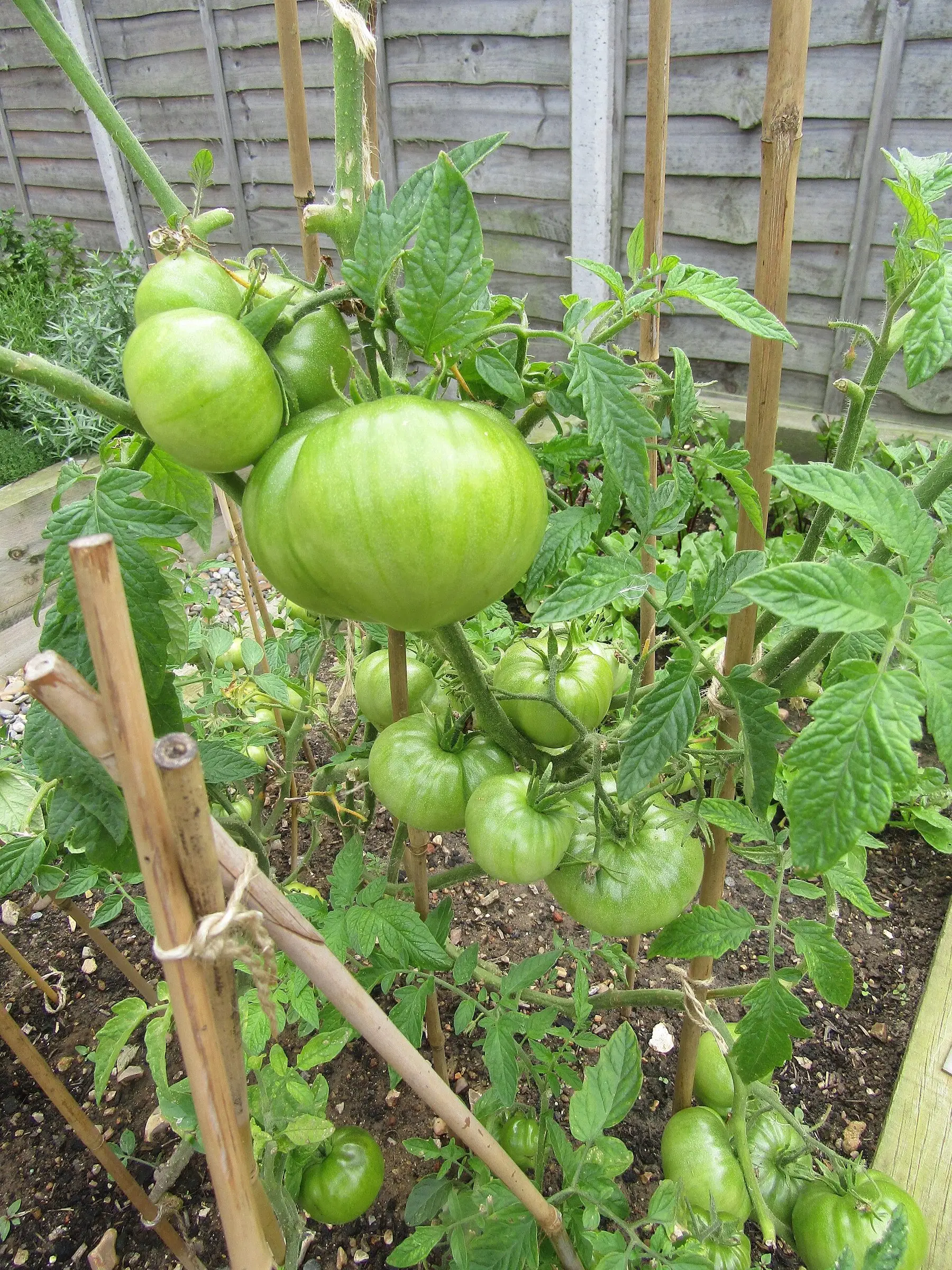
Companion Plants for Tomatoes (And 5 to Keep Away)
Basil, marigolds, and borage earn their place next to tomatoes. Fennel, potatoes, and brassicas do not. What to plant together, and why each pairing works.
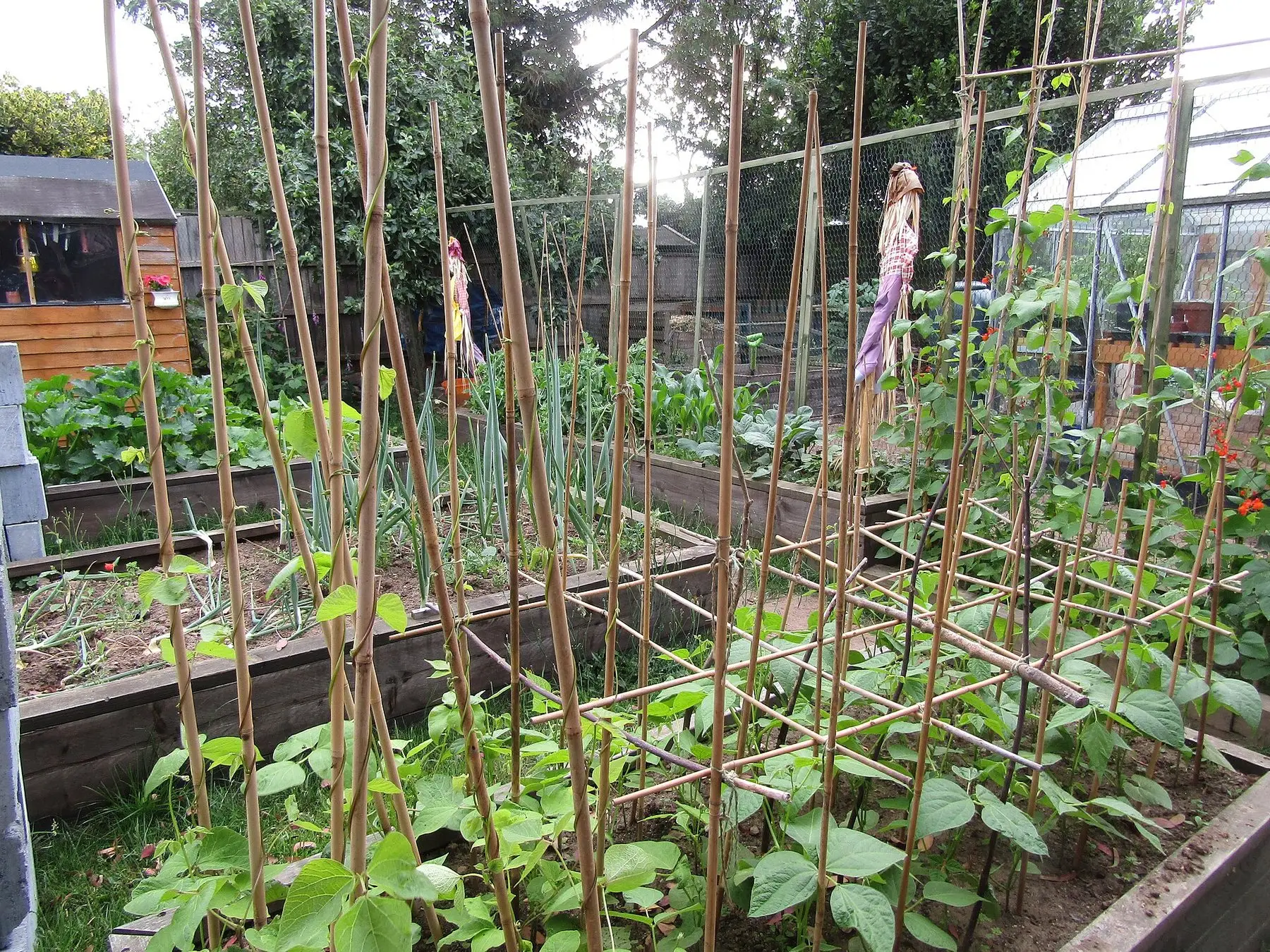
Best Raised Garden Beds: 5 Kits Worth the Money
Metal, cedar, or plastic — the material decides how long a raised bed lasts and what it costs to fill. Five kits compared, plus how to pick the right depth.
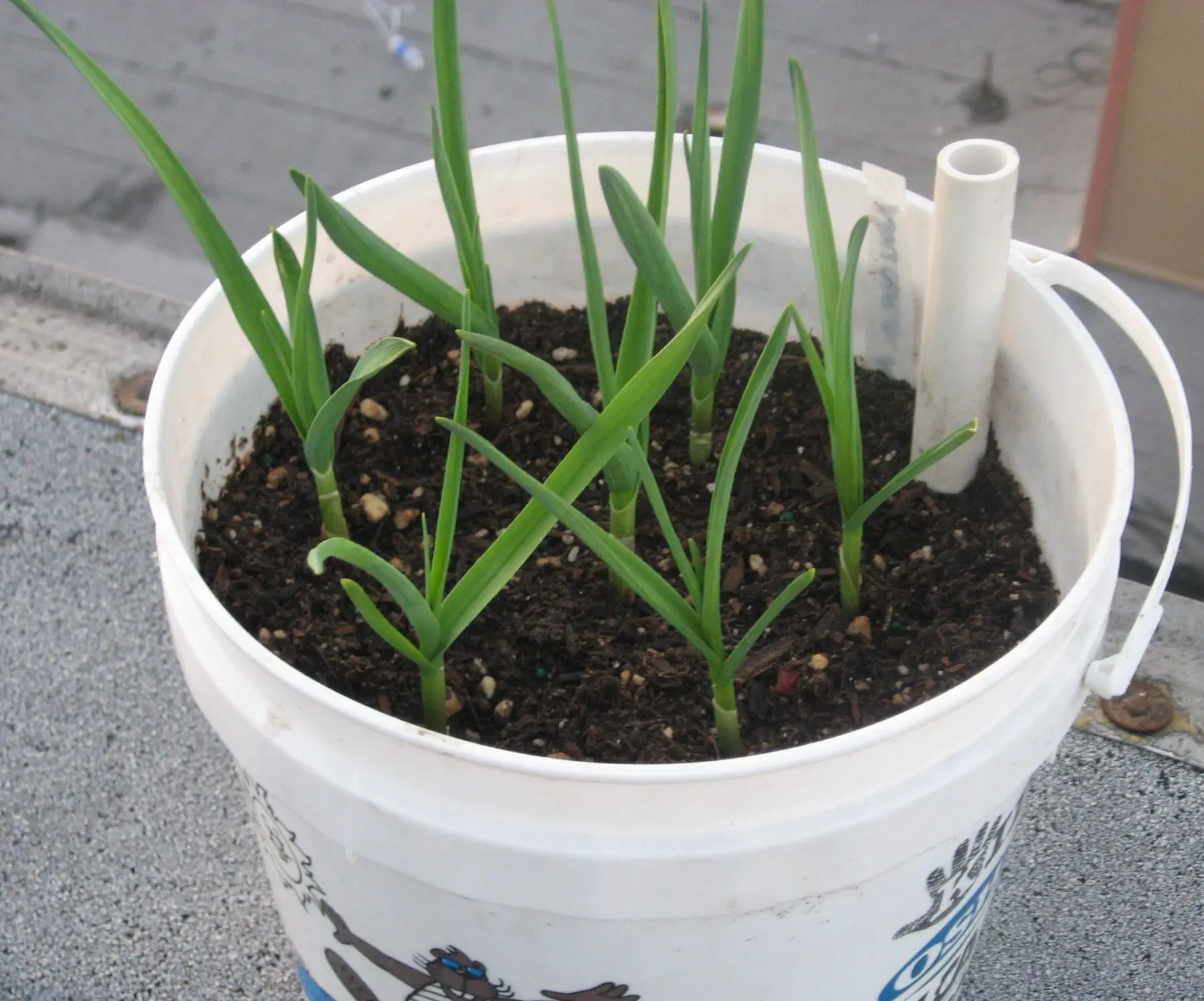
How to Grow Garlic in Pots: Depth, Size and Overwintering
Garlic needs a cold spell and eight months in the pot, so container size and winter protection decide whether you get bulbs or scallions.
Elephant Ear Plant Care: Light, Water and Overwintering
Colocasia wants wet feet and heat; Alocasia wants drainage and humidity. Which one you have decides the care — plus how to lift and store the tubers.