How to Grow Grapes: Prune Hard, and Prune in Winter
Grapes fruit on shoots from last year's wood, so timid pruning gives a huge vine and no crop. The two training systems, and why summer pruning is separate.
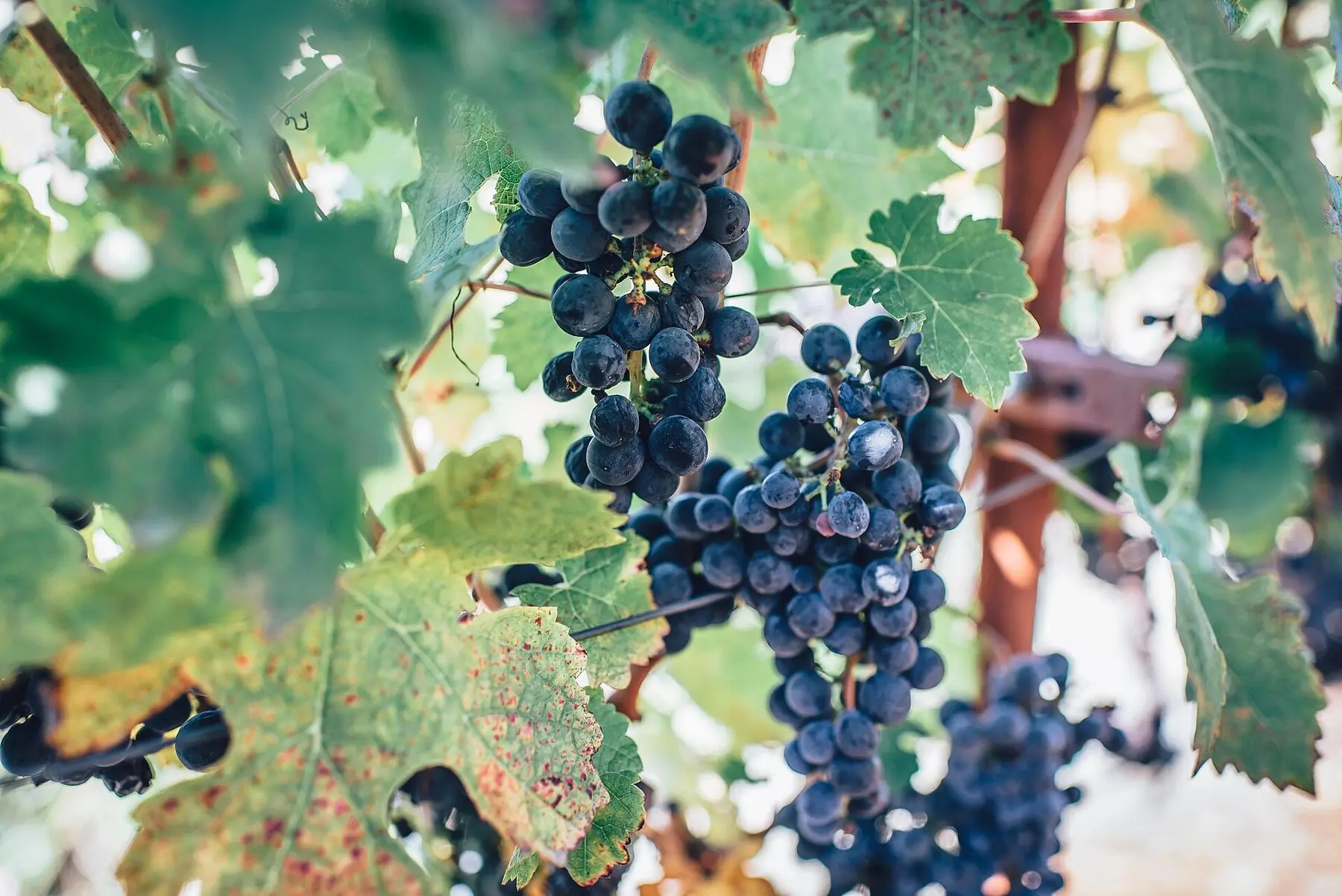

On this page
There is one thing to understand about grapes, and everything else follows from it: fruit comes on shoots that grow this year, from buds on wood that grew last year.
That means every winter you cut nearly all of last season’s growth away. People find this alarming and prune timidly, and the result is always the same — a magnificent vine with almost no grapes on it.
Site and soil
Grapes want sun, heat and shelter, and they want them more than almost any other fruit you can grow in a temperate garden.
A south or south-west facing wall is ideal — it adds heat during the day and radiates it at night, and in a marginal climate that is often the difference between ripe fruit and sour fruit. Under glass is better still.
Soil should be free-draining and not rich. This is the counter-intuitive part: grapes are deep rooted and thrive on stony, poor ground. Rich, moist soil gives you vigorous leafy growth, poor fruiting, and more disease. Vineyards on gravel are not making a virtue of necessity.
Support first
Build the structure before the vine goes in, because it will be there for thirty years.
- Three or four horizontal galvanised wires, spaced about 12 inches apart, lowest at roughly 18 inches.
- Strained tight between posts, or on vine eyes if you are training against a wall — the eyes hold the wire a few inches off the surface, which is important for airflow.
The first two years: build a trunk
- After planting, cut the vine back hard to two or three buds. This feels destructive and is correct.
- Let the buds shoot, then select the single strongest and remove the others. That shoot becomes the permanent trunk.
- Tie it in as it grows, and pinch out side shoots.
- Remove every flower in years one and two.
A vine allowed to fruit in its first two years never builds a decent framework, and it pays for that for the rest of its life.
Winter pruning: the annual reset
| Spur pruning | Cane pruning | |
|---|---|---|
| Framework | Permanent trunk plus permanent arms | Trunk only; arms renewed yearly |
| Each winter | Cut back to 2-bud spurs on the arms | Remove old cane; tie in 1–2 new ones |
| Simplicity | Easier to learn and keep tidy | More judgement required |
| Suits | Most garden and table varieties | Varieties whose basal buds are unfruitful |
For most garden vines, spur pruning is the right choice. In midwinter, cut every shoot that grew last season back to one or two buds from the permanent arm. You are left with what looks like a bare skeleton with stubs on it. That is correct.
Prune in midwinter, never in spring
Once sap starts rising, a grape vine bleeds copiously from every cut and can lose a great deal of sap before the wound seals. Prune while it is fully dormant and leafless — deep winter. If you have missed the window, wait until after the vine is in full leaf and do only what is essential.
Summer pruning is a different job
Winter pruning sets the structure. Summer pruning controls light and energy, and it is what actually ripens the fruit.
- Thin the shoots in spring when they are a few inches long, leaving them 6 to 12 inches apart.
- Pinch each fruiting shoot back to about two leaves beyond the bunch.
- Shorten side shoots to one leaf.
- Remove some leaves shading the bunches in late summer — but not all of them, since the fruit can scorch in strong sun.
The purpose is not tidiness. Every leaf beyond what the bunch needs is competing with it, and shaded bunches do not sweeten.
Thinning and harvest
Remove surplus bunches so the vine ripens what remains — one or two per fruiting shoot is a reasonable target for table grapes. A vine carrying everything it sets ripens none of it well.
For dessert grapes, thinning individual berries within a bunch with narrow scissors gives larger, less congested fruit that does not rot in the middle. It is fiddly and it works.
Harvest by taste, not by colour. Grapes stop accumulating sugar the moment they are cut, so there is no ripening on the counter. Colour changes weeks before the sugar arrives. Taste a berry from the bottom of the bunch, which ripens last.
Common problems
Powdery mildew — white dusty coating on leaves and fruit. Airflow, summer pruning and resistant varieties. See powdery mildew.
Downy mildew — yellow oily patches above, white growth beneath, in wet weather. Improve airflow; avoid overhead watering.
Botrytis — grey mould in dense bunches. Thin the bunches and remove shading leaves.
Birds and wasps — net the bunches, or bag individual ones, from the point where they begin to colour.
Step by step
- Time
- P1095D
- Cost
- $70
- You need
- A grape variety suited to your climate, Posts and galvanised wire, or vine eyes for a wall, Compost or well-rotted manure
- Tools
- Secateurs, Spade, Soft ties
Choose a variety for your climate and your purpose
Dessert grapes need more heat and a longer season than wine grapes, and both need far more than most people expect. In cool climates choose early, disease-resistant varieties and grow them against a sunny wall or under glass. Table grapes outdoors in a short season are the most common disappointment.
Plant against a sunny, sheltered wall or on a wire frame
Full sun, shelter, and free-draining soil. Grapes tolerate poor, stony ground well and actively dislike rich, wet soil, which produces leaf at the expense of fruit. A south or south-west facing wall adds heat that can be the difference between ripe and sour.
Build the support before planting
Run three or four horizontal wires at roughly 12 inch spacings, the lowest about 18 inches from the ground, strained tight between posts or on vine eyes. The vine will be on this structure for decades, so build it properly now.
Establish a single permanent trunk in the first two years
Cut the young vine back hard after planting to two or three buds. Grow one strong shoot as the trunk and remove the rest, tying it in as it goes. Remove any flowers in the first two years — a vine allowed to fruit young never builds a proper framework.
Prune hard every winter while fully dormant
Grapes fruit on shoots produced this year from wood grown last year, so pruning is an annual reset. In midwinter cut back the previous season's growth to one or two buds on the permanent framework. Prune in late winter or spring and the vine bleeds sap heavily from the cuts.
Thin the shoots in spring
When new shoots are a few inches long, rub out the weakest so the remaining ones are roughly 6 to 12 inches apart along the framework. Overcrowded shoots shade each other, hold damp air, and produce small poorly-ripened bunches.
Summer prune to two leaves past each bunch
Pinch each fruiting shoot back to about two leaves beyond the bunch, and shorten side shoots to one leaf. This directs energy into the fruit rather than more foliage and lets light onto the developing bunches, which is what ripens and sweetens them.
Thin the bunches, then harvest by taste
Remove some bunches so the remainder can ripen properly — one or two per fruiting shoot. Grapes do not sweeten after picking, so ignore colour and taste one from the bottom of the bunch, which ripens last.
Common questions
When should you prune a grape vine?
How hard should you prune grapes?
How long does a grape vine take to produce fruit?
Do grape vines need a lot of water and feeding?
Why do my grapes not ripen or taste sour?
What is the difference between cane and spur pruning?
Backyard Weekly
Know what to plant, week by week
Free planting calendar. Join the weekly email for seasonal jobs, fixes for what is going wrong, and gear worth buying.
Set MONETIZATION.email.endpoint in src/config/site.ts to enable this form.
By subscribing you agree to our privacy policy. Grow In Backyard will never sell your address.
Keep reading
How to Grow an Apple Tree From Seed (Read This First)
Apple seeds grow, but never into the apple you ate — every seed is a new variety. How to germinate them anyway, and what you will actually get.
How to Grow Strawberries (And Get Fruit the First Year)
Strawberries are easy to grow and easy to get wrong. Which of the three types to plant, why you pinch the first flowers, and how to keep a bed producing.
Cucumber Trellis Ideas, and Why Vertical Growing Wins
Cucumbers off the ground give straighter fruit, less mildew and half the footprint. Five trellis designs, the height you actually need, and how to train the vines.
How to Grow Blackberries: Planting, Pruning and Picking
Thornless erect varieties on a two-wire trellis, pruned on the floricane-primocane cycle. Planting, feeding, and the one pruning rule that decides your crop.