How to Grow a Lemon Tree in a Pot, Anywhere
Lemons fruit year round and survive cold winters in a container, given light and the right watering. Why grafted trees matter, and what leaf drop is telling you.

On this page
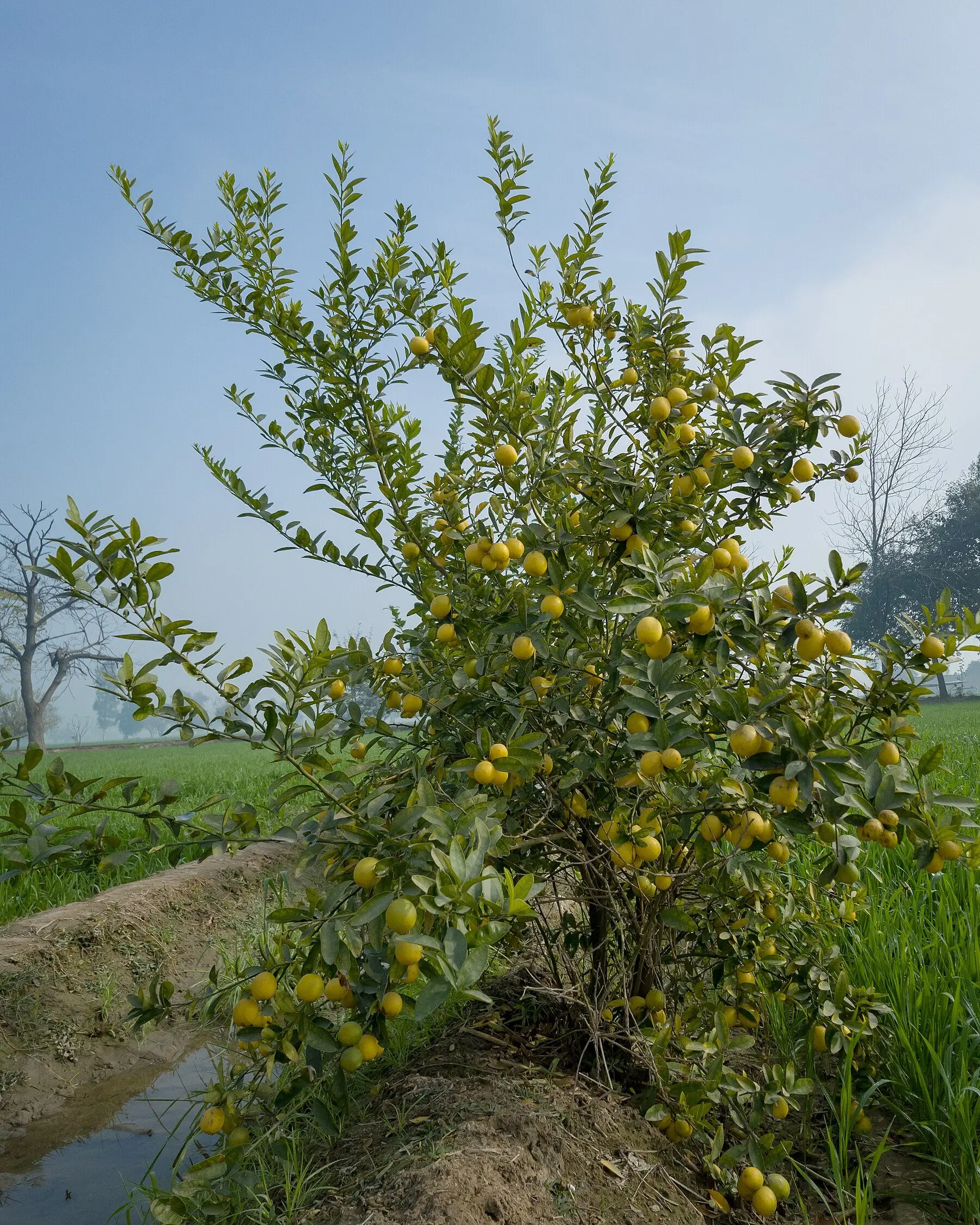
A lemon tree in a pot will fruit year round — flowers, green fruit and ripe lemons on the plant at once — and will survive a cold winter indoors that would kill it in the ground.
Two decisions make or break it: buying a grafted tree rather than growing from a pip, and getting the watering right in a container.
Why not from a pip
A lemon pip germinates easily and grows into an attractive plant. It will also:
- Take 5 to 15 years to flower, if it ever does
- Produce fruit unlike the lemon it came from, because citrus does not come true from seed
- Grow long thorns during its extended juvenile phase
- Reach a large size before doing anything useful
A grafted tree — a named variety joined to a selected rootstock — fruits within a year or two, stays true, and can be sized by the rootstock. That is the entire reason grafted citrus exists, and it is the same logic as apple trees.
Growing from a pip is a good project. It is not a route to lemons.
Choosing a variety
| Variety | Size | Fruit | Notes |
|---|---|---|---|
| Meyer | Compact, 6–10 ft | Sweeter, thin-skinned, rounder | The usual container choice; slightly hardier |
| Lisbon | Large, 12–20 ft | Classic tart lemon | Vigorous, thorny, heavy cropper |
| Eureka | Large | Classic tart lemon | Nearly thornless; fruits almost continuously |
| Variegated Pink | Medium | Pink flesh, striped rind | Ornamental as much as productive |
| Ponderosa | Medium | Enormous, thick-skinned | More curiosity than crop |
Ask what rootstock it is on. Flying Dragon is dwarfing and keeps a tree manageable in a pot without reducing the crop — worth seeking out specifically.
The pot and the compost
- Large, but go up gradually — one or two sizes at a time. An oversized pot holds wet compost the roots cannot use.
- Terracotta suits citrus well, since it breathes and dries the rootball.
- Generous drainage holes, and never standing in a saucer of water.
- Free-draining mix — a proprietary citrus compost, or a loam-based compost with about a third grit or perlite. Not ordinary multipurpose on its own, which stays too wet.
- Slightly acidic, roughly pH 6.0 to 6.5.
Repot every two to three years in spring, teasing out circling roots.
Watering, which is where they are lost
Check before you water. Top two inches dry, then water thoroughly until it runs from the base, and let it drain completely.
Frequency varies enormously — twice a week in high summer, once every two or three weeks in winter. Watering to a schedule rather than to the compost is the fastest way to kill one.
Citrus roots need oxygen. Permanently damp compost causes root rot, and by the time the leaves show it the roots are usually gone. Growing in pots covers the general principles.
Rainwater if your tap water is hard. Citrus dislike alkaline water and it gradually raises the pH of the compost, which locks up iron — the same mechanism that yellows blueberries.
Feeding
Citrus are hungry, and they need trace elements ordinary fertiliser does not supply in the right balance.
- Summer citrus feed — higher nitrogen — from spring through autumn, roughly weekly to fortnightly while in growth.
- Winter citrus feed — lower nitrogen — when growth slows.
- Watch for interveinal yellowing — yellow leaf with green veins — which means iron or magnesium shortage and is very common in hard-water areas.
Light, warmth and overwintering
Full sun outdoors in summer. Move the pot out once nights are reliably above 50°F, and harden it off over a week or two.
Overwinter cool and bright. 50 to 60°F is the target, in the brightest spot available — a conservatory, porch, unheated greenhouse or cool spare room.
A warm living room is worse than a cold porch
The common mistake is bringing citrus into a heated room for the winter. Warmth keeps the tree in active growth at exactly the time of year when light levels cannot support it, so it produces weak pale growth, drops leaves and is far more vulnerable to scale and spider mite in the dry air. Cool and bright beats warm and dim every time.
Move it gradually. Sudden transitions in either direction cause leaf drop. Two weeks of progressively longer or shorter exposure prevents most of it.
Reading leaf drop
| Symptom | Likely cause |
|---|---|
| Green leaves dropping suddenly | Shock — moved, cold draught, temperature swing |
| Yellow leaves dropping | Overwatering, or nitrogen shortage |
| Yellow between green veins | Iron or magnesium — hard water, or wrong feed |
| Curling with sticky residue | Aphids or scale |
| Fine webbing, pale stippling | Spider mite, from warm dry air |
| Whole tree wilting, compost damp | Root rot — usually terminal |
| Flowers drop, tiny fruit falls | Normal — the tree sheds most of what it sets |
That last one is worth knowing: a lemon tree sets far more flowers and fruitlets than it can carry, and drops the surplus. It is not a fault.
Pruning and fruit
Prune lightly in spring — remove crossing branches, dead wood, and any shoots from below the graft union, which come from the rootstock and will take over if left.
Lemons fruit on new wood, so light annual pruning encourages cropping. Fruit takes six to nine months to ripen and holds well on the tree, so harvest as needed rather than all at once. Colour plus a slight softness is the signal; unlike a tomato, a lemon does not improve after picking.
Common questions
Can you grow a lemon tree from a pip?
Why are my lemon tree leaves falling off?
How often should you water a potted lemon tree?
What is the best lemon variety for a container?
How cold can a lemon tree tolerate?
Do lemon trees need special fertiliser?
Backyard Weekly
Know what to plant, week by week
Free planting calendar. Join the weekly email for seasonal jobs, fixes for what is going wrong, and gear worth buying.
Set MONETIZATION.email.endpoint in src/config/site.ts to enable this form.
By subscribing you agree to our privacy policy. Grow In Backyard will never sell your address.
Keep reading
How to Grow an Apple Tree From Seed (Read This First)
Apple seeds grow, but never into the apple you ate — every seed is a new variety. How to germinate them anyway, and what you will actually get.
Outdoor Plants in Pots: What Survives, and What Kills Them
A pot outdoors is a harsher place than the ground — hotter, drier, and colder in winter. How to pick plants and pots that cope, and get through the cold.
How to Grow an Avocado: From a Pit, and From a Tree
A pit sprouts easily and almost never fruits. What the toothpick trick produces, why grafted trees exist, and the A/B flowering quirk that decides pollination.
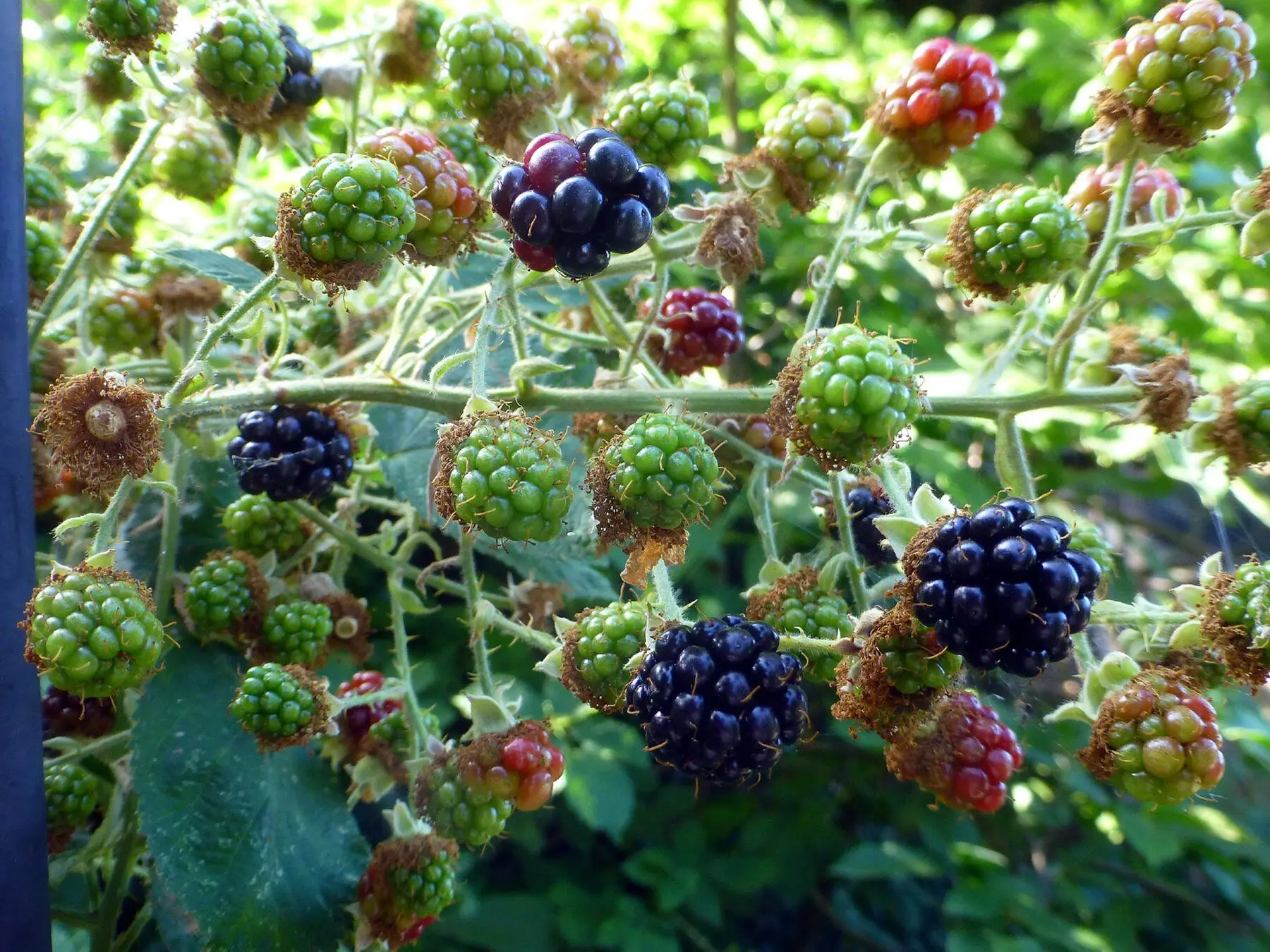
How to Grow Blackberries: Planting, Pruning and Picking
Thornless erect varieties on a two-wire trellis, pruned on the floricane-primocane cycle. Planting, feeding, and the one pruning rule that decides your crop.