How to Grow Beans: Bush or Pole, and Never Sow Early
Beans rot in cold wet soil and resent transplanting, so sowing date matters more than anything else. Bush versus pole, supports, and picking to keep them coming.
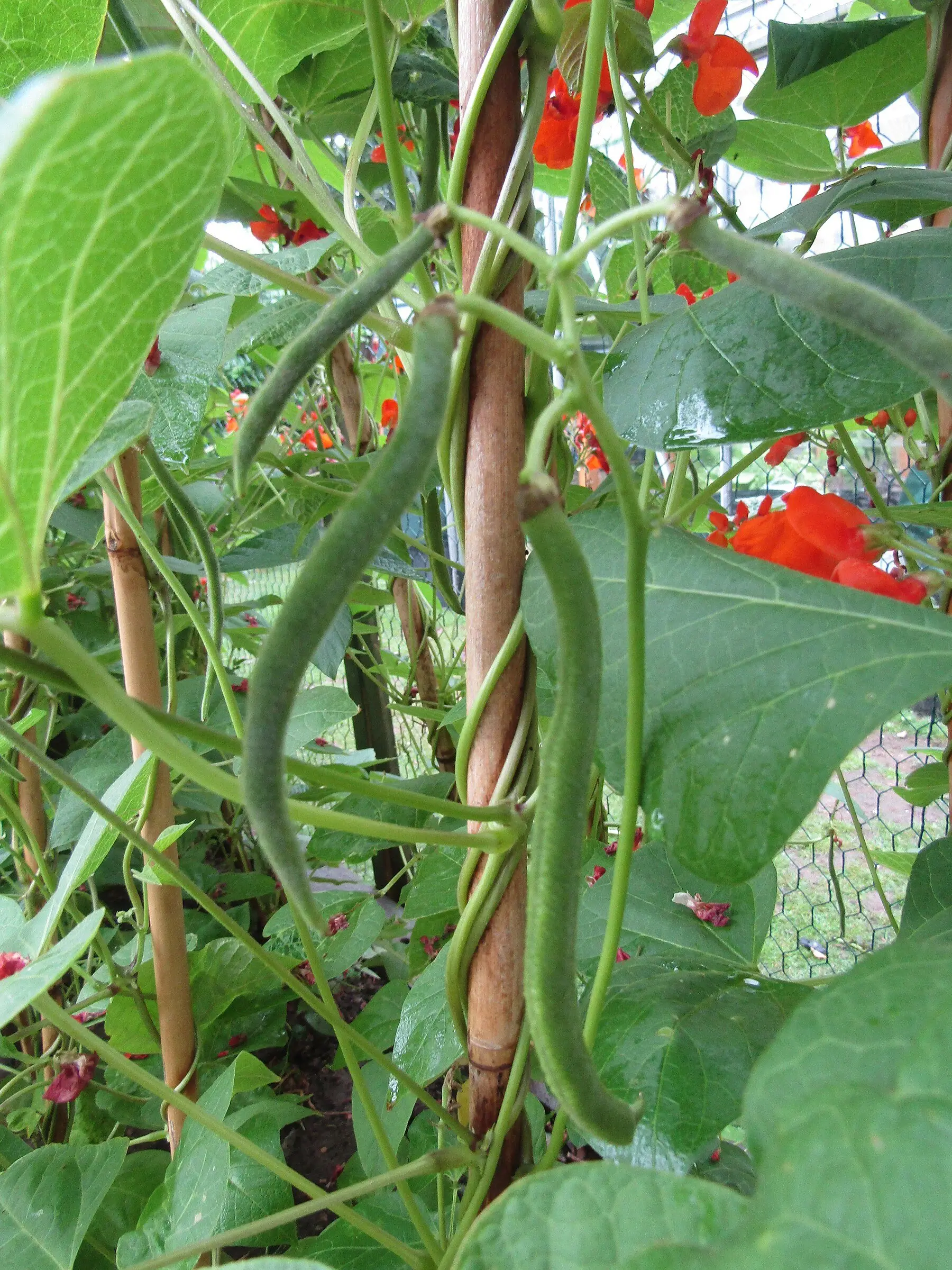
,_Trimingham,_Norfolk_(1).JPG)
On this page
Beans fail in one predictable way: sown too early into cold wet soil, where they rot instead of germinating.
Everything else about them is forgiving. They are not fussy about soil, they feed themselves, and they crop heavily. Just wait for warmth.
The types
| Type | Height | Support | Cropping | Notes |
|---|---|---|---|---|
| Bush / dwarf French | 18–24 in | None | 2–3 weeks, heavy | Good for freezing; easy in containers |
| Pole / climbing French | 6–8 ft | Canes or netting | 2 months+ | Best yield per square foot |
| Runner | 8–10 ft | Sturdy frame | 2 months+ | Larger, coarser pods; heavy crop |
| Broad / fava | 2–4 ft | Light staking | 3–4 weeks | Cool-season — sown in autumn or early spring |
| Borlotti, drying | Varies | Depends on type | One harvest | Left to dry on the plant |
Broad beans are the exception to everything below. They are a cool-season crop, sown in autumn or very early spring, and they tolerate frost. The warmth rules apply to French and runner beans.
Pole beans produce far more from the same ground — the same vertical logic as cucumbers on a trellis. If space is limited, climb them.
Sowing
Wait for the soil. Above 60°F, and after the last frost — usually two to three weeks past it.
Sow direct. Beans have brittle taproots and resent transplanting. If your season is genuinely too short, start in biodegradable pots three weeks before planting out and plant the whole pot.
- Depth: 1 to 2 inches.
- Spacing: bush beans 4 to 6 inches apart in rows 18 inches apart; pole beans 6 inches apart at the base of each support.
- Sow a few extra and thin, rather than hoping for perfect germination.
Succession-sow bush beans every two or three weeks for a continuous supply, since each sowing crops in a short window. Pole beans do not need this — one sowing crops all season.
Mice take bean seed, reliably
Sown beans are a known target for mice, and a row that never comes up has often been eaten rather than rotted. Covering the row with fleece or netting until the seedlings are through solves it. This is the same precaution worth taking with peas, and for the same reason.
Supports, in before they climb
Put the frame up at sowing, not when the plants start reaching.
- Wigwam — six to eight canes tied at the top. Stable, attractive, good for small beds.
- Double row with a cross bar — two angled rows of canes with a horizontal cane lashed along the top. The strongest option for a long row.
- Netting or strings on a frame.
Runner beans in full leaf carry an enormous wind load. A frame that feels over-engineered in May is about right in August, and collapsed bean rows after a summer storm are a standard sight.
Beans twine around their support — they do not need tying, and they cannot grip anything much thicker than a cane.
Soil, water and feeding
Compost dug in before planting is enough. Beans fix their own nitrogen through rhizobia in root nodules, so a nitrogen feed gives you a magnificent leafy plant carrying very little.
An inoculant dusted on damp seed at sowing is worth using where legumes have not grown for a few years, since the bacteria must already be present to form nodules.
Water matters most at flowering and pod set. Before that, beans are fairly self-sufficient. Once flowers appear, a deep soak once or twice a week directly affects how many pods set.
Mulch to hold moisture steady and keep roots cool — which also reduces the flower drop below.
Flowers but no pods
The common complaint, and usually heat or dry air.
Runner beans in particular drop flowers above about 85°F, and low humidity stops pollen working. It is a physiological response, not a disease.
What helps: consistent watering, a good mulch, misting runner bean flowers in dry spells, and planting flowers nearby to draw pollinators. In a hot climate, French beans set far more reliably than runners.
Picking
Every day or two. This is the rule that decides how long the crop lasts.
A pod left to swell its seeds tells the plant it has reproduced, and it slows down. Pick young and pick often — French beans when pencil-thin and snapping cleanly, runner beans before the pods go stringy and the seeds bulge.
Hold the vine and pull, or use snips. Bean stems tear easily.
If a few pods get away from you, leave them to dry fully on the plant and save the seed for next year.
At the end
Cut the plants off at soil level. The nitrogen fixed in the root nodules releases into the soil as they break down, feeding whatever follows — which makes beans an excellent thing to precede a hungry crop like brassicas in a rotation.
Top growth goes on the compost heap.
Common questions
When should you plant beans?
What is the difference between bush beans and pole beans?
Do beans need fertiliser?
Why are my beans flowering but not setting pods?
How often should you pick beans?
Should you pull bean plants up at the end of the season?
Backyard Weekly
Know what to plant, week by week
Free planting calendar. Join the weekly email for seasonal jobs, fixes for what is going wrong, and gear worth buying.
Set MONETIZATION.email.endpoint in src/config/site.ts to enable this form.
By subscribing you agree to our privacy policy. Grow In Backyard will never sell your address.
Keep reading
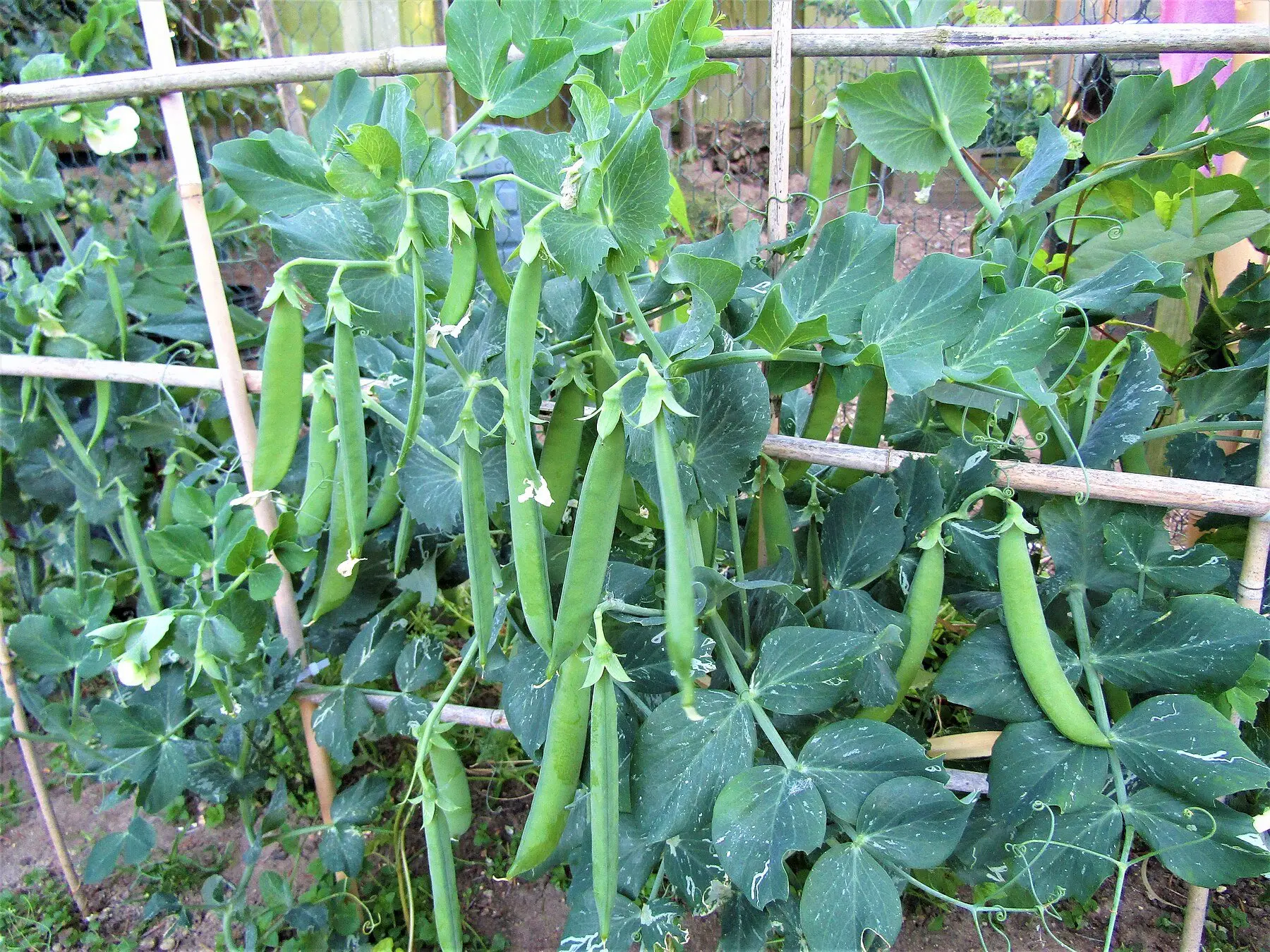
How to Grow Peas: Sow Cold, Support Early, Pick Often
Peas are a cool-season crop that stops in heat, so sowing early beats sowing well. Support at three inches, and the sugar-to-starch clock after picking.
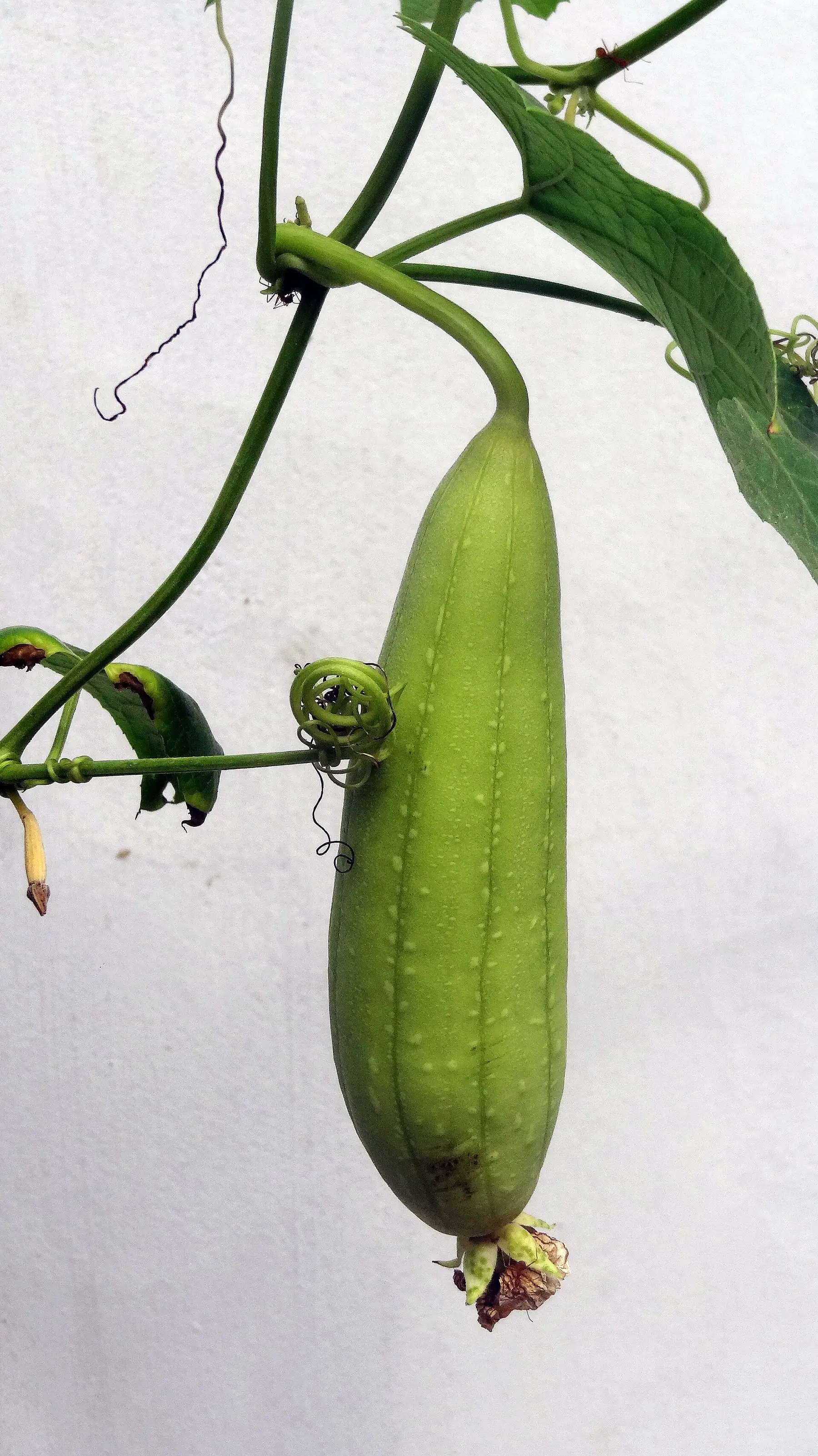
How to Grow Cucumbers: Heat, Water, and Bitter Fruit
Cucumbers fail from cold soil at the start and inconsistent water later. Bush or vining, why the first flowers set nothing, and what actually makes them bitter.
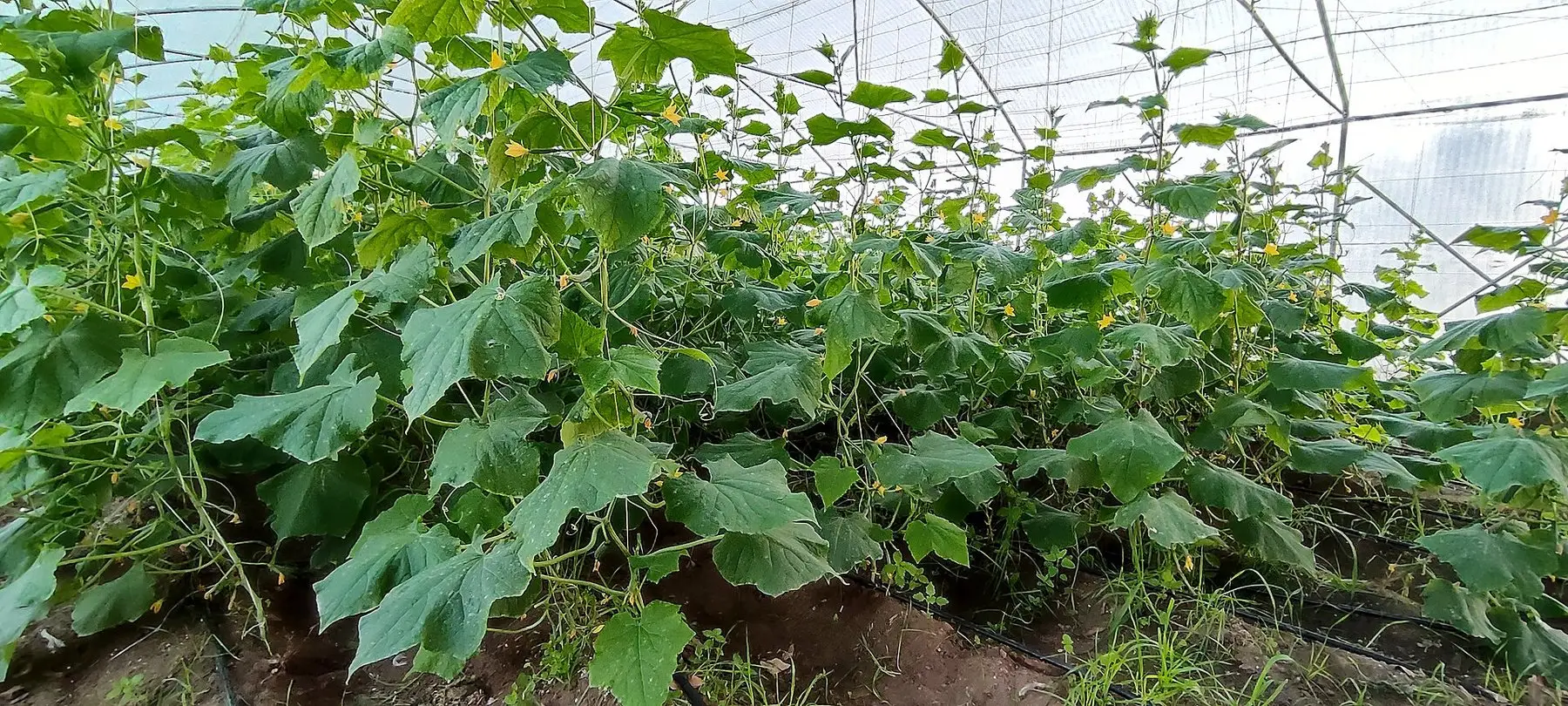
Cucumber Trellis Ideas, and Why Vertical Growing Wins
Cucumbers off the ground give straighter fruit, less mildew and half the footprint. Five trellis designs, the height you actually need, and how to train the vines.
How Deep to Plant Potatoes (And Why Hilling Matters More)
Four inches at planting, then hill as they grow. Why planting deep in cold spring soil backfires, and how depth differs in containers and no-dig beds.