Rubber Tree Plant Care: Light, Water, and Why Leaves Drop
Ficus elastica drops leaves when it is moved, overwatered, or cold — usually all three. What it actually needs indoors, and how to prune one that has gone leggy.
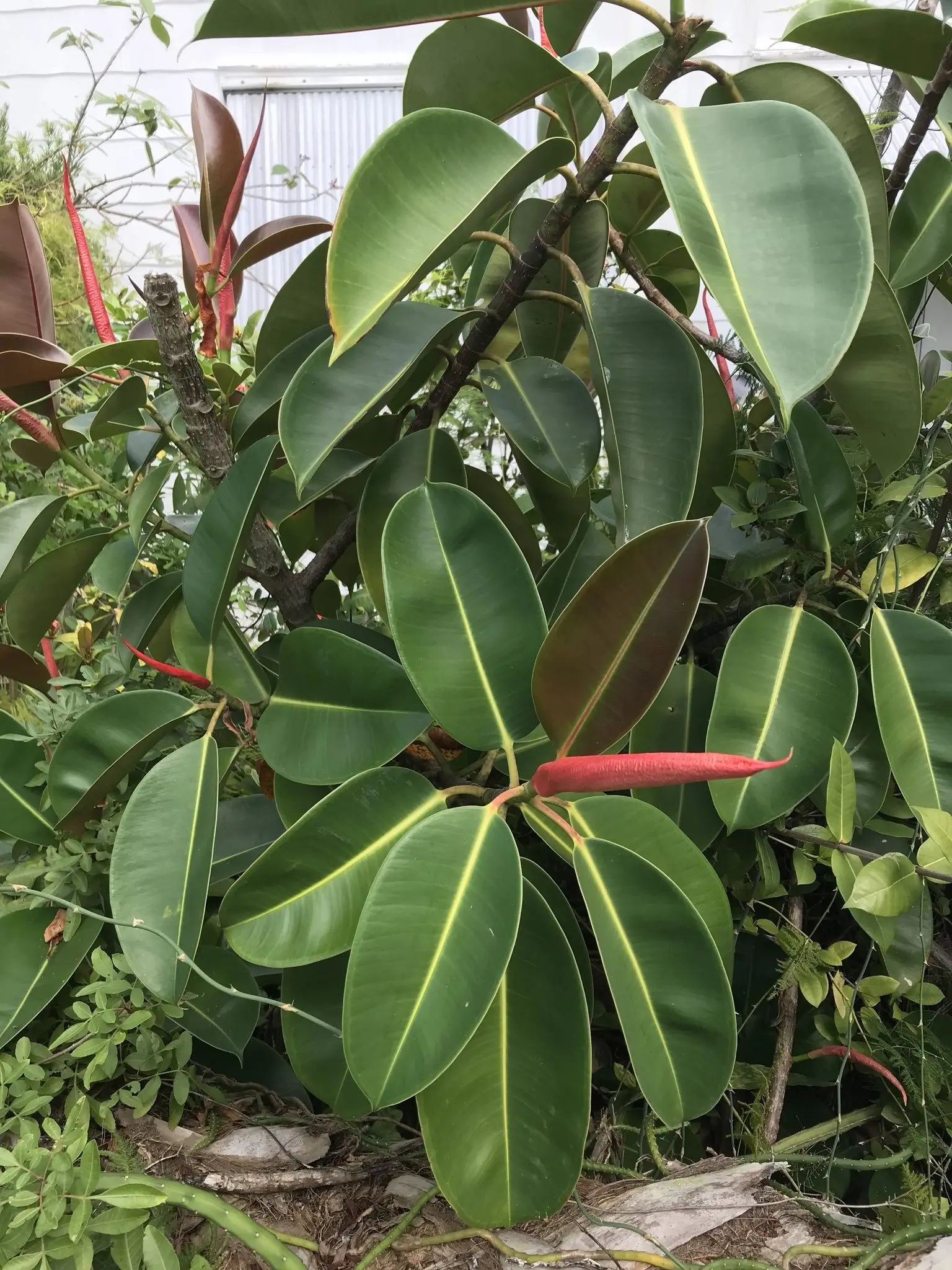

On this page
A rubber plant that suddenly drops half its leaves has almost always been moved, chilled, or overwatered — and it reacts a week or two after the event, which is why the cause is usually missed.
Ficus elastica is not a fussy plant. It is a plant that dislikes change, which is a different problem and an easier one to solve.
Light
Bright and indirect. An east-facing window is close to ideal; a few feet back from a south or west one works too.
In low light the plant does not die, it stretches — long bare stem between leaves, smaller new leaves, and steady loss of the lower ones. That leggy shape is a light problem, not an age problem.
Variegated varieties need more light than the plain dark green ones. Ruby, Tineke and the pink forms have less chlorophyll to work with, and in dim conditions they revert toward green or simply fail to grow.
Rotate the pot a quarter turn every week or two, or it leans and grows one-sided.
Water: the thing most people get wrong
Rubber plants are far more often killed by too much water than too little.
Check the mix before watering. Push a finger in — if the top inch or two is still damp, wait. In summer that usually means every one to two weeks; in winter every two to four.
When you do water, water thoroughly until it runs from the drainage hole, then empty the saucer. Half-watering leaves the lower root ball dry while the surface looks fine.
| Symptom | Usually means |
|---|---|
| Yellowing from the bottom up, then dropping | Overwatering |
| Drooping, curling, crisp edges | Underwatering |
| Sudden drop of several healthy leaves | A move, a draught, or a cold snap |
| Brown crispy leaf edges | Dry air, or salt build-up from tap water |
| Small pale new leaves, long bare stem | Not enough light |
| Sticky residue and fine webbing | Scale or spider mite |
Warmth and air
Above 60°F, and ideally 65–80°F. Below about 50°F it suffers.
Cold draughts are the classic hidden cause of leaf drop: a spot beside a door in winter, or a leaf resting against a cold window pane. Radiators and heating vents cause the opposite problem — hot dry air and crisp brown edges.
Average household humidity is acceptable, though the plant does better with more. Misting achieves very little; grouping plants together or a pebble tray does more.
Feeding and potting
Feed with a balanced liquid fertiliser monthly through spring and summer, and stop in autumn and winter when growth slows. Overfeeding a plant that is not growing burns roots.
Repot every two to three years, in spring, into a pot only one or two inches wider. Rubber plants are content slightly potbound, and a large pot holds more wet mix than the roots can use — which puts you straight back into the overwatering problem.
Use a free-draining mix: standard potting mix with extra perlite and some bark. See potting soil for what those ingredients are doing.
The sap is latex, and it irritates
Every cut releases a milky sap. It is a skin irritant, it stains, and it causes mouth irritation and stomach upset if a pet or child chews a leaf. Wear gloves when pruning, keep a cloth underneath, and be aware that people with a latex allergy can react to it.
Pruning: how to stop it being a pole
Left alone, Ficus elastica grows as a single unbranched stem and simply gets taller, shedding lower leaves as it goes. Nothing about better care changes that — branching only starts when the growing tip is removed.
To make it bushy:
- In spring or early summer, decide the height you want.
- Cut cleanly just above a leaf node.
- Hold a tissue against the cut until the sap stops.
- Within a few weeks, two or three buds below the cut break into new shoots.
Cut lower for a fuller shape. The removed top is a cutting.
Air layering beats a cutting for a tall bare plant
If the plant is six feet of stem with leaves only at the top, air layering gives you a whole new plant rather than a slow-rooting tip. Wound the stem lightly below the leafy section, wrap the wound in damp sphagnum moss, seal it in plastic, and wait for roots to appear through the moss over a month or two. Then cut below the roots and pot it up. The old stem, now stumpy, will branch from the cut.
Pests
Scale — small brown limpet-like bumps on stems and leaf undersides, with sticky honeydew below. Scrape them off and treat with horticultural soap or neem, repeatedly.
Spider mite — fine webbing and pale stippling, brought on by hot dry air. Raise humidity and wash the leaves.
Mealybug — white cottony clusters in leaf joints. Dab with alcohol on a cotton bud.
Wiping the leaves with a damp cloth every few weeks is not just cosmetic: it removes dust that blocks light, and it is how you find pests while the problem is still small.
Common questions
Why is my rubber plant dropping leaves?
How often should you water a rubber plant?
How much light does a rubber plant need?
How do you make a rubber plant bushier?
Is a rubber plant toxic to pets?
Can you propagate a rubber plant from a cutting?
Backyard Weekly
Know what to plant, week by week
Free planting calendar. Join the weekly email for seasonal jobs, fixes for what is going wrong, and gear worth buying.
Set MONETIZATION.email.endpoint in src/config/site.ts to enable this form.
By subscribing you agree to our privacy policy. Grow In Backyard will never sell your address.
Keep reading
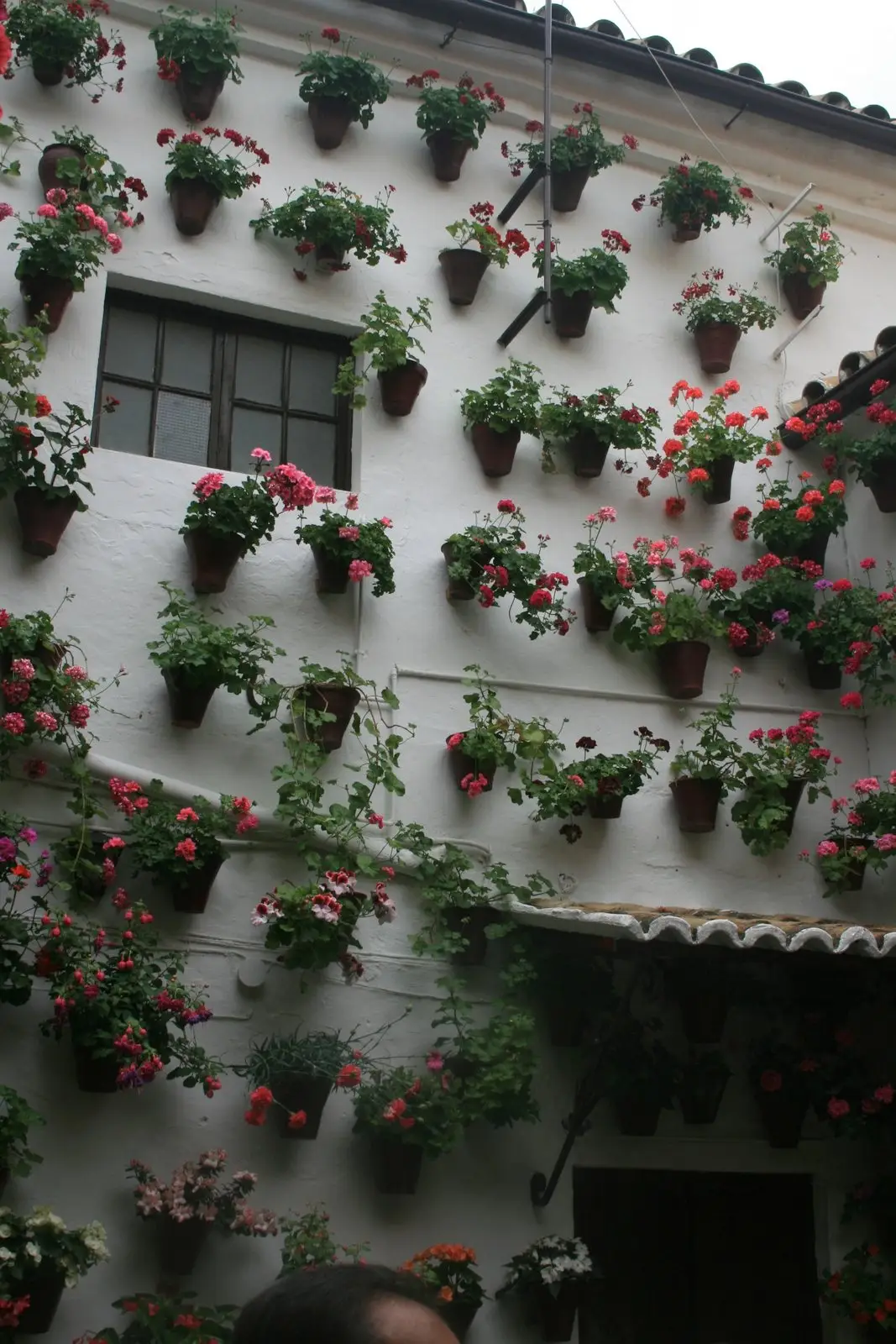
Outdoor Plants in Pots: What Survives, and What Kills Them
A pot outdoors is a harsher place than the ground — hotter, drier, and colder in winter. How to pick plants and pots that cope, and get through the cold.
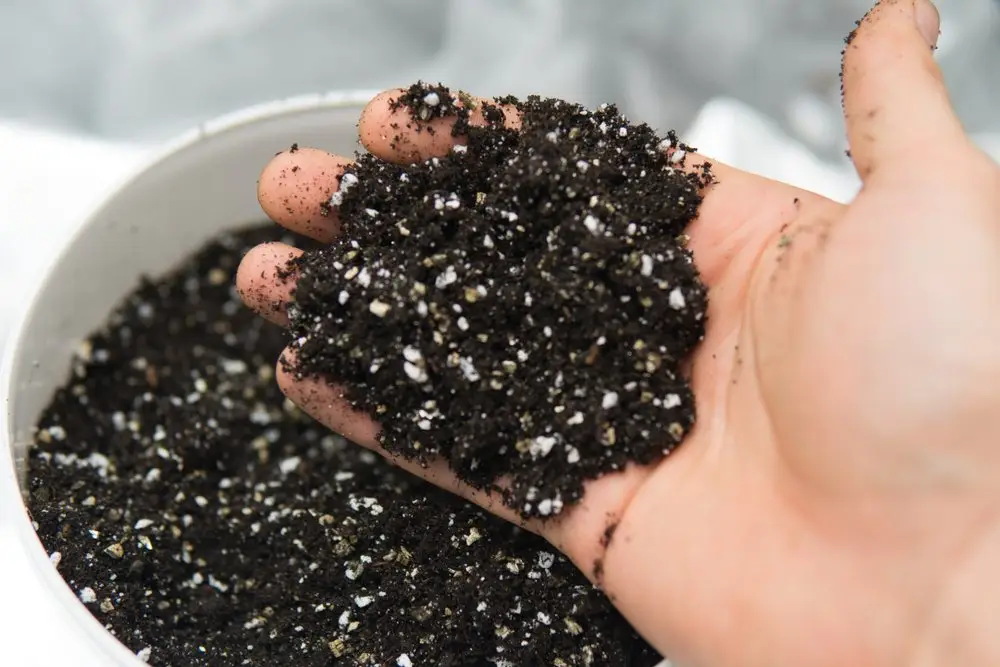
Potting Soil: What Is Actually in the Bag, and Which to Buy
Potting mix contains no soil at all, and that is the point. What each ingredient does, why garden soil fails in a container, and how to read a bag honestly.
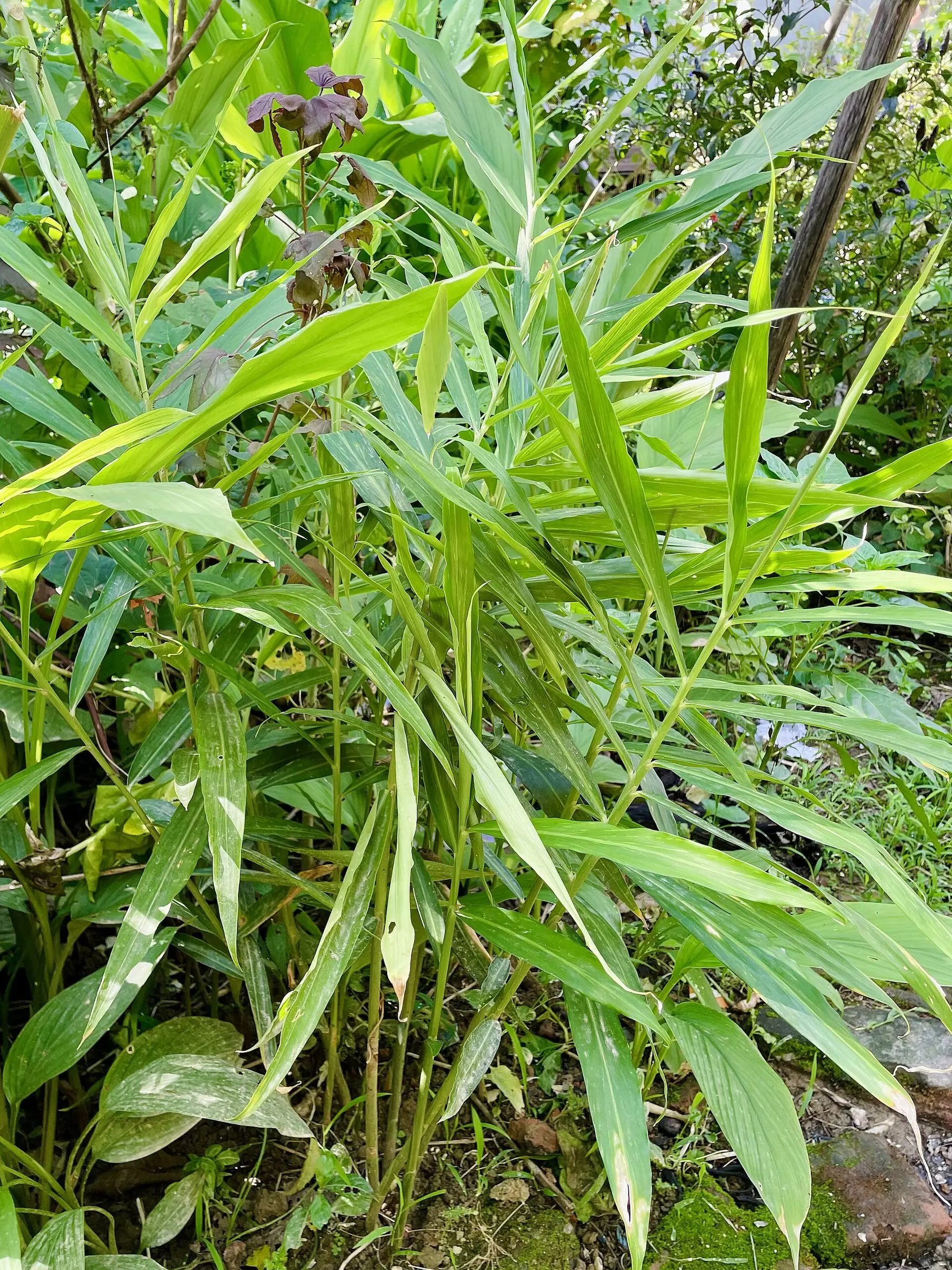
How to Grow Ginger From a Piece of Supermarket Root
Ginger grows readily from a shop-bought rhizome, given warmth, humidity and a wide shallow pot. Why it sprouts sideways, and the eight to ten months it needs.
How to Grow Garlic in Pots: Depth, Size and Overwintering
Garlic needs a cold spell and eight months in the pot, so container size and winter protection decide whether you get bulbs or scallions.