Companion Plants for Potatoes, and What Ruins the Crop
Potatoes are greedy, shallow-rooted and need earthing up, which rules out most neighbours. What genuinely fits alongside them, and the two crops to keep well away.

On this page
Potato companion planting is unusual, because the biggest constraint is not chemistry — it is earthing up.
You have to draw soil over the row two or three times during the season, which rules out anything growing tightly alongside. That single practical fact eliminates most of the pairings you will see suggested.
What works, and why
| Plant | What it does | Where to put it |
|---|---|---|
| Lettuce, spinach | Fast catch crop, harvested before earthing up | Between rows, early |
| Radish | Same — out of the ground in a month | Between rows, early |
| Beans, peas | Fix nitrogen; different rooting depth | Adjacent rows |
| Sweetcorn | Tall, different root zone, no competition for light | Adjacent bed |
| Horseradish | Traditional antifungal edge planting | Corners, in a sunken pot |
| Marigold (French) | Suppresses root-knot nematodes in soil | Row ends or as a prior cover crop |
| Nasturtium | Trap crop for aphids; sprawls outside the row | Bed edges |
| Coriander, dill | Attract predatory wasps and hoverflies | Bed edges |
| Alliums — onion, garlic | Different root zone, no conflict | Adjacent rows |
The catch-crop idea is the useful one. Potatoes take weeks to emerge and more weeks to fill their space. A row of radish or leaf lettuce between the potato rows is harvested and gone well before you need to earth up — see harvesting lettuce for getting several cuts from that window.
Beans and peas are genuinely complementary: they root at a different depth, and the nitrogen they fix benefits whatever follows in the rotation more than the potatoes themselves.
What to keep away
Tomatoes and potatoes must not share a bed
Both are Solanaceae, and both are hosts for Phytophthora infestans — late blight. Spores move freely between them, and potato foliage often shows the infection first, seeding it straight into the tomatoes. This is not a folk pairing; it is the same pathogen on two crops. Keep them in separate beds, and never let one follow the other in a rotation. Tomato blight covers what to do if it arrives.
Other nightshades — aubergine, peppers — carry the same logic, though the risk is lower than with tomatoes.
Cucurbits — cucumber, squash, pumpkin. Heavy feeders with sprawling growth that competes directly for the water potatoes need while their tubers are bulking. They also physically block access to the row.
Sunflowers. Strongly allelopathic — they release compounds that inhibit many neighbours. Give them their own corner.
Brassicas. Usually listed as incompatible. The real issue is that both are hungry and both want the same space and nutrients, and brassicas prefer limed, alkaline soil while potatoes want it slightly acidic to avoid scab. That soil-pH conflict is the substantial reason, not any chemical antagonism.
Fennel. Inhibits most things near it.
The pH conflict worth understanding
Potatoes want slightly acidic soil, roughly pH 5.0 to 6.0. Alkaline conditions encourage common scab — the corky brown patches on the skin.
That puts them directly at odds with brassicas, which are limed to raise pH partly because alkaline soil suppresses clubroot. You cannot optimise a bed for both, which is a better reason to separate them than any companion chart gives.
It is also why mushroom compost, which is alkaline, should be kept off potato beds.
Colorado potato beetle, honestly
The most commonly claimed benefit of potato companion planting is beetle deterrence, and the evidence is weak.
What has better support:
- Hand-picking, daily, including the orange egg clusters on leaf undersides. Tedious and effective.
- Crop rotation — beetles overwinter in the soil near last year’s crop, so moving the bed a distance genuinely helps.
- Straw mulch, which appears to interfere with adults finding and reaching the plants and also shelters their predators.
- Row cover until flowering.
French marigolds do earn a place for root-knot nematodes, which they suppress through root exudates — but that works best grown as a cover crop and dug in, not dotted along a row, and it does nothing about beetles.
Rotation matters more than any of this
Three to four years before potatoes or any nightshade returns to the same ground.
Potato cyst nematode persists in soil for years and rotation is the only practical control. Blight overwinters in tubers left in the ground, so lift every one, including the small ones, and remove volunteer plants the following spring.
If you do one thing from this page, make it the rotation rather than the companion list. Full growing detail is in how to grow potatoes.
Common questions
What can you plant with potatoes?
What should you not plant near potatoes?
Can you plant tomatoes and potatoes together?
Do marigolds protect potatoes from beetles?
How long should you rotate potatoes?
Does horseradish really help potatoes?
Backyard Weekly
Know what to plant, week by week
Free planting calendar. Join the weekly email for seasonal jobs, fixes for what is going wrong, and gear worth buying.
Set MONETIZATION.email.endpoint in src/config/site.ts to enable this form.
By subscribing you agree to our privacy policy. Grow In Backyard will never sell your address.
Keep reading
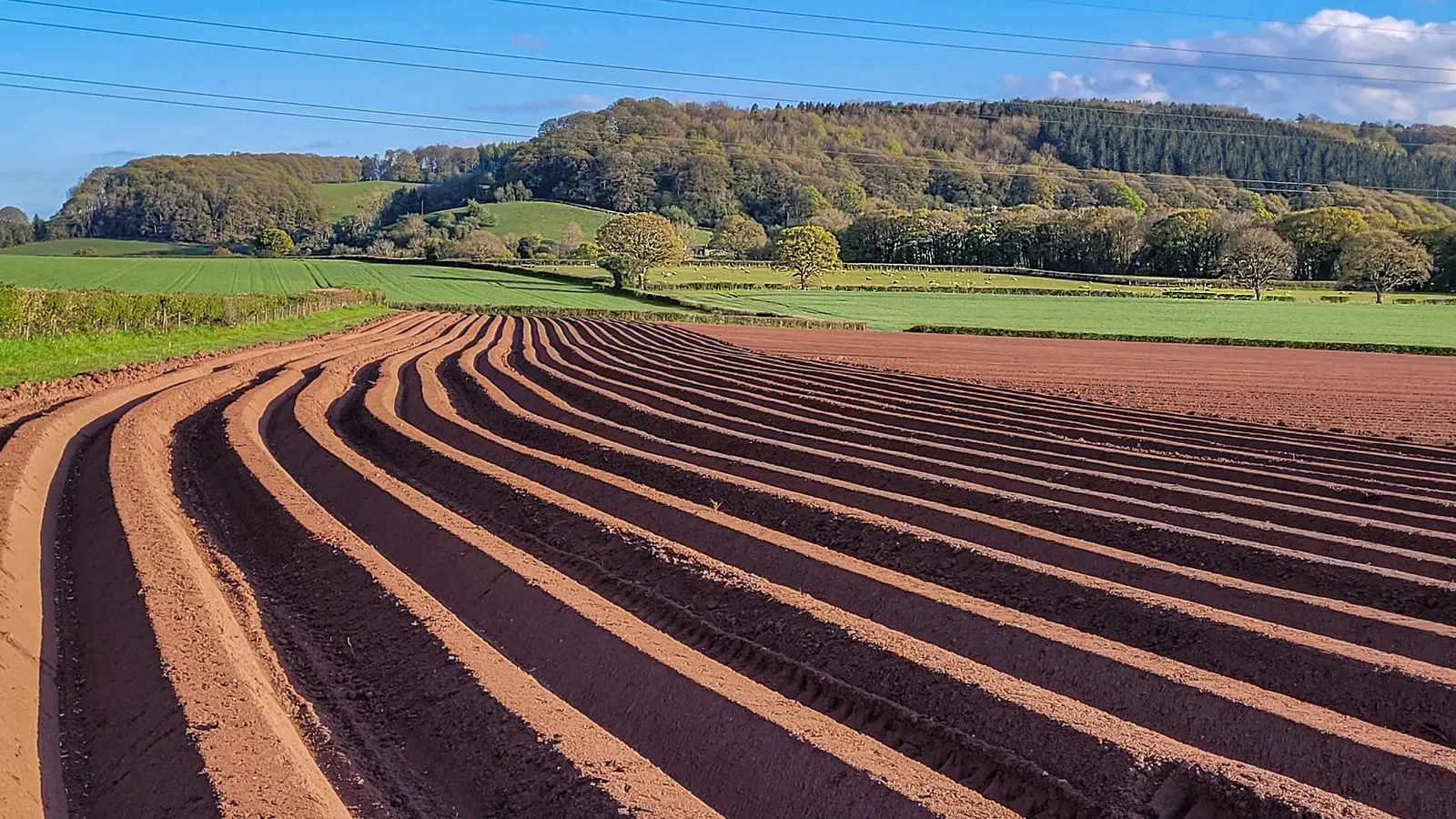
How to Grow Potatoes: Chitting, Depth, and Earthing Up
Potatoes form on stem, not roots, which is why you plant them deep and keep burying them. Seed potatoes, timing by variety group, and the mistakes that cost a crop.
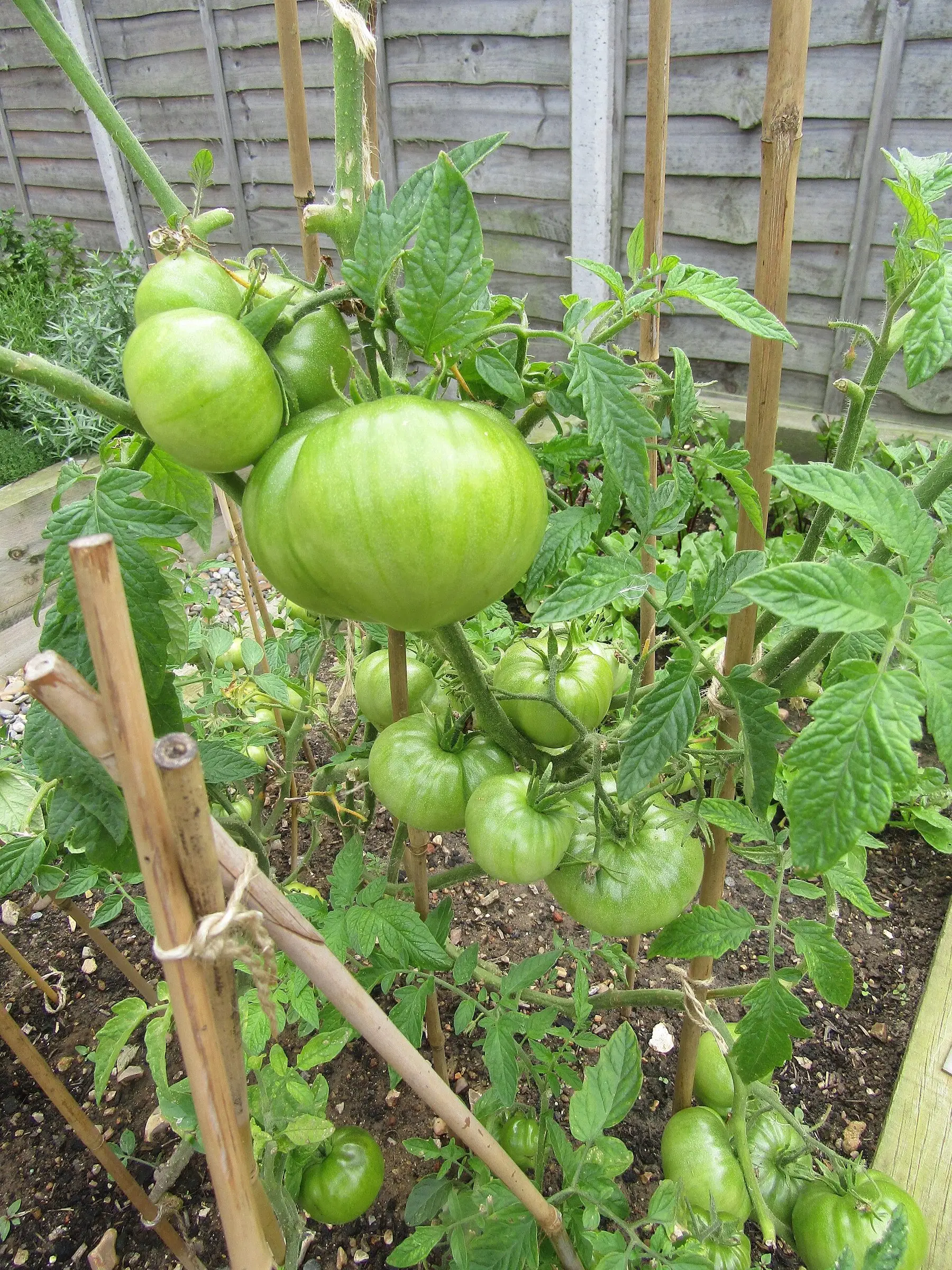
Companion Plants for Tomatoes (And 5 to Keep Away)
Basil, marigolds, and borage earn their place next to tomatoes. Fennel, potatoes, and brassicas do not. What to plant together, and why each pairing works.
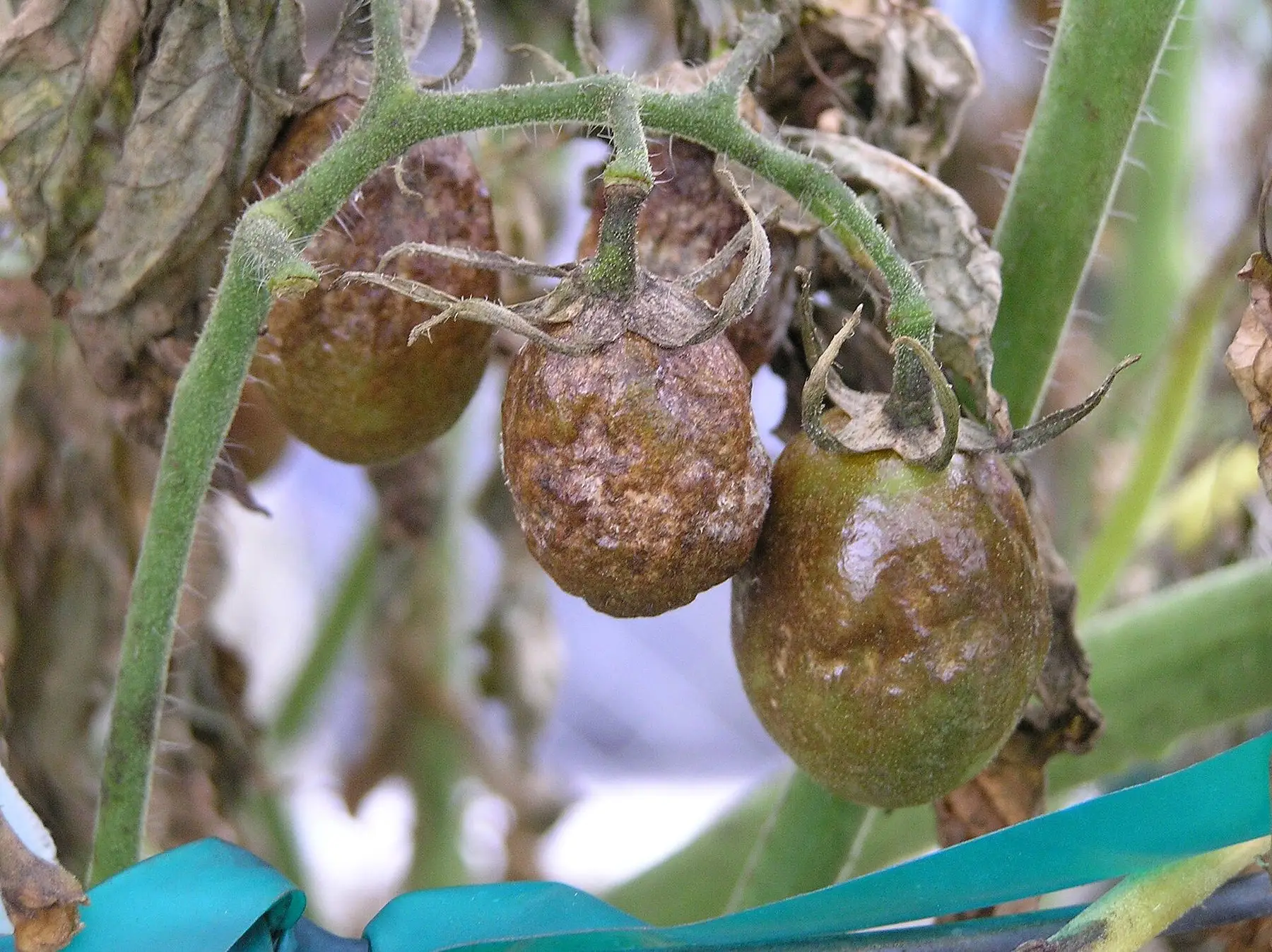
Tomato Blight: Telling Early From Late, and What to Do
Late blight destroys a plant in days and there is no cure. How to identify it against early blight, act fast enough to save the fruit, and prevent it next year.
How Deep to Plant Potatoes (And Why Hilling Matters More)
Four inches at planting, then hill as they grow. Why planting deep in cold spring soil backfires, and how depth differs in containers and no-dig beds.