How Long Do Hens Lay Eggs? The Honest Answer
Hens lay best for two years, then decline about 15–20% annually. Most keep laying into year six or seven — just not many. Here is the real production curve.

On this page
There are two different questions hiding in this one, and conflating them is why new keepers are surprised in year three. How long a hen lays and how long a hen lays well have very different answers.
The production curve
| Year | Production hybrid | Heritage breed | What is happening |
|---|---|---|---|
| 1 | 280–320 | 200–250 | Starts at 18–22 weeks; peak output |
| 2 | 240–280 | 180–220 | Still near peak |
| 3 | 150–200 | 150–190 | Decline becomes obvious |
| 4 | 90–140 | 120–160 | Hybrid health problems often begin |
| 5 | 50–90 | 90–130 | Roughly two eggs a week |
| 6+ | Occasional | 50–90 | Heritage birds still contributing |
The pattern worth internalising: the harder a bird was bred to lay, the faster she falls off. A hybrid gives you two extraordinary years and then declines steeply, often alongside reproductive problems. A heritage hen gives you less at peak and far more over her life.
The four normal reasons laying stops
Before assuming something is wrong, check these — they account for nearly every sudden halt in a healthy flock.
The moult. Once a year, usually in autumn, a hen drops and regrows her feathers. Feather protein and egg protein compete for the same resource, so laying stops almost entirely for 6–12 weeks. This is normal, and it is not something to fix.
Daylight. Laying is triggered by light. Below roughly 14 hours a day the cycle winds down, which is why production falls off through late autumn and returns in late winter without any intervention.
Broodiness. A hen who decides to sit will stop laying for the duration and flatten herself over the nest box. Some breeds — Orpingtons, Silkies, Cochins — do this often.
Heat. Sustained temperatures above about 90°F suppress laying. Chickens handle cold far better than heat.
A pause is not a problem
A hen who stops in October, loses feathers, looks scruffy for two months and starts again in February has done nothing wrong. The moult is the single most common cause of “my chickens stopped laying” — and the birds that moult fastest and hardest are often the best layers.
When it is worth investigating
Look closer when the stop does not fit the pattern above:
- Laying stops with no feather loss and outside autumn
- A single hen stops while the rest of the flock continues
- Output falls alongside weight loss, pale comb, or lethargy
- Eggs become soft-shelled, misshapen, or shell-less
The usual culprits are parasites (red mite feed at night — check under the perches after dark, not on the bird), worms, a calcium shortfall, or a reproductive disorder. Soft shells specifically point at calcium: offer crushed oyster shell free-choice, separately from the feed, so hens self-regulate.
Layer feed for layers only
Layer feed carries about 4% calcium, which a laying hen needs and a retired one cannot excrete. Kept on layer feed for years after she stops, a hen accumulates kidney damage. Move non-laying birds onto a lower-calcium maintenance or all-flock feed, with oyster shell offered separately for the ones still laying.
What this means for planning a flock
A flock kept to natural lifespan spends most of its life not laying productively. That is the fact to plan around, and there are only really three honest approaches:
- Stagger the flock. Add two or three pullets every other year. Production stays roughly level, and older birds retire into a flock that still produces.
- Keep them as pets and accept the decline. Entirely reasonable — just budget for years of feed with few eggs.
- Replace at 2–3 years. The commercial answer. Efficient, and a decision most backyard keepers find they do not actually want to make.
There is no fourth option where hens lay well forever. Deciding which of the three you are doing before the birds arrive is much easier than deciding it in year four with eight hens and two eggs a week.
For the wider picture — how long the birds themselves live, and what actually kills them — see how long chickens live. Choosing breeds for a particular balance of output and longevity is covered in best chickens for eggs.
Common questions
At what age do hens stop laying eggs?
Do chickens lay eggs in winter?
How many eggs will a hen lay in her lifetime?
Why did my hen suddenly stop laying?
Should I add light to keep hens laying through winter?
Backyard Weekly
Know what to plant, week by week
Free planting calendar. Join the weekly email for seasonal jobs, fixes for what is going wrong, and gear worth buying.
Set MONETIZATION.email.endpoint in src/config/site.ts to enable this form.
By subscribing you agree to our privacy policy. Grow In Backyard will never sell your address.
Keep reading
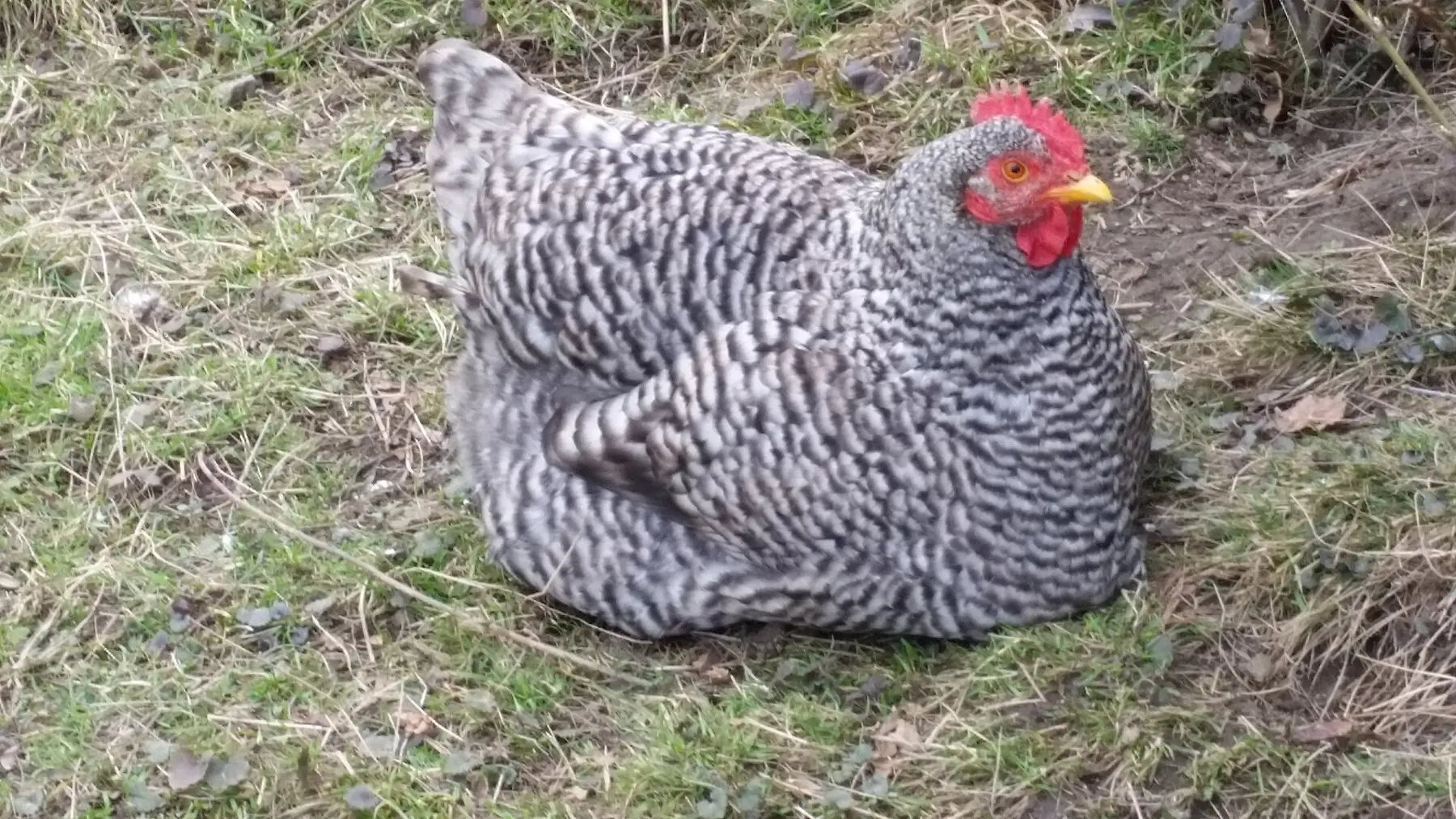
How Long Do Chickens Live? (5–10 Years, With Caveats)
Backyard hens typically live 5–10 years, but breed and predators change that dramatically. The realistic lifespan, and what actually shortens it.
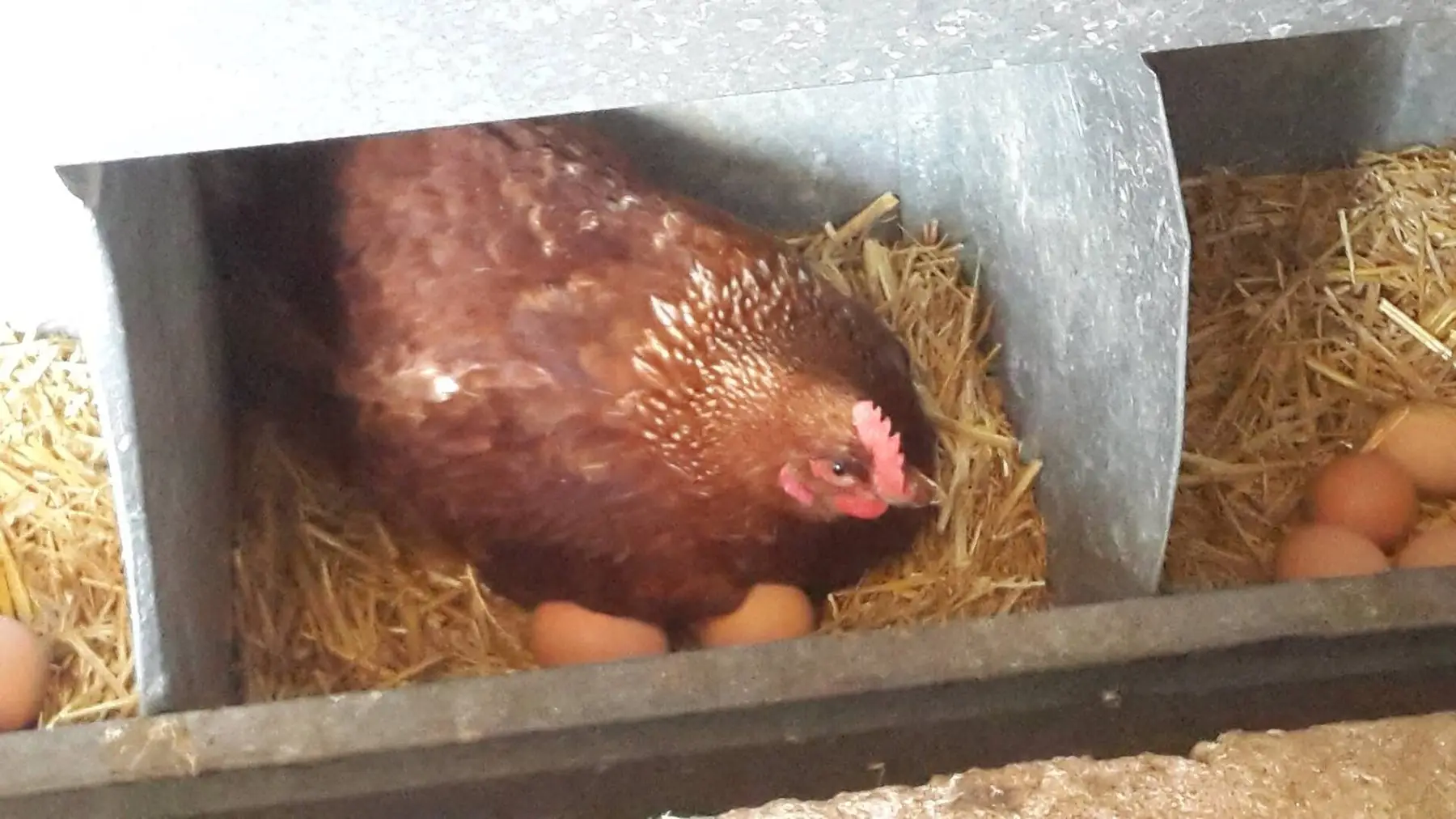
Best Chickens for Eggs: 6 Breeds Worth Keeping
The highest-laying breeds are not always the right ones. Six laying breeds compared on eggs per year, temperament, cold tolerance, and how long they actually last.
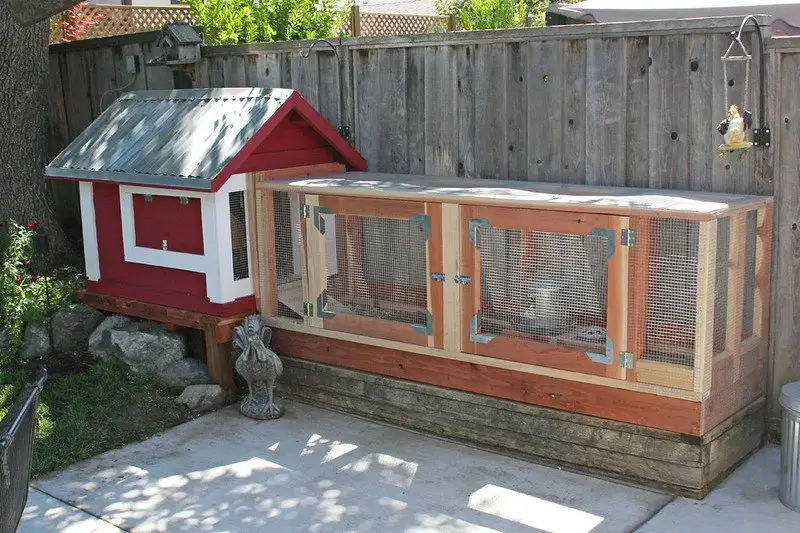
Best Chicken Coops You Can Buy (and When Building Is Cheaper)
Prefab coops range from genuinely good to a raccoon's first target. What to check before buying one, sized by flock, and when building instead saves real money.
Best Chickens for Beginners: Temperament First
Every breeds list ranks by eggs. For a first flock, temperament, noise, and how forgiving a breed is of mistakes matter more. Five breeds picked on that basis.