How to Get Rid of Frogs and Toads (Yard and Pool)
Frogs are drawn to standing water, cover, and outdoor lights — remove those and most leave on their own. What actually works, and when to just leave them alone.
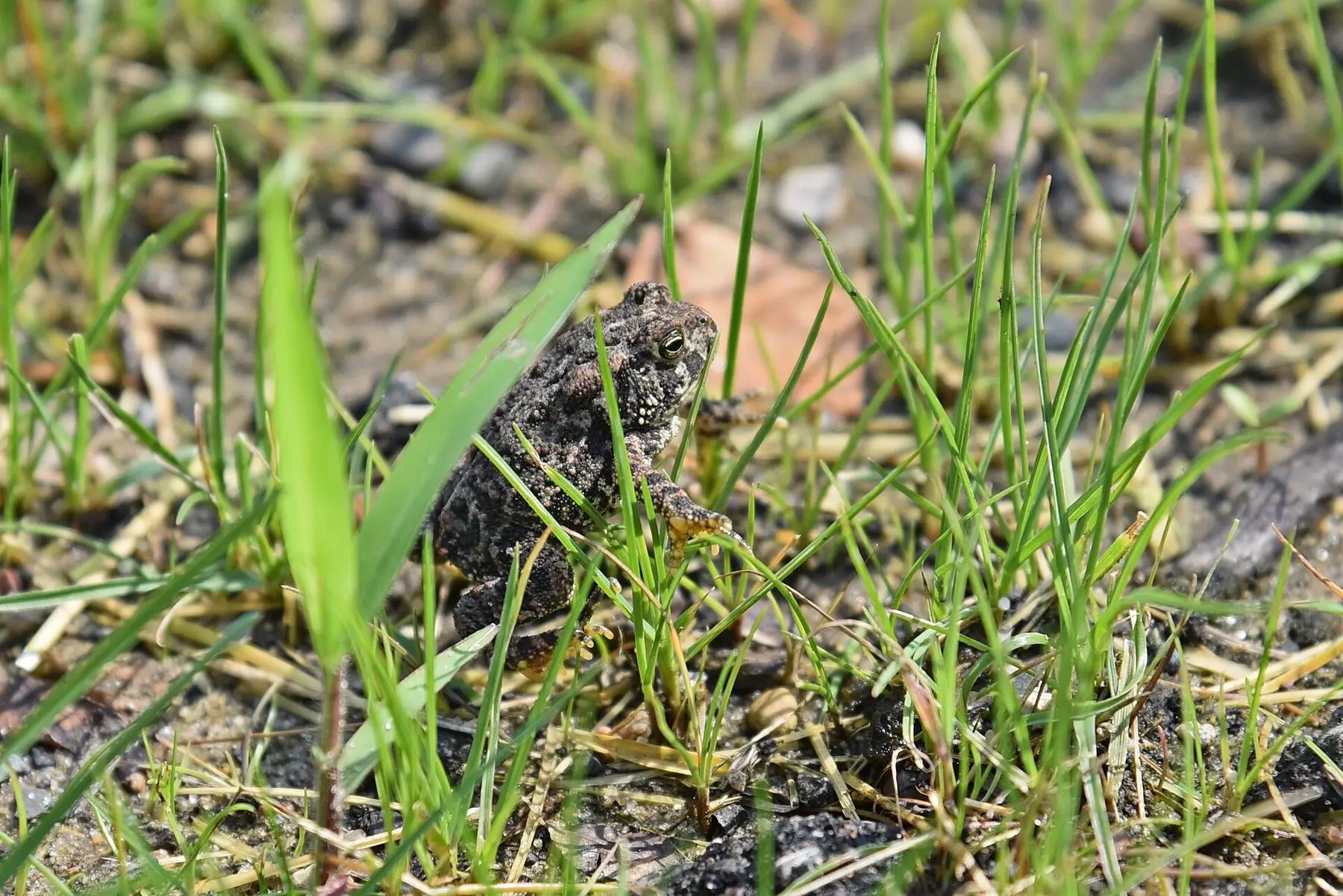
.jpg)
On this page
Frogs and toads show up in a yard for three specific, addressable reasons — water, damp shelter, and the insects drawn by outdoor lighting. Remove those and most leave on their own within a week or two, without needing to handle or relocate a single animal.
Why they are actually there
| Draw | Why it matters | Fix |
|---|---|---|
| Standing water | Needed for breeding and hydration | Empty saucers, clear gutters, fix puddling spots |
| Outdoor lighting | Attracts the insects frogs eat | Switch to yellow/sodium bulbs |
| Damp ground cover | Daytime shelter from heat and predators | Clear leaf litter, thin dense planting near the house |
| Unsecured pool | Water source; frogs fall in and cannot climb out | Cover, or add a ramp/exit point |
Start with the pool ramp if that is the actual complaint
If the real problem is a pool rather than the whole yard, a $10 foam ramp or even a floating pool noodle angled to the edge solves it faster than anything else on this list — frogs that can climb out on their own stop drowning, which is what causes the smell, the filter clogs, and the daily skimming chore in the first place.
The three changes that do most of the work
Water first. Anything holding still water for more than a day or two is a draw — plant saucers, clogged gutters, a tarp that collects rain, a low spot in the lawn. This single change reduces frog presence more than any other single step.
Lighting second. White and blue-white outdoor bulbs attract far more night-flying insects than yellow “bug light” bulbs, and insects are what draws frogs to a lit porch or patio in the first place. Swapping bulbs is cheap and the effect is noticeable within a week or two.
Damp cover third. Thick leaf litter, dense low groundcover, and stacked debris right against the foundation give frogs and toads somewhere cool and hidden to spend the day. Thinning growth back a couple of feet from the house, without changing the rest of the garden, removes the shelter closest to entry points.
Sealing entry points
Check for gaps under exterior doors, around plumbing and utility penetrations, and low foundation cracks. Frogs and toads are small and flexible enough to exploit openings that look too small to matter, particularly into garages, crawl spaces, and basements where it stays damp.
Whether to bother at all
Most frogs and toads are doing you a favour
The overwhelming majority of frog and toad species found in US backyards are harmless to people and pets and eat substantial numbers of insects, including genuine garden pests. A few toad species secrete a mild skin irritant that can bother a dog that mouths one, worth knowing if pets are curious, but this is a minor issue rather than a real danger in most of the country. Many people find the trade-off worth it and only address the specific nuisance — usually the noise or the pool — rather than trying to eliminate them from the yard entirely.
Step by step
- Time
- P7D
- Cost
- $30
- You need
- Coarse mulch or gravel (removes damp hiding spots), Yellow "bug light" bulbs for outdoor fixtures, Pool cover, if applicable
- Tools
- Rake or hoe for clearing debris
Eliminate standing water first
Empty anything holding still water for more than a couple of days — saucers under pots, clogged gutters, low spots that puddle, unused containers. This is the single highest-leverage change, since frogs and toads are tied to water for breeding and hydration.
Switch outdoor lights to yellow or sodium bulbs
White and blue-toned lights attract the insects frogs feed on, which in turn draws the frogs. Yellow 'bug light' bulbs attract dramatically fewer insects and, over a week or two, noticeably reduce frog activity near the house.
Remove damp hiding spots
Clear dense leaf litter, thick low groundcover against the foundation, and stacked debris near the house. Frogs and toads shelter in cool, damp, dark spots during the day — reducing the number of them near entry points reduces how many end up inside.
Cover the pool when not in use
A pool cover is the most effective single step for a swimming pool specifically — it blocks both entry and the light/insect draw. Where a cover is not practical, a raised edge or textured strip around the perimeter gives frogs a foothold to climb back out rather than becoming trapped and drowning, which is both a welfare issue and what actually causes the smell and cleanup problem people are trying to solve.
Seal obvious entry points
Check for gaps under doors, around pipes, and in foundation cracks near ground level. Frogs and toads are small and flexible enough to use surprisingly small openings to get into garages, crawl spaces, and basements.
Reduce attractive plantings right next to the house
Dense, permanently damp groundcover directly against the foundation is a strong draw. Moving it back a couple of feet, or switching to a drier planting close to the house, removes the shelter without changing the rest of the garden.
Common questions
What smell keeps frogs away?
How do I get frogs out of my pool without killing them?
Are frogs and toads harmful to have around?
Will getting rid of frogs also stop the noise at night?
Backyard Weekly
Know what to plant, week by week
Free planting calendar. Join the weekly email for seasonal jobs, fixes for what is going wrong, and gear worth buying.
Set MONETIZATION.email.endpoint in src/config/site.ts to enable this form.
By subscribing you agree to our privacy policy. Grow In Backyard will never sell your address.
Keep reading
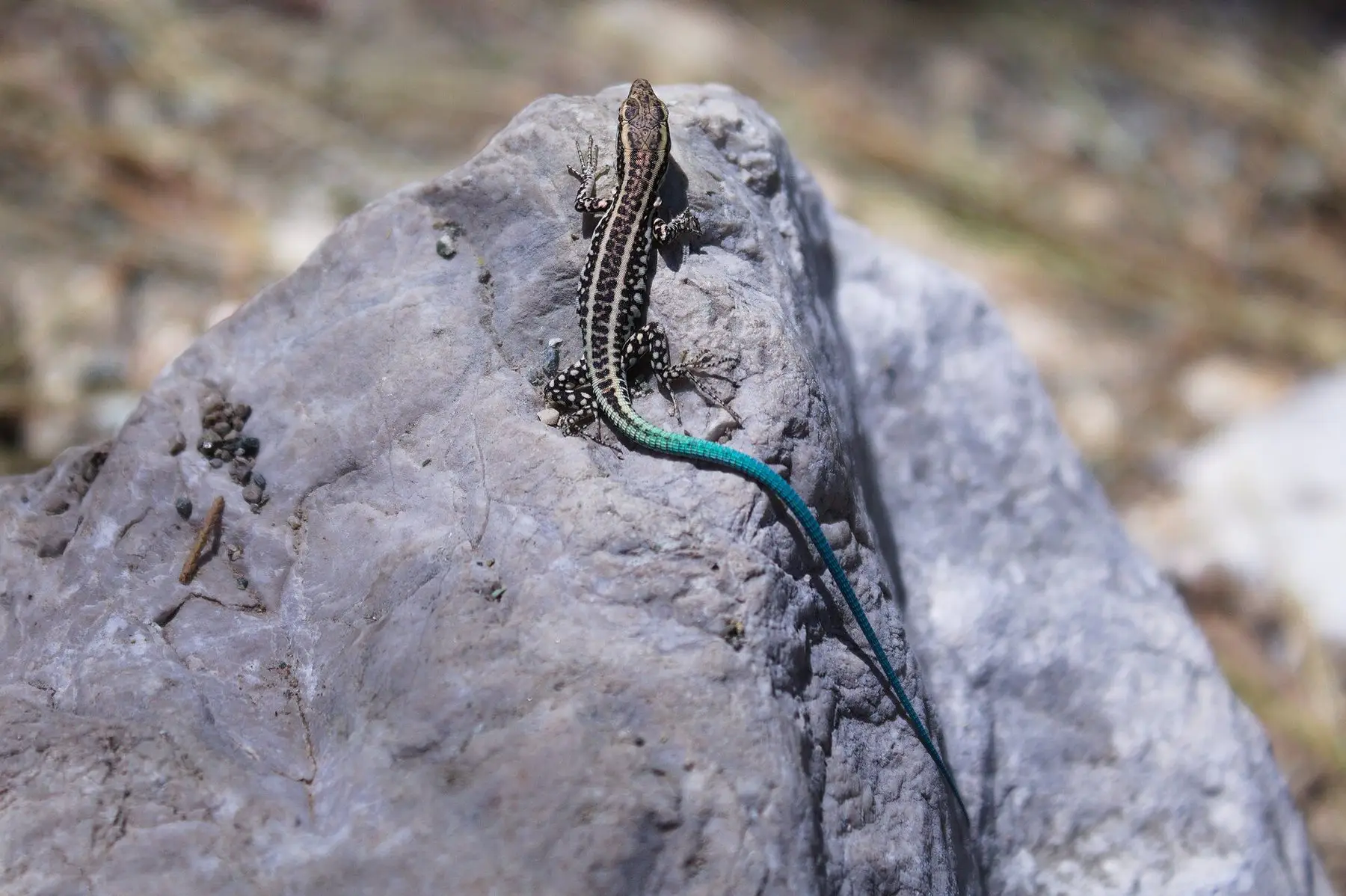
How Long Do Lizards Live? By Species, Wild vs. Kept
Backyard lizard lifespan runs from 1 year to over 20, depending entirely on species and whether it is wild or kept as a pet. The real numbers, by common type.
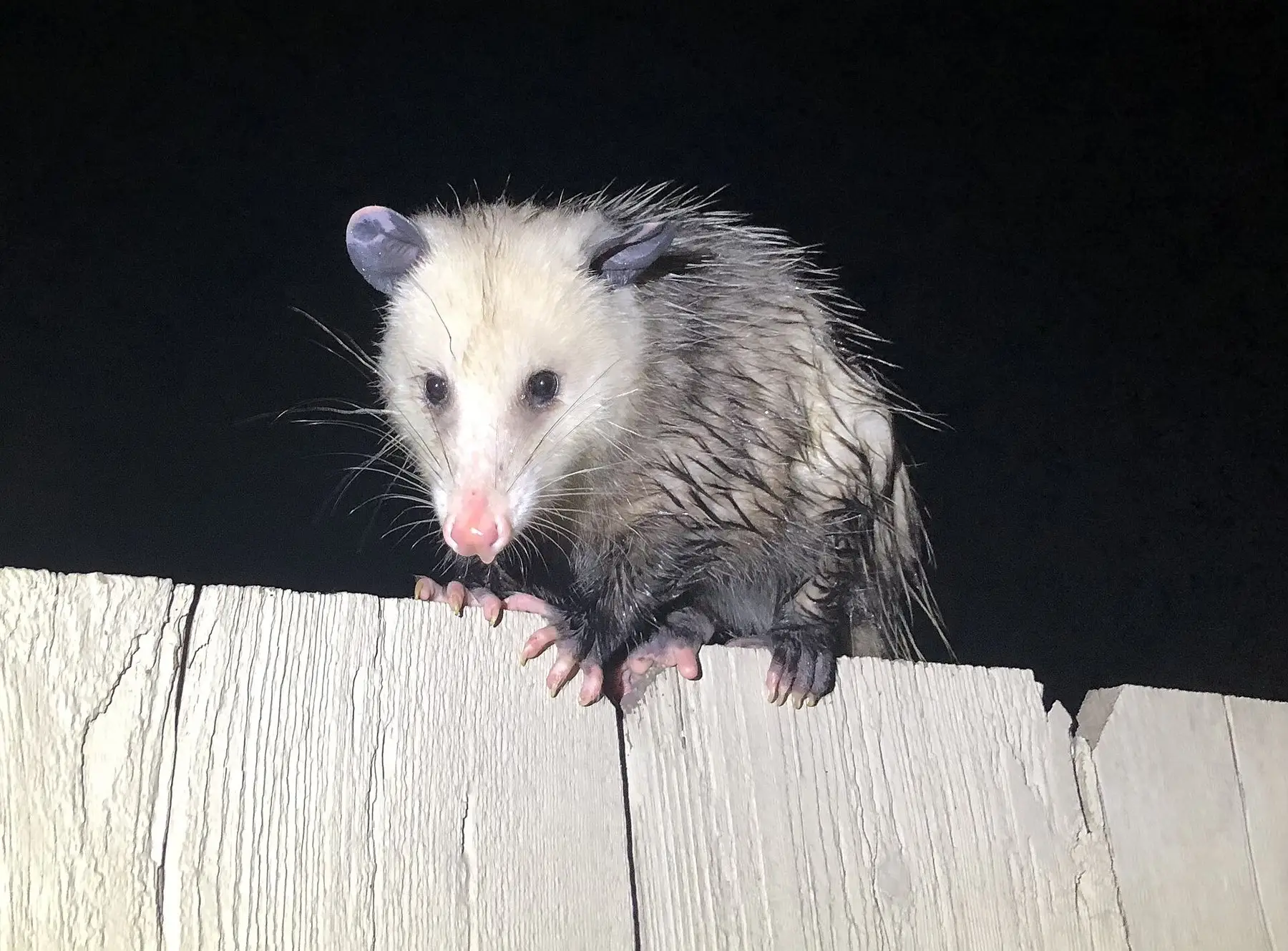
Can Possums Climb? Fences, Trees, and What Stops Them
Opossums are capable, deliberate climbers with a grasping tail built for it. What that means for fencing them out, and where they actually can't get a grip.
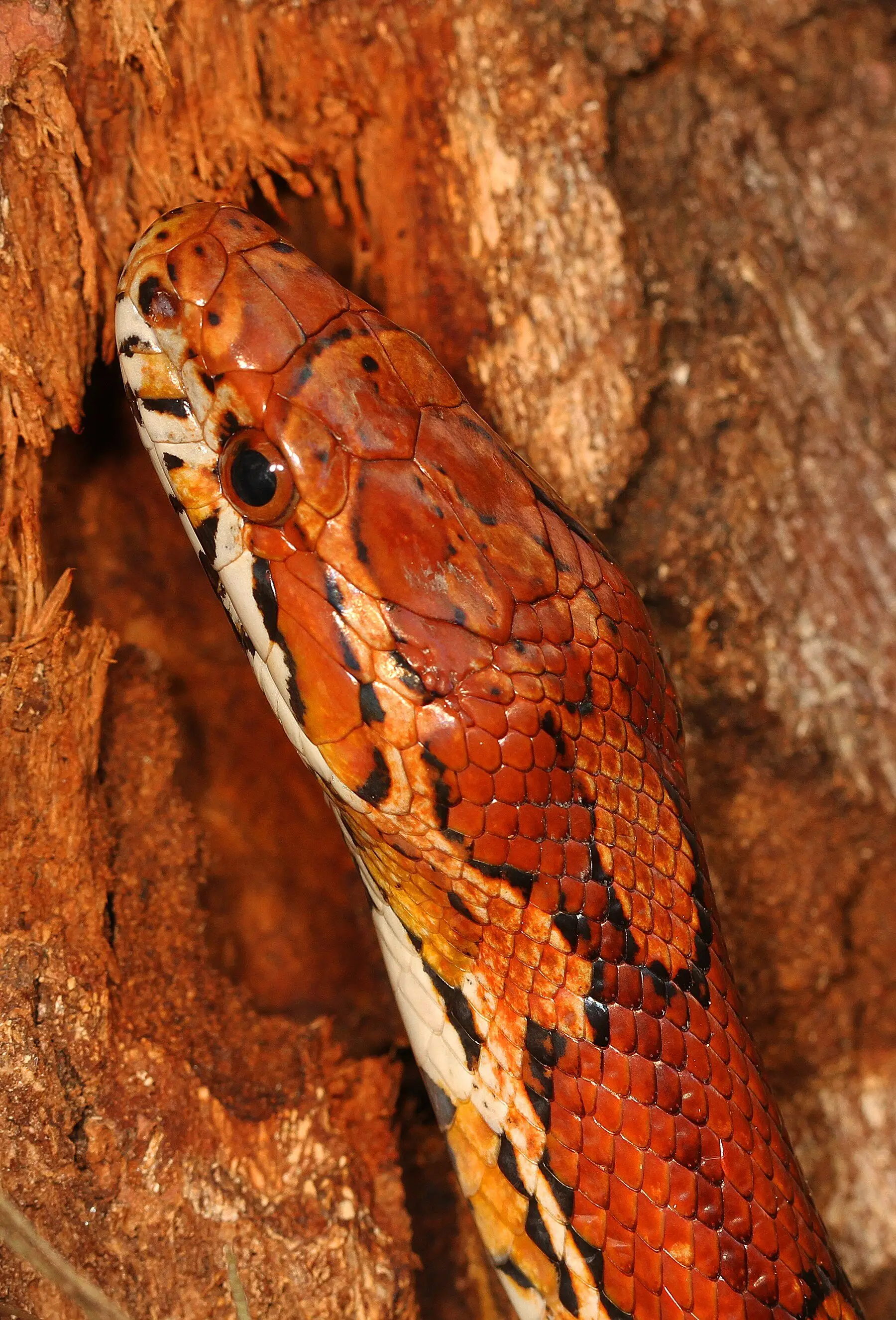
Are Corn Snakes Poisonous? No, and Not Venomous Either
Corn snakes are harmless constrictors often killed on sight because they mimic copperheads. How to tell them apart, and why one is worth keeping around.
Can Rats Climb Walls? Brick and Pipes, Yes. Glass, No.
Rats climb rough vertical surfaces easily, jump three feet up and squeeze through a 20mm gap. What that means for sealing a house, and what actually stops them.