Outdoor Team Building Activities That Are Not Awful
Most team building fails because one competitive person wins it. Activities that need the whole group, sized by headcount, plus how to run and debrief them.

On this page
Team building activities fail in a predictable way: one fit, competitive person takes over, wins it, and everyone else stands and watches.
The test that filters out most bad choices is a single question. Could the least athletic person here plausibly make the decisive contribution? If not, pick something else.
What works, and why
| Activity | Group | Time | Needs | What it exercises |
|---|---|---|---|---|
| Kubb | 6–12 per game | 30 min | A kubb set | Precision, turn-taking, tactics |
| Blindfold course | 4–8 per pair set | 25 min | Blindfolds, obstacles | Communication, trust |
| Scavenger hunt | Any, in teams | 40 min | A list, phones | Planning, division of labour |
| Human knot | 8–12 | 10 min | Nothing | Problem solving, patience |
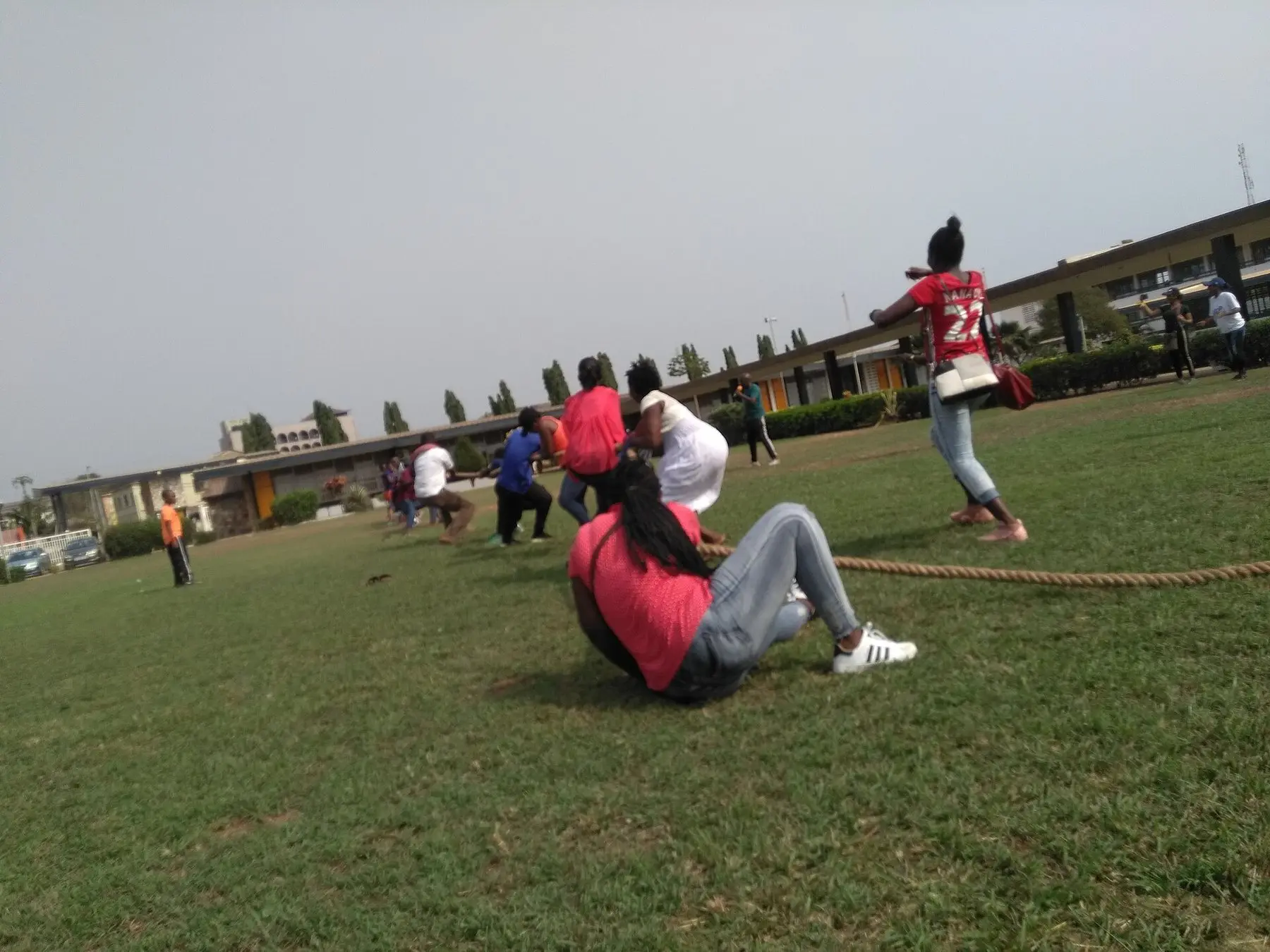
| Tug of war | 10–30 | 15 min | A rope | Genuinely collective effort |
| Egg drop / build challenge | 4–6 per team | 30 min | Junk materials | Design, negotiation, iteration |
| Silent line-up | Any | 10 min | Nothing | Non-verbal communication |
| Relay with a shared object | 8–24 | 20 min | Improvised | Handovers, sequencing |
| Orienteering / map task | 4–8 per team | 45 min | Maps, markers | Navigation, decisions under pressure |
| Group juggle | 8–15 | 15 min | Soft balls | Attention, naming, rhythm |
Kubb is the best outdoor game on this list for mixed groups. Throwing accuracy beats strength, turns rotate through the whole team, and the tactics are genuinely interesting after ten minutes. There is a three-minute rules explanation to get through, which is its only real cost.
Blindfold navigation is the most reliable communication exercise there is. One person is blindfolded, another guides them through a simple obstacle course by voice only, then they swap. It exposes exactly how people give and receive instructions, which is usually what the session was supposed to be about.
Build challenges — a structure from newspaper and tape, an egg-drop container from junk — work because the task genuinely needs several pairs of hands and several opinions, and because the result is visible and testable.
Scavenger hunts scale to almost any number and let teams self-organise, which is the point. Give tasks needing different capabilities — something photographed, something found, something worked out, something made — so different people can lead different parts.
The activities to avoid, and why
Volleyball, football, spikeball, sack races, anything with a run-up, and anything scored on individual performance. These are good games and the wrong tool: they sort the group by athleticism, which most groups have already done informally, and they leave people who dislike sport having a worse time than before. Save them for the social part of the day.
Group size
Five to eight per team. This is the number that matters most and it is consistently ignored.
Below five, there is not enough interaction for anything to emerge. Above eight, someone always ends up as a passenger — not through unwillingness, but because there is no room to contribute.
For thirty people, that means four to six teams running in parallel, not one large activity. For a hundred, run stations on a rotation with a timer.
Running it
Explain in under two minutes. If the rules take longer, the activity is too complex for the setting. Demonstrate rather than describe.
Say what is and is not required. “Nothing today involves running” removes a real anxiety for a significant part of most groups, and it changes participation immediately.
Give roles beyond the physical task — timekeeper, recorder, navigator, materials manager. It gives everyone a legitimate contribution and it mirrors how work actually distributes.
Rotate teams between activities, so people who did badly in one get a clean start, and so the groups mix.
Keep it to 20–40 minutes per activity, with breaks. Energy falls off a cliff after that.
Have a weather fallback. The no-equipment activities — human knot, silent line-up, storytelling relays — exist for exactly this and need no setup.
The debrief is the whole point
Ten minutes at the end, sitting down, with three questions:
- What worked?
- What got in the way?
- What would you do differently next time — and does any of that apply back at work?
Without this, you have run a pleasant afternoon of games. That is a legitimate goal, and if it is the goal then say so and skip the discussion. What does not work is running activities that were meant to teach something and never naming what.
Do not force the metaphor
The debrief fails when the facilitator insists on a lesson the group did not experience. If an activity mostly demonstrated that one team had a better rope, say that and move on. Groups can tell when a conclusion is being retrofitted, and it undermines the parts that genuinely did work.
Equipment worth owning
Very little of this needs buying:
- A kubb set — durable, packs into a bag, the best single purchase here.
- Blindfolds — or improvise with scarves.
- A rope for tug of war, thick enough not to burn hands.
- Soft balls for group juggle.
- Junk materials — newspaper, tape, string, straws — for build challenges.
- Cones or markers for courses.
Everything else on the list needs nothing at all. For the social half of the day, the games in yard games for adults are the right tool — that is where cornhole and pétanque belong.
Common questions
What makes a good outdoor team building activity?
What team building activities work for large groups?
How long should a team building activity last?
Do you need to debrief a team building activity?
What outdoor activities work without any equipment?
How do you include people with different fitness levels?
Backyard Weekly
Know what to plant, week by week
Free planting calendar. Join the weekly email for seasonal jobs, fixes for what is going wrong, and gear worth buying.
Set MONETIZATION.email.endpoint in src/config/site.ts to enable this form.
By subscribing you agree to our privacy policy. Grow In Backyard will never sell your address.
Keep reading
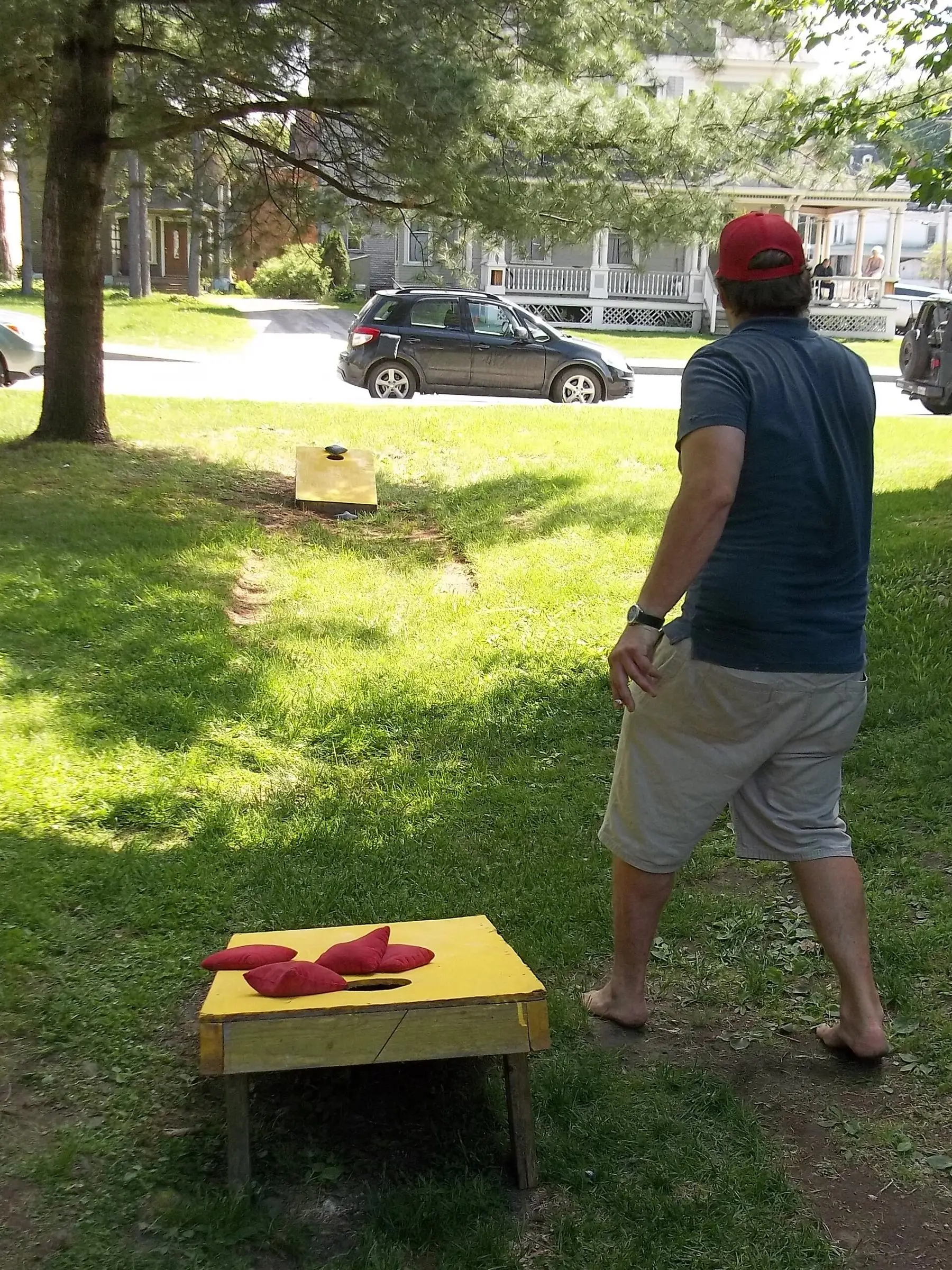
Yard Games for Adults: What Works With a Real Group
Games for grown-ups fail on space, drink-compatibility, or needing eight people. What holds up at a party, what suits teams, and the footprint each needs.
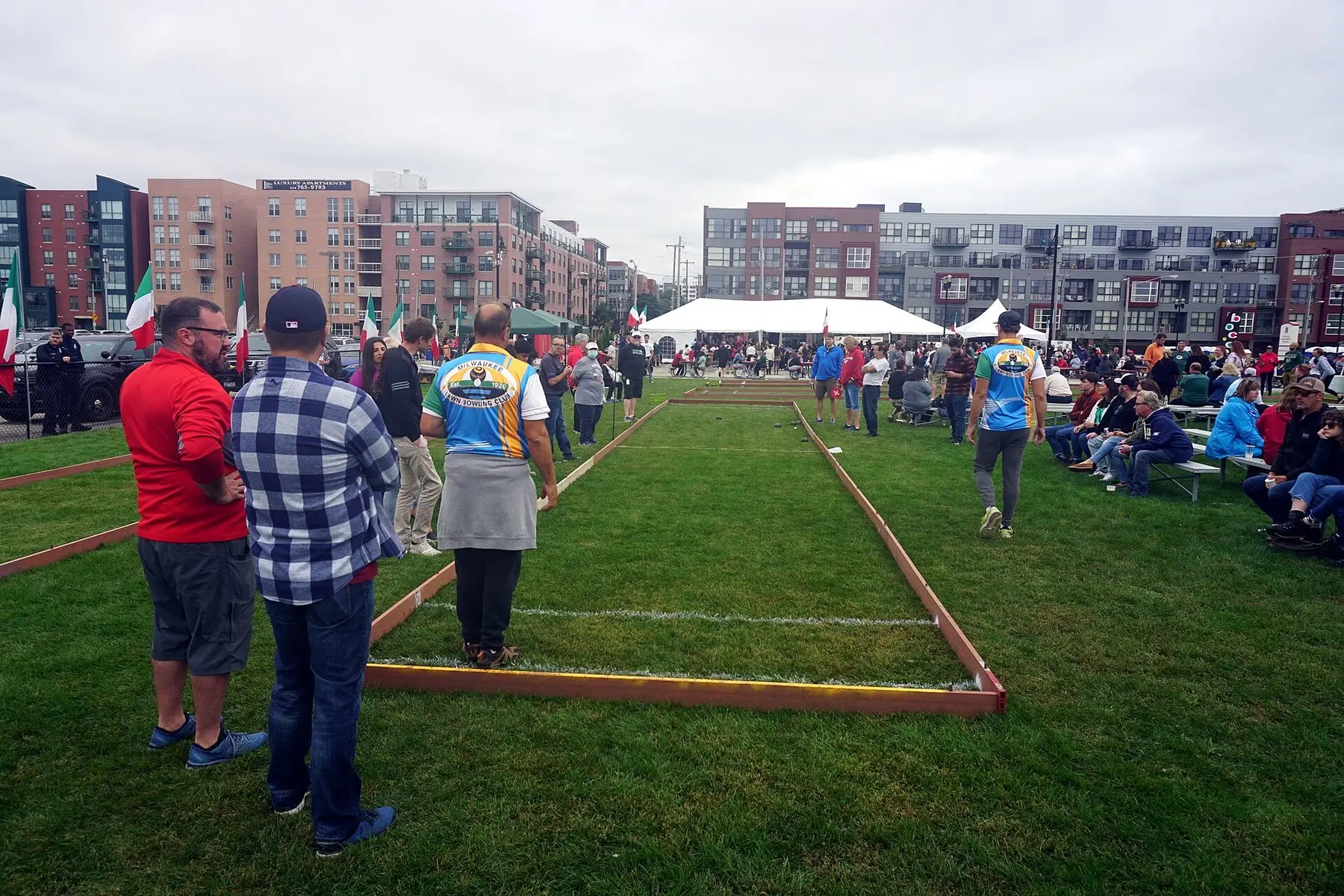
Outdoor Games That Actually Get Played
Most backyard games get used twice and live in the garage after that. Which ones hold up, how much space each really needs, and what to skip.
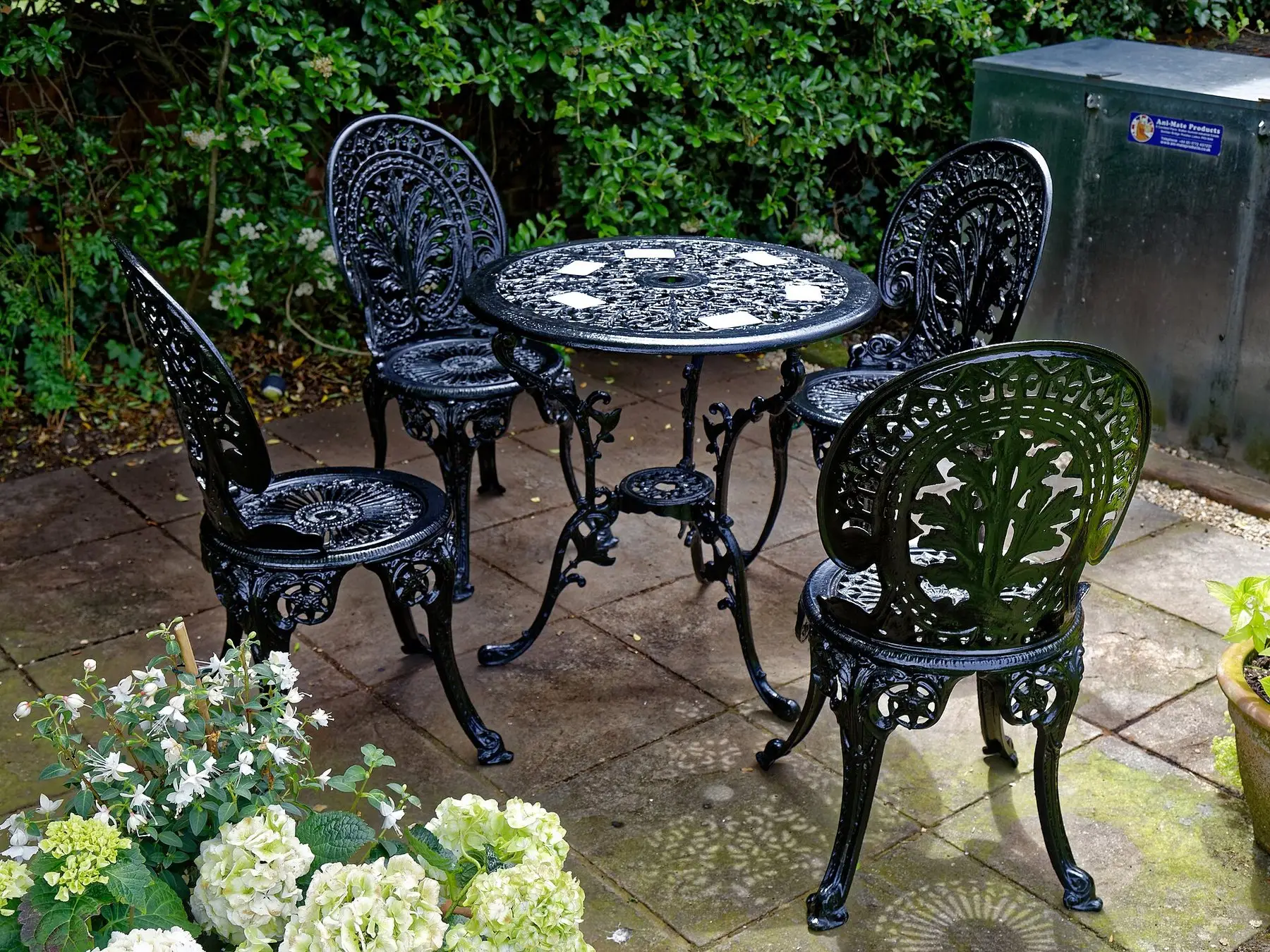
Backyard Table and Chairs: Sizing, Materials, and Wind
Most outdoor dining sets are bought too small and blow over. The clearances a table actually needs, what each material costs you in upkeep, and how to weight it.
Games That Work Indoors and Out When Plans Change
Rain moves a gathering inside with ten minutes' notice. Games that survive the move, what each needs in a living room, and the ones not to attempt indoors.