Chicken Mites: How to Find Them and Get Rid of Them
Red mite hide in the coop and feed at night, so daytime inspections miss them. How to identify what you have, treat it, and break the seven-day life cycle.

On this page
Mites are the most common serious problem in a backyard flock and the easiest to miss, because the worst of them are not on the birds when you look. A hen can be losing blood every night to a coop that appears perfectly clean at ten in the morning.
Identify what you have first
The treatment differs, and so does where you put the effort.
| Parasite | Lives | Looks like | Treat hardest |
|---|---|---|---|
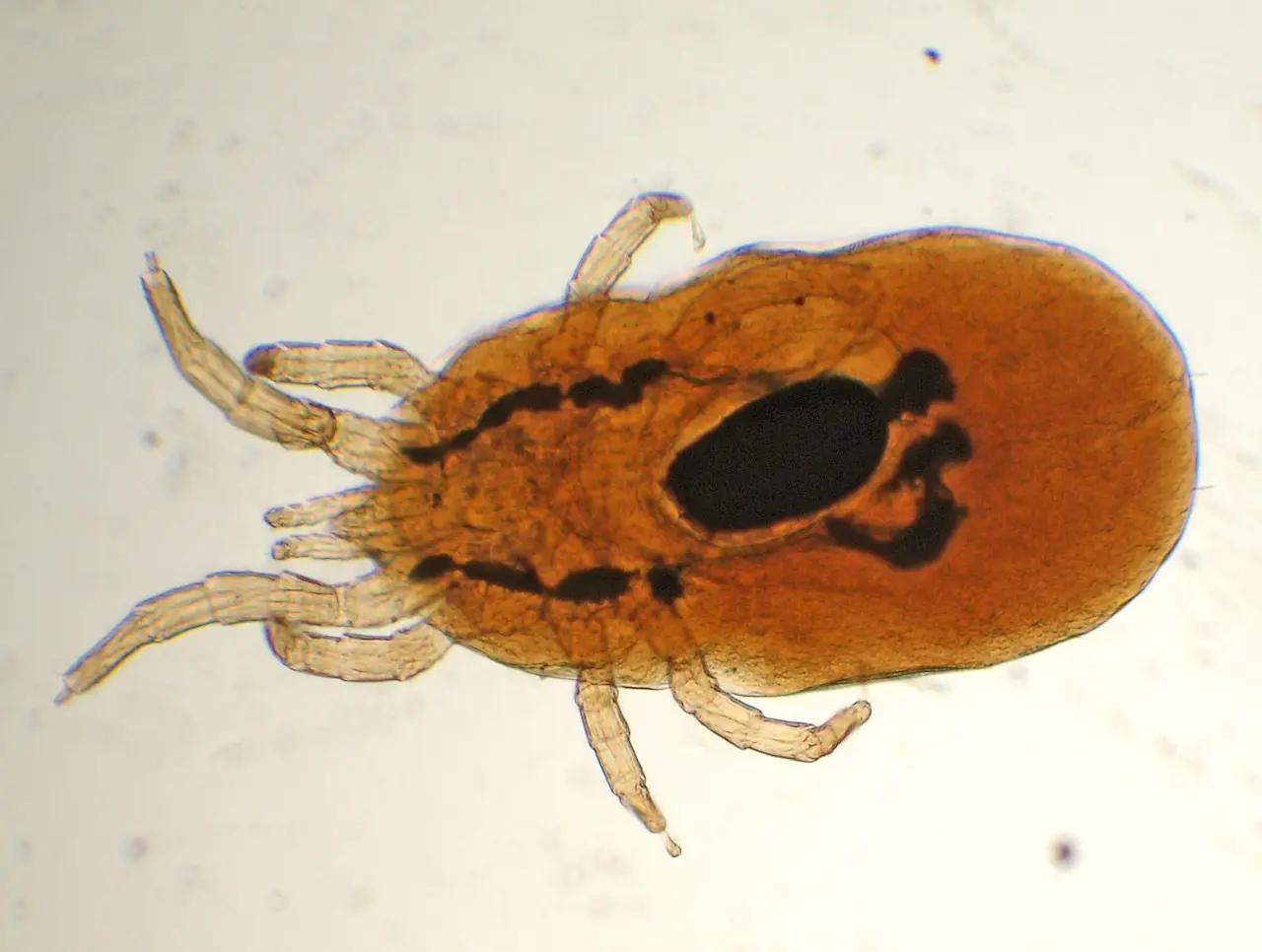
| Red mite | In the coop; feeds at night | Grey, red when fed, 1mm, moving specks | The coop |
| Northern fowl mite | On the bird, permanently | Dark clusters around the vent | The bird |
| Lice | On the bird | Straw-coloured, fast; grey egg clumps on shafts | The bird |
| Scaly leg mite | Under leg scales | Raised, crusted, lifted leg scales | The legs |
Daytime inspections miss red mite entirely
This is the single most useful thing to know. Red mite spend daylight hours in cracks, joints, and the ends of perches — not on the bird. People check a hen at noon, find nothing, and conclude the flock is clear while the coop is heavily infested. Go out an hour after roosting with a torch and run a finger along the underside of the perch. If it comes back with smears, you have them.
The signs on the birds
- Pale comb and wattles — from blood loss, and the clearest single sign
- A sudden drop in laying, or a stop with no moult and no seasonal explanation
- Reluctance to enter the coop at dusk, or roosting outside it
- Restlessness on the perch at night
- Grey, dirty-looking feathers around the vent, sometimes with visible clusters
- Weight loss and lethargy in a heavy infestation
A severe red mite burden can kill, particularly in young birds, and it does it through anaemia rather than disease. This is not a cosmetic problem.
Why one treatment always fails
Red mite go from egg to laying adult in about seven days in warm weather. Every product available to a backyard keeper kills mobile mites; none reliably kill the eggs.
So a single treatment clears what is moving, the eggs hatch a few days later, and within a fortnight the coop is back where it started — which is why people conclude the product does not work. It does. The schedule is what was wrong.
Treat on day one. Treat again on day seven. Verify on day fourteen.
Products, honestly
Permethrin, in poultry-labelled dusts and sprays, is the standard and is effective on all four parasites above. Check the label for an egg withdrawal period, which varies by product and country.
Spinosad products are widely regarded as the most effective option for red mite in a coop, and several carry no egg withdrawal — but verify that on the label where you are, because approvals differ between jurisdictions.
Diatomaceous earth is oversold. It works by abrading the waxy cuticle, which means it must stay completely dry — and coops are humid. It has a place in a dust bath as prevention. It is not a treatment for an active infestation, and it is a genuine respiratory irritant to birds and to you.
Never use a garden or household insecticide. Products not labelled for poultry have not been assessed for bird toxicity or for residues in eggs, and some are lethal.
When to involve a vet
If birds are visibly anaemic — pale, weak, unwilling to move — or if two full treatment cycles have not cleared it, get veterinary advice. There are prescription options, and a bird that has lost significant blood may need supportive care rather than another dusting.
Scaly leg mite is different
These burrow under the scales of the legs and feet, lifting them into a crusted, raised mess. They do not respond to coop treatment because they are not in the coop.
The traditional approach is smothering: coat the legs thoroughly in petroleum jelly or a vegetable oil every few days for several weeks, which suffocates the mites under the scales. Do not pick at the raised scales — they will shed as new ones grow in, and pulling them off causes bleeding and lets infection in. Severe cases need a vet.
Prevention
- A dry dust bath of sand and wood ash, kept under cover. Chickens de-parasitise themselves given the means; a flock without a dry bathing spot is far more vulnerable.
- Removable perches, so they can be lifted out and treated rather than scrubbed in place. Worth designing in — see chicken coop plans.
- Fill cracks and seal joints. Every crevice is a nursery.
- Quarantine new birds for two weeks. Along with second-hand coops and equipment, incoming birds are the most common way an infestation arrives.
- Check monthly by torchlight in warm weather. It takes two minutes and catches it early.
If your flock has stopped laying and you are not sure whether it is parasites, the moult, or something else, work through why chickens stop laying — mites sit near the bottom of that list for a reason, but they are the one that does real harm if missed.
Step by step
- Time
- P8D
- Cost
- $60
- You need
- Poultry-labelled permethrin dust or spray, or a spinosad product, Fresh bedding, Heavy-duty rubbish bags
- Tools
- Torch, Stiff brush and scraper, Gloves, and a respirator or dust mask, Pressure washer or hose
Inspect the coop after dark, not the birds by day
Take a torch to the coop an hour after the flock has roosted. Run a finger along the underside of the perches and into every crevice. Red mite feed at night and hide in the structure by day, so a daytime inspection of a bird finds nothing while the coop is infested.
Identify what you actually have
Red mite are grey when hungry and red after feeding, and live in the coop. Northern fowl mite live on the bird continuously, clustered around the vent. Lice are larger, straw-coloured, fast-moving, and leave grey egg clumps glued to feather shafts. Scaly leg mite burrow under leg scales and lift them. The treatment differs for each.
Strip and bag the bedding
Remove every scrap of bedding and nest material and bag it. Do not shake it out near the coop or add it to open compost — bag it and remove it. This alone takes out a large share of the population.
Scrub the structure, paying attention to crevices
Scrape and wash all surfaces, then get into the joints, perch ends, and cracks where mites shelter and lay. A pressure washer is effective; so is hot soapy water and a stiff brush. Let it dry completely before treating.
Treat the coop with a poultry-labelled product
Apply permethrin or spinosad to the dry structure per the label, working it into every crevice, joint, and perch socket. Never use a product not labelled for poultry — dosing and residue behaviour differ, and some garden insecticides are lethal to birds.
Treat the birds if the mites live on them
Northern fowl mite, lice, and heavy red mite burdens need the birds treating too. Follow the label exactly, work the product down to the skin around the vent and under the wings, and note the egg withdrawal period if the product has one.
Repeat after seven days
This is the step most people skip, and it is why infestations come back. Treatments kill mobile mites but not eggs, and in warm weather red mite go from egg to adult in about seven days. A second treatment on day seven kills the newly hatched generation before it can lay.
Re-inspect at day fourteen
Check the coop by torchlight again a week after the second treatment. If you find live mites, treat again and look for the reservoir you missed — usually a crack, a felt roof, or a wooden perch that should have been replaced.
Make the coop harder to re-infest
Provide a dry dust bath of sand and wood ash, fit removable perches you can lift out and treat, seal or fill cracks, and quarantine any new bird for two weeks before it joins the flock. Wild birds and second-hand equipment are the two usual routes in.
Common questions
How do I know if my chickens have mites?
What is the difference between red mite and northern fowl mite?
Does diatomaceous earth kill chicken mites?
How long does it take to get rid of chicken mites?
Can chicken mites live on humans?
Can I eat the eggs while treating for mites?
Backyard Weekly
Know what to plant, week by week
Free planting calendar. Join the weekly email for seasonal jobs, fixes for what is going wrong, and gear worth buying.
Set MONETIZATION.email.endpoint in src/config/site.ts to enable this form.
By subscribing you agree to our privacy policy. Grow In Backyard will never sell your address.
Keep reading
Why Your Chickens Stopped Laying: Work Through This List
Nine reasons hens stop laying, in the order to check them. Most are seasonal and fix themselves — but three are worth acting on before the flock loses condition.
Chicken Coop Plans: Sizing It Right Before You Build
Most coop plans get ventilation and predator-proofing wrong. The dimensions that actually matter, what to build from, and a step-by-step order of work.
Backyard Chickens: What It Actually Takes
Space, cost, time, and the rules nobody mentions. An honest account of keeping backyard chickens before you buy the coop — including why the eggs are not free.
Best Chicken Coops You Can Buy (and When Building Is Cheaper)
Prefab coops range from genuinely good to a raccoon's first target. What to check before buying one, sized by flock, and when building instead saves real money.