Chicken Molting: What to Expect and How to Help
Hens look terrible and stop laying for 6–12 weeks every autumn. What is normal, what is not, and the one change worth making to their feed while it happens.

On this page
Every autumn, first-time chicken keepers discover their flock looking as though something dreadful has happened to it. Feathers across the run, bald patches, birds standing about miserably, and not an egg in sight. This is the moult, it is entirely normal, and the only real question is whether you help it along.
What is actually happening
Feathers wear out. Over a year they fray, break, and lose the structure that keeps a bird warm and dry, so once a year a chicken replaces the lot.
The trigger is shortening daylight, which is why it lands in autumn regardless of temperature. The constraint is protein: feathers are roughly 85% protein by dry weight, and an egg is also largely protein. A hen cannot produce both at once, so she stops laying and puts everything into plumage.
That is the whole mechanism, and it explains every piece of advice that follows.
The timeline
| Stage | Duration | What you see |
|---|---|---|
| Onset | Days 1–7 | Laying slows and stops; first feathers on the ground |
| Heavy drop | Weeks 1–3 | Feathers everywhere; bald patches on neck and back |
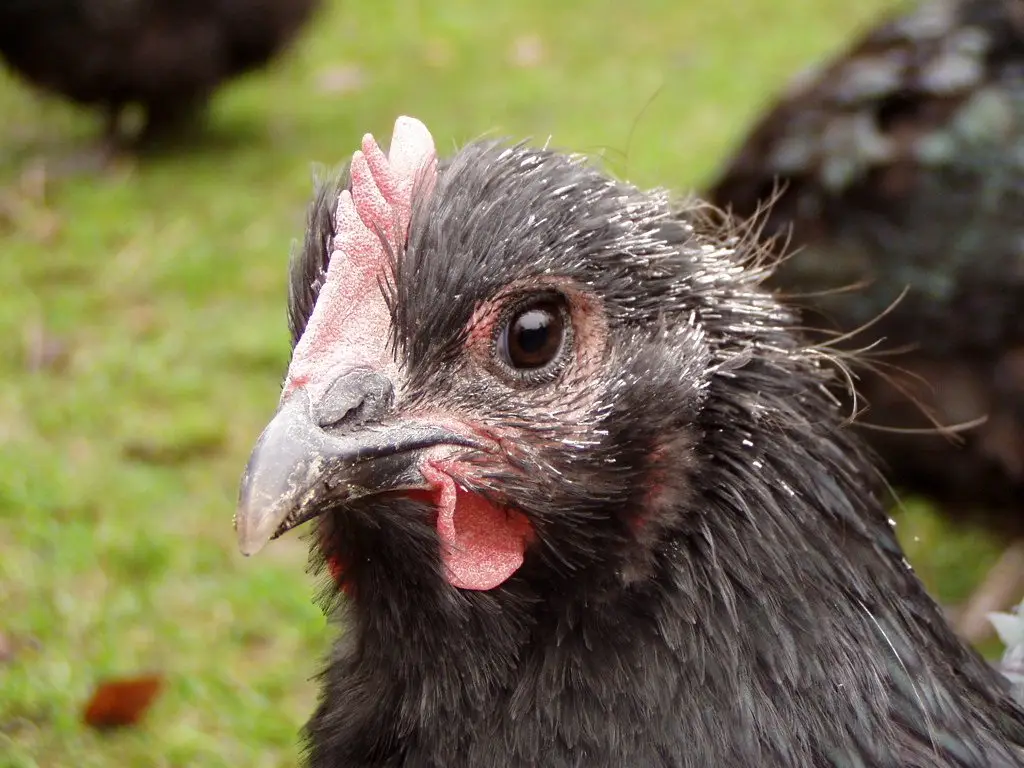
| Pin feathers | Weeks 3–6 | Spiky waxy sheaths, especially around the neck |
| Regrowth | Weeks 5–10 | Sheaths flake away; plumage fills in |
| Back in lay | Weeks 6–12 | Feathering complete, eggs resume |
Feathers are lost in a set order — head and neck first, then body, then wings and tail. A bird losing feathers in patches with no pattern, or with visible skin damage, is not moulting.
A hard, fast moult is a good sign
Counterintuitively, the birds that look worst recover fastest. A hen who drops most of her feathers in a fortnight and regrows quickly is usually one of the better layers. A slow, drawn-out, scruffy moult over three months tends to belong to a poorer producer. Old poultry keepers selected birds on exactly this, and the correlation holds up.
The one change worth making
Raise the protein.
Standard layer feed runs about 16% protein, which is calibrated for producing eggs, not rebuilding an entire coat of feathers. Switching to a 20% grower or a purpose-made moulting ration for the six to twelve weeks gives the hen the raw material she needs, and reliably shortens the process.
Alongside that:
- Cut the scratch and corn. They are low in protein and they fill birds up — exactly wrong now.
- Animal protein helps. Scrambled egg, mealworms, or a little tinned fish, in small amounts.
- Keep oyster shell available for any hens still laying, offered separately rather than mixed in.
- Go back to layer feed once plumage is complete and eggs resume.
Handle them less
New feathers emerge in a waxy sheath — the pin feather — with a live blood supply inside. They are sore, and if broken they bleed noticeably.
So a moulting flock does not want to be picked up, carried, or fussed over. If you must handle a bird during the moult, support her from underneath rather than gripping her body. Keep an eye on the flock for pecking: bare skin and blood-filled pins attract attention, and a hen being pecked during a moult needs to be separated.
Moult or mites?
The two get confused constantly, and the difference matters. A moult shows pin feathers — new growth pushing through — and the bird is otherwise bright and eating. Mites or lice show feather loss with no regrowth, often around the vent and under the wings, along with scabbing, a pale comb, and restlessness at night. Check after dark with a torch under the perches, where red mite hide, not on the bird during the day.
Do not override it with lighting
You can keep hens laying through autumn with a timer lamp. It is also the wrong call for a backyard flock.
The moult is a genuine rest: the reproductive tract regresses and rebuilds during it, which is part of why a hen who moults properly lays well the following season. Flocks pushed through year after year decline earlier. Commercial operations accept that trade-off because they replace birds at 18 months; you presumably are not.
If year-round eggs matter, add two or three pullets each year instead. Birds in their first laying season do not moult, so a staggered flock always contains layers.
When it is not a moult
Sudden feather loss outside autumn, or feather loss with any of the following, is worth investigating rather than waiting out: no pin feathers anywhere, scabs or raw skin, a pale or shrunken comb, weight loss, lethargy, or laboured breathing.
The full checklist for a flock that has stopped laying — including the causes that are not the moult — is in why your chickens stopped laying.
Common questions
How long does chicken molting last?
Do chickens stop laying when molting?
What should I feed chickens during a molt?
At what age do chickens have their first molt?
Is my chicken molting or sick?
Should I add light to stop the molt?
Backyard Weekly
Know what to plant, week by week
Free planting calendar. Join the weekly email for seasonal jobs, fixes for what is going wrong, and gear worth buying.
Set MONETIZATION.email.endpoint in src/config/site.ts to enable this form.
By subscribing you agree to our privacy policy. Grow In Backyard will never sell your address.
Keep reading
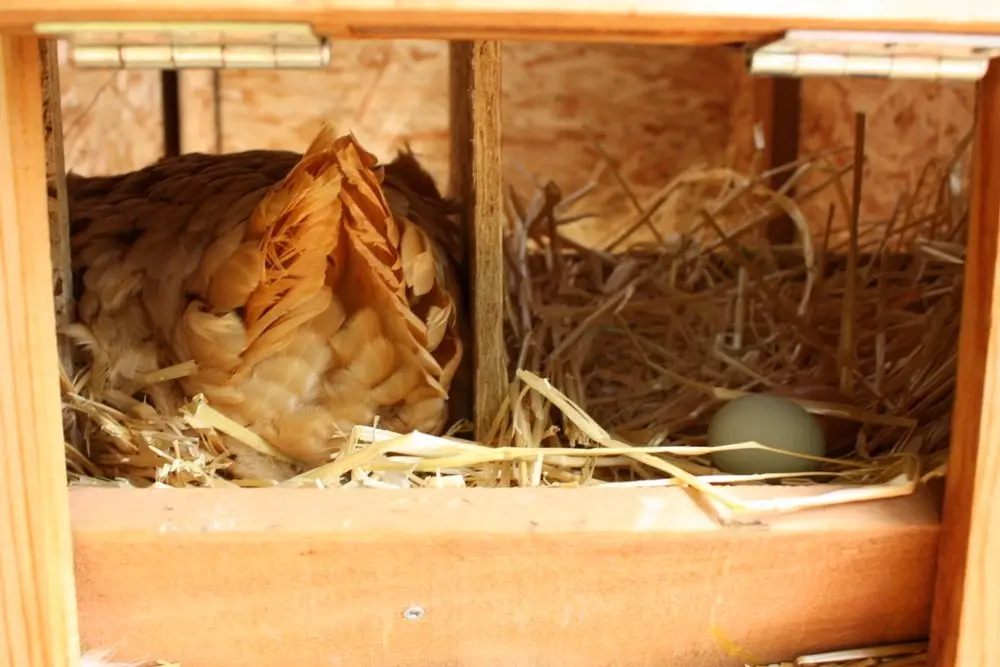
Why Your Chickens Stopped Laying: Work Through This List
Nine reasons hens stop laying, in the order to check them. Most are seasonal and fix themselves — but three are worth acting on before the flock loses condition.
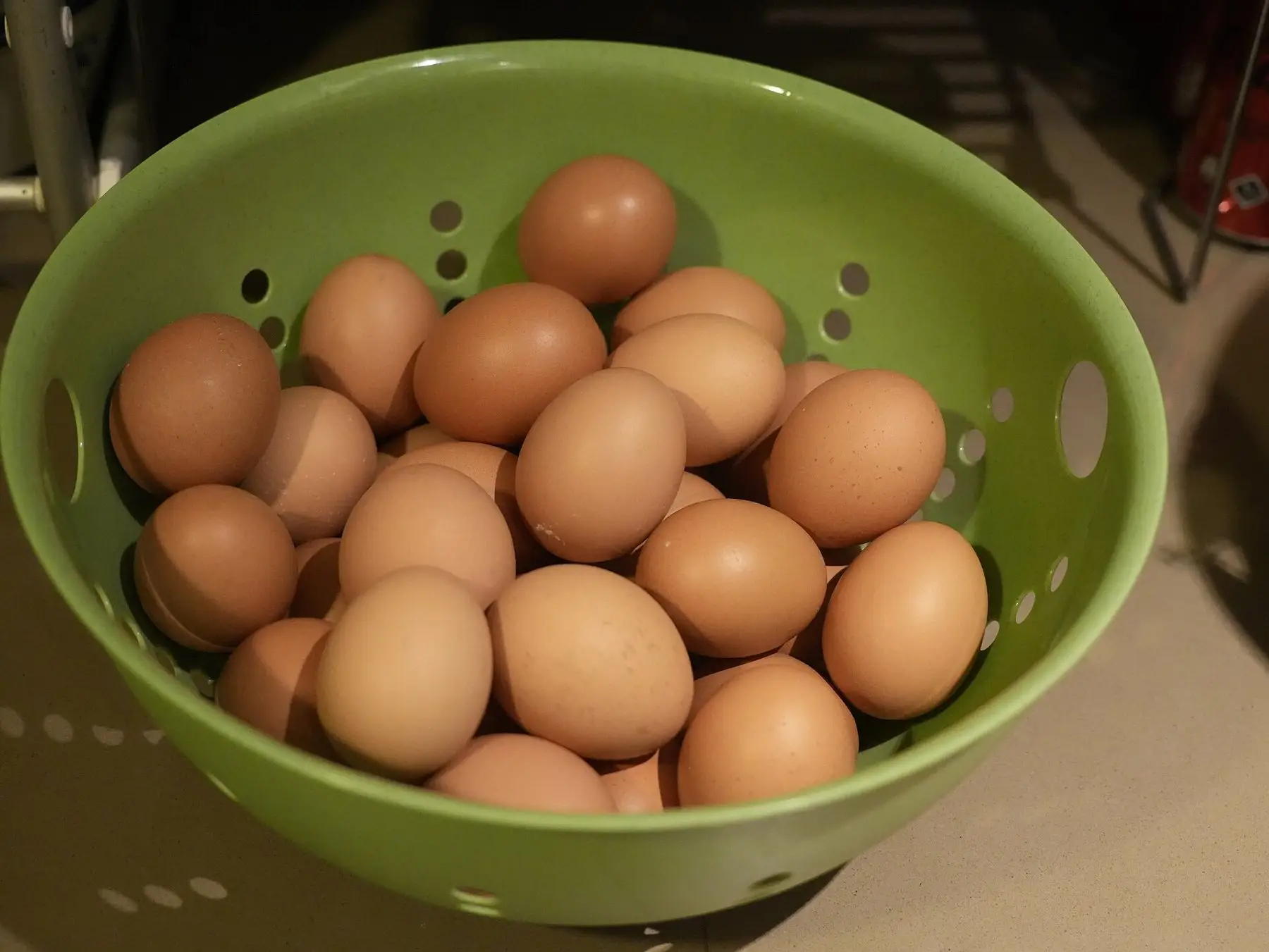
How Long Do Hens Lay Eggs? The Honest Answer
Hens lay best for two years, then decline about 15–20% annually. Most keep laying into year six or seven — just not many. Here is the real production curve.
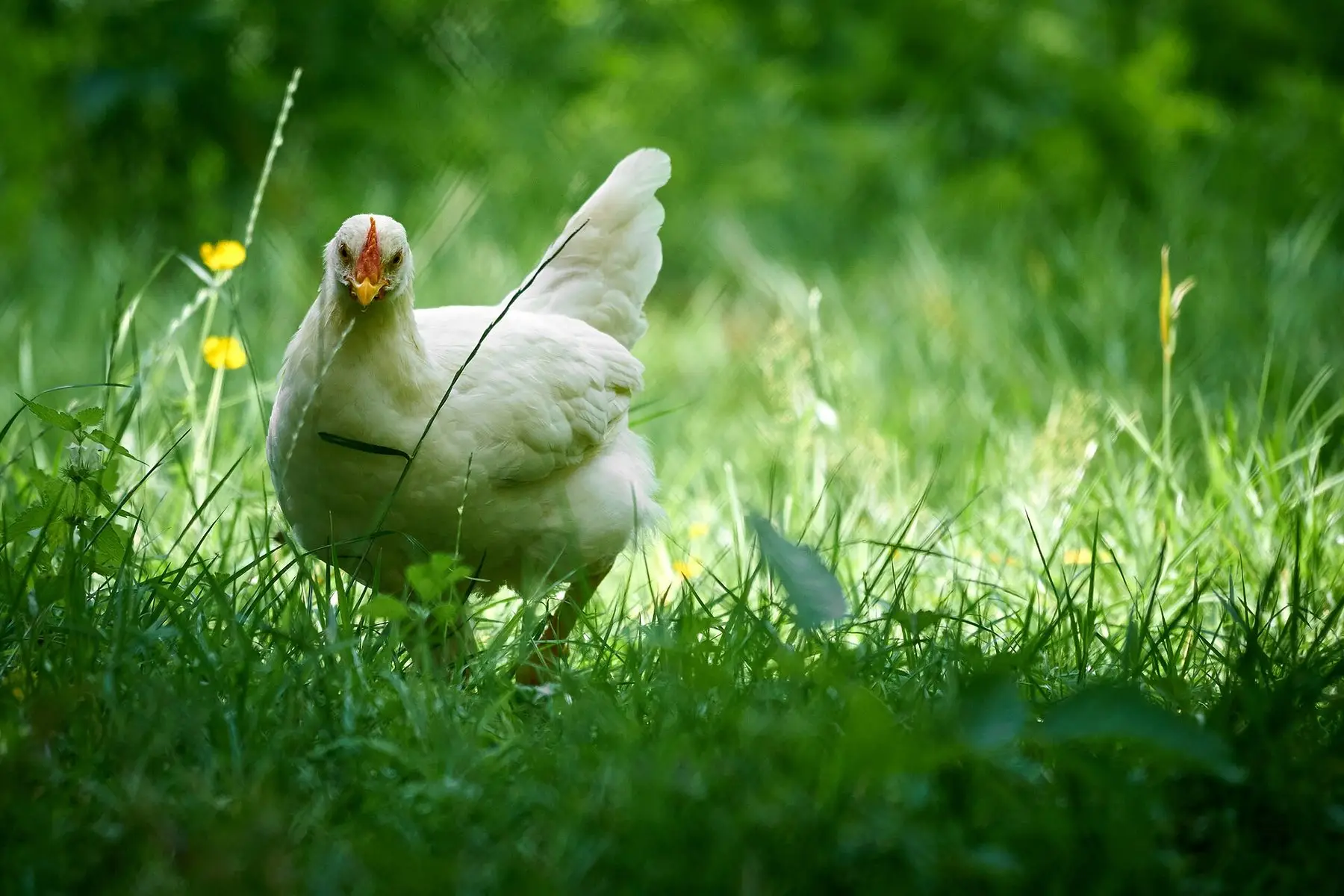
Backyard Chickens: What It Actually Takes
Space, cost, time, and the rules nobody mentions. An honest account of keeping backyard chickens before you buy the coop — including why the eggs are not free.
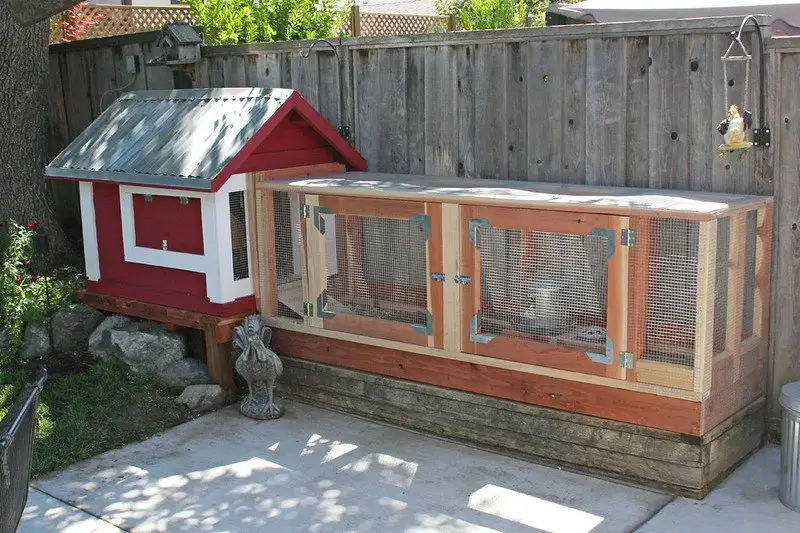
Best Chicken Coops You Can Buy (and When Building Is Cheaper)
Prefab coops range from genuinely good to a raccoon's first target. What to check before buying one, sized by flock, and when building instead saves real money.