How to Keep Chickens Out of the Garden
Chickens will strip a vegetable bed in an afternoon. Fence the garden rather than the birds, and use the six other methods in the order that actually works.
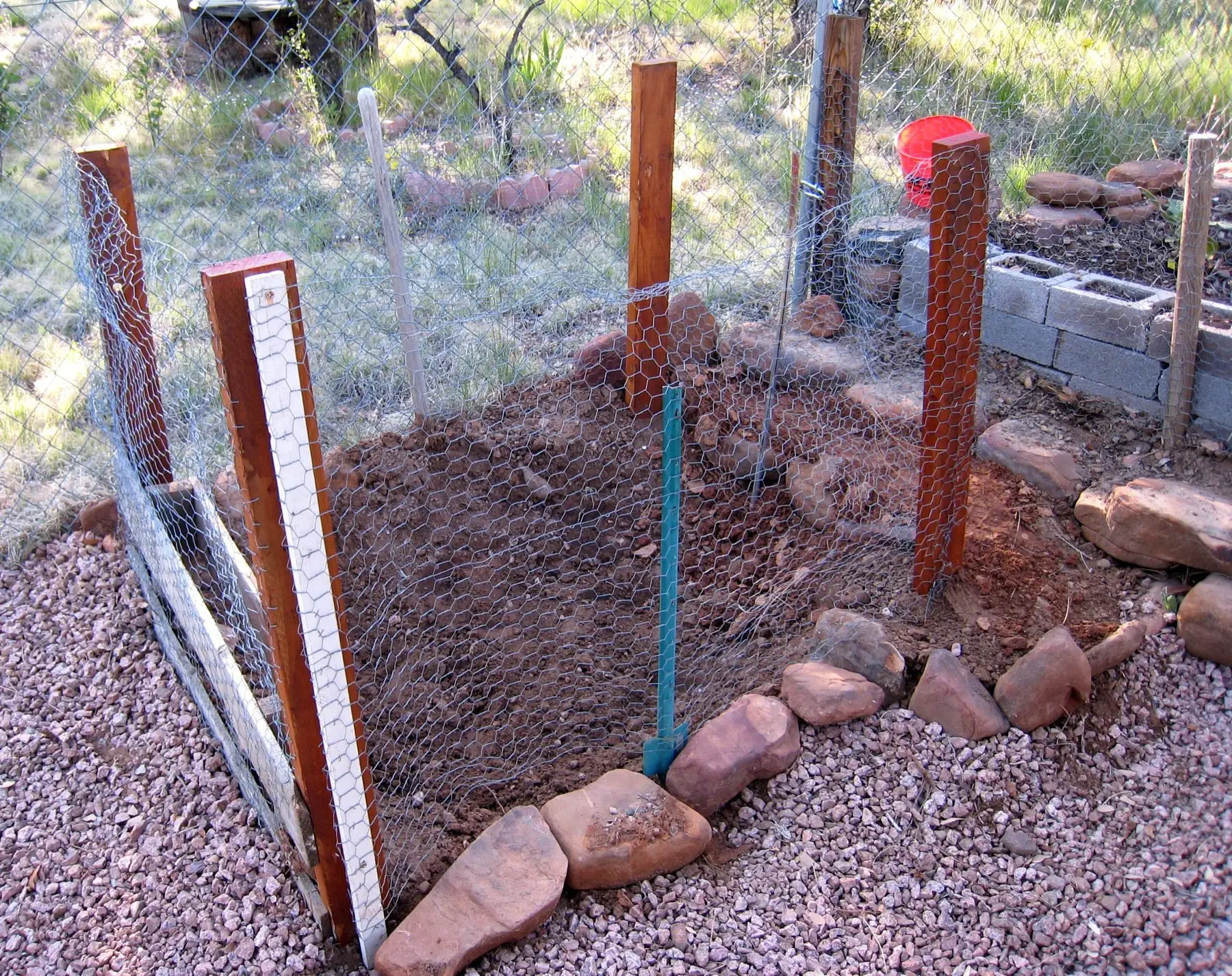
.jpg)
On this page
A flock will take a bed of seedlings down to bare soil in an afternoon, and they are not being malicious — a cultivated bed is simply the best place in the yard for the three things chickens most want to do. The fix is to understand which of those three is driving the damage, because they have different solutions.
Work out which behaviour is doing the damage
| What you see | Behaviour | Why | What actually stops it |
|---|---|---|---|
| Seedlings uprooted, soil flung onto the path | Scratching for insects | Loose cultivated soil holds the most invertebrates | Coarse heavy mulch; netting while young |
| Bowl-shaped hollows, plants undermined | Dust bathing | Dry loose soil is the ideal medium | A sanctioned dust bath elsewhere |
| Leaves stripped, low fruit pecked | Feeding | Tender greens are genuinely good forage | Physical barrier; late-day ranging |
Most people treat all three as one problem and reach straight for fencing. Fencing is the right first move, but if the damage is mainly dust bathing, giving them a better place to dig does more than another foot of wire.
Fence the garden, not the flock
This is the counterintuitive part, and it is the one that saves the most work.
Containing a free-ranging flock means fencing your whole perimeter to a height they cannot clear, with no gaps anywhere. Protecting the garden means fencing two beds. It is a fraction of the material and a fraction of the labour.
It also fails safe. A weak point in a garden fence costs you a row of lettuce. A weak point in a run that is doing double duty as predator protection costs you birds.
A floppy top beats a taller fence
Chickens are poor sustained fliers but good jumpers with a wing assist, and they judge a landing before committing. A 3-foot fence with an extra 12 inches of wire left unsupported at the top — so it bends when touched — turns back birds that would clear a rigid 5-foot fence. It is cheaper, too.
How high, by breed
| Breed type | Examples | Clears | Fence |
|---|---|---|---|
| Heavy / dual-purpose | Orpington, Australorp, Wyandotte | 3–4 ft | 4 ft |
| Standard laying | Rhode Island Red, Sussex | 4–5 ft | 5 ft, or 4 ft + floppy top |
| Light / flighty | Leghorn, Ancona, most bantams | 6 ft+ | 5 ft + floppy top, or netting |
Breed matters more here than most people expect, and it is worth knowing before you buy — the temperament and hardiness trade-offs are covered in best chickens for eggs.
Raised beds help, but not by height alone
A raised bed does not stop a chicken — they hop onto them readily, and a bed full of loose friable soil is the best dust bath in the yard.
What raised beds give you is an easy frame to attach to. Hoops and netting, or a hinged timber-and-wire lid, fit a rectangular bed far more neatly than they fit open ground. If you are building beds anyway, choosing the right depth and material is worth doing with this in mind — a bed with a sturdy top rail is much easier to cover later.
Netting needs to be taut or removed
Loose bird netting is a genuine hazard: chickens and wild birds get tangled in it, and a bird caught overnight rarely survives. Keep it drum-tight over hoops, check it weekly, and take it off entirely once plants are established rather than leaving it slack across the bed.
Remove the incentive
Mulch coarsely. Straw and fine bark are scratched aside within minutes. Bark nuggets, wood chip, or stone are heavy enough to be more effort than they are worth.
Provide a dust bath. A shallow box of dry soil, coarse sand, and a little wood ash, in a sunny sheltered spot. It is the single most effective non-fencing measure, because dust bathing is a fixed behavioural need rather than opportunism — they will do it somewhere, and you get to choose where.
Give them a compost pile. Chickens turning a compost heap is genuinely useful work, and a heap they are allowed to demolish absorbs a lot of the scratching drive.
Plant aromatics at the edges. Lavender, rosemary, sage, mint, and marigolds are generally left alone. Treat this as a mild tendency rather than a barrier — it will not protect lettuce.
Range them late
Chickens forage hardest in the first hours after they are let out. Keeping them in the run until an hour or two before dusk gives you most of the pest-control and forage benefit with far less damage, because that final window is spent drifting slowly back toward the roost.
If you would rather they had fresh ground every day without any of this, a chicken tractor moves the flock onto new grass each morning and keeps the garden out of the equation entirely.
Not everything they might eat is a loss
Worth knowing while you are protecting the vegetable beds: a few common garden plants are genuinely toxic to chickens rather than merely unwanted forage — tomato and potato foliage among them. What chickens can and cannot eat covers the full list, alongside what is safe and worth letting them have.
Wing clipping, honestly
It works, and it is widely misunderstood.
Trim the ten primary flight feathers on one wing only. Clipping both merely makes the bird lighter; clipping one unbalances it, which is the point. Flight feathers are dead tissue, so a correct trim is painless — but avoid blood feathers, the newer ones with a visible dark shaft, which will bleed.
Two caveats. It grows out at the next moult and has to be repeated. And do not clip birds that free-range in the open where they may need height to escape a dog or a fox — for those flocks, fence the garden instead.
For the wider picture of what keeping a flock involves before you commit, see what keeping backyard chickens actually takes.
Step by step
- Time
- PT4H
- Cost
- $120
- You need
- Welded wire or chicken wire, 4 ft, Fence posts, Bird netting or hoops for beds, Coarse bark or stone mulch
- Tools
- Post driver or spade, Wire cutters, Staple gun
Fence the garden, not the chickens
Enclosing one or two beds takes a fraction of the fencing that containing a free-ranging flock does, and it fails safe — a gap in a garden fence costs you lettuce, while a gap in a run costs you birds. This is the single decision that solves the problem for most yards.
Build it four feet, or three feet plus a floppy top
Heavy breeds rarely clear 4 feet. Light breeds such as Leghorns will clear 6. If height is a problem, a 3-foot fence with an unsupported 12-inch top section works better than a taller rigid one — chickens will not commit to landing on wire that gives under them.
Net or hoop the vulnerable beds
Seedlings and bare soil are what attract scratching. Bird netting over hoops, or a simple timber frame with wire, protects a bed through the weeks that matter and comes off once plants are established and tough enough to survive attention.
Mulch with something too heavy to scratch
Chickens scratch loose straw and fine bark aside within minutes. Coarse bark nuggets, wood chip, or stone around established plants is materially harder to move, and it protects the soil surface they are actually after.
Give them a better place to dig
Much of the damage is dust bathing, not feeding. Provide a dry, loose, sunny patch — a low box of dry soil, sand and wood ash — and a compost pile they are allowed to work. A flock with somewhere sanctioned to dig visits the beds noticeably less.
Free-range on a timer, late in the day
Chickens forage hardest in the morning. Keeping them in the run until an hour or two before dusk gives most of the foraging benefit with a fraction of the damage, because they spend that window drifting toward the roost rather than working the ground.
Clip one wing only, if height is still the problem
Trim the primary flight feathers on ONE wing to unbalance the bird. Feathers are dead tissue, so it does not hurt — but avoid blood feathers, which are the new ones with a visible dark shaft. It grows out at the next moult and must be repeated. Do not do this to birds that need to escape predators.
Common questions
How high does a fence need to be to keep chickens out?
How do you keep chickens out of the garden without fencing?
What plants will chickens leave alone?
Is clipping a chicken's wing cruel?
Why do chickens destroy garden beds so fast?
Will chickens eat my tomato plants?
Backyard Weekly
Know what to plant, week by week
Free planting calendar. Join the weekly email for seasonal jobs, fixes for what is going wrong, and gear worth buying.
Set MONETIZATION.email.endpoint in src/config/site.ts to enable this form.
By subscribing you agree to our privacy policy. Grow In Backyard will never sell your address.
Keep reading
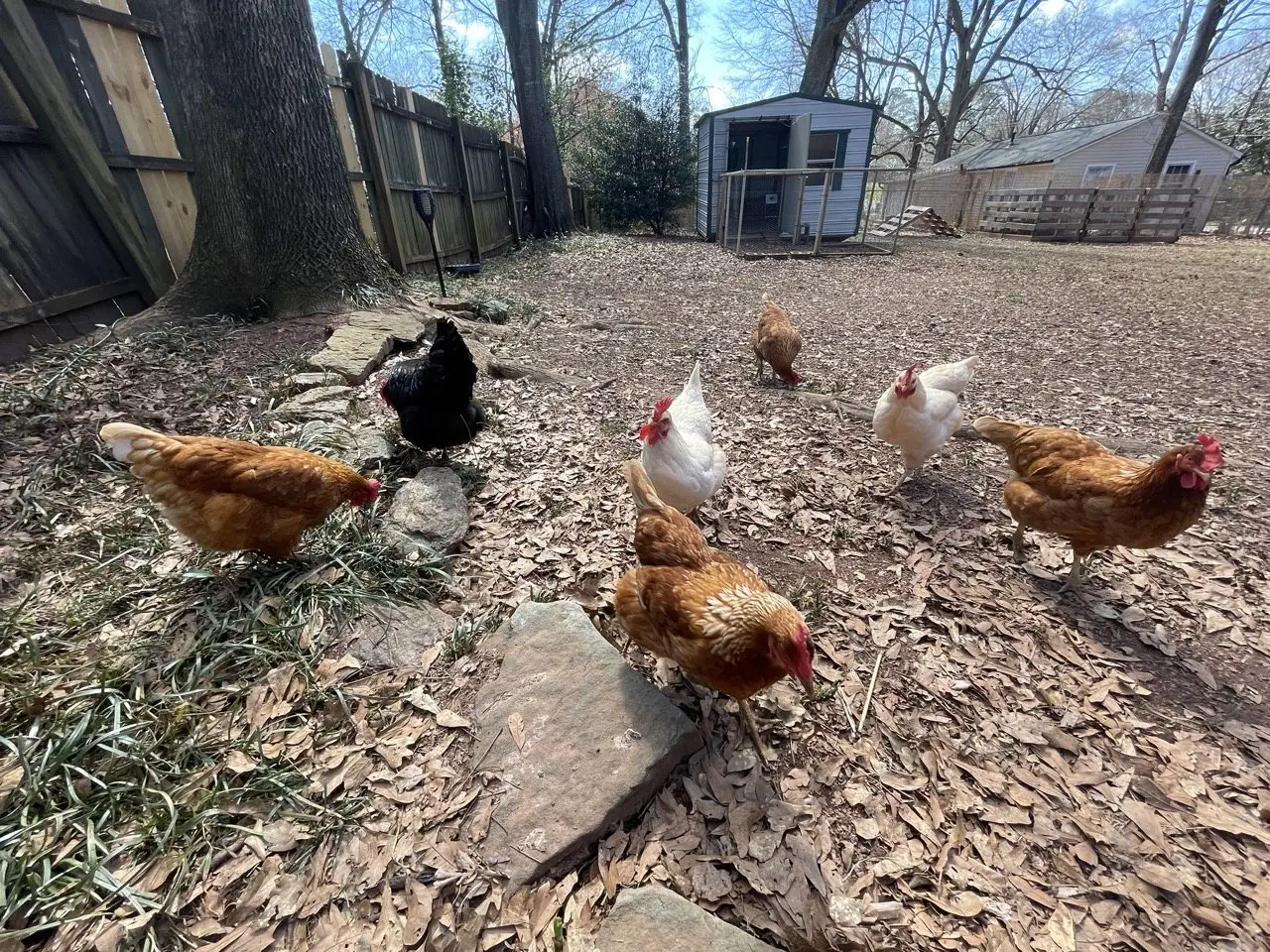
What Chickens Can (and Cannot) Eat From Your Garden
Some garden plants are genuinely toxic to chickens, not just unappealing. What is safe to let them forage, and what to keep them away from entirely.
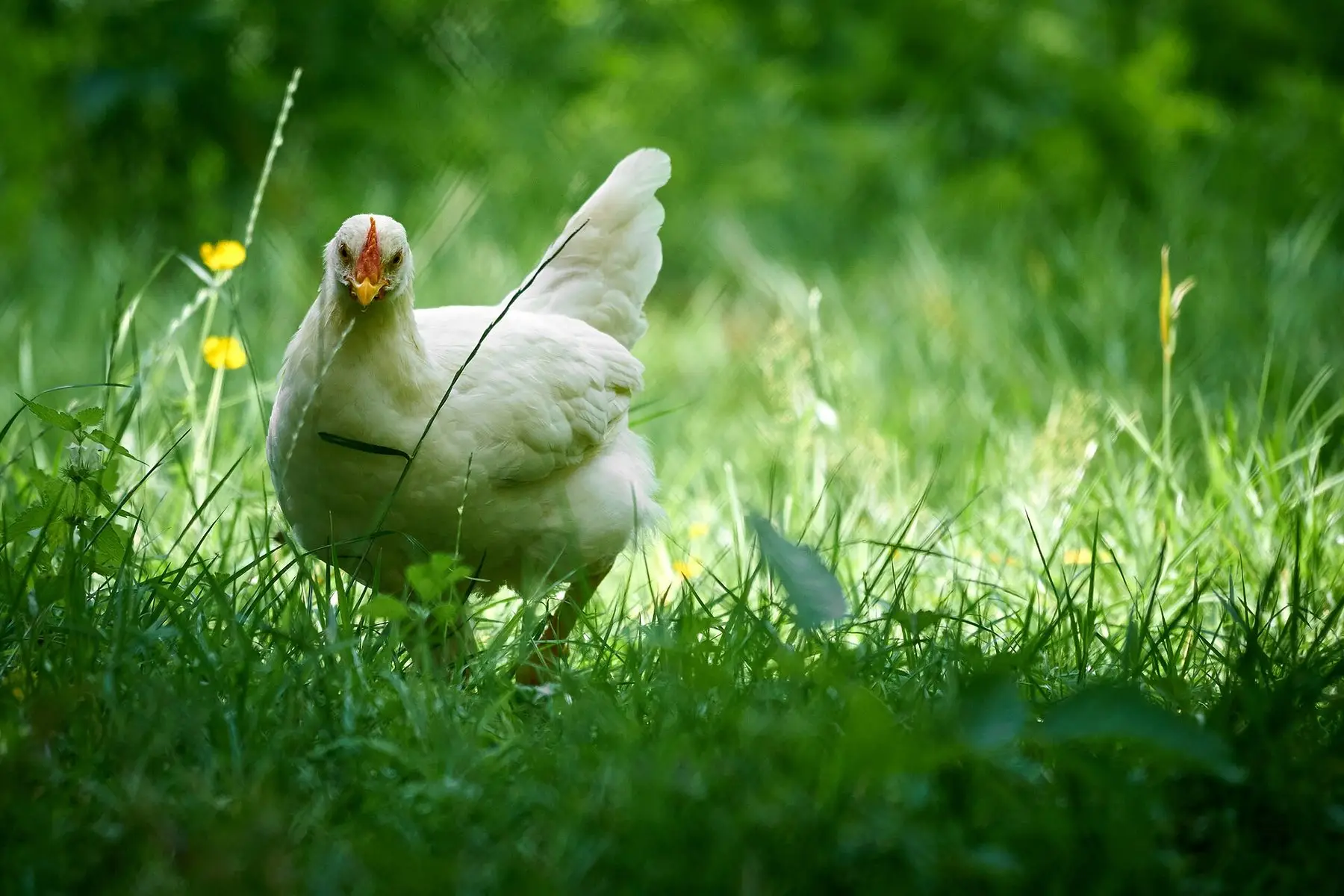
Backyard Chickens: What It Actually Takes
Space, cost, time, and the rules nobody mentions. An honest account of keeping backyard chickens before you buy the coop — including why the eggs are not free.
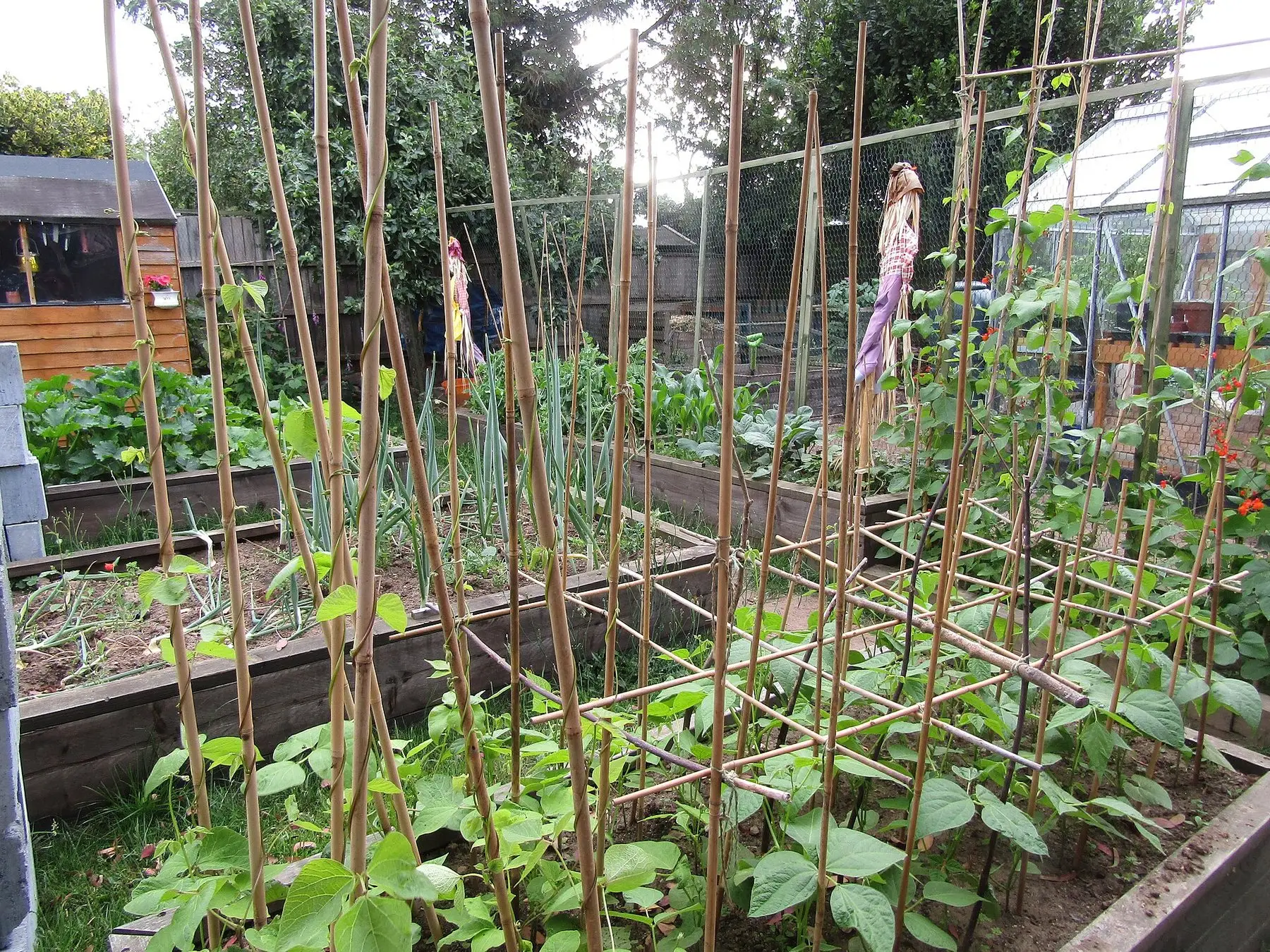
Best Raised Garden Beds: 5 Kits Worth the Money
Metal, cedar, or plastic — the material decides how long a raised bed lasts and what it costs to fill. Five kits compared, plus how to pick the right depth.
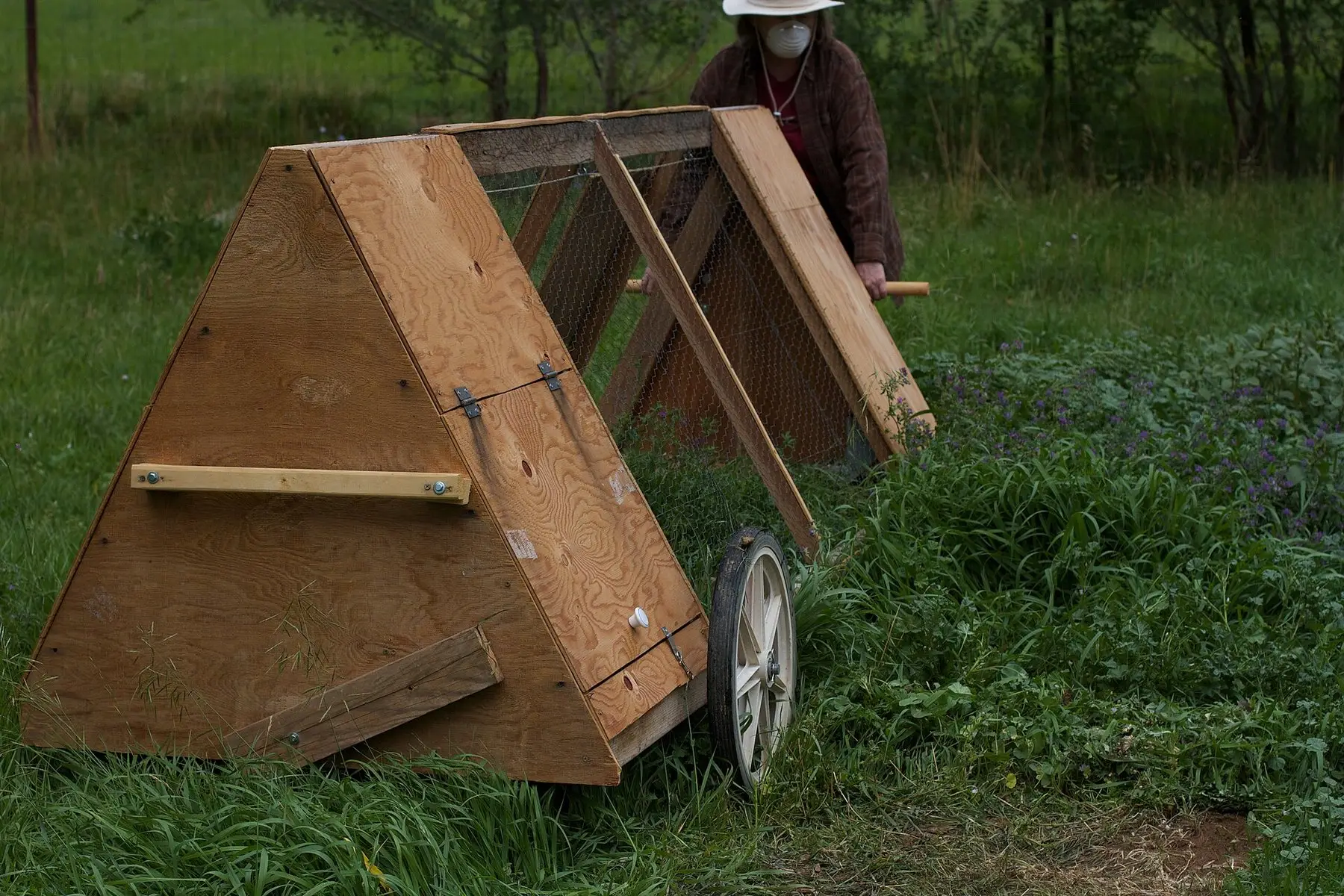
Chicken Tractors: Mobile Coop Plans That Actually Move
A chicken tractor gives hens fresh ground daily without fencing the yard. How to size one you can move alone, and the weight mistakes that strand it.