What Chickens Can (and Cannot) Eat From Your Garden
Some garden plants are genuinely toxic to chickens, not just unappealing. What is safe to let them forage, and what to keep them away from entirely.

On this page
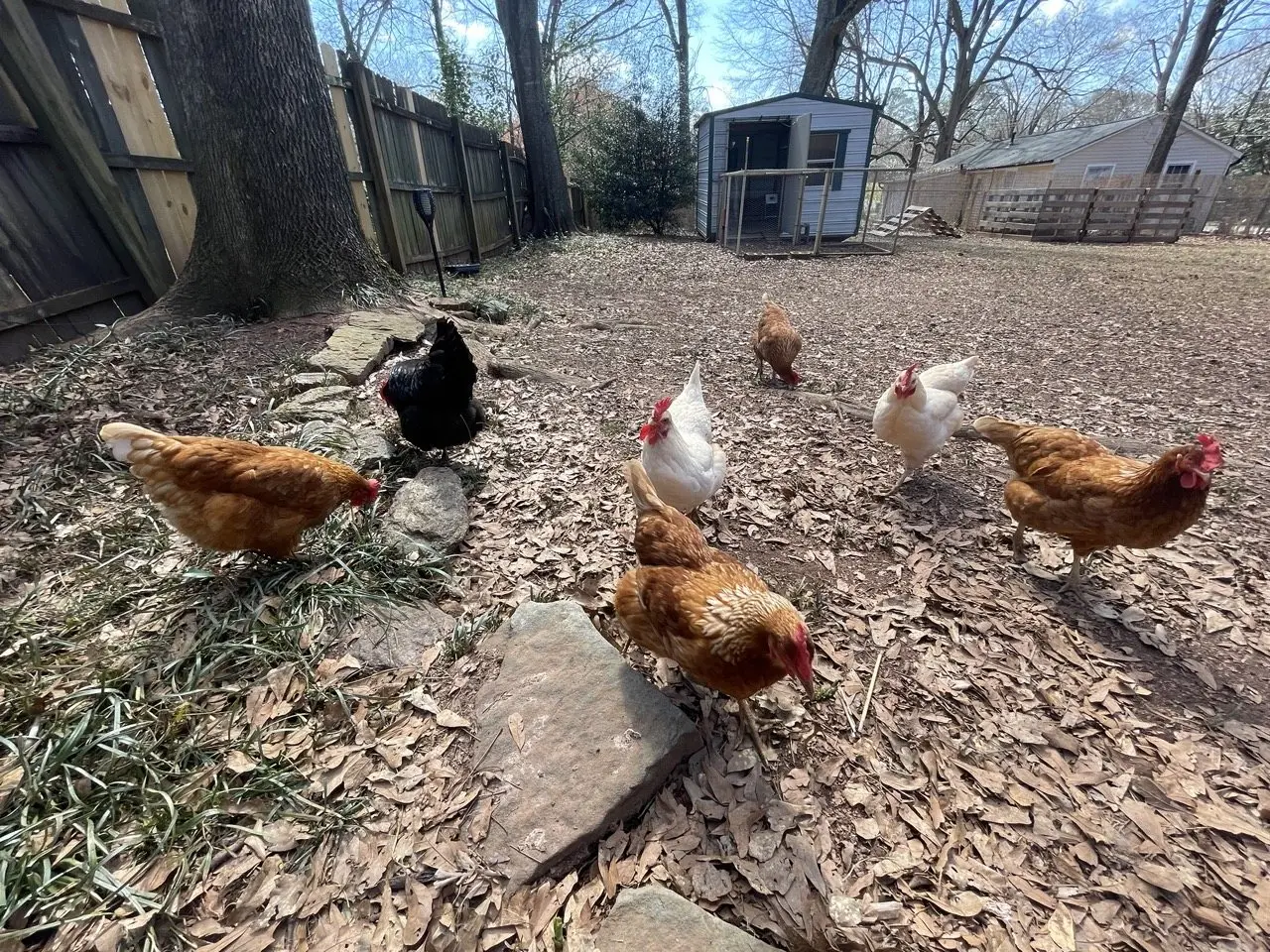
Free-ranging chickens sample almost everything in a garden, which raises a real question underneath the usual “what will they destroy” one: some of what they might eat is genuinely harmful, not just unwanted.
Safe and worth growing near the flock
| Plant | Notes |
|---|---|
| Marigold | Petals may deepen yolk colour; widely offered as a treat |
| Nasturtium | Leaves and flowers both edible to chickens; also a pest trap crop |
| Borage | Attracts pollinators and is safely eaten by the flock |
| Sunflower | Seed heads are excellent forage once dried |
| Calendula | Similar profile to marigold |
| Most leafy greens | Lettuce, chard, kale — safe in reasonable amounts |
| Most root vegetables | Carrots, beets — safe, including the tops |
Genuinely toxic — keep these away
| Plant | The risk |
|---|---|
| Tomato & potato foliage | Solanine, a nightshade toxin — leaves and stems, not ripe fruit |
| Rhubarb leaves | Oxalic acid, toxic in quantity |
| Azalea / rhododendron | Grayanotoxin — can be fatal |
| Oleander | Highly toxic, all parts |
| Foxglove | Cardiac glycosides — can be fatal |
| Avocado skin & pit | Persin — toxic, particularly to birds |
It is about quantity, not a single peck
An incidental peck at a tomato leaf while foraging is unlikely to cause a problem — the risk builds with sustained access and larger quantities. That said, there is no upside to leaving chickens with free access to any plant on this list, so exclude them from areas the flock actually forages rather than relying on chickens self-limiting.
Why chickens leave some safe plants alone
Strongly aromatic herbs — lavender, rosemary, sage, mint, and thyme — are usually left untouched, most likely because of their essential oil content rather than any toxicity. This is a genuinely useful tendency: planting these at the edges of a vulnerable bed gives it a mild, if imperfect, deterrent effect without doing anything deliberate.
It is not a barrier on its own. A hungry or bored flock will still investigate almost anything given enough time, which is why the fencing and mulching approaches in keeping chickens out of the garden do the actual protecting — plant choice is a helpful layer on top, not a substitute.
The practical takeaway
If chickens free-range anywhere near ornamentals, it costs nothing to check unfamiliar plants against a toxic list before assuming they are simply garden decor the flock will ignore. For the vegetable garden specifically, the main exclusion to remember is nightshade foliage — tomato and potato leaves in particular, since both are common in a home garden and the ripe fruit itself is entirely safe.
Common questions
What flowers can chickens eat?
What plants are toxic to chickens?
Can chickens eat tomato plants?
Why won't my chickens eat certain plants in the garden?
Can chickens eat rhubarb?
Backyard Weekly
Know what to plant, week by week
Free planting calendar. Join the weekly email for seasonal jobs, fixes for what is going wrong, and gear worth buying.
Set MONETIZATION.email.endpoint in src/config/site.ts to enable this form.
By subscribing you agree to our privacy policy. Grow In Backyard will never sell your address.
Keep reading
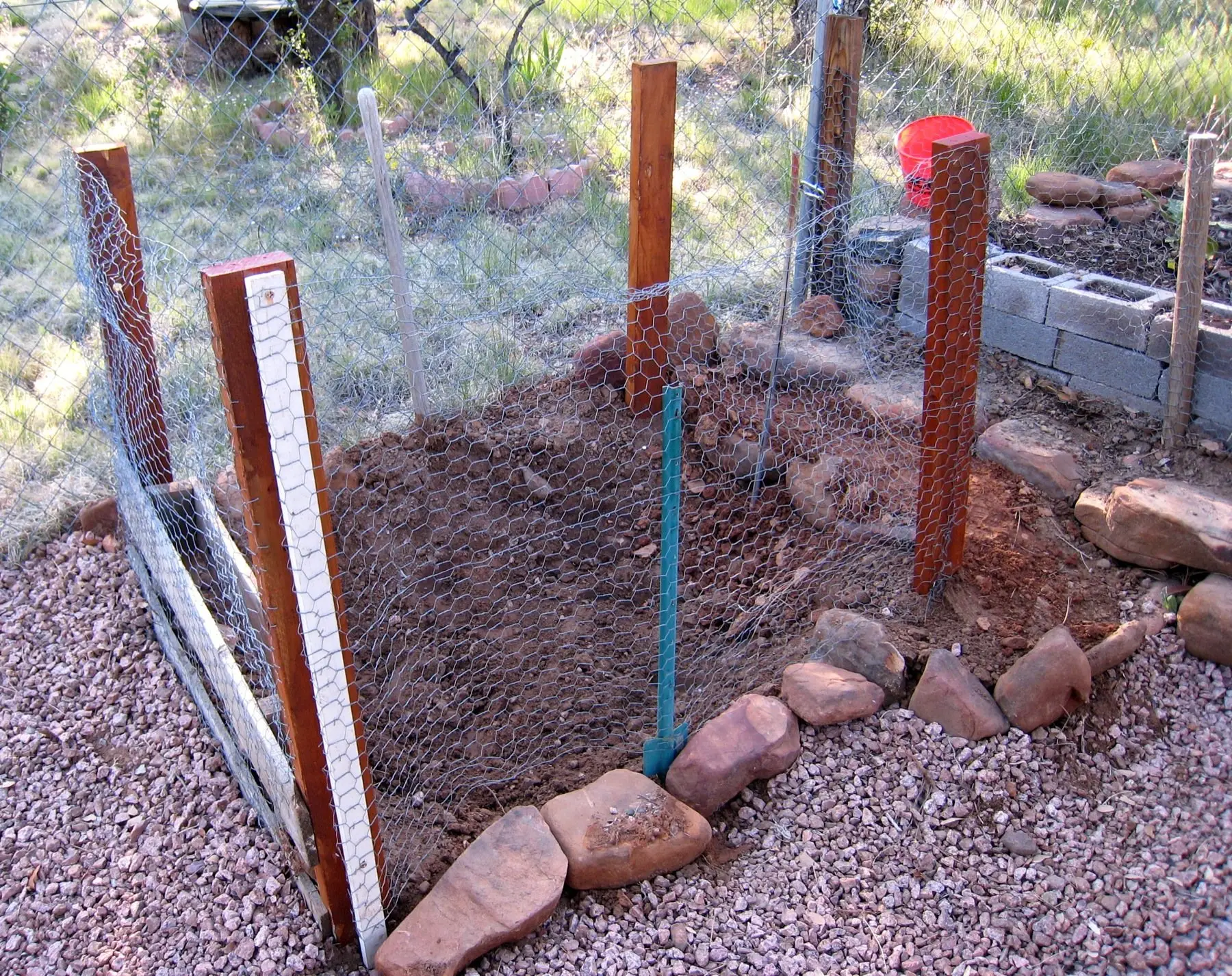
How to Keep Chickens Out of the Garden
Chickens will strip a vegetable bed in an afternoon. Fence the garden rather than the birds, and use the six other methods in the order that actually works.
Backyard Chickens: What It Actually Takes
Space, cost, time, and the rules nobody mentions. An honest account of keeping backyard chickens before you buy the coop — including why the eggs are not free.
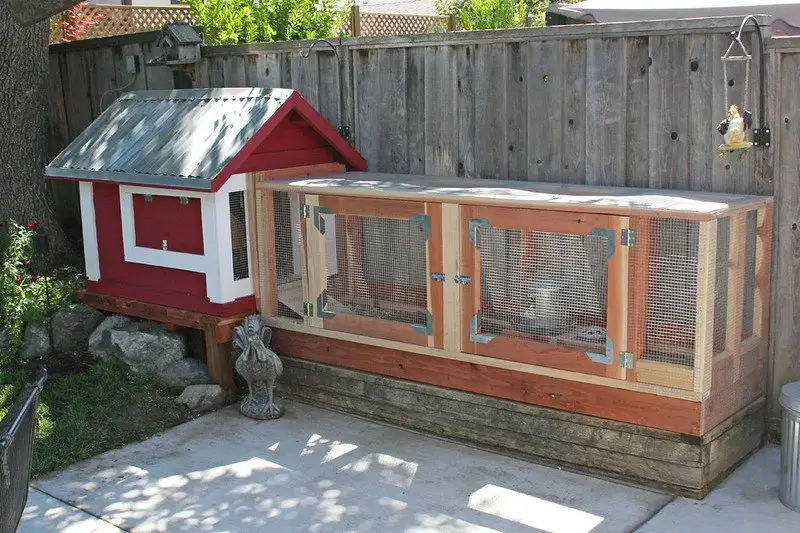
Best Chicken Coops You Can Buy (and When Building Is Cheaper)
Prefab coops range from genuinely good to a raccoon's first target. What to check before buying one, sized by flock, and when building instead saves real money.
Best Chickens for Beginners: Temperament First
Every breeds list ranks by eggs. For a first flock, temperament, noise, and how forgiving a breed is of mistakes matter more. Five breeds picked on that basis.