Fire Pit on a Deck: What Is Safe and What Is Not
A wood fire pit on a wooden deck is a bad idea whatever you put under it. What actually works on decking, and the clearances that make it survivable.


On this page
The short answer: a gas fire pit rated for deck use, with a heat shield and proper clearances, is reasonable. An open wood fire on a wooden deck is not, whatever you put underneath it.
The reason is not just escaping embers, though those matter. It is a slower process that makes a deck more flammable over time.
Why wood fires and wooden decks do not mix
Embers. A wood fire throws sparks. On a lawn or gravel they die. On decking they land in the gaps between boards, where there is debris, and where you cannot see them.
Pyrolysis. This is the part people do not know about.
Wood heated repeatedly becomes easier to ignite
Timber exposed to moderate heat over and over does not simply dry out. It chemically decomposes — volatiles are driven off, and what remains is a char that ignites at a lower temperature than the original wood did. Each season under a fire pit lowers the threshold further. This is why a deck can be fine for two years and then catch fire in the third at a heat level it previously tolerated, and it is why “it has been fine so far” is not evidence of safety.
Dripping and ash. Wood fires produce ash and, in a metal bowl, condensed creosote and tar that stain permanently.
Weight. A masonry fire pit or a large steel bowl full of wood may exceed what the deck framing is designed to carry, particularly away from the joists’ supported ends.
What works instead
| Option | Suitable on a wood deck? | Notes |
|---|---|---|
| Propane or natural gas fire pit, deck-rated | Yes | No embers, instant shut-off, predictable output |
| Gas fire table | Yes | Same, with a usable surface |
| Ethanol / bio-fuel burner | Yes, with care | No embers; fuel handling is the hazard |
| Smokeless wood fire pit with a heat shield | Marginal | Fewer embers, still a wood fire |
| Open wood fire pit | No | Embers plus pyrolysis |
| Chiminea, wood | No | Contained but still throws sparks from the top |
| Masonry fire pit | No | Weight and heat both problematic |
Gas is the answer for a deck, and it is a reasonable one — the trade-offs against wood are covered in propane vs wood. You lose the crackle and some heat; you gain a fire you can put out with a valve.
Heat shields, done correctly
A heat shield breaks the conduction path between the fire pit’s base and the deck. It works by maintaining an air gap, not by being thick.
Use: a purpose-made fire pit heat shield, or an insulated deck protector mat rated for the job. If the fire pit manufacturer sells one, use theirs — their stated clearances were tested with it.
A paving slab is not a heat shield
Laying a stone or concrete slab under a fire pit is the standard improvisation and it fails in two ways. Stone conducts heat efficiently and delivers it straight into the boards beneath. And it traps moisture against the deck permanently, which rots the timber underneath whether or not you ever light the fire. Neither problem is visible until the damage is done.
Clearances
Follow the manufacturer’s numbers — they are specific to the appliance and they are what your insurance will be measured against. As general guidance:
- Several feet to railings, walls, furniture and anything combustible at the sides.
- 10 feet or more clear overhead, with nothing above.
- Well away from the house wall, especially vinyl siding, which melts at temperatures far below ignition.
Overhead is the one people miss. Check for:
- Low eaves and soffits
- Pergola beams and shade sails
- Patio umbrellas — see sizing and siting one
- String lights
- Overhanging branches
- Upper-floor balconies
Composite decking
Composite boards contain plastic, and they behave differently from timber: they soften, warp and melt at temperatures wood would tolerate, and the damage is permanent and localised.
Most composite manufacturers exclude heat damage from the warranty, and several prohibit open flame entirely. Check the specific product documentation before buying anything — this is a case where the warranty terms are also good safety guidance.
Practical setup
- Level, stable surface. A tipped gas fire pit is a serious event.
- Propane cylinder upright, outdoors, never enclosed in a sealed cabinet without ventilation.
- A fire extinguisher within reach — a Class B unit for gas, and a bucket of sand is a sensible addition.
- Never leave it burning unattended, and never with children or pets loose nearby.
- Sweep the deck before lighting. Dry leaves and debris in the board gaps are the fuel that makes a stray ember matter.
- Cover it when not in use, and check the deck underneath periodically for discolouration — darkening timber is early pyrolysis and a signal to stop.
The alternative worth considering
If you want a real wood fire, put it off the deck. A gravel or paved area alongside, with a proper fire pit ring and a compacted base, gives you the fire you actually wanted without the compromise — and it is usually cheaper than a good gas fire table.
A deck is for a gas fire. The ground is for a wood one.
Common questions
Can you put a fire pit on a wooden deck?
What do you put under a fire pit on a deck?
Is a gas fire pit safe on a deck?
How much clearance does a fire pit need on a deck?
What is pyrolysis and why does it matter for decks?
Will a fire pit void a deck warranty or affect insurance?
Backyard Weekly
Know what to plant, week by week
Free planting calendar. Join the weekly email for seasonal jobs, fixes for what is going wrong, and gear worth buying.
Set MONETIZATION.email.endpoint in src/config/site.ts to enable this form.
By subscribing you agree to our privacy policy. Grow In Backyard will never sell your address.
Keep reading
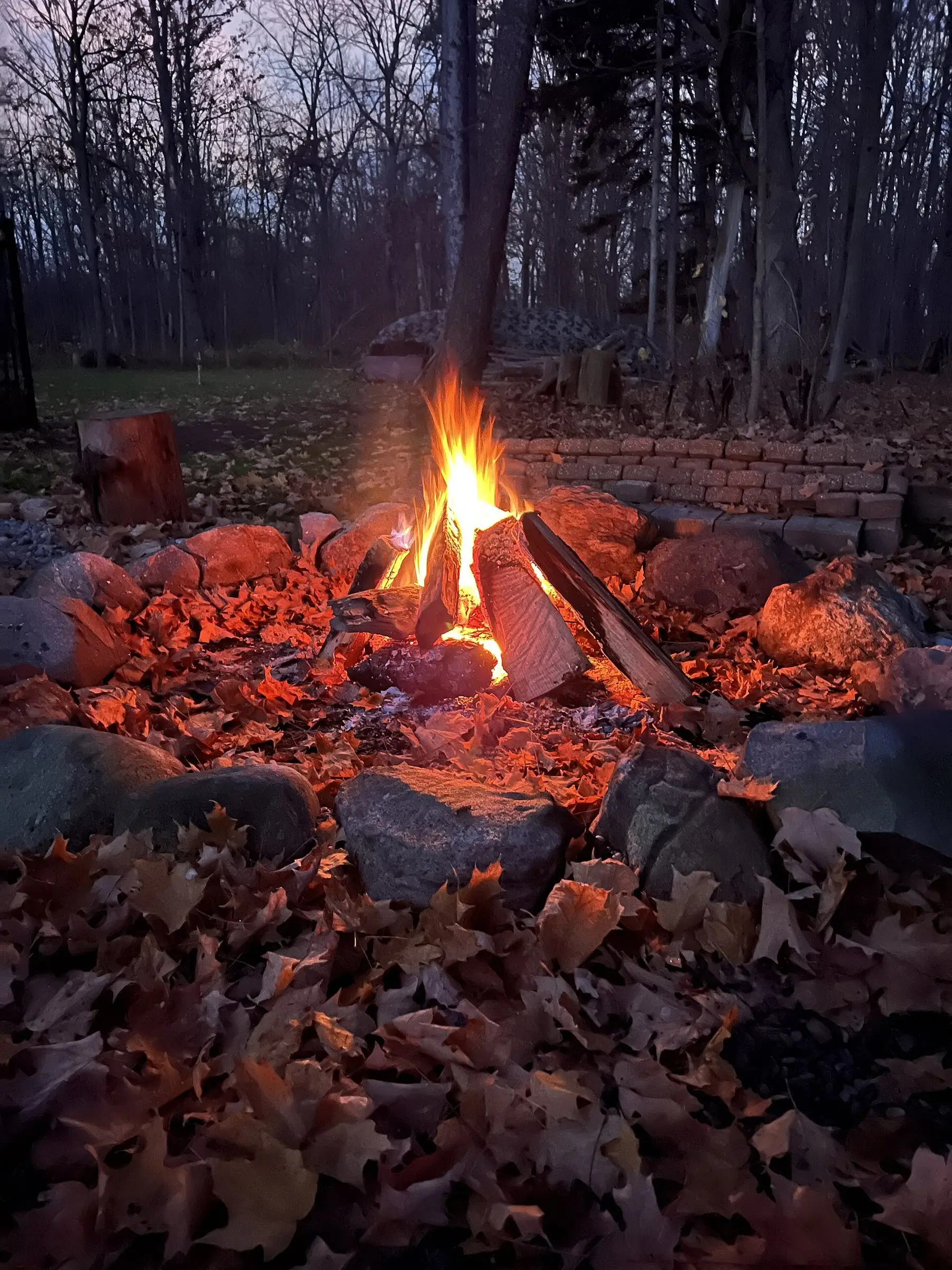
Propane vs Wood Fire Pit: Which One Suits Your Yard
Gas gives you instant, controllable, smokeless fire with no ash. Wood gives you heat, crackle and smell. The decision is really about frequency, rules, and patience.
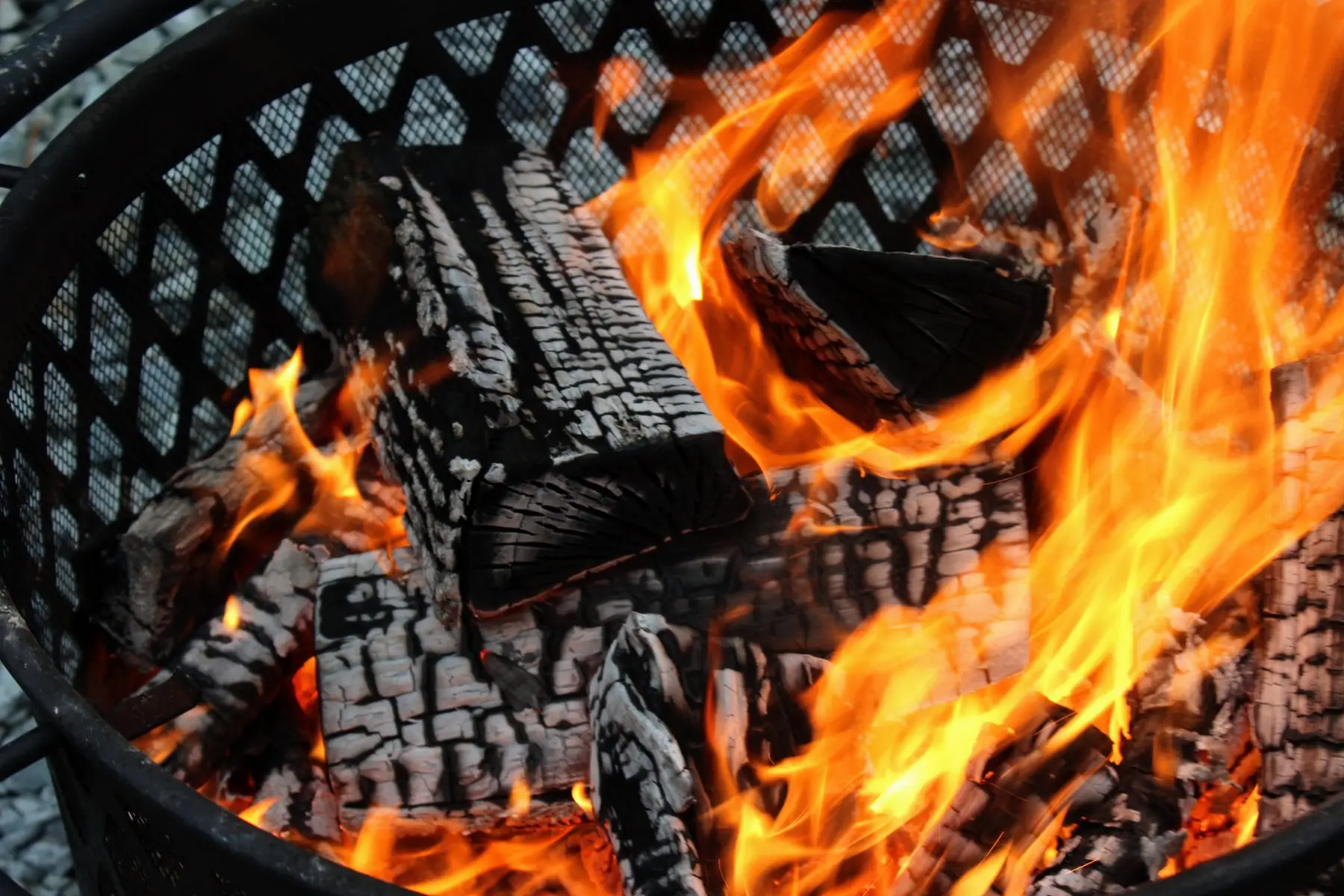
Fire Pit Ring: Building a Permanent Pit That Lasts
A steel ring is what stops a stone fire pit spalling and collapsing. Sizing, drainage, which blocks are safe to heat, and the clearances that keep it legal.
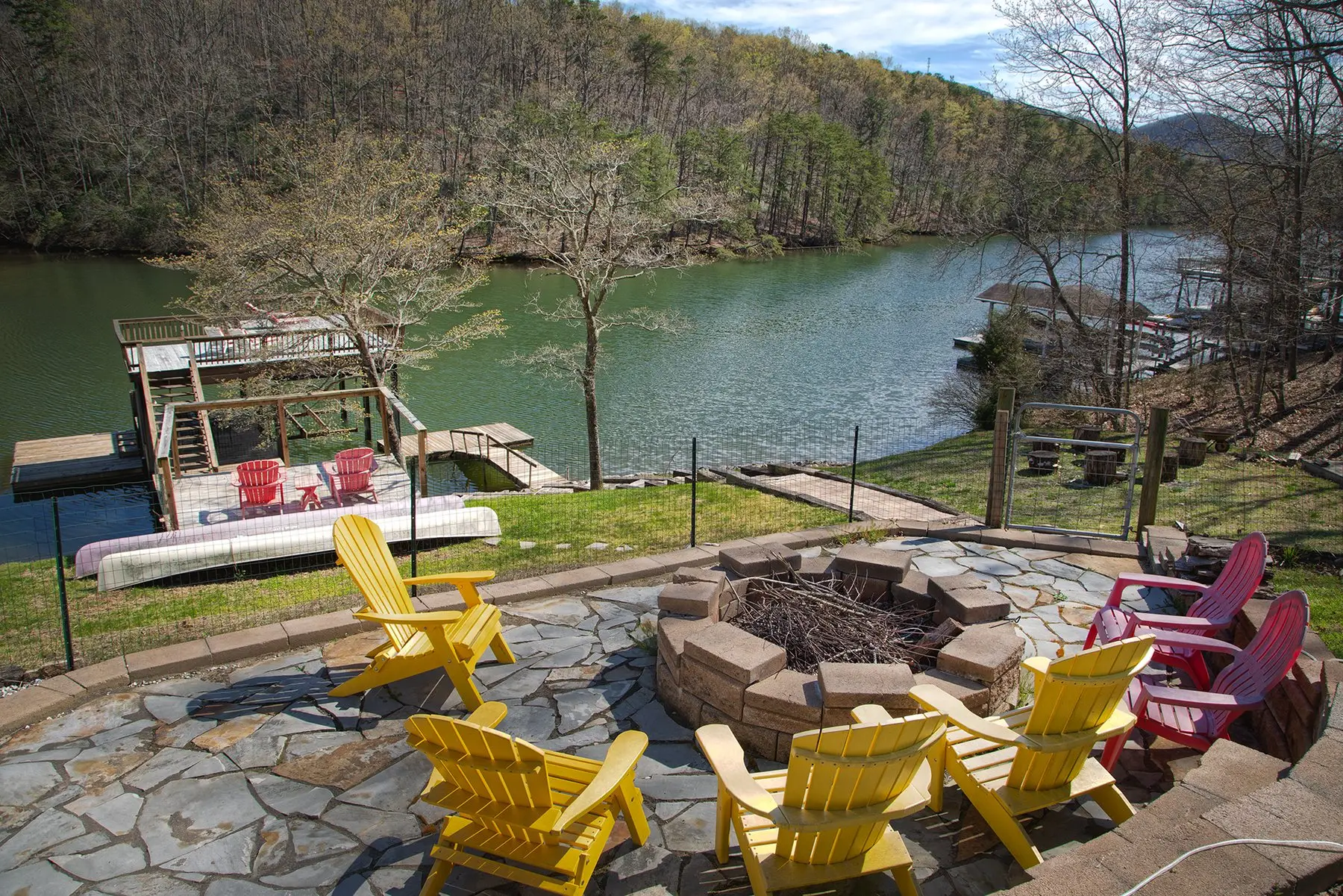
How a Smokeless Fire Pit Works (and Its Real Limits)
A smokeless fire pit burns the smoke rather than venting it, using a double wall and a second ring of air. Here is the mechanism, and when it stops working.
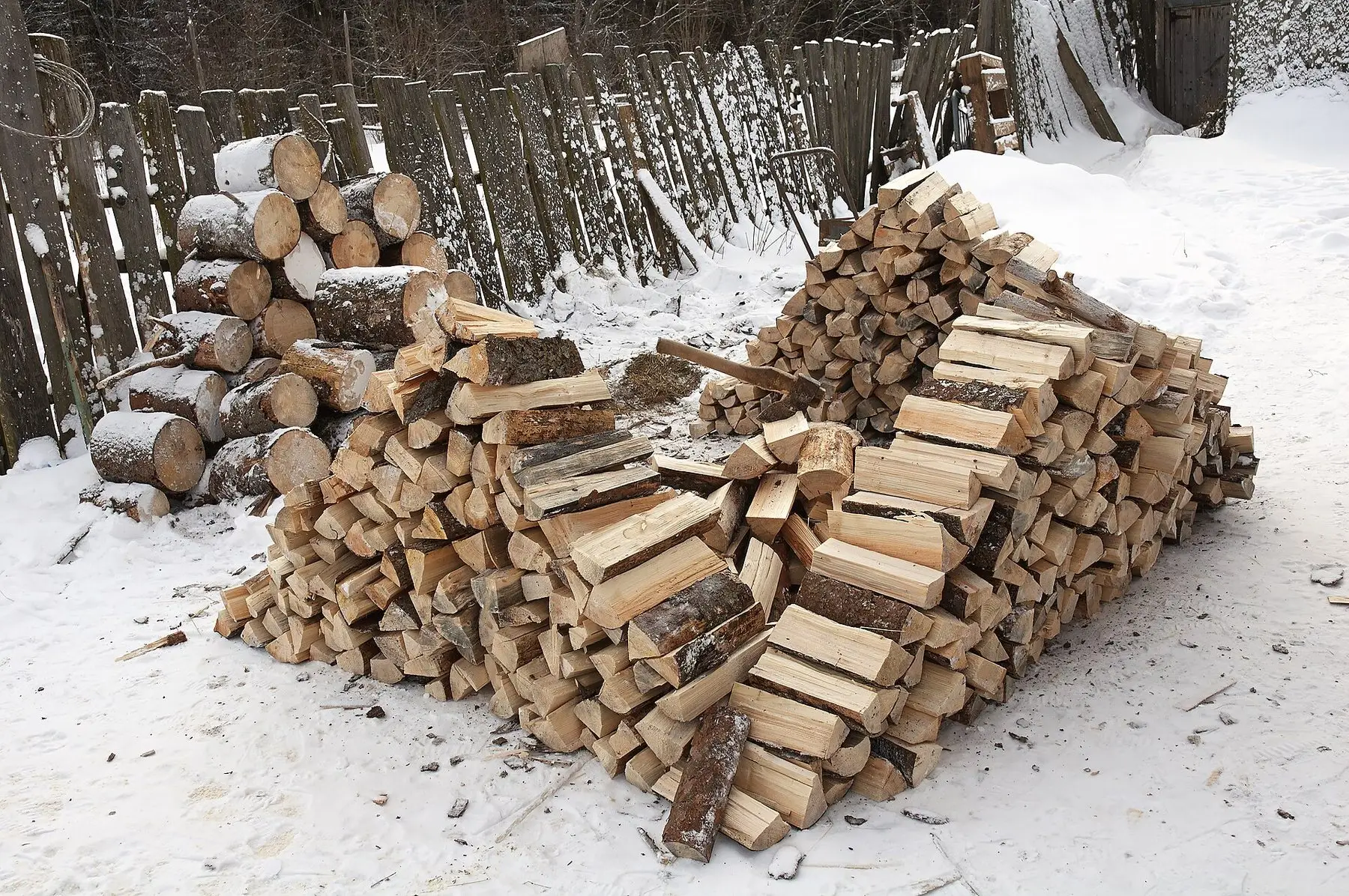
Firewood: What to Burn, and How Dry It Has to Be
Moisture matters more than species. How long each wood takes to season, how to tell when it is ready, and the things you must never put on a fire.