Firewood: What to Burn, and How Dry It Has to Be
Moisture matters more than species. How long each wood takes to season, how to tell when it is ready, and the things you must never put on a fire.

On this page
Almost every complaint about a smoky fire, a fire that will not catch, or a fire pit that “does not work as advertised” comes down to one number: how much water is still in the wood.
Species matters, but far less than people think. A seasoned softwood will out-burn an unseasoned oak every single time, because before wood can burn, the fire has to boil off the water inside it — and that energy comes out of the heat you wanted.
Why moisture beats species
Freshly cut wood can be half water by weight. Every drop of it has to be turned to steam before the wood itself will burn, and that energy is subtracted from the fire.
That is the whole explanation for the familiar symptoms of wet wood: it hisses, it steams from the cut ends, it smoulders instead of flaming, it needs constant relighting, and it smokes heavily — because the fire never gets hot enough to burn its own smoke. On a smokeless fire pit it also defeats the entire mechanism, since the secondary burn depends on reaching a high temperature.
Below about 20 percent moisture, wood lights easily, burns hot, and produces comparatively little smoke. Above roughly 25 percent, you are mostly making steam.
Species, honestly ranked
Heat output tracks density almost exactly: a denser log contains more wood and less air, so it holds more energy. The trade-off is that dense woods are harder to light and slower to season.
| Wood | Heat | Seasons in | Notes |
|---|---|---|---|
| Oak | Very high | 18–24 months | The benchmark; worth the wait |
| Hickory | Very high | 12–18 months | Excellent heat, excellent for smoking food |
| Ash | High | 6–12 months | The all-rounder; splits and lights easily |
| Beech | High | 12–18 months | Burns clean and steady |
| Sugar maple | High | 12 months | Reliable, widely available |
| Birch | Medium-high | 6–9 months | Lights beautifully; bark is superb tinder |
| Cherry | Medium | 9–12 months | Modest heat, very pleasant smell |
| Pine, spruce, fir | Low-medium | 6–9 months | Fast, hot, brief; resinous and sparky |
| Poplar, willow | Low | 6–9 months | Burns away quickly; fine for kindling |
The softwood myth, corrected
Softwoods are often said to be unsafe because they cause chimney creosote. The real driver of creosote is unseasoned wood and a cool, smouldering fire — not the species. Seasoned softwood burned hot is perfectly safe, and it is what much of Scandinavia heats with. It simply burns faster, so you feed the fire more often. In an open fire pit it also spits more sparks, which is worth knowing if you are near a fence or a dry lawn.
Seasoning: split, stack, cover the top
Wood dries almost entirely through its cut end grain, not its sides. Bark is the tree’s own waterproofing, which is why a whole unsplit round can sit for three years and still be wet inside.
Split it first. This is the step that does most of the work, and it should happen at the start of the seasoning period, not the end.
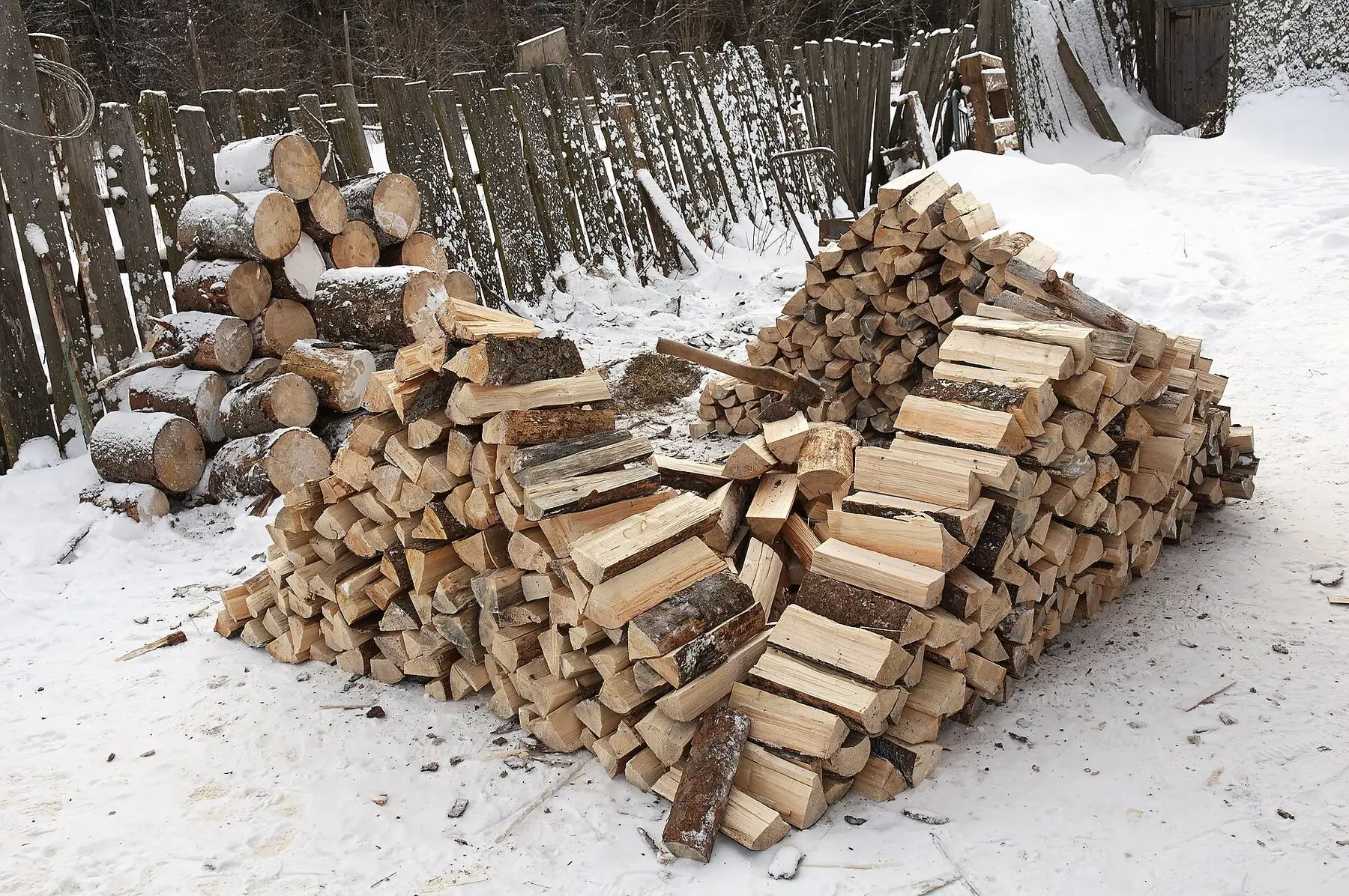
Stack it off the ground on pallets or rails, in single rows if you can, with gaps for air.
Cover the top only. A tarp over the whole pile traps moisture and keeps the wood wet — the sides need to breathe. Cover the top third and leave the flanks open.
Give it sun and wind. A sunny, exposed spot dries wood far faster than a sheltered corner.
Then wait. Six months for ash and birch, a year for most, two for oak.
Three tests, no equipment
Colour and cracks: seasoned wood greys off and develops cracks radiating out from the centre of the end grain. Weight: it feels surprisingly light for its size, because the water has gone. Sound: knock two pieces together — seasoned wood gives a sharp crack, wet wood a dull thud. A moisture meter on a freshly split face settles any doubt, and costs very little.
What never to burn
This list is about what comes out of the fire and into the air you are sitting in.
Pressure-treated, painted, stained, or glued wood. Old decking, fence posts, pallets, plywood, MDF, chipboard. The preservatives, paints and adhesives do not disappear in a fire; they go into the smoke and into the ash.
Driftwood. Sea salt releases corrosive compounds when burned.
Poison ivy, poison oak, poison sumac. The oil that causes the rash becomes airborne in the smoke and inhaling it can cause a severe reaction in the lungs. This is the most dangerous item on the list and the one people do not expect.
Large amounts of green or rotten wood. Rotten wood has lost most of its energy content and mostly smoulders.
Anything you cannot identify. If you do not know what it was treated with, do not burn it.
Do not move firewood far
Insect pests and diseases travel in firewood — this is how emerald ash borer and others spread into new regions. The standard advice is to buy and burn wood locally rather than transporting it any distance, and many areas have rules about it. Buy where you burn.
Buying it without being caught out
A full cord is a precisely defined stack: 4 ft high × 4 ft deep × 8 ft long, or 128 cubic feet.
A face cord or rick is 4 ft × 8 ft but only one log deep — so if the logs are 16 inches, it is a third of a full cord. This is the most common way to end up paying cord money for a fraction of a cord, and the terms are used loosely.
Ask three questions: what species, how long since it was split, and is that a full cord or a face cord. Then check the ends of the logs when it arrives — if there are no cracks and the wood is still tan rather than grey, it was not seasoned, whatever you were told, and you are buying next winter’s wood rather than this winter’s.
Common questions
What is the best wood to burn?
How long does firewood take to season?
How can you tell if firewood is seasoned?
What wood should you never burn?
How much is a cord of wood?
Backyard Weekly
Know what to plant, week by week
Free planting calendar. Join the weekly email for seasonal jobs, fixes for what is going wrong, and gear worth buying.
Set MONETIZATION.email.endpoint in src/config/site.ts to enable this form.
By subscribing you agree to our privacy policy. Grow In Backyard will never sell your address.
Keep reading
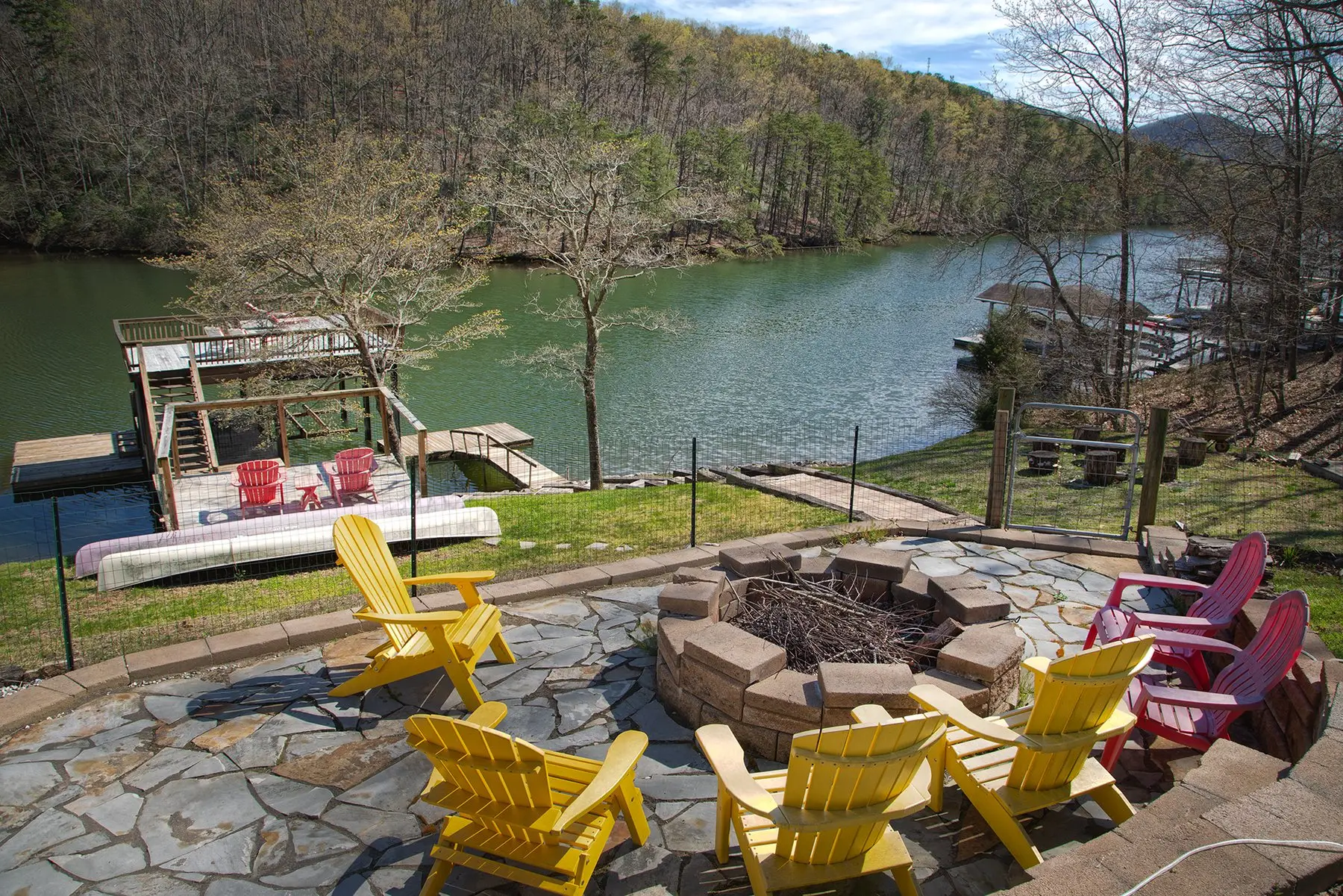
How a Smokeless Fire Pit Works (and Its Real Limits)
A smokeless fire pit burns the smoke rather than venting it, using a double wall and a second ring of air. Here is the mechanism, and when it stops working.
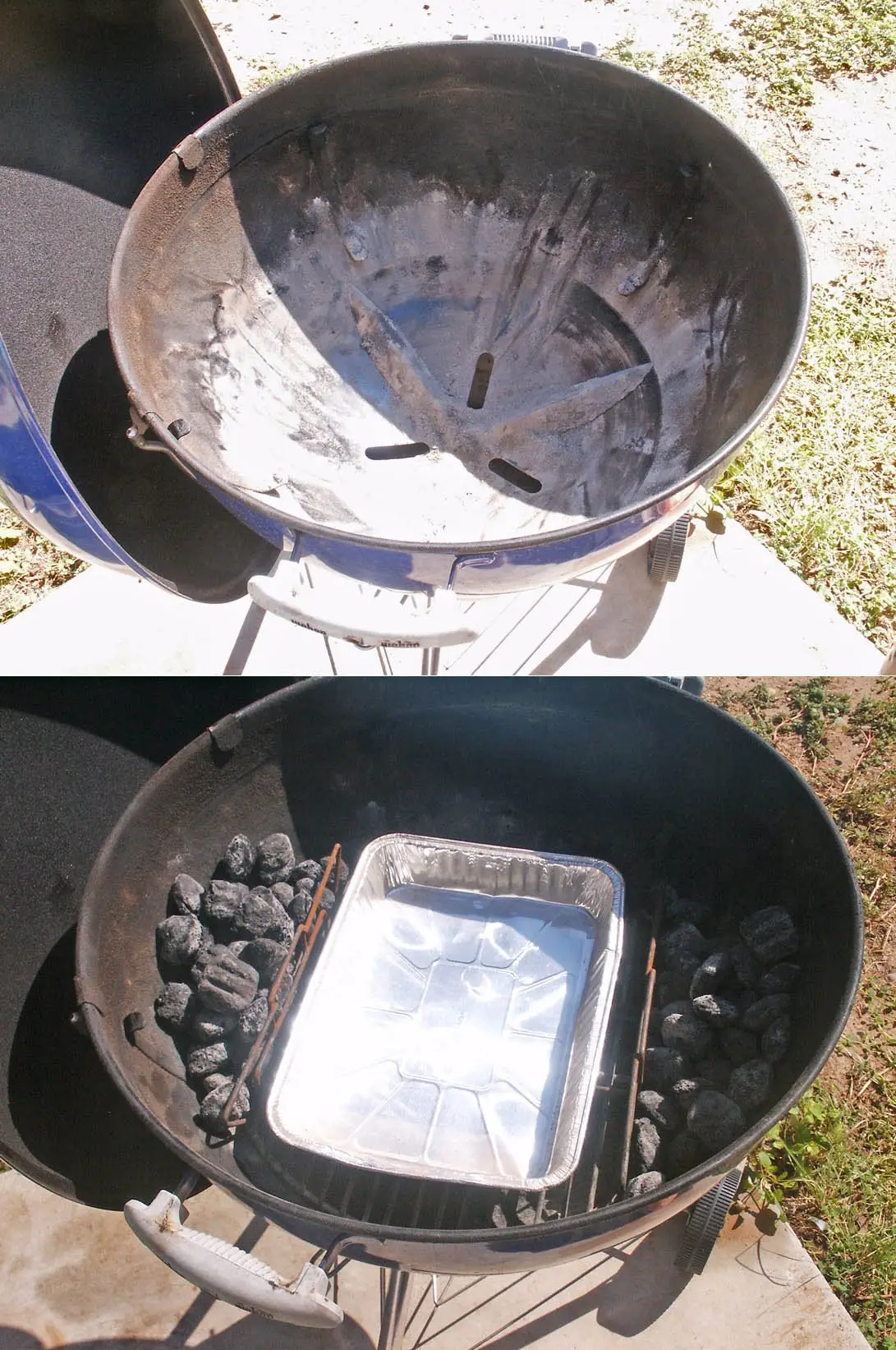
Two-Zone Grilling: The Setup That Fixes Most Problems
Burnt outside, raw inside is a heat-layout problem, not a timing one. How to build a hot zone and a cool zone, and which foods belong on each.
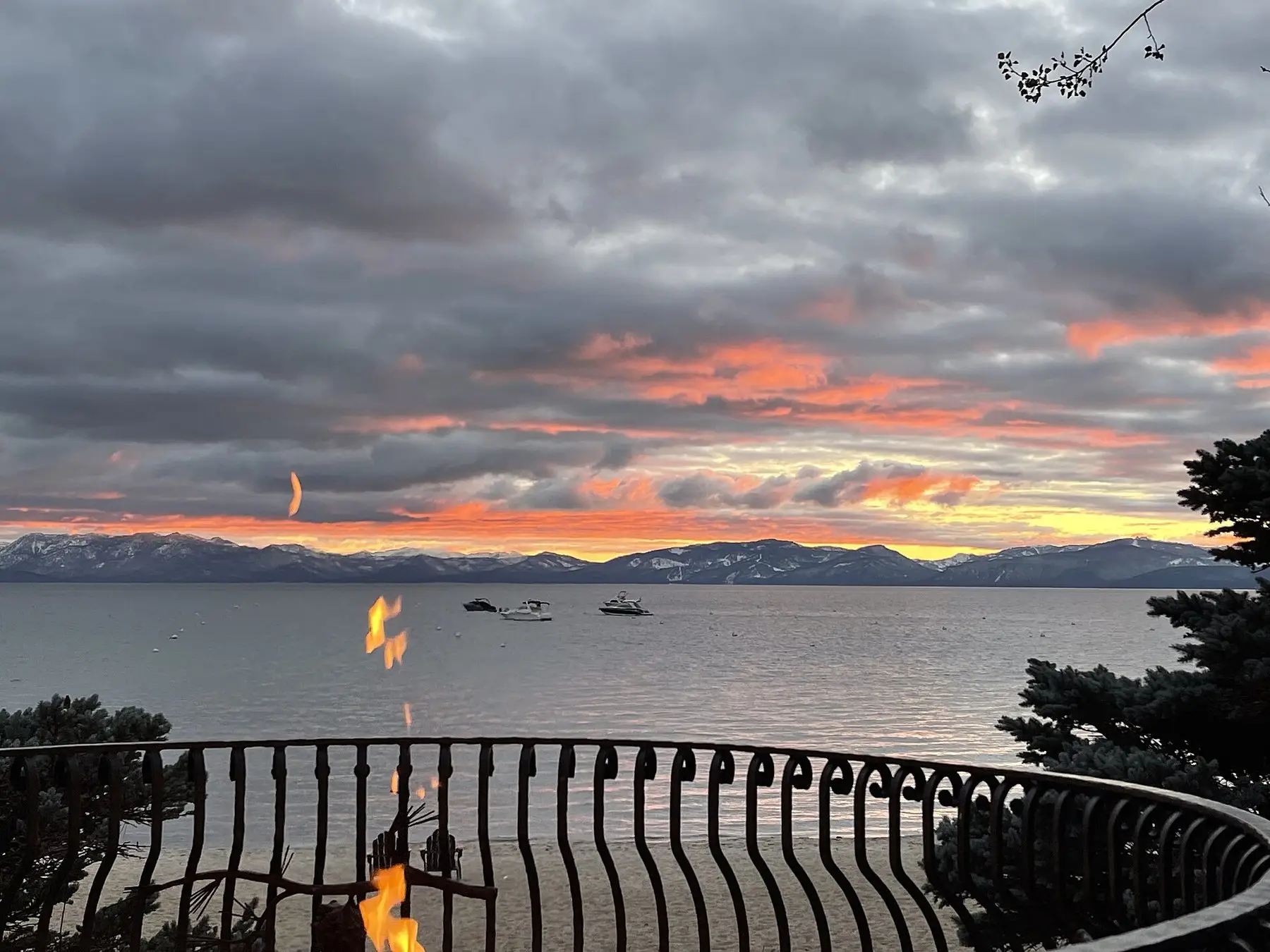
Fire Pit on a Deck: What Is Safe and What Is Not
A wood fire pit on a wooden deck is a bad idea whatever you put under it. What actually works on decking, and the clearances that make it survivable.
Fire Pit Ring: Building a Permanent Pit That Lasts
A steel ring is what stops a stone fire pit spalling and collapsing. Sizing, drainage, which blocks are safe to heat, and the clearances that keep it legal.