Is Epsom Salt Good for Plants? Mostly No, and Here Is Why
Epsom salt is magnesium sulphate. It helps the small number of plants actually short of magnesium, and does nothing at all for the rest — sometimes real harm.

On this page
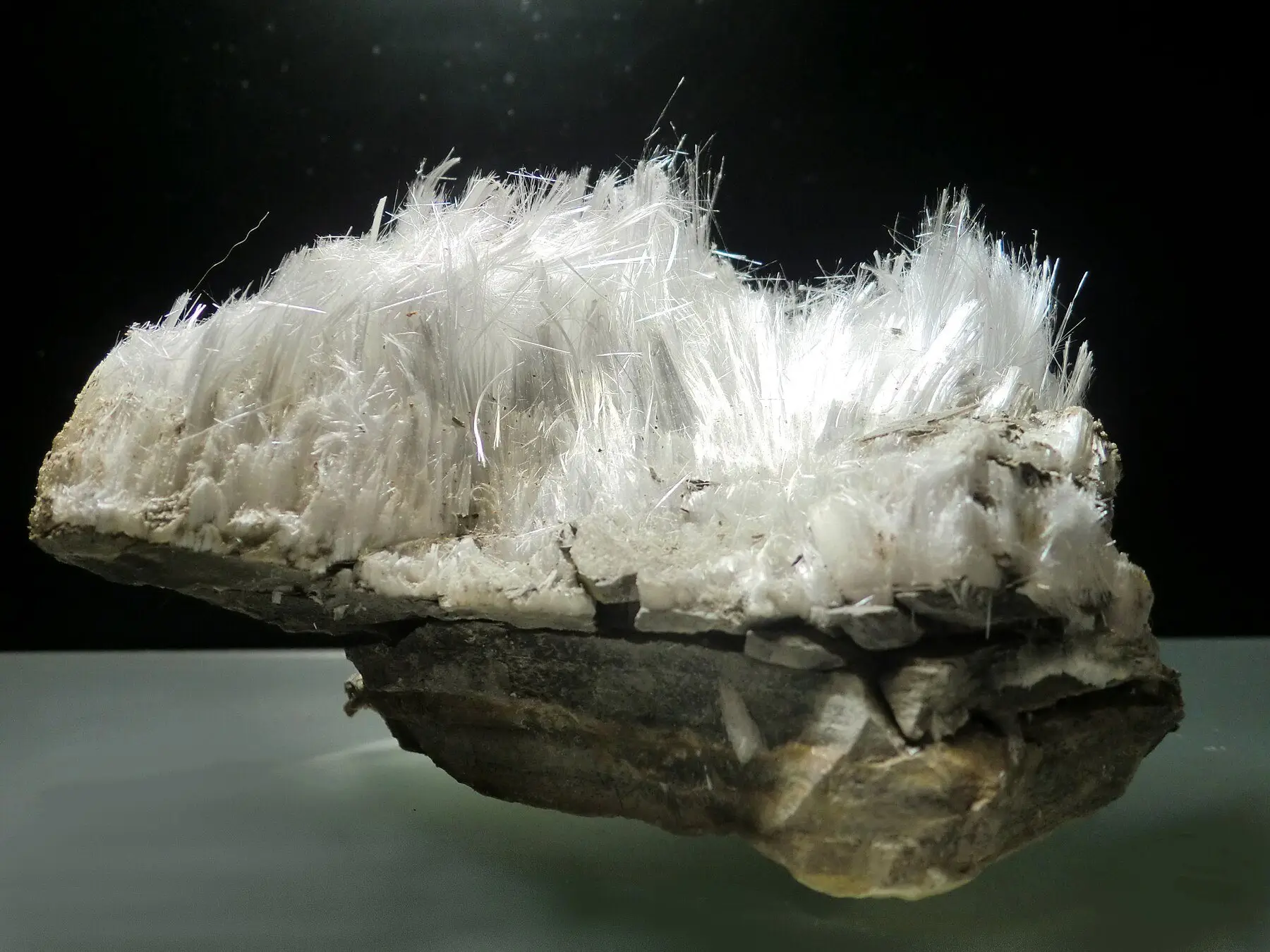
Epsom salt is magnesium sulphate. That is the whole story — two plant nutrients, magnesium and sulphur, in a form that dissolves readily.
It is not a fertilizer, a tonic, a soil conditioner, or a pest control. Whether it helps your plants comes down to one question: are they actually short of magnesium? Usually, they are not.
When it genuinely helps
Magnesium sits at the centre of the chlorophyll molecule, so a plant short of it literally cannot build green tissue. Real deficiency happens in predictable places:
- Sandy soils — low cation exchange capacity, nutrients leach straight through.
- High-rainfall regions, for the same reason.
- Acidic soils, where magnesium availability drops.
- Long-term container growing, where every watering flushes some out.
- Heavy potassium fertilizing, which competes with magnesium at the root.
The symptom to look for is interveinal chlorosis on older leaves: the tissue between the veins goes yellow while the veins themselves stay distinctly green, starting low on the plant and working upward. It starts low because magnesium is mobile — the plant robs old leaves to supply new growth.
Yellowing at the top is a different problem
If the interveinal yellowing starts on the newest leaves instead, suspect iron, which is immobile and so shows up in new growth first. Epsom salt will do nothing for it, and in alkaline soil the answer is usually chelated iron plus lowering the pH.
When it does nothing
If your soil has adequate magnesium — which most loam and clay soils do — adding more achieves nothing at all. Plants take up what they need and ignore the rest.
Controlled trials of routine Epsom salt on tomatoes, peppers, and roses in soil with sufficient magnesium consistently show no yield or quality benefit. The persistent belief that it does comes from the real cases where it helped, generalised to every garden.
When it does harm
| Effect | Mechanism |
|---|---|
| Reduced calcium uptake | Mg²⁺ and Ca²⁺ compete for the same root transporters |
| Reduced potassium uptake | Same competition |
| Worse blossom end rot | Follows directly from the calcium interference |
| Soil structure decline | High Mg relative to Ca disperses clay particles |
| Leaf scorch | Foliar sprays mixed too strong |
| Waterway pollution | Highly soluble; leaches readily into groundwater |
The blossom end rot advice is backwards
Blossom end rot is not a calcium shortage — it is a calcium delivery failure, caused by irregular watering, since calcium moves with water through the plant. Adding magnesium puts a competing ion in the way of the calcium the plant is already struggling to move. Consistent watering and a deep mulch are the actual fix, and they work.
Where it is legitimately useful
Two honest uses:
A diagnosed deficiency. A soil test showing low magnesium, or the classic interveinal pattern on older leaves. A foliar spray of one tablespoon per gallon corrects it fastest, because leaf uptake bypasses the root competition entirely.
Long-lived containers. Potting mix is a leaching environment, and magnesium does run out in a multi-season container. A light application once or twice a season is reasonable — though a complete fertilizer with micronutrients would cover it and everything else.
Dolomitic lime is the better soil-level answer if you also need to raise pH: it supplies magnesium and calcium together, keeping the ratio sensible rather than skewing it.
The short version
Get a soil test — they are cheap, and most US state extension services run one. If it shows low magnesium, Epsom salt is an inexpensive, effective fix. If it does not, your plants want something else: nitrogen, water, sun, or better soil structure.
Routine Epsom salt is a solution looking for a problem, and occasionally creating one.
Common questions
Is Epsom salt good for plants?
Does Epsom salt prevent blossom end rot?
Should you put Epsom salt on tomatoes and peppers?
How do you know if a plant needs magnesium?
How much Epsom salt do you use, if you do use it?
Does Epsom salt kill slugs or deter pests?
Backyard Weekly
Know what to plant, week by week
Free planting calendar. Join the weekly email for seasonal jobs, fixes for what is going wrong, and gear worth buying.
Set MONETIZATION.email.endpoint in src/config/site.ts to enable this form.
By subscribing you agree to our privacy policy. Grow In Backyard will never sell your address.
Keep reading
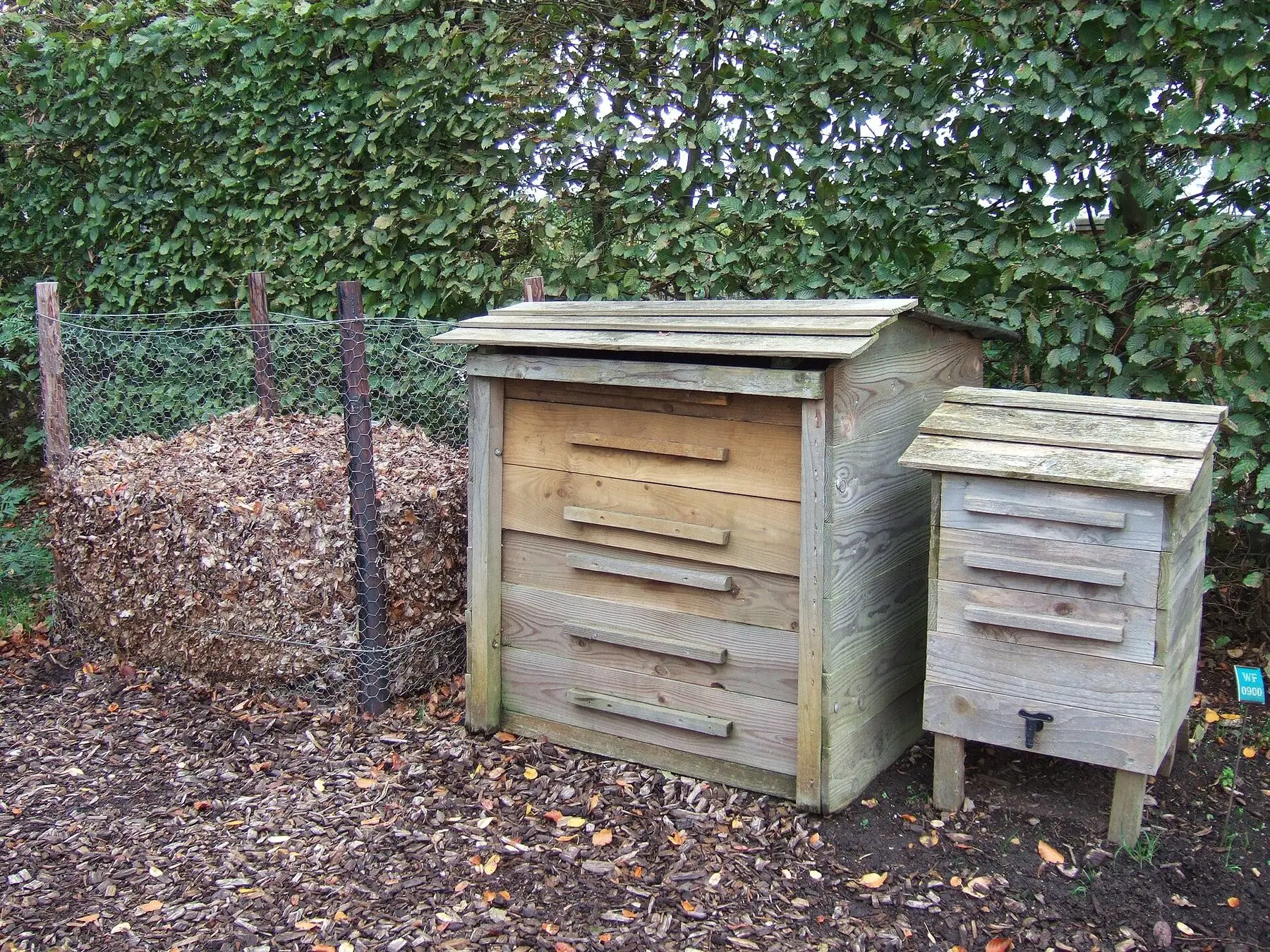
Organic Fertilizers: What Each One Is Actually For
Blood meal, bone meal, kelp, fish emulsion and compost do different jobs at different speeds. The NPK numbers, and which to reach for when.
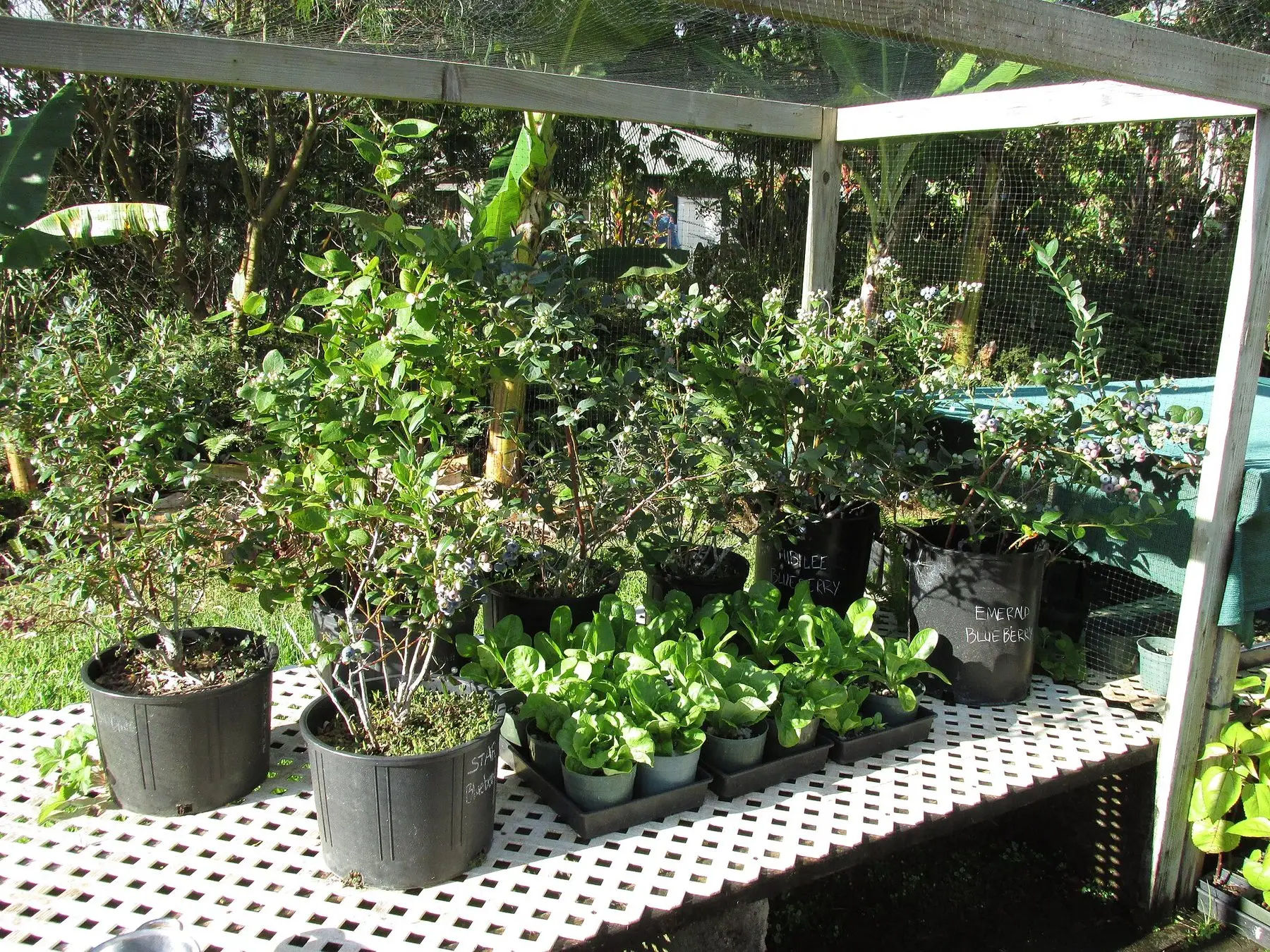
How to Lower Soil pH: What Works and How Long It Takes
Elemental sulfur is the reliable way to acidify soil, and it takes months. What to use, how much, and why coffee grounds and vinegar do not work.
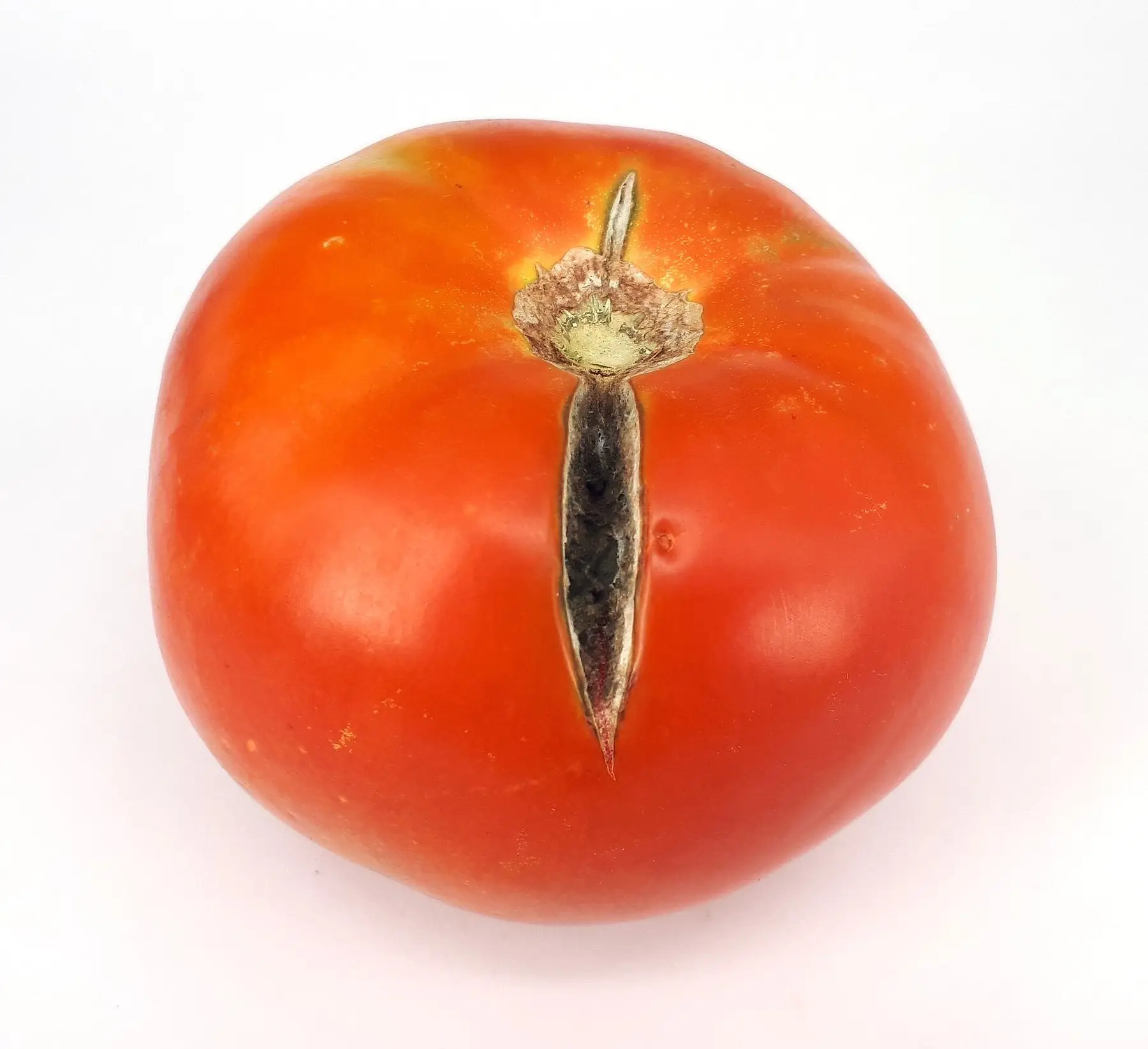
Why Are My Tomatoes Splitting? Water, Almost Always
Tomatoes split when a dry spell is followed by heavy water — the inside grows faster than the skin. How to read the crack, and how to stop it happening.
Best Fertilizer for Tomatoes: Nitrogen Early, Potassium Late
Feeding tomatoes the same thing all season is why plants go enormous and green with little fruit. What to switch to, when, and why calcium is not the answer.