Backyard Bar and Grill: Planning One That Gets Used
A garden bar fails on the same things a kitchen does — no landing space, no shade, no drainage. Layouts by budget, and the height that decides everything else.


On this page
A garden bar is not a small outdoor kitchen. It is built around serving and sitting, where a kitchen is built around heat and prep, and trying to make one object do both is why so many end up unused.
Decide which you are building first. Then the single most consequential number is counter height.
Get the height right
This is the one thing that cannot be corrected later without replacing furniture.
| Counter height | Stool height | Feels like | Notes |
|---|---|---|---|
| 42 in | 29–30 in | A pub bar | Standing-friendly; best for mingling |
| 36 in | 24 in | A kitchen island | Easier to work at; more casual |
| 30 in | 18 in | A dining table | Sitting, not standing |
42 inches is the classic bar, and it is the right choice if people will stand around it as much as sit. 36 inches is better if you will also prep food there.
Mixing them — a 42 inch counter with 24 inch stools — is the most common error, and it looks and feels wrong permanently.
Sizing the space
- 24 inches of counter per seated person. Below that, elbows collide.
- 12 to 15 inches of overhang on the guest side, for knees. Without it people sit sideways.
- 36 inches of clear floor behind the stools, so someone can walk past a seated person.
- 36 to 42 inches of working space behind the bar.
So a four-stool bar wants roughly 8 feet of counter and a footprint of about 12 by 8 feet once you count the working side and the walkway.
Lay it out with a hose before you build
Mark the counter line, the stool positions and the walkway with a garden hose or chalk, put actual chairs where the stools would go, and sit in them for ten minutes. This takes almost no time and catches the two failures that are otherwise permanent: a walkway too narrow to pass behind, and a counter that puts people’s backs to the garden.
Layouts by budget
Under a few hundred: a bar cart or a repurposed sideboard on a level paved area, with folding stools and a cool box underneath. Genuinely fine, and it can move to follow the shade.
A few hundred to low thousands: a built counter — timber frame clad in cedar or composite, or dry- laid concrete block with a stone or porcelain top — beside an existing grill, with a drop-in ice well and some storage.
Higher: masonry construction with utilities, an outdoor-rated fridge, a built-in grill, a roof or pergola, and permanent lighting. At this point you are building an outdoor kitchen with a bar attached, and the planning considerations there apply — particularly the ventilation requirement if you roof over a grill.
Materials
The same rules that govern any outdoor structure:
- Frame: concrete block, brick, or galvanised/marine-grade steel studs. Never untreated timber, and never interior steel studs.
- Counter: granite, porcelain, dense concrete. Avoid marble, which stains from everything a bar produces, and engineered quartz, whose resin binder degrades in UV and whose warranty usually excludes outdoor use.
- Doors and appliances: 304-grade stainless. The cheaper 430 grade contains no nickel and rusts visibly within a season or two, faster near the coast. Manufacturers using 304 say so; those using 430 tend to say only “stainless steel”.
- Fasteners: stainless or galvanised.
The things that decide whether it gets used
Shade. A bar in full afternoon sun is used twice. A pergola, a sail, or a large umbrella does more for usage than any appliance.
Light. If it is only usable in daylight, it is a lunch spot. Low-level lighting under the counter overhang and something warm overhead extends it by hours.
Drainage. A fall of about a quarter inch per foot away from the house and away from where people stand. Water pooling at a bar is miserable and it is not fixable afterwards.
Proximity. A bar at the bottom of the garden looks wonderful and gets used less than one near the back door, because every forgotten item is a walk. This is the single most reliable predictor of whether one of these becomes a habit or an ornament.
Cold storage. An insulated ice well with a drain is cheap, needs no power, and makes a bar feel finished. An outdoor-rated fridge is better where power exists — but an indoor fridge outdoors fails within a season and is a false economy.
Combining bar and grill
If you want both, separate the zones rather than merging them.
Put the grill and its landing space — at least 24 inches one side, 36 the other — on one run, and the bar counter on another, ideally at an angle so the cook faces the seating rather than a fence. Keep the grill’s heat and smoke away from where people sit, and downwind of them.
What does not work is a single counter that is simultaneously the cooking surface, the prep space and the bar. Somebody ends up with nowhere to put a plate down.
Permits, briefly
A bar cart needs nothing. Anything with gas, plumbing, electricity, a permanent roof or a foundation frequently needs approval, and gas and electrical work generally has to be done by a licensed trade and inspected.
Also worth checking: boundary setbacks, stormwater rules on new impermeable surfaces, and — if you will have music and people outdoors in the evening — local noise ordinances.
Common questions
What height should an outdoor bar be?
How much space does a backyard bar need?
What is the difference between a backyard bar and an outdoor kitchen?
Do you need permits for a backyard bar?
What materials last outside for a bar?
How do you keep drinks cold without plumbing or power?
Backyard Weekly
Know what to plant, week by week
Free planting calendar. Join the weekly email for seasonal jobs, fixes for what is going wrong, and gear worth buying.
Set MONETIZATION.email.endpoint in src/config/site.ts to enable this form.
By subscribing you agree to our privacy policy. Grow In Backyard will never sell your address.
Keep reading
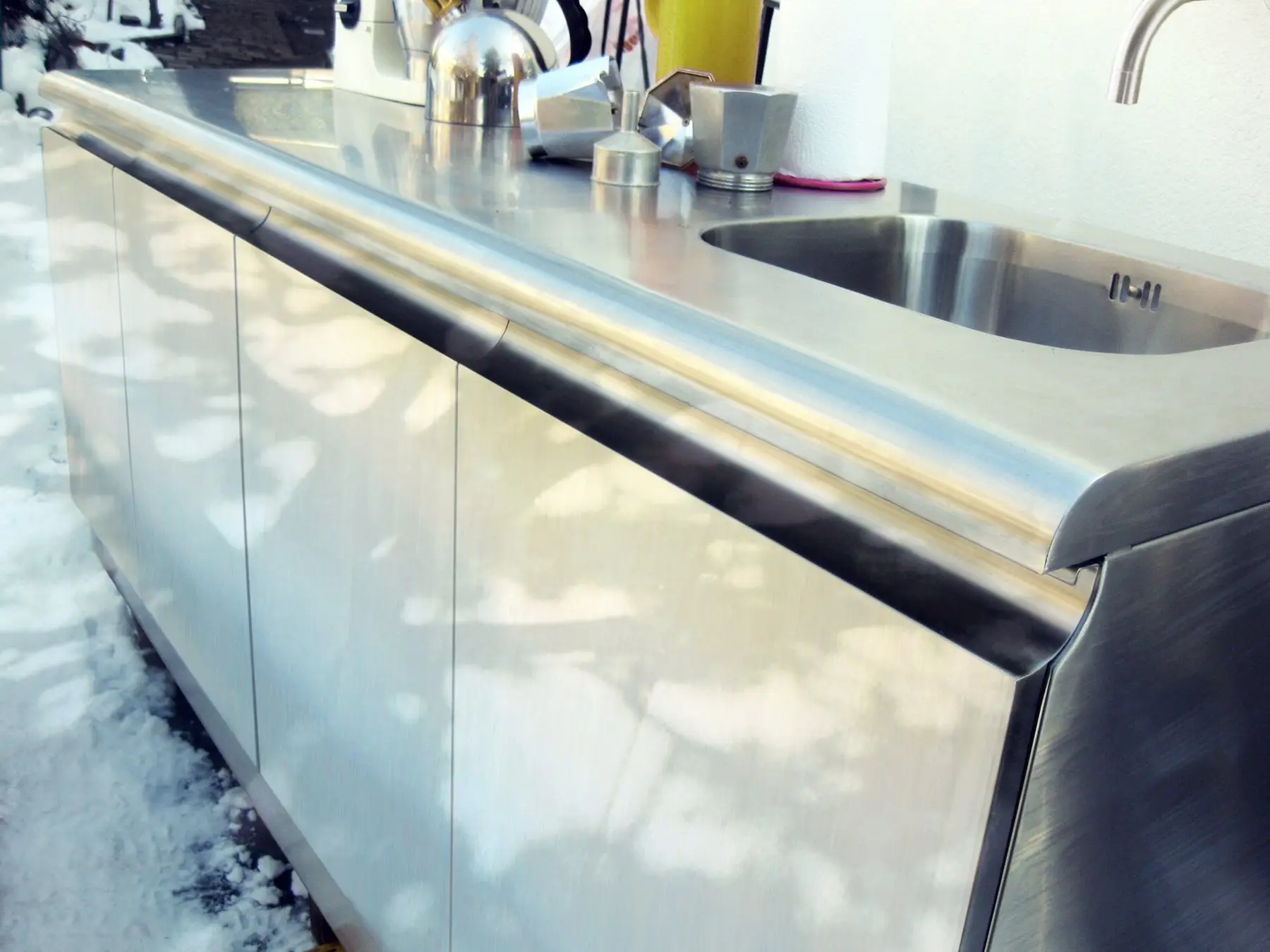
Outdoor Kitchen Planning: Utilities, Layout, and Cost
The grill is the cheap part. Where the services run, how much counter you need either side of the heat, and which materials survive being left outside.
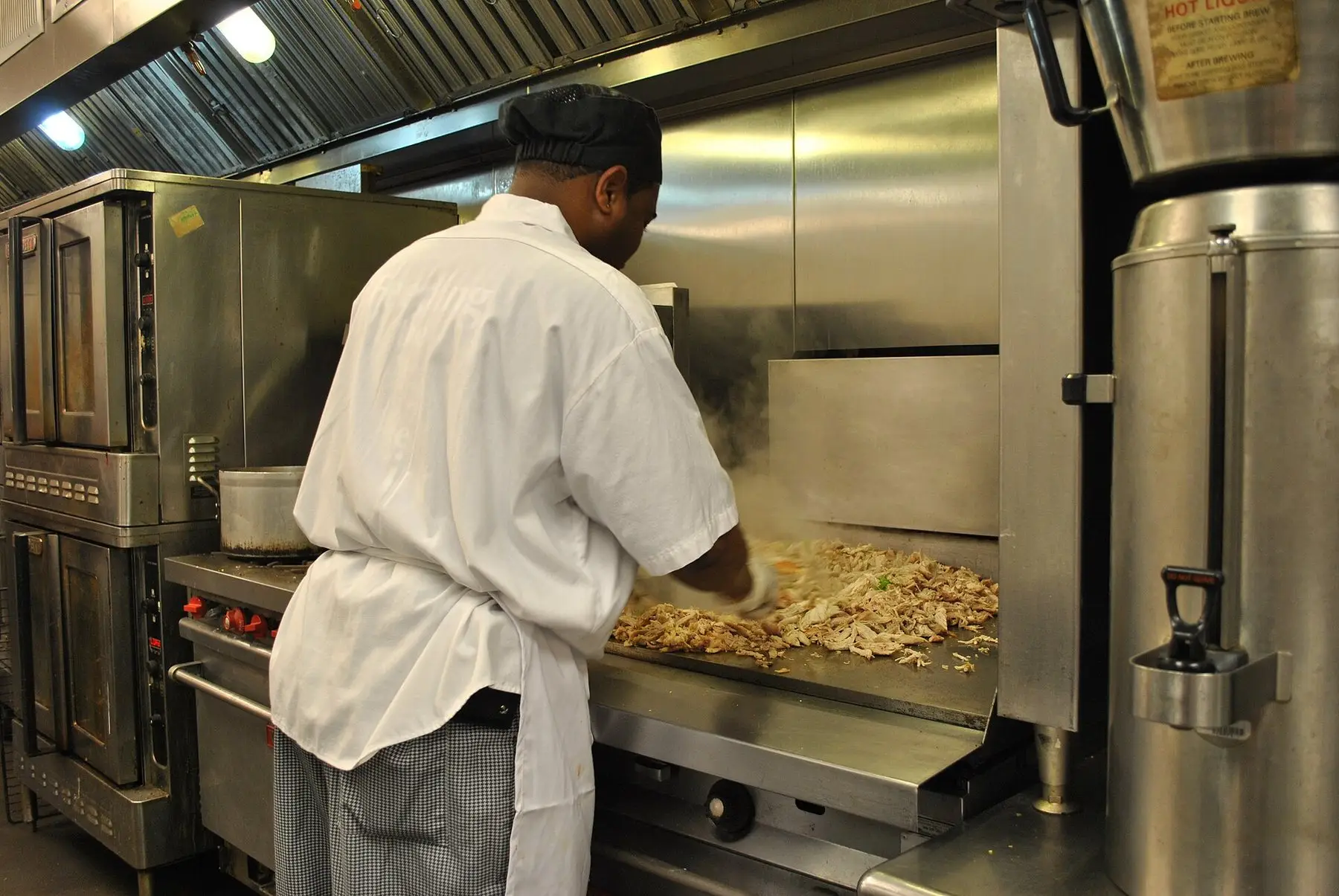
Griddle vs Grill: Which One You Should Actually Buy
A griddle is a solid steel cooktop, a grill is grates over flame. What each does better, why griddles need seasoning, and when to buy a combination unit.
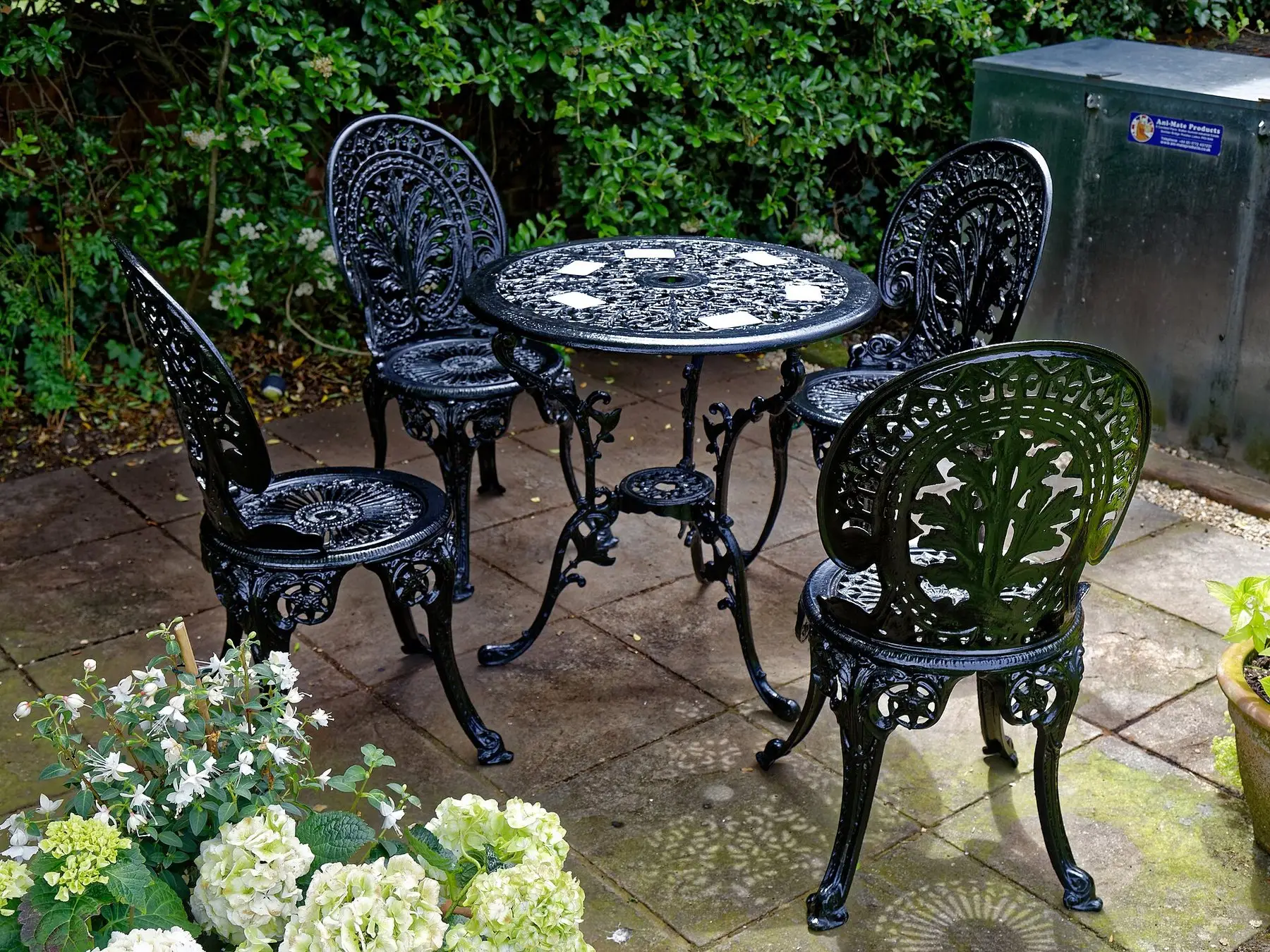
Backyard Table and Chairs: Sizing, Materials, and Wind
Most outdoor dining sets are bought too small and blow over. The clearances a table actually needs, what each material costs you in upkeep, and how to weight it.
How to Clean Grill Grates (and Ditch the Wire Brush)
Wire brush bristles break off and end up in food, sending people to hospital every year. What works instead, and why the material of your grates changes the method.