Griddle vs Grill: Which One You Should Actually Buy
A griddle is a solid steel cooktop, a grill is grates over flame. What each does better, why griddles need seasoning, and when to buy a combination unit.
.jpg)
On this page
A griddle and a grill are not competing versions of the same appliance. They apply heat in fundamentally different ways, and that produces different food.
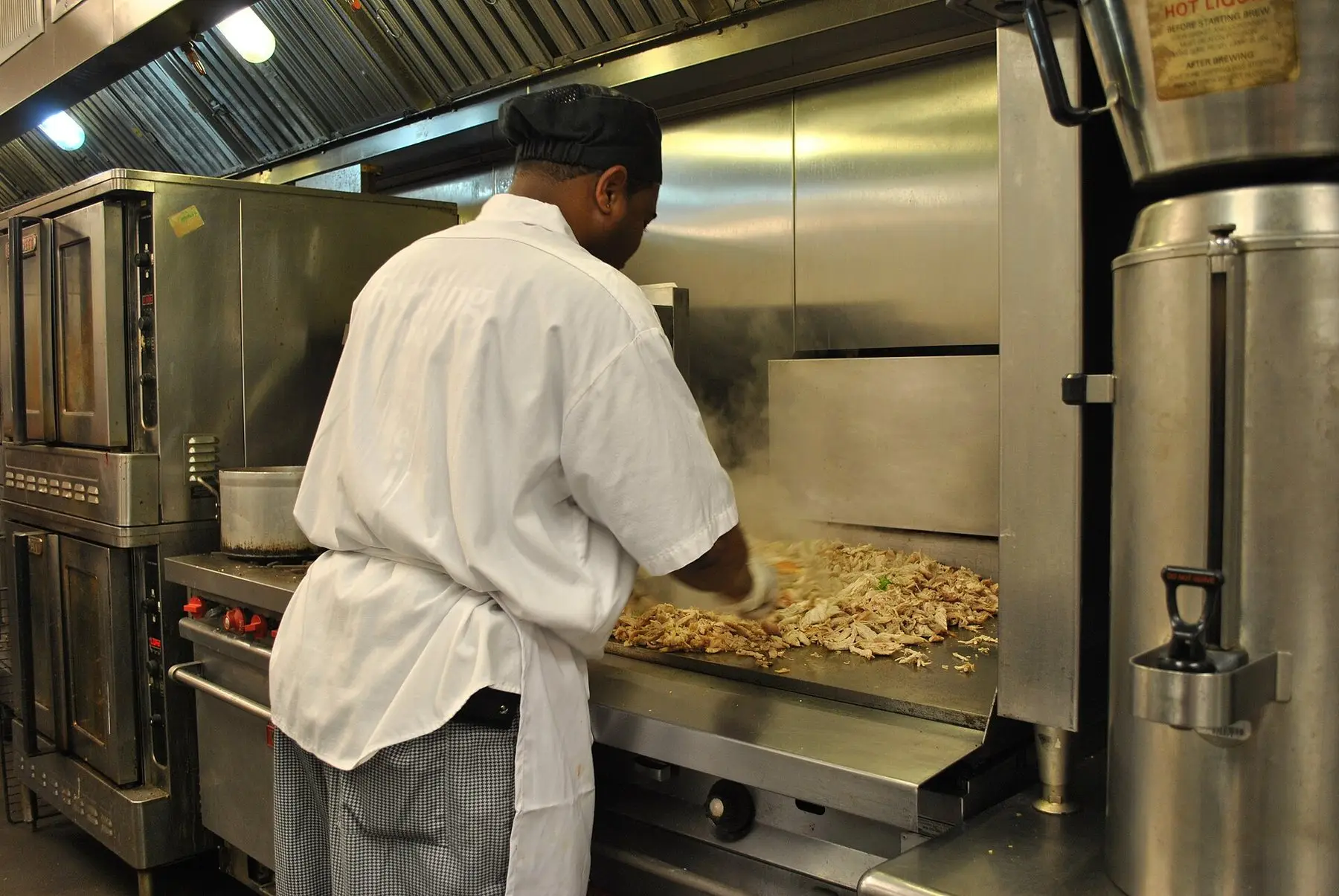
A griddle is solid steel — food is in full contact with the surface, cooking in its own fat. A grill is grates over flame — fat drips away, flame touches the food, and smoke happens.
What each one actually does
| Griddle | Grill | |
|---|---|---|
| Surface | Solid steel plate | Open grates |
| Fat | Stays with the food | Drips away |
| Flavour | Deep browning, no smoke | Char, smoke, some browning |
| Char marks | None — even browning | Yes |
| Small food | Excellent | Falls through |
| Liquids, eggs, sauces | Yes | No |
| Lid-down indirect cooking | Limited | Yes |
| Breakfast | Excellent | Poor |
| Steak | Very good crust | Classic char, smoke |
| Whole chicken, ribs | No | Yes |
| Cleanup | Scrape and oil | Brush grates |
| Rust risk | High if unseasoned | Low |
The flavour difference, mechanically
Grill smoke flavour comes from dripping fat. Fat falls onto the burner, flavouriser bars or coals, vaporises, and rises back onto the food. That vapour — not the fuel — is most of what people call barbecue flavour on a gas grill.
A griddle has nowhere for fat to drip. So that flavour route simply does not exist.
What a griddle does instead is maximise the Maillard reaction. Full contact with hot steel across the entire surface of the food produces far more browning than grates, which touch perhaps a fifth of the surface. A smash burger on a griddle develops a crust a grill cannot produce, and that crust is its own kind of flavour.
Neither is a compromise. They are two different results.
Cast iron grates blur the line slightly
Heavy cast iron grates hold more heat and contact more of the food than thin wire ones, giving wider sear marks and better crust while still letting fat drip. If you want more browning from a grill without buying a griddle, that is the upgrade to make first.
What to cook on which
Griddle wins: eggs, pancakes, bacon, smash burgers, fajitas, fried rice, philly cheesesteaks, sliced onions and peppers, scallops, shrimp, hash browns, grilled sandwiches, anything small or anything with sauce.
Grill wins: steaks and chops where you want char, whole or spatchcocked chicken, ribs, brisket and anything low and slow, sausages, corn on the cob, whole fish, vegetables you want blistered, anything cooked with indirect heat under a lid.
Either: burgers (different results, both good), chicken breast, most vegetables.
Seasoning, which is not optional
Most outdoor griddles are carbon or rolled steel, which rusts. Seasoning is the fix and also the non-stick surface.
- Scrub the factory coating off a new plate and dry it completely.
- Heat it until the surface just starts to change colour.
- Apply a very thin layer of high-smoke-point oil — grapeseed, canola, flaxseed — and wipe it until it looks like there is almost none left.
- Heat until it stops smoking. The oil polymerises into a hard film.
- Repeat four to six times.
Then maintain it: after every cook, scrape while hot, wipe, and apply a thin oil coat while warm.
Soap and soaking destroy seasoning
Do not wash a seasoned griddle with detergent, do not soak it, and do not put it away wet. Stuck-on residue comes off by squirting water onto the hot surface, which steams it loose in seconds. A griddle left wet or stripped will show rust the next morning — and a griddle stored outdoors without a cover will do it regardless.
Stainless steel griddle plates skip all of this, at the cost of food sticking more.
Fuel
Propane is what most standalone outdoor griddles run on: instant, controllable, and independent heat zones across the plate, which is the griddle’s real advantage — a hot zone for searing and a cool zone for holding.
Natural gas suits a permanent outdoor kitchen and never runs out mid-cook.
Charcoal is grill territory. Griddle plates over charcoal work but give up the zone control that makes a griddle useful.
Combination units, and whether to bother
Worth it: units with genuinely separate zones — a griddle section and a grate section, each with its own burner — or systems with interchangeable full-size plates.
Not worth it: a small griddle plate laid on top of existing grill grates. Grates conduct heat poorly and unevenly into a plate resting on them, so you get hot bands and cold bands, and the whole point of a flat top is an even surface.
If space and budget allow, two dedicated appliances beat one combination unit. But a good combination unit comfortably beats owning only one.
Buying either
Look for the same things:
- Thick cooking surface. Griddle plates should be 1/4 inch or thicker; thin plates warp and have cold spots.
- Multiple independent burners, so you can run different zones.
- A grease management system you can actually reach and empty.
- A cover. More outdoor cooking appliances are killed by rain than by use.
- Stainless or coated steel on the body, not painted mild steel, which rusts from the fixings out.
Size to the number of people you actually cook for, not the maximum you might one day host. A large griddle takes longer to heat, uses more fuel, and is harder to store.
Common questions
What is the difference between a griddle and a grill?
Is a griddle better than a grill?
Do you have to season a griddle?
Can you get smoke flavour from a griddle?
Are combination griddle-and-grill units any good?
How do you clean a griddle after cooking?
Backyard Weekly
Know what to plant, week by week
Free planting calendar. Join the weekly email for seasonal jobs, fixes for what is going wrong, and gear worth buying.
Set MONETIZATION.email.endpoint in src/config/site.ts to enable this form.
By subscribing you agree to our privacy policy. Grow In Backyard will never sell your address.
Keep reading
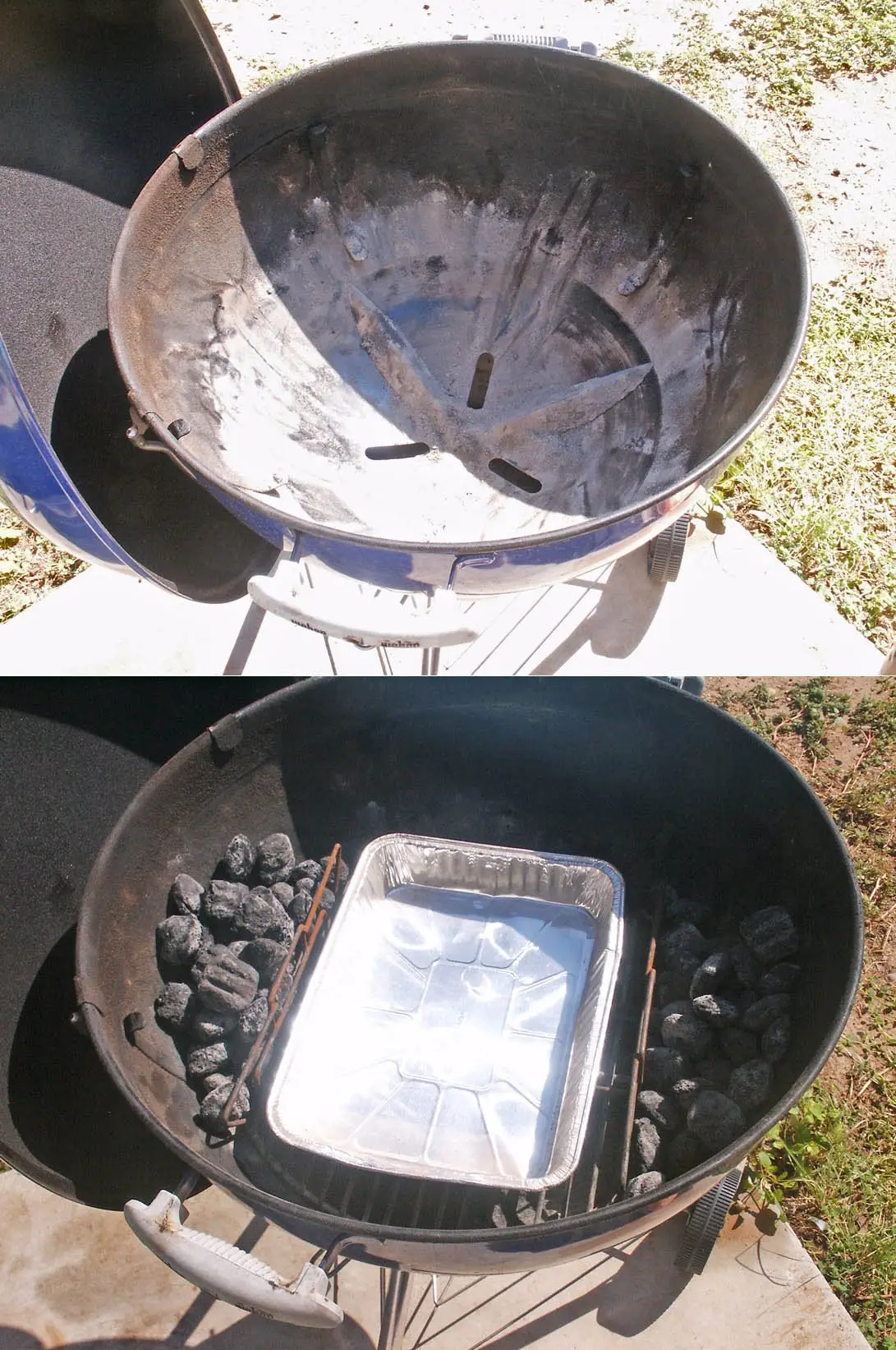
Two-Zone Grilling: The Setup That Fixes Most Problems
Burnt outside, raw inside is a heat-layout problem, not a timing one. How to build a hot zone and a cool zone, and which foods belong on each.
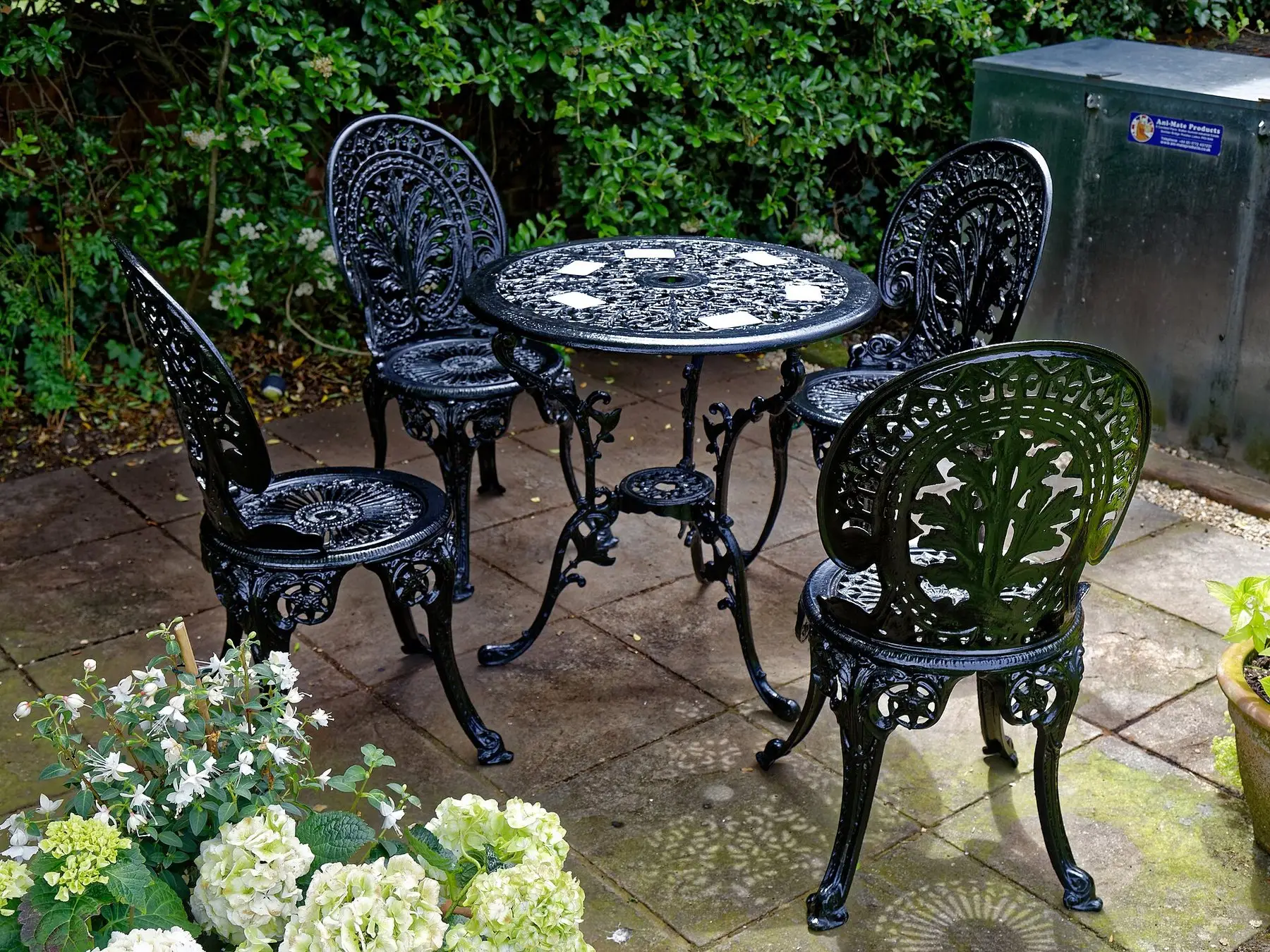
Backyard Table and Chairs: Sizing, Materials, and Wind
Most outdoor dining sets are bought too small and blow over. The clearances a table actually needs, what each material costs you in upkeep, and how to weight it.
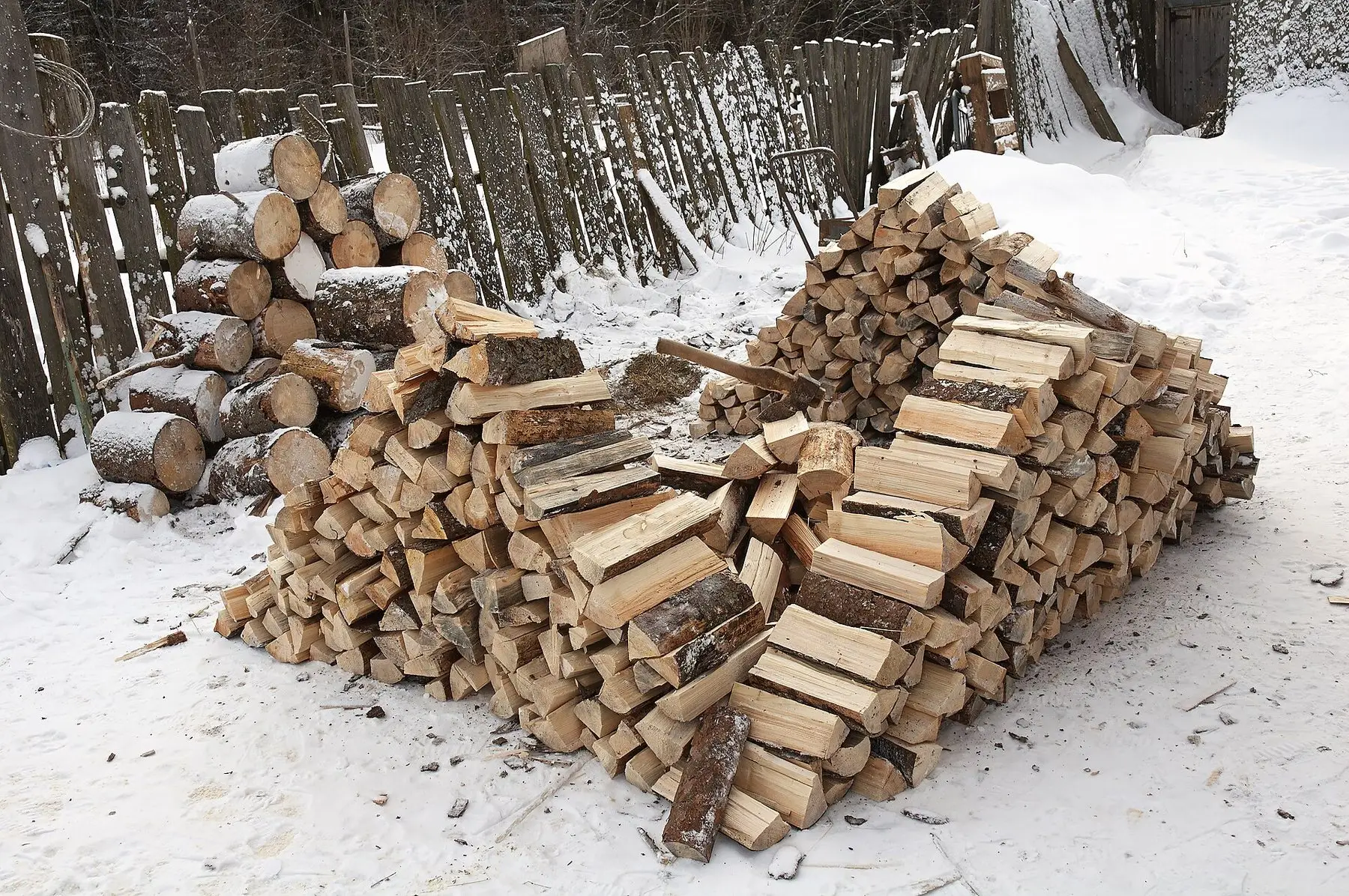
Firewood: What to Burn, and How Dry It Has to Be
Moisture matters more than species. How long each wood takes to season, how to tell when it is ready, and the things you must never put on a fire.
Backyard Bar and Grill: Planning One That Gets Used
A garden bar fails on the same things a kitchen does — no landing space, no shade, no drainage. Layouts by budget, and the height that decides everything else.