Chickens in Winter: What They Need and What They Don't
Chickens tolerate cold far better than most keepers expect. The real risks are moisture and frostbite, not temperature — and a heat lamp usually makes both worse.

On this page
Winter worries new keepers more than almost any other season, and the instinct is usually to add heat. That instinct is generally wrong, and understanding why changes what actually needs doing.
Why cold itself is rarely the problem
Chickens grow a substantially heavier winter coat, and healthy adult birds of standard breeds regulate their own temperature well below freezing, particularly when allowed to huddle together on the roost. The birds most at risk are chicks, very old or ill individuals, and breeds with unusually sparse feathering — not the average flock.
What actually causes winter losses is moisture combined with cold, and draughts at roost height — not the ambient temperature on its own.
Frostbite is a moisture problem, not a cold one
Combs and wattles get frostbitten when moisture in the air condenses and freezes on them — which happens fastest in a coop with poor ventilation, where humidity from droppings and breathing has nowhere to go. Sealing up a coop to keep it warm is the single most common way to cause the exact frostbite you were trying to prevent. Keep ventilation open year-round, positioned above roost height as covered in chicken coop plans.
Why heat lamps are usually the wrong answer
Heat lamps are the most common winter intervention and the one worth reconsidering hardest.
Fire risk. Heat lamps are a leading cause of coop fires — dry bedding, a knocked fixture, and a heat source running for weeks unattended is a genuinely dangerous combination, and coop fires kill entire flocks.
They discourage acclimatisation. Chickens gradually develop cold tolerance as temperatures drop through autumn. A heated coop removes the reason for that adjustment to happen, which can leave birds less able to cope if the lamp fails or power is lost on the coldest night of the year.
They are rarely necessary. For a healthy standard-breed adult flock in a dry, ventilated, draught-free coop, supplemental heat adds a real risk for very little benefit.
The genuine exceptions are very young chicks (which need dedicated brooder heat regardless of season), an ill or injured bird recovering, or breeds known to be unusually cold-sensitive.
What actually helps
- Deep litter bedding. Several inches of pine shavings or straw, added to rather than fully replaced through the season, composts slowly and generates a small amount of genuine warmth from the bottom up.
- Draught-free, not airtight. Block wind at roost height specifically; keep the high ventilation open regardless of temperature.
- Roost width matters more in winter. A flat 2x4 roost, wide side up, lets birds cover their own feet with their breast feathers overnight — a round perch does not allow this.
- Petroleum jelly on large combs, on the coldest nights, offers some protection for the most frostbite-prone breeds. It is a minor supplement to good ventilation, not a substitute for it.
- Keep water from freezing. A heated waterer base is a far safer use of electricity in the coop than a heat lamp, and solves a genuine daily problem.
- Feed a little extra in sustained cold — birds burn more energy maintaining body heat, and a handful of scratch grain in the evening supports that without disrupting the main diet.
Laying will slow, and that is separate from cold
Egg production falls through winter primarily because of shortening daylight, not temperature, and it is entirely normal. The full explanation, including whether adding light is worth it, is covered in why chickens stop laying — a winter production drop is not a symptom that needs fixing with heat.
Many flocks are also moulting as winter approaches, which independently pauses laying and is covered in chicken molting.
Common questions
How cold is too cold for chickens?
Do chickens need a heat lamp in winter?
How do you prevent frostbite on a chicken's comb?
Should I insulate my chicken coop for winter?
Do chickens lay eggs in winter?
Backyard Weekly
Know what to plant, week by week
Free planting calendar. Join the weekly email for seasonal jobs, fixes for what is going wrong, and gear worth buying.
Set MONETIZATION.email.endpoint in src/config/site.ts to enable this form.
By subscribing you agree to our privacy policy. Grow In Backyard will never sell your address.
Keep reading
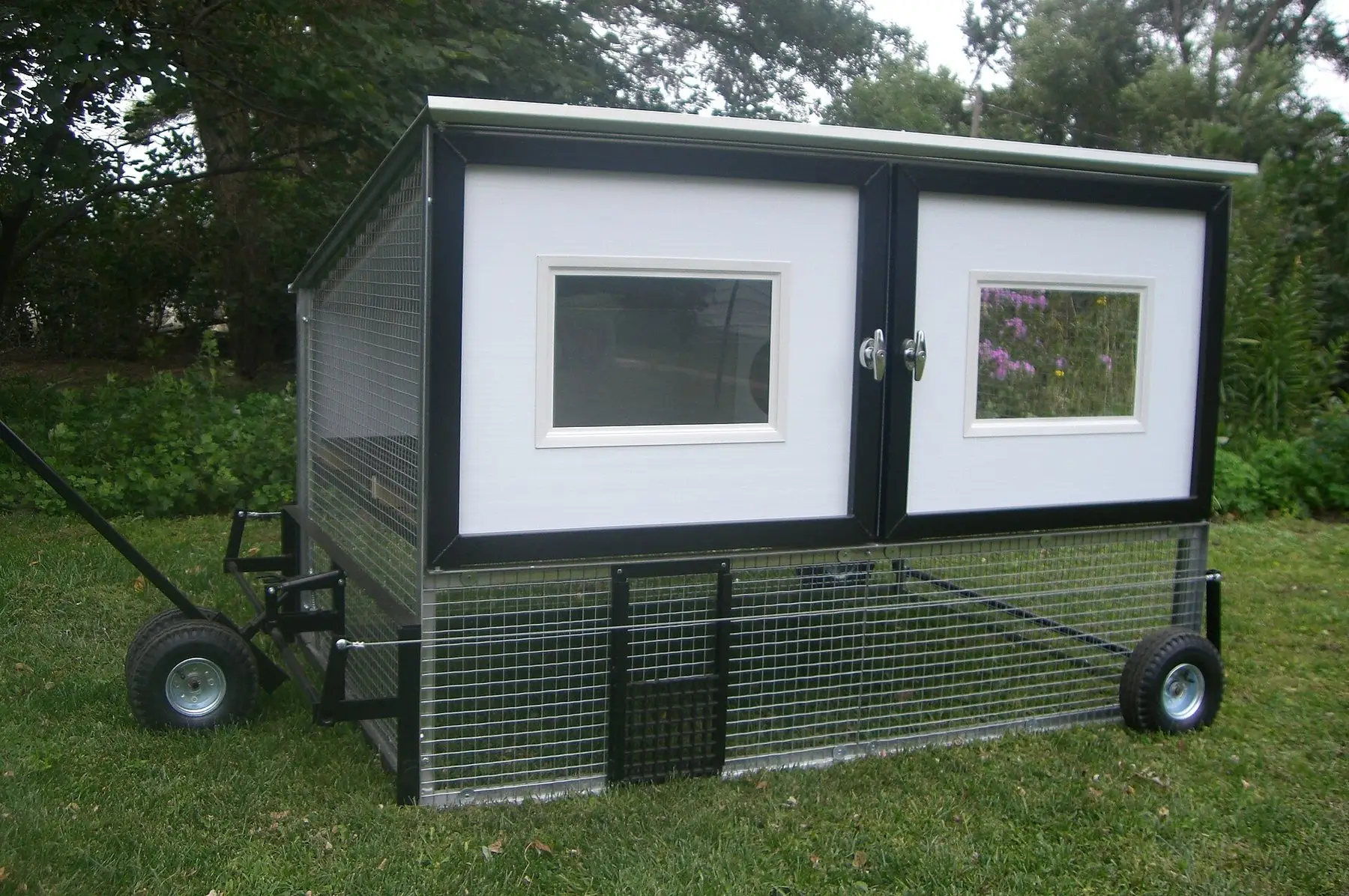
Chicken Coop Plans: Sizing It Right Before You Build
Most coop plans get ventilation and predator-proofing wrong. The dimensions that actually matter, what to build from, and a step-by-step order of work.
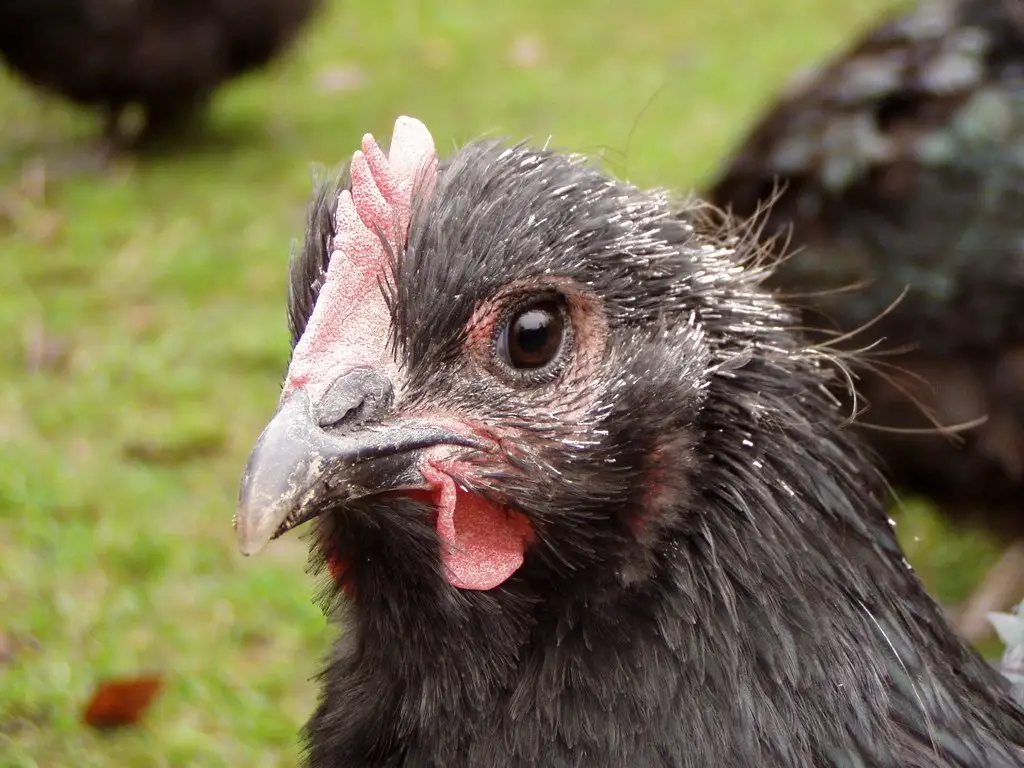
Chicken Molting: What to Expect and How to Help
Hens look terrible and stop laying for 6–12 weeks every autumn. What is normal, what is not, and the one change worth making to their feed while it happens.
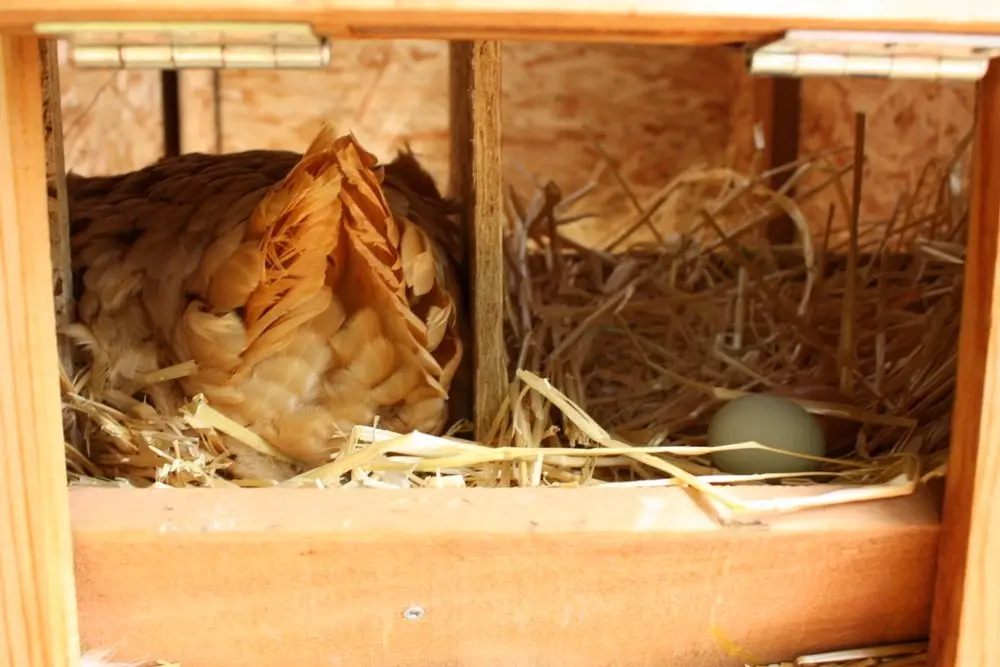
Why Your Chickens Stopped Laying: Work Through This List
Nine reasons hens stop laying, in the order to check them. Most are seasonal and fix themselves — but three are worth acting on before the flock loses condition.
Best Chicken Coops You Can Buy (and When Building Is Cheaper)
Prefab coops range from genuinely good to a raccoon's first target. What to check before buying one, sized by flock, and when building instead saves real money.