How Long Do Squirrels Live? Wild vs. What You'd Expect
Wild squirrels rarely see old age — most die in their first year. The realistic lifespan by species, and why the number is so much lower than people assume.

On this page
Squirrels have a biological capacity to live a fairly long time — and almost never get the chance to. The gap between what a squirrel could live to and what one typically does is one of the widest of any common backyard animal.
Why the average is so low
| Measure | Typical value | Why |
|---|---|---|
| First-year survival | About 25% | Predation, exposure, and inexperience finding food |
| Average lifespan (wild) | 1–3 years | Dragged down heavily by first-year deaths |
| Lifespan if adult is reached | 6–12 years | Adults are far better at avoiding predators |
| Lifespan, kept/captive | 10–20 years | Predation and vehicle risk removed entirely |
The “1–3 years” figure that usually gets quoted is an average across the whole population, which is heavily weighted down by how many squirrels die as juveniles. A squirrel that survives its first year has already cleared the hardest part and has real odds of reaching six years or more.
This is not really about aging
The wild/captive gap for squirrels is almost entirely about external causes of death — predators, cars, starvation in a lean year — rather than any biological difference in how fast they age. Remove those risks, as captivity does, and the same animal routinely lives five to ten times longer.
What actually kills wild squirrels
Predation is the leading cause, particularly for juveniles: hawks, owls, and in suburban areas domestic cats and dogs account for a large share of deaths.
Vehicle strikes are a major cause of adult mortality specifically in areas with road traffic near tree cover — squirrels are not well adapted to judging vehicle speed.
Starvation, particularly over winter following a poor mast year (a season when oak and other nut-bearing trees produce a weak acorn crop), can cause significant population-level mortality that has nothing to do with predation at all.
Disease and parasites play a smaller but real role, including mange and, in some regions, squirrel pox.
What does not usually kill them
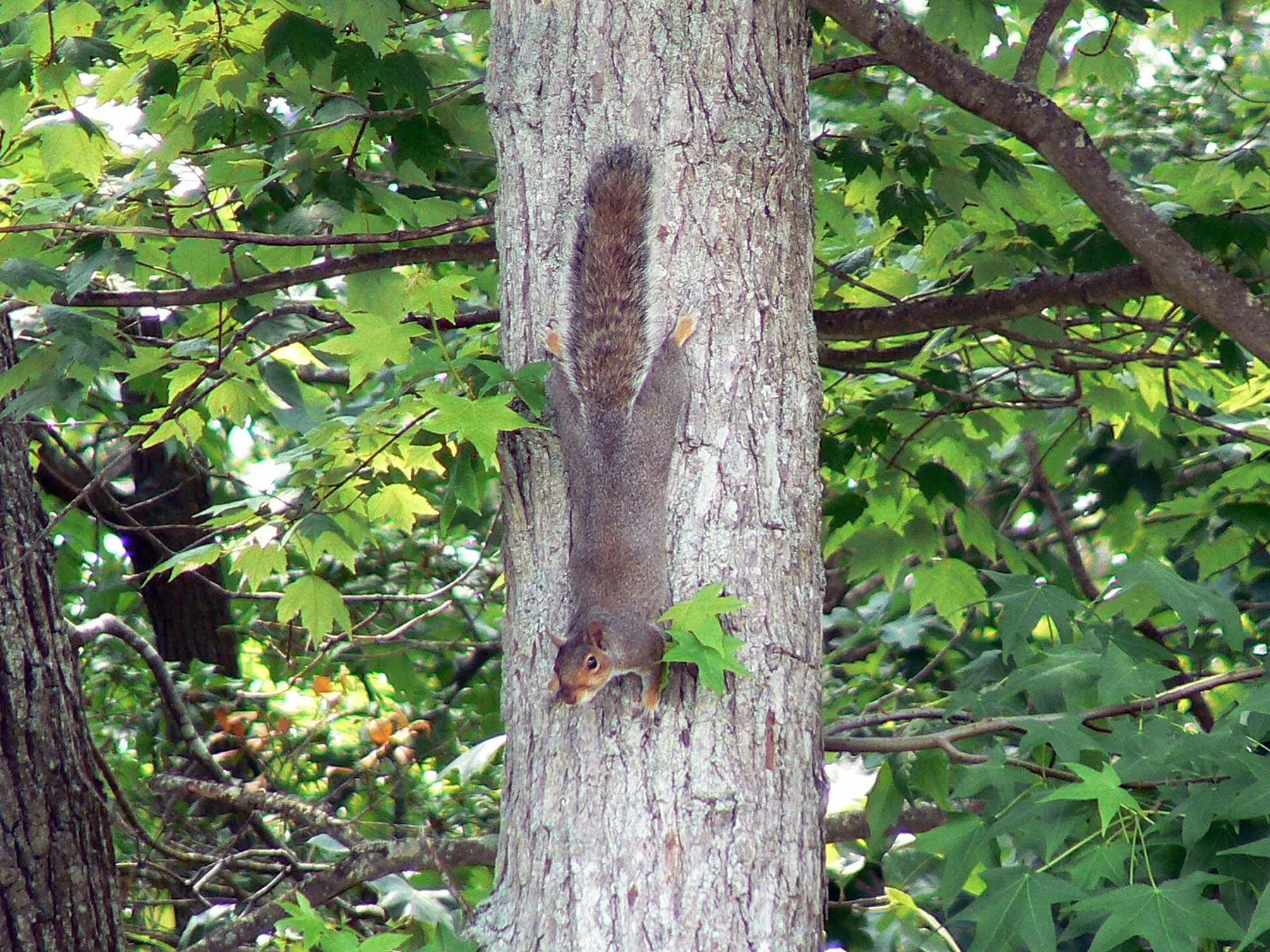
Falling is the one people most often assume is dangerous and largely is not. Squirrels have evolved specifically for life in trees: a long tail used for balance and as a stabilizer in a fall, flexible ankle joints that rotate to grip while descending head-first, and body proportions that reduce terminal velocity relative to their mass. Falls that would seriously injure most mammals are routinely survived without lasting harm.
Are they active at night?
Common backyard tree squirrels — the eastern gray squirrel most widespread across the eastern and central US — are diurnal, active during daylight with activity peaks in early morning and late afternoon. If something is raiding a bird feeder or garden overnight, it is very unlikely to be a squirrel; flying squirrels are the genuine nocturnal exception in this family, but they are rarely seen in a typical suburban yard and behave quite differently from the tree squirrels most people picture.
Common questions
What is the average life of a squirrel?
Are squirrels nocturnal?
Can squirrels die from falling out of trees?
What is the biggest threat to squirrel survival?
Backyard Weekly
Know what to plant, week by week
Free planting calendar. Join the weekly email for seasonal jobs, fixes for what is going wrong, and gear worth buying.
Set MONETIZATION.email.endpoint in src/config/site.ts to enable this form.
By subscribing you agree to our privacy policy. Grow In Backyard will never sell your address.
Keep reading
Where Do Squirrels Live and Sleep? Nests, Dens, and Winter
Squirrels build two distinct home types and switch between them by season. What a drey actually is, where they den in winter, and whether they hibernate.
Will Squirrels Eat Your Garden? What's Actually at Risk
Squirrels dig up bulbs, strip tomatoes, and raid every nut tree in reach — but leave most vegetables alone. What they actually target, and what stops them.
How Long Do Chipmunks Live? And Why They Dig Up Pots
Wild chipmunks rarely see three years — predators and winter mortality see to that. Realistic lifespan, what they eat, and why flower pots are such an easy target.
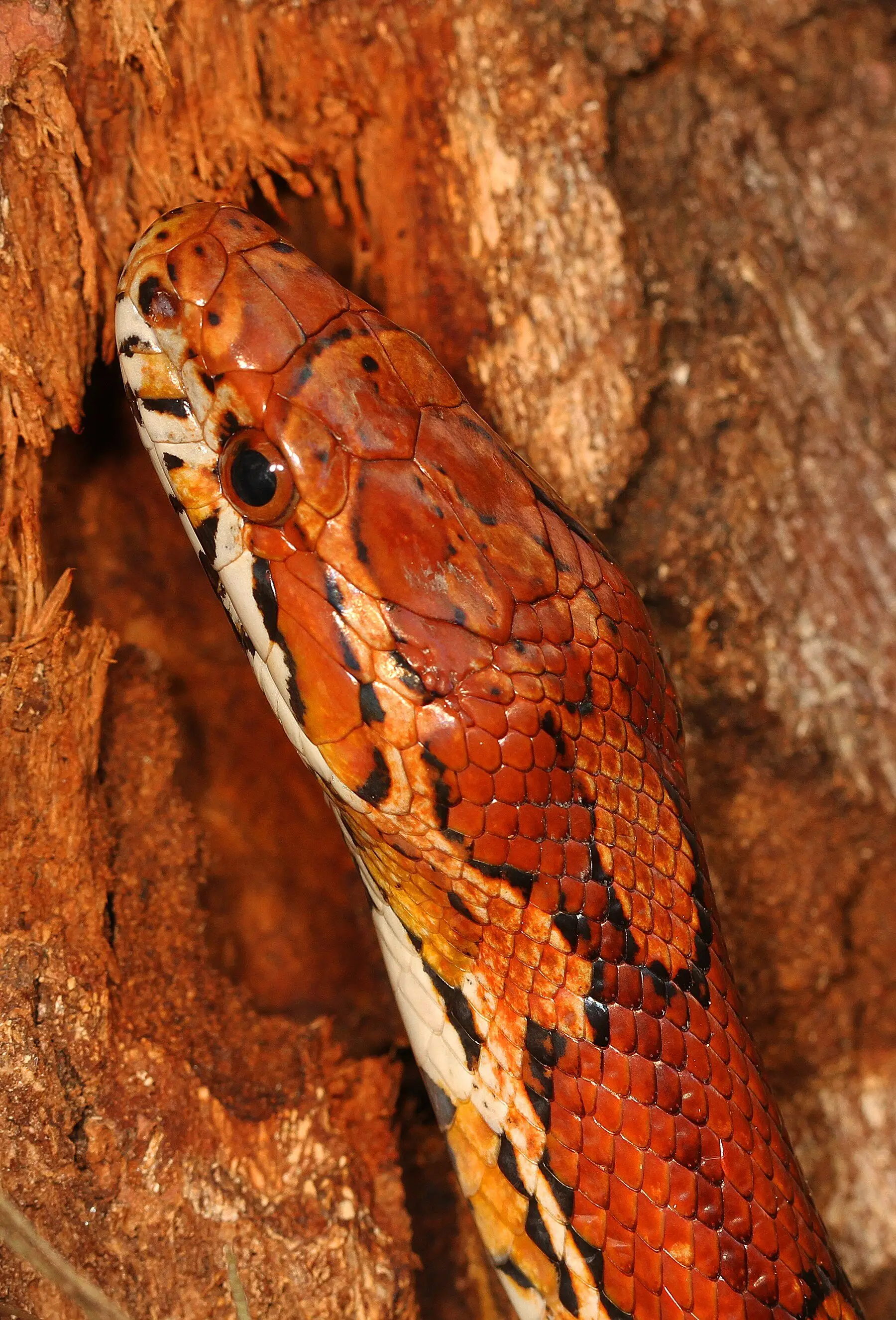
Are Corn Snakes Poisonous? No, and Not Venomous Either
Corn snakes are harmless constrictors often killed on sight because they mimic copperheads. How to tell them apart, and why one is worth keeping around.