Where Do Squirrels Live and Sleep? Nests, Dens, and Winter
Squirrels build two distinct home types and switch between them by season. What a drey actually is, where they den in winter, and whether they hibernate.
.jpg)
On this page
Squirrels do not have one home — they build and maintain two different kinds, and which one is in use depends on the season and the weather.
Two nest types, two purposes
| Drey | Tree cavity | |
|---|---|---|
| Made of | Leaves, twigs, bark strips | Existing hollow — not built |
| Visible | Yes, especially once leaves fall | No, hidden inside the trunk |
| Insulation | Moderate | Much better |
| Main use | Warm-weather shelter, raising young | Winter denning, severe weather |
| How many | Often several per squirrel | Fewer — depends on availability |
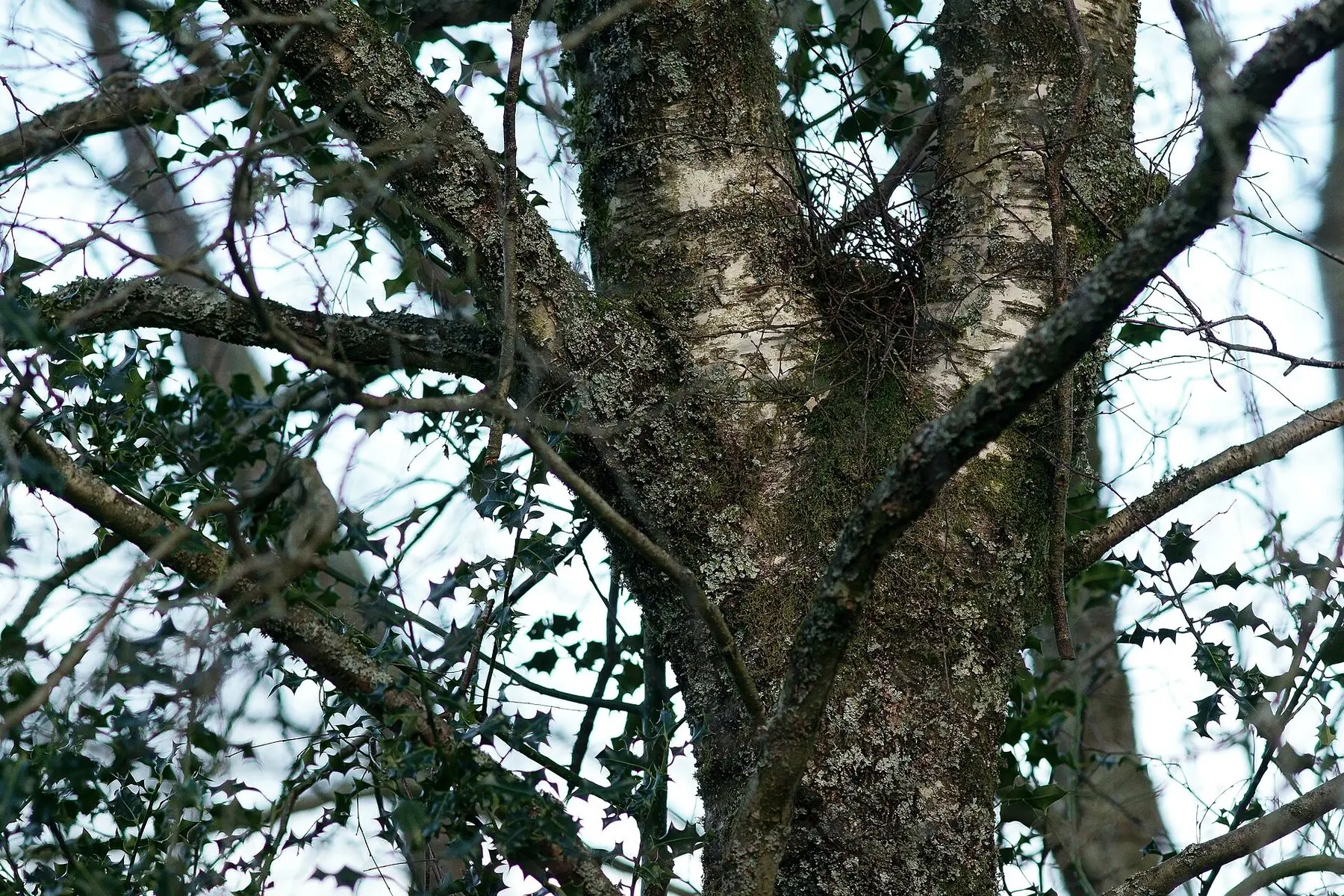
A drey is what most people picture and actually see — a rough ball of leaves and twigs wedged into a fork of bare branches, most visible in autumn and winter once the tree has dropped its leaves. It is a real, functional nest, but it is also relatively exposed.
Multiple nests is normal, not a sign of a problem
It is common for a single squirrel to build and maintain several dreys across its territory, using different ones at different times or as backups if one is disturbed. Seeing more than one nest in nearby trees does not necessarily mean more than one squirrel.
Where they actually sleep in winter
Given the choice, squirrels prefer a tree cavity over a drey once cold weather sets in — a hollowed trunk or an abandoned woodpecker hole holds heat far better than a leaf nest exposed to wind. Where cavities are scarce, they will winter in a well-built drey instead, sometimes reinforced with extra material for the season.
They do not hibernate. Common tree squirrel species stay active through winter, drawing on the food they cached in autumn and reducing how much time they spend outside the nest during the coldest or stormiest stretches, rather than entering a dormant state the way some other mammals do.
What draws a resident population
Mature trees, particularly oaks and other nut producers, are the single biggest factor — they provide both food and nesting sites in one place. A yard with a few large mature trees will generally support a resident squirrel population; a yard with only young trees or none may see only occasional visitors passing through.
Water matters too, especially in drier climates — a birdbath or shallow dish adds real value.
Reduced broad-spectrum pesticide use preserves the insects and plant material squirrels forage on incidentally, alongside their primary diet of nuts and seeds.
If the goal is fewer squirrels around food crops rather than more squirrels overall, see will squirrels eat your garden for what is actually at risk and what reduces the pressure — removing mature trees is rarely the practical answer, and the trade-offs of trying are covered there.
Common questions
Do squirrels hibernate in winter?
What is a squirrel nest called?
Do squirrels use the same nest all year?
How do I attract squirrels to my yard if I want to see them?
Backyard Weekly
Know what to plant, week by week
Free planting calendar. Join the weekly email for seasonal jobs, fixes for what is going wrong, and gear worth buying.
Set MONETIZATION.email.endpoint in src/config/site.ts to enable this form.
By subscribing you agree to our privacy policy. Grow In Backyard will never sell your address.
Keep reading
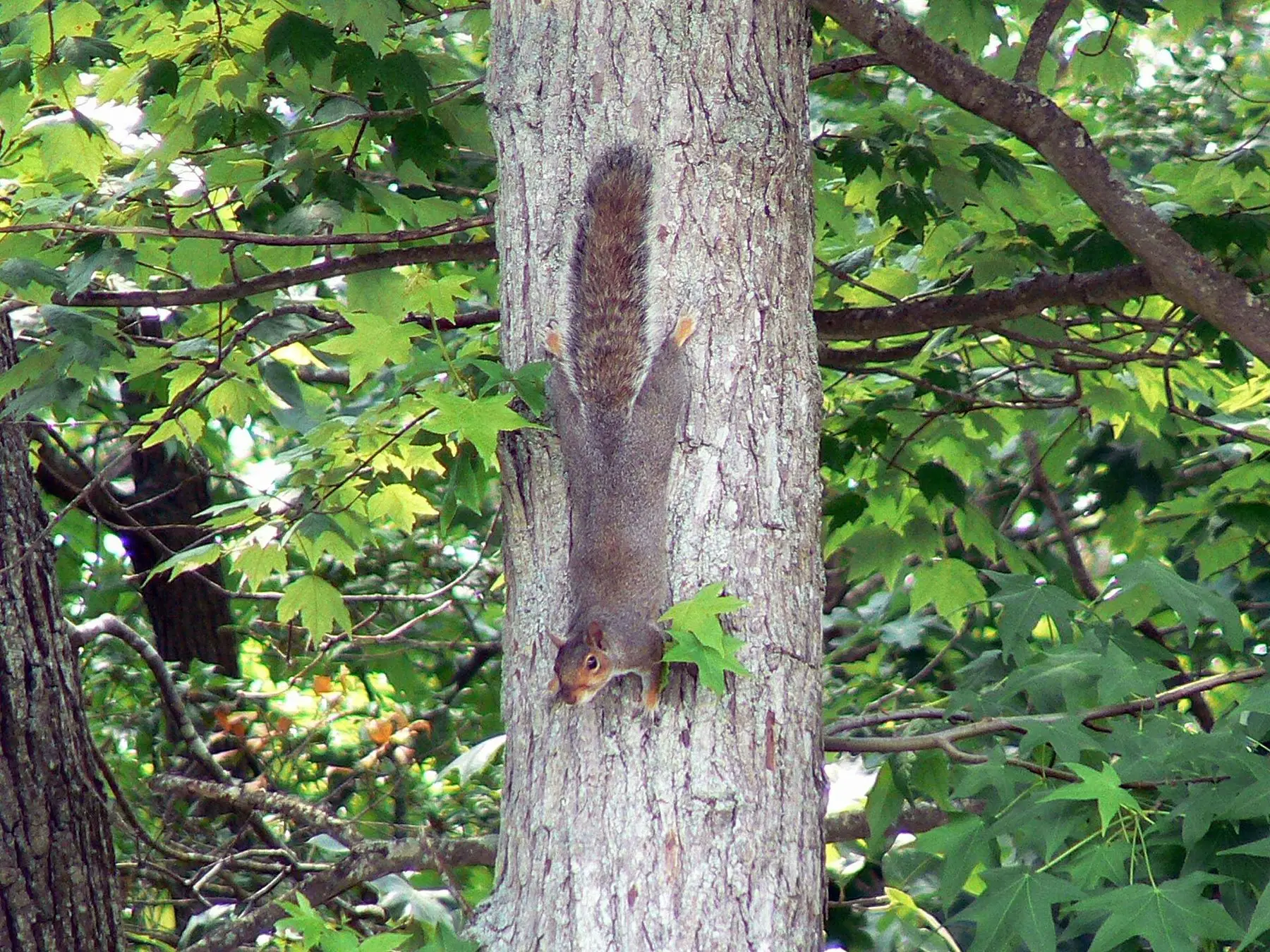
How Long Do Squirrels Live? Wild vs. What You'd Expect
Wild squirrels rarely see old age — most die in their first year. The realistic lifespan by species, and why the number is so much lower than people assume.
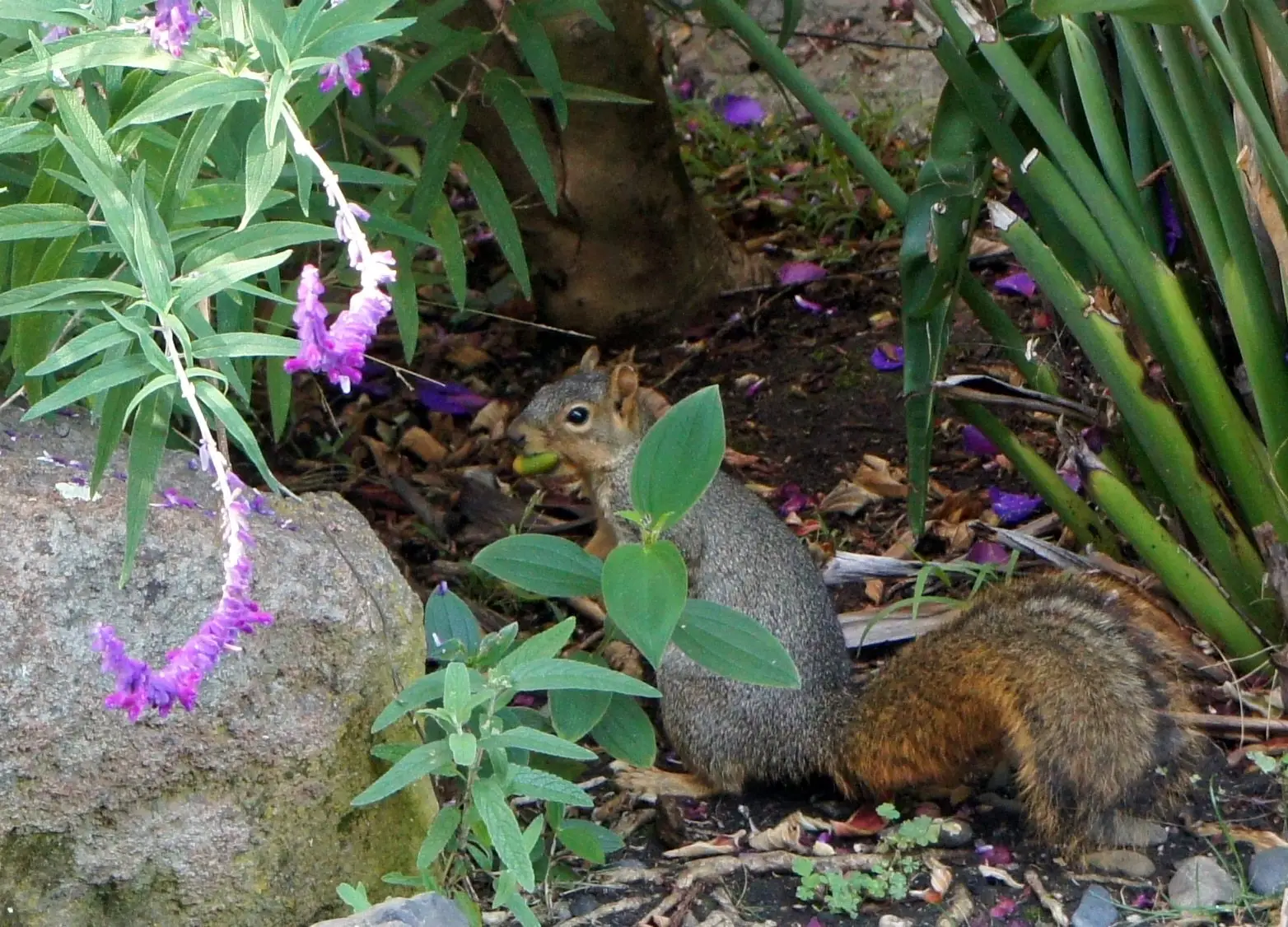
Will Squirrels Eat Your Garden? What's Actually at Risk
Squirrels dig up bulbs, strip tomatoes, and raid every nut tree in reach — but leave most vegetables alone. What they actually target, and what stops them.
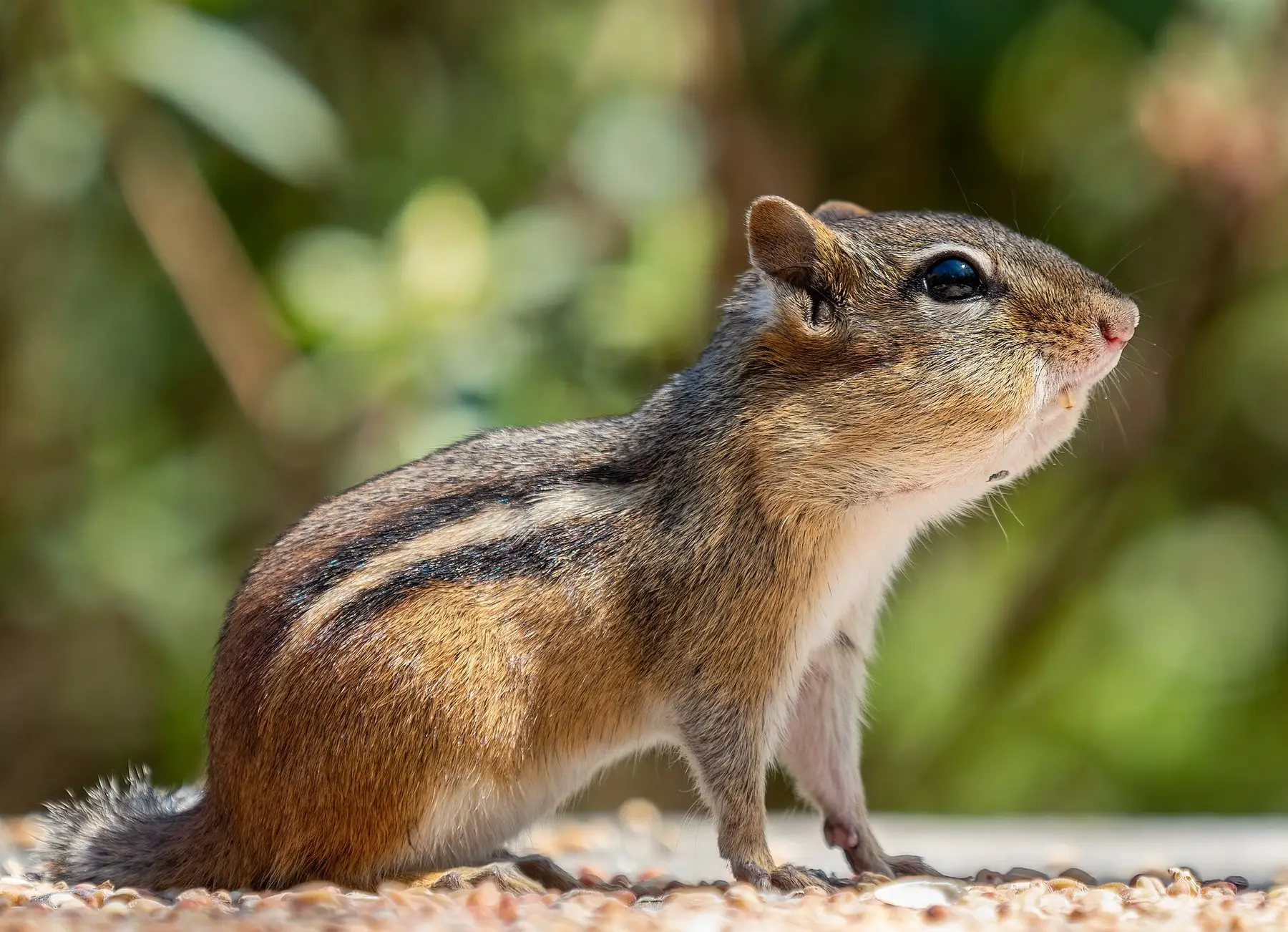
How Long Do Chipmunks Live? And Why They Dig Up Pots
Wild chipmunks rarely see three years — predators and winter mortality see to that. Realistic lifespan, what they eat, and why flower pots are such an easy target.
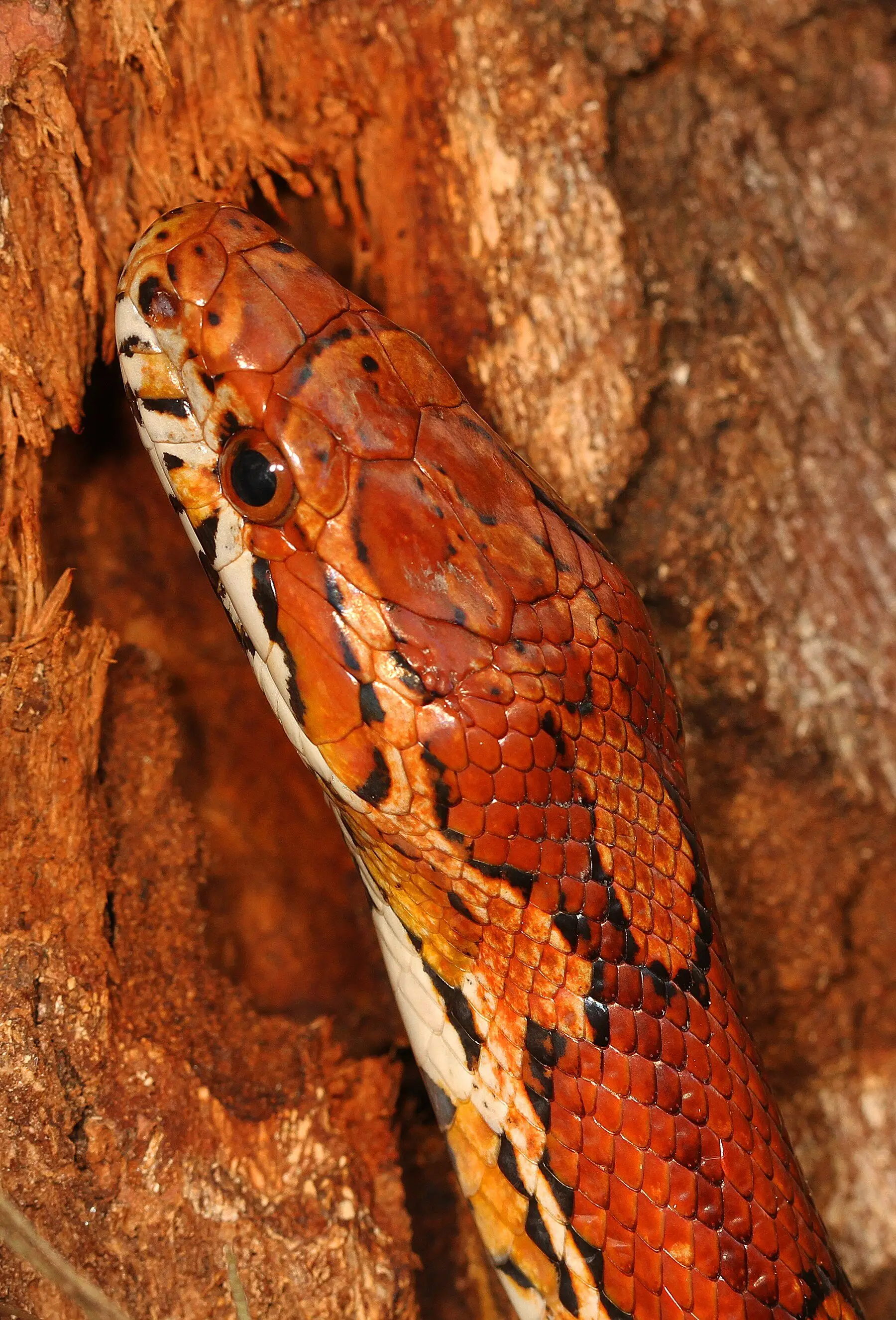
Are Corn Snakes Poisonous? No, and Not Venomous Either
Corn snakes are harmless constrictors often killed on sight because they mimic copperheads. How to tell them apart, and why one is worth keeping around.