Will Squirrels Eat Your Garden? What's Actually at Risk
Squirrels dig up bulbs, strip tomatoes, and raid every nut tree in reach — but leave most vegetables alone. What they actually target, and what stops them.

On this page
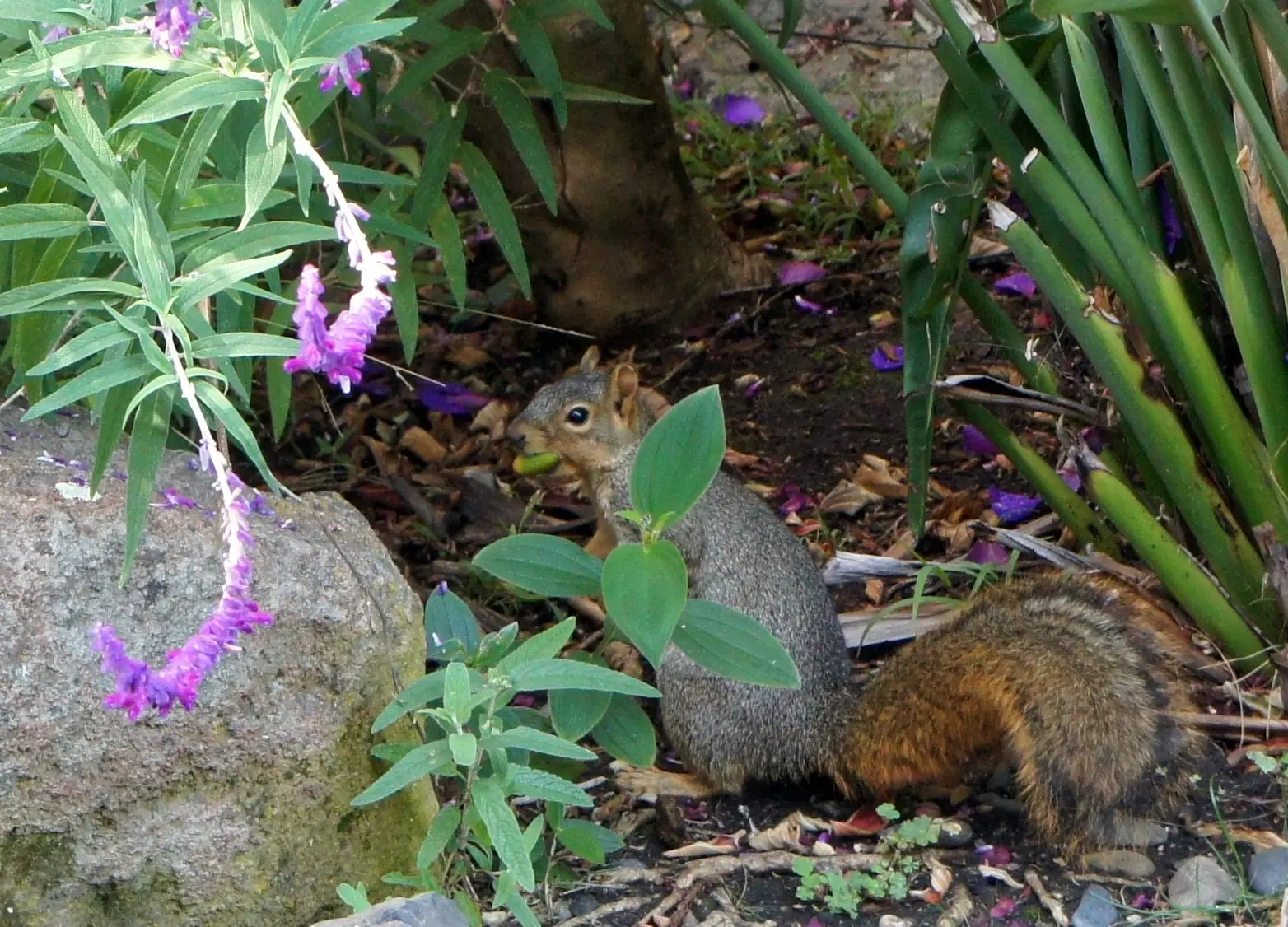
Squirrel garden damage is real but narrower than it often gets described — they target a specific, predictable list of things, and leave most of a vegetable garden alone entirely.
What is actually at risk
| Plant / food | Risk level | Notes |
|---|---|---|
| Tomatoes (ripening) | High | Single bite taken as fruit reddens; wasteful rather than thorough |
| Bulbs (tulip, crocus) | High | Dug up and eaten or relocated in autumn |
| Corn | High | Ears stripped, often before full ripeness |
| Strawberries & soft fruit | High | Taken whole when accessible |
| Newly sown seeds | Moderate-high | Dug up while foraging, not necessarily eaten |
| Walnuts, acorns, pine cones | Natural food | Foraged and cached — not “damage” |
| Apples & grapes | Moderate | Taken when ripe and reachable |
| Carrots & root vegetables | Low-moderate | Occasional interest, rarely primary target |
| Leafy greens | Low | Generally not preferred |
| Onions & garlic | Very low | Strong scent/taste generally deters them |
The single-bite pattern is the tell
A squirrel eating a tomato characteristically takes one bite and abandons the rest, rather than consuming it fully — which means the number of damaged fruit overstates how much a squirrel actually eats. This pattern, more than total loss, is usually the giveaway that squirrels rather than a bird or insect are involved.
Why bulbs and buried nuts show up together
Squirrels cache food by burying it, individually, across open ground — lawns and garden beds are prime real estate for this because the soil is loose and easy to dig. This is also why freshly planted bulbs get disturbed: a squirrel does not know the difference between its own buried acorn and a tulip bulb you just planted, and will dig up both while foraging or re-caching.
This is normal, necessary behaviour for the animal — squirrels rely on cached food to survive winter — rather than deliberate destruction, even though the effect on a bulb bed looks the same either way.
What actually reduces the damage
- Bulb cages or hardware-cloth liners under newly planted bulbs stop digging without harming the animal.
- Harvest ripening fruit slightly early and finish ripening indoors if squirrel pressure on tomatoes or soft fruit is heavy — a few days earlier than ideal beats losing the fruit entirely.
- Blood meal or capsaicin-based repellents around bulb beds are commonly used, though effectiveness varies and both wash off in rain and need reapplying.
- A dedicated feeding station away from the vegetable garden, stocked with the nuts and seed squirrels actually want, can reduce pressure on food crops by giving them an easier, preferred alternative nearby.
- Physical barriers — cages, row covers, netting — are the most reliable option for anything small enough to protect, particularly strawberries and seedlings.
Do not feed them deliberately, and never chocolate
Chocolate contains theobromine, which squirrels cannot metabolise safely, the same underlying issue that makes it dangerous for dogs. Beyond that specific risk, deliberately feeding squirrels — even with safe food — tends to increase their tolerance of being near people and gardens, which usually increases rather than decreases the pressure on what you are trying to protect.
The garden-versus-wildlife trade-off
Squirrels are also useful in a yard — they disperse tree seeds (a meaningful share of new oak growth traces back to acorns a squirrel buried and never retrieved), and they are prey for the hawks and owls that help control other pest populations. Most gardeners land on protecting the small list of genuinely vulnerable plants — bulbs, ripening fruit, corn — rather than trying to exclude squirrels from the yard entirely, which is both difficult and removes a generally beneficial animal along with the occasional cost.
For how long a resident squirrel population is likely to stick around, and what actually limits their numbers, see how long do squirrels live.
Common questions
Do squirrels eat tomato plants?
Do squirrels eat walnuts, acorns, and pine cones?
Can squirrels eat chocolate?
Do squirrels eat bread?
What vegetables are squirrels least likely to damage?
Backyard Weekly
Know what to plant, week by week
Free planting calendar. Join the weekly email for seasonal jobs, fixes for what is going wrong, and gear worth buying.
Set MONETIZATION.email.endpoint in src/config/site.ts to enable this form.
By subscribing you agree to our privacy policy. Grow In Backyard will never sell your address.
Keep reading
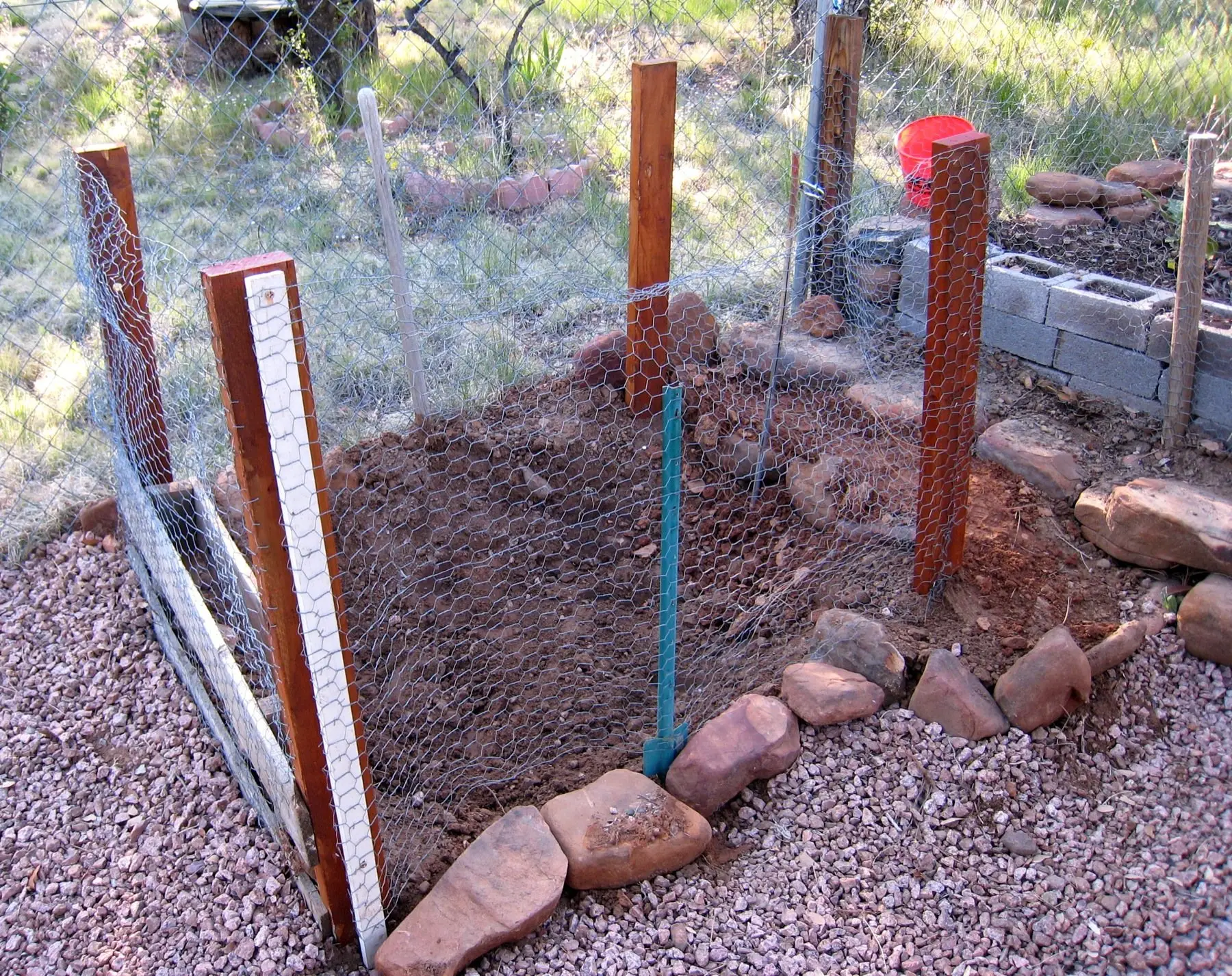
How to Keep Chickens Out of the Garden
Chickens will strip a vegetable bed in an afternoon. Fence the garden rather than the birds, and use the six other methods in the order that actually works.
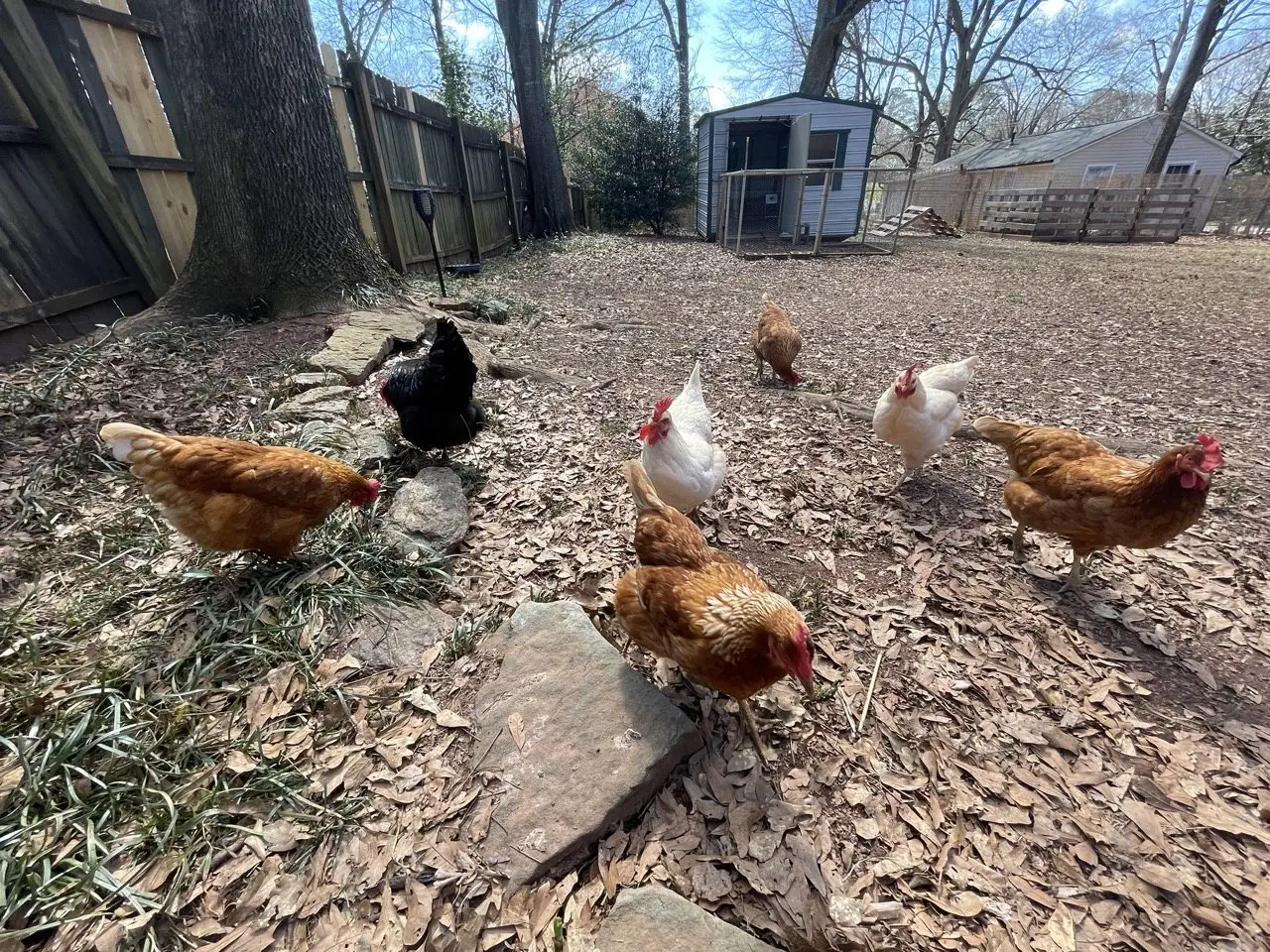
What Chickens Can (and Cannot) Eat From Your Garden
Some garden plants are genuinely toxic to chickens, not just unappealing. What is safe to let them forage, and what to keep them away from entirely.
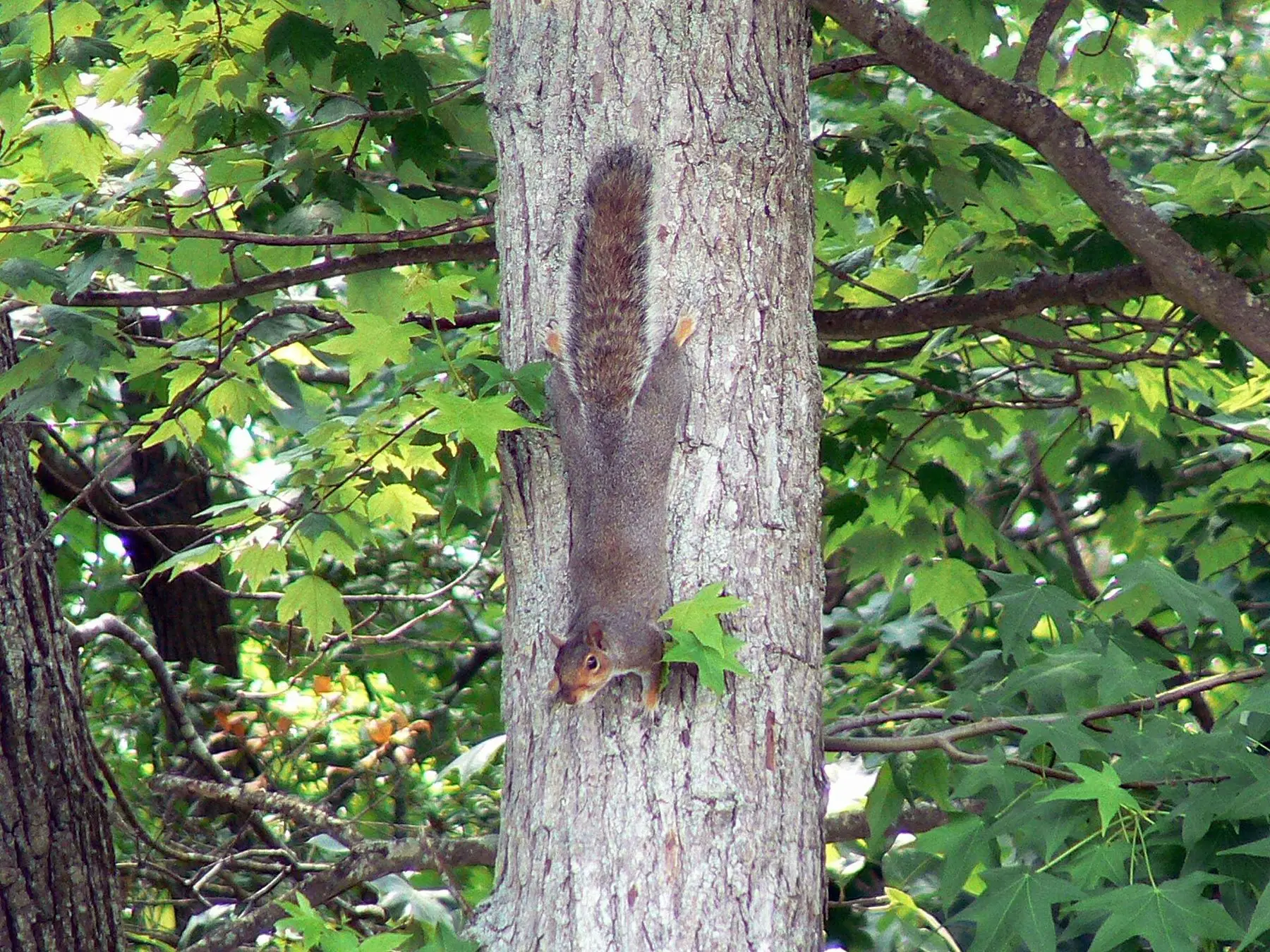
How Long Do Squirrels Live? Wild vs. What You'd Expect
Wild squirrels rarely see old age — most die in their first year. The realistic lifespan by species, and why the number is so much lower than people assume.
What Do Deer Eat? Garden Plants and What Not to Feed Them
Deer will eat far more of a garden than most plant lists admit, and a few backyard treats are genuinely dangerous. What is safe to feed, and what to skip.