How to Use Neem Oil on Plants Without Burning Them
The right dilution, why it needs soap to mix, when to spray, and which pests it works on. Neem is slow and specific — treat it as a knockdown and it fails.

On this page
Neem oil has a reputation as an all-purpose organic fix, and that reputation is why most people are disappointed by it. It is slow, it is specific, and it is easy to burn a plant with if the mix or the timing is wrong.
Used correctly — right dilution, emulsified properly, sprayed at dusk, repeated weekly — it is one of the more useful things in a garden shed.
What it is, and what it does
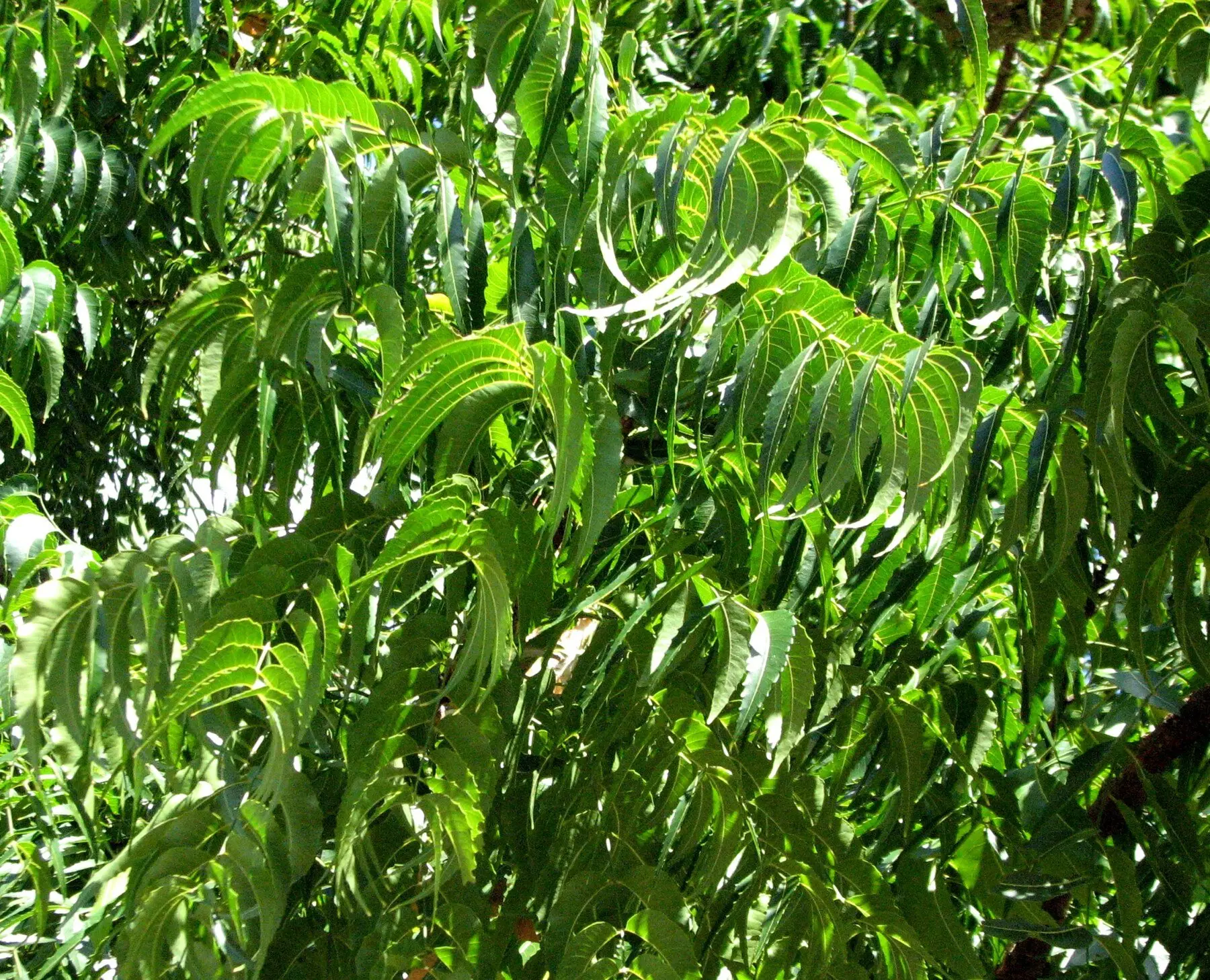
Neem oil is pressed from the seeds of Azadirachta indica. The active compound, azadirachtin, is not a nerve poison — it is a moulting disruptor and antifeedant. Insects that eat treated leaf tissue stop feeding, fail to develop, and lay fewer viable eggs. The oil itself separately smothers soft bodies and eggs it directly coats.
That mechanism explains everything about how it has to be used:
- It is slow. Expect several days, not an afternoon. Nothing drops dead.
- It hits juveniles hardest. Larvae and nymphs moult; adults mostly do not.
- Coverage is everything. It has almost no systemic movement in the plant.
| Pest | Effective? | Notes |
|---|---|---|
| Aphids | Yes | One of its best targets |
| Spider mites | Yes | Needs thorough undersides coverage, and repeats |
| Whitefly | Partly | Kills nymphs; adults just fly off — pair with sticky traps |
| Mealybugs, scale | Partly | Only the mobile crawler stage; armoured adults resist it |
| Thrips | Partly | Suppresses rather than eliminates |
| Young caterpillars | Yes | Bt is faster and more selective if you have it |
| Japanese beetles, squash bugs | Barely | Hard-shelled adults — hand-pick instead |
| Powdery mildew | Some suppression | Preventative at best; not a cure |
| Fungus gnats | Partly | As a soil drench against larvae |
Mixing it
Neem is solid below about 60°F and will not disperse in cold water. Use warm water, and warm the bottle in a sink if it has set.
- Warm water — a quart, comfortably warm, not hot.
- A teaspoon of mild liquid soap, stirred in first. This is the emulsifier.
- One to two teaspoons of neem oil, then shake hard until uniformly cloudy.
- Keep shaking during application — it re-separates within minutes.
Use the batch the same day. Azadirachtin degrades quickly in water, and yesterday’s mix is mostly soapy water.
Your label overrides this recipe
Cold-pressed neem oil and “clarified hydrophobic extract of neem oil” are different products at different concentrations, and some are sold pre-emulsified. The dilution on your own bottle is the one that is legally tested for the plants it names.
Spraying it
Dusk, or early morning. Never in sun, never above 85°F. Oil on a leaf in direct sun magnifies heat and scorches it — this is the single commonest way people damage plants with neem.
Test one leaf first and wait a day. Ferns, peas, impatiens, and several herbs are sensitive enough to burn at ordinary rates.
Then wet everything, especially leaf undersides, to the point of running but not dripping. Aphids, mites, and whitefly live underneath; a spray aimed downwards from above misses the entire population.
Flowers and bees
Do not spray open blooms, and do not spray while bees are flying. Dusk applications have dried by morning, which is most of what makes neem acceptable in a garden with pollinators in it.
The schedule
Every seven days, three times minimum. Azadirachtin breaks down in light within a few days, and it does not kill eggs — so a single spray hands a clean plant to the next generation hatching two days later.
Once an infestation is over, a fortnightly spray is a reasonable preventative on plants that repeatedly get hit. On plants that do not, leave it alone: neem is broadly toxic to small insects, and that includes the hoverfly larvae and parasitic wasps that were already eating your aphids for free.
As a soil drench
For fungus gnats and some root-feeding larvae, dilute at the label’s drench rate and water it in rather than spraying. It works on the larvae in the top inch of compost, where they live.
Letting the surface dry out between waterings does more than the neem does, but the two together clear an infestation faster than either alone.
Step by step
- Time
- PT20M
- Cost
- $15
- You need
- Cold-pressed neem oil, Mild liquid soap, as an emulsifier, Warm water
- Tools
- Pump or trigger sprayer, Measuring spoons, Gloves and eye protection
Read the label on your bottle
Cold-pressed neem and clarified hydrophobic neem extract are different products with different strengths. Follow your own label's dilution rate; the figures below are typical, not universal.
Mix the soap into warm water first
Add about a teaspoon of mild liquid soap to a quart of warm water and stir. Oil will not disperse in water on its own — without an emulsifier the spray separates and delivers neat oil onto leaves, which scorches them.
Add the neem oil and shake hard
Stir in one to two teaspoons of neem oil per quart and shake until the mix looks uniformly cloudy. Keep shaking during the application, because it starts separating within minutes.
Test one leaf and wait 24 hours
Spray a single leaf on the plant you intend to treat and leave it a day. Some species — ferns, peas, and many herbs among them — are sensitive, and a test leaf costs nothing.
Spray at dusk or early morning
Never in sun or above about 85F. Oil plus direct sun burns foliage, and spraying while bees are foraging exposes them directly. Dusk also gives the film hours to work before it dries.
Cover the undersides of the leaves
Neem works on contact and by ingestion, so anything you miss is untreated. Aphids, mites, and whitefly all live on leaf undersides — spray upwards until everything is wet but not dripping.
Repeat every seven days, three times
Azadirachtin breaks down in light within a few days and does not kill eggs. Three applications a week apart are needed to catch each generation as it hatches.
Common questions
How do you mix neem oil for plants?
What pests does neem oil actually work on?
How often should you apply neem oil?
Does neem oil harm bees?
Why did neem oil burn my plant's leaves?
Can you use neem oil on vegetables you are about to eat?
Backyard Weekly
Know what to plant, week by week
Free planting calendar. Join the weekly email for seasonal jobs, fixes for what is going wrong, and gear worth buying.
Set MONETIZATION.email.endpoint in src/config/site.ts to enable this form.
By subscribing you agree to our privacy policy. Grow In Backyard will never sell your address.
Keep reading
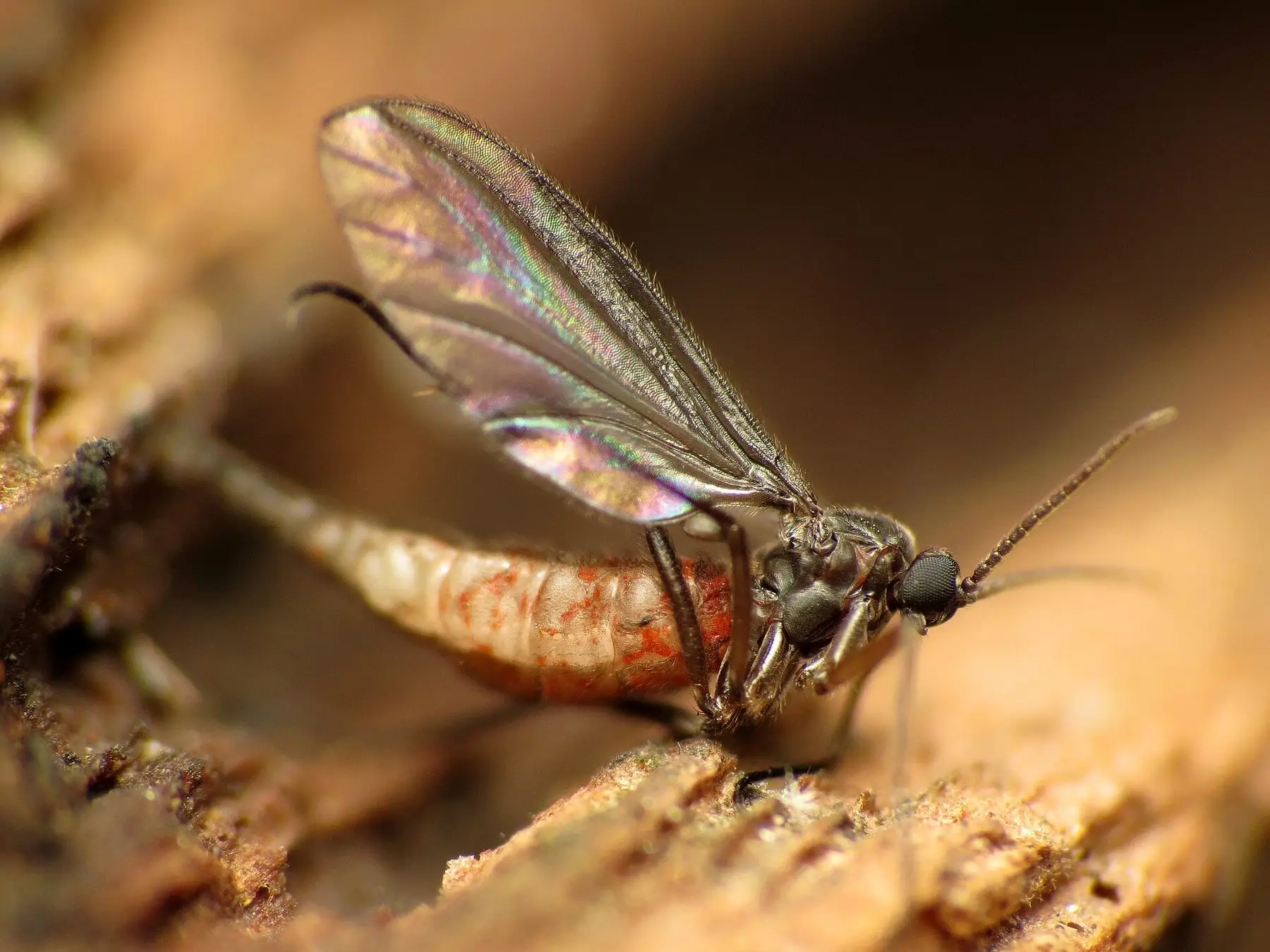
Fungus Gnats: Kill the Larvae, Not the Flies You See
The adults are harmless; the larvae in the top inch of compost are what damage roots. Why letting the surface dry works, and what actually breaks the cycle.
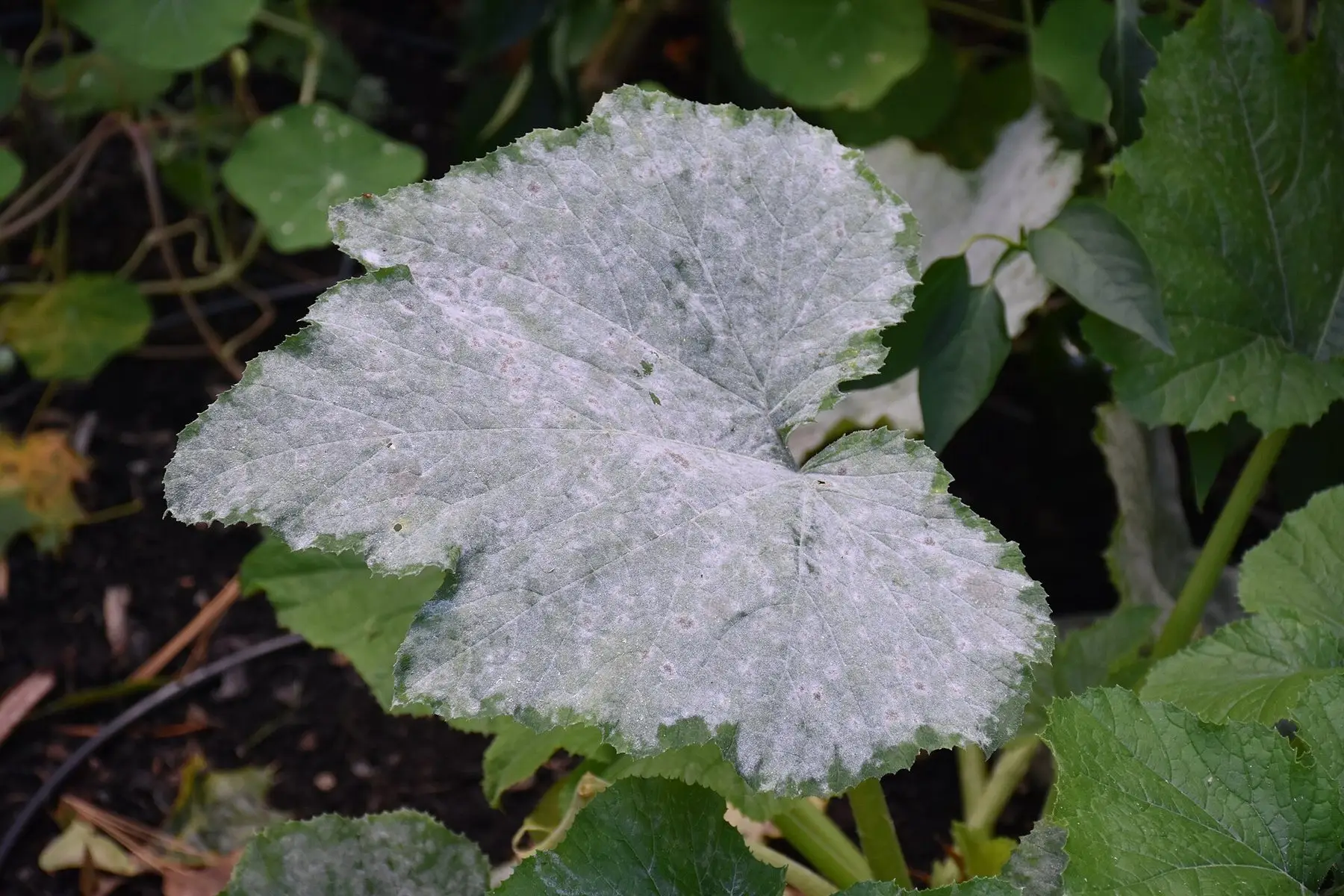
Powdery Mildew: Why It Spreads and What Actually Stops It
Powdery mildew is the one fungus that does not need wet leaves — it thrives in humid air and dry foliage. How to spot it early and what treatments hold up.

Outdoor Plants in Pots: What Survives, and What Kills Them
A pot outdoors is a harsher place than the ground — hotter, drier, and colder in winter. How to pick plants and pots that cope, and get through the cold.
What Smells Do Mosquitoes Hate? What Works and What Does Not
Citronella, lavender and peppermint all repel mosquitoes in a lab. Almost none of it survives contact with a real backyard — here is what actually reduces bites.