Choosing a Garden Hose: The Specs That Actually Matter
Length costs you pressure, fittings decide the leaks, and expandable hoses have a real trade-off. What to check on the label before you buy a hose.

On this page
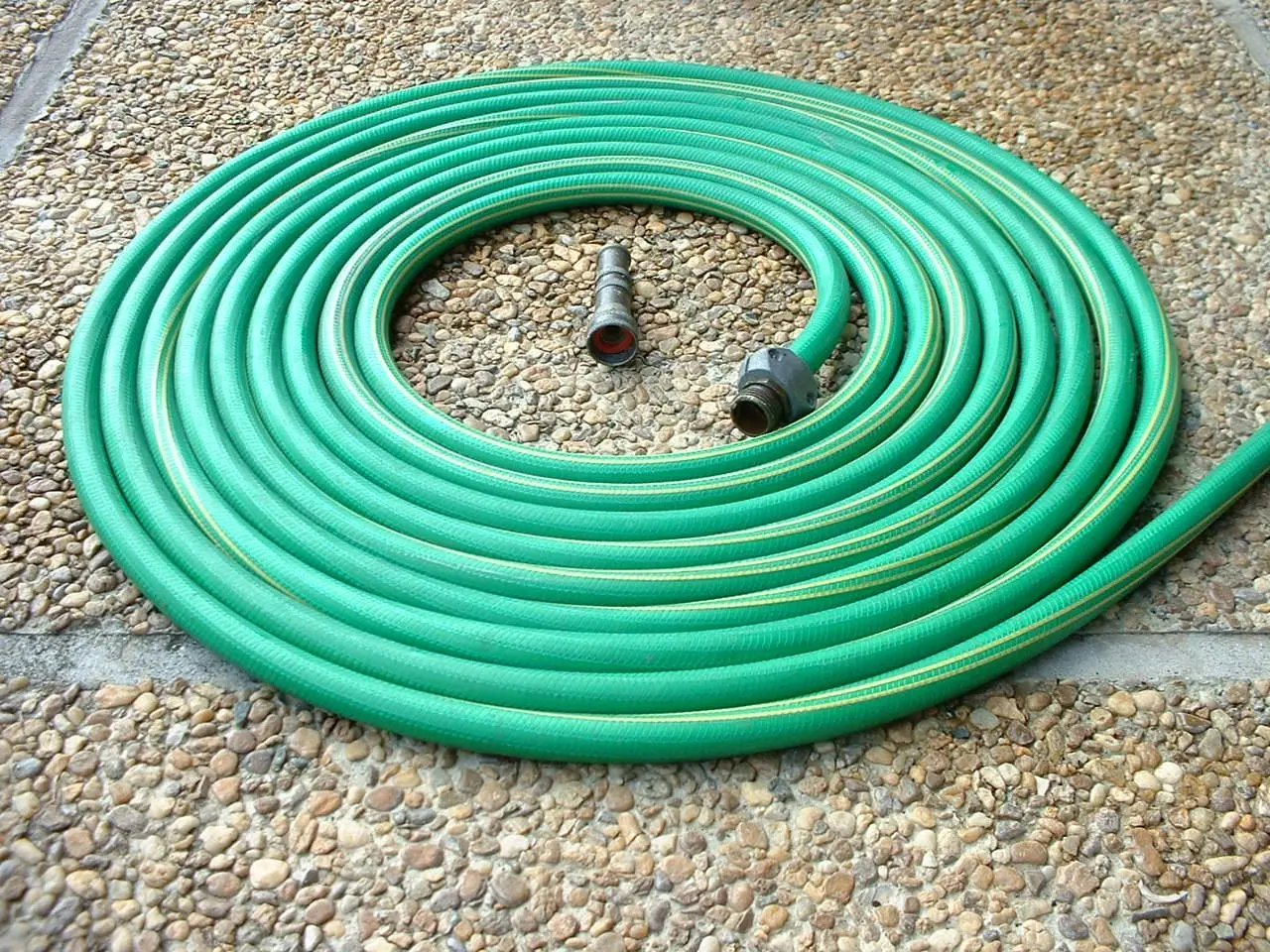
A garden hose is one of the few purchases where the cheap option reliably costs more. Vinyl hoses kink, crack in sun, and split at the fitting within a couple of seasons, and the replacement cycle adds up faster than one decent hose would have.
The label tells you most of what you need, if you know which numbers to read.
Diameter, and why ⅝ is the answer
Internal diameter sets how much water the hose can carry. The three common sizes behave quite differently:
| Bore | Flow | Weight when full | Best for |
|---|---|---|---|
| ½ in | Lowest | Lightest | Short runs, containers, hanging baskets |
| ⅝ in | Good | Manageable | Almost every garden — the default |
| ¾ in | Highest | Heavy and stiff | Long runs, irrigation feeds, large properties |
Nearly every nozzle, sprinkler, and reel on the market is designed around ⅝ inch, so it is also the size with the fewest compatibility annoyances. A ¾-inch hose full of water is genuinely heavy to drag around a garden, and that weight is the reason people stop using them.
Length costs you pressure
Water rubbing against the inside of a hose loses energy, and that loss grows with length and with a narrower bore. The practical consequence: the same tap and nozzle will feel noticeably weaker at the end of 100 feet than at the end of 50.
So resist buying extra “just in case”. Measure the furthest point you actually water, add a little slack for routing around corners, and buy that. If you occasionally need to go further, a second short hose and a coupler beats permanently dragging a longer one.
Materials
Rubber is the durable choice: flexible even in cold weather, highly kink-resistant, and the best at surviving UV. It is heavy and costs the most, and it is what you buy if you want to stop thinking about hoses.
Reinforced hybrid polymer hoses are the sensible middle. Multi-layer construction with a mesh reinforcement, lighter than rubber, far tougher than vinyl.
Vinyl is light and cheap and fails in predictable ways — it kinks permanently, goes brittle in sunlight, and splits at the fitting. Fine as a spare for a shaded, gently used run; a false economy as a main hose.
Expandable hoses are a different category. The inner tube is a thin elastic layer inside a fabric sleeve, so they are extremely light and store in almost no space, which is a real benefit for people who struggle with a heavy coil. The costs are honest ones: less flow, a dependence on decent mains pressure to expand, an inner tube that eventually splits, and a strong dislike of being left pressurised in the sun.
The test that predicts kinking
Fold a short section of hose back on itself in the shop. A good hose resists and springs back; a poor one collapses flat and holds a crease. That crease is exactly where it will kink permanently in the garden, and no amount of careful coiling prevents it.
Fittings are where hoses die
The connector at the tap end takes every knock, every drag across a step, and all the strain of being pulled around a corner. It is also where manufacturers save money.
Metal beats plastic, and among metals, brass and stainless are the durable options. Aluminium fittings are lighter and cheaper and crush more easily — a crushed fitting is unusable and generally unrepairable.
Look for a collar or strain relief where the fitting meets the hose. That short reinforced sleeve stops the hose flexing sharply right at the joint, which is the classic failure point.
Also check the washer. A hose with a decent rubber washer seated properly will not weep at the tap, and replacement washers cost almost nothing — worth keeping a few, since a leaking connection is usually a two-cent problem rather than a new hose.
Drinking water and hot hoses
If anyone will drink from the hose or you are filling a pet bowl or paddling pool, buy one labelled drinking-water safe. Ordinary garden hoses are not made to potable standards, and water that has sat in a hose in full sun can pick up both heat and material from the tube. Run it off for a few seconds before filling anything regardless.
Burst pressure and ply
Burst pressure is the most useful comparable number on the label — the pressure at which the hose fails. Household mains is typically well below it, but a high burst rating indicates heavier construction, and it matters if you leave the hose pressurised with the nozzle shut, which is exactly when hoses fail.
Ply counts the reinforcing layers. More is generally better for kink and burst resistance, but it is not a regulated measure and manufacturers count differently, so treat it as a rough signal and let the burst pressure figure carry more weight.
Making it last
Drain it before winter and store it somewhere it will not freeze. Water left in a hose expands as it freezes and splits the tube.
Keep it out of the sun. UV is the main killer of everything except rubber, and a hose left in the sun all summer ages years in one season.
Do not leave it pressurised. Turn the tap off at the wall rather than relying on the nozzle to hold back mains pressure all week.
Coil it in large loops, or use a reel. Tight figure-of-eight coiling builds in the twists that become kinks.
Do those four things and a mid-range hose lasts many seasons. Skip them and even an expensive one will not.
Common questions
What size garden hose should I buy?
Does hose length affect water pressure?
Are expandable hoses any good?
What is the best material for a garden hose?
What does ply mean on a garden hose?
Backyard Weekly
Know what to plant, week by week
Free planting calendar. Join the weekly email for seasonal jobs, fixes for what is going wrong, and gear worth buying.
Set MONETIZATION.email.endpoint in src/config/site.ts to enable this form.
By subscribing you agree to our privacy policy. Grow In Backyard will never sell your address.
Keep reading
Best Raised Garden Beds: 5 Kits Worth the Money
Metal, cedar, or plastic — the material decides how long a raised bed lasts and what it costs to fill. Five kits compared, plus how to pick the right depth.
Spade vs Shovel: Which One You Actually Need
A spade cuts, a shovel scoops — and most people are digging with the wrong one. The difference, the handle types, and what to check before buying.
Growing Cucumbers in Pots: Size, Support, and Water
Cucumbers grow well in containers if the pot is big enough and they climb. Pot size, variety choice, and the watering rhythm that prevents bitter fruit.
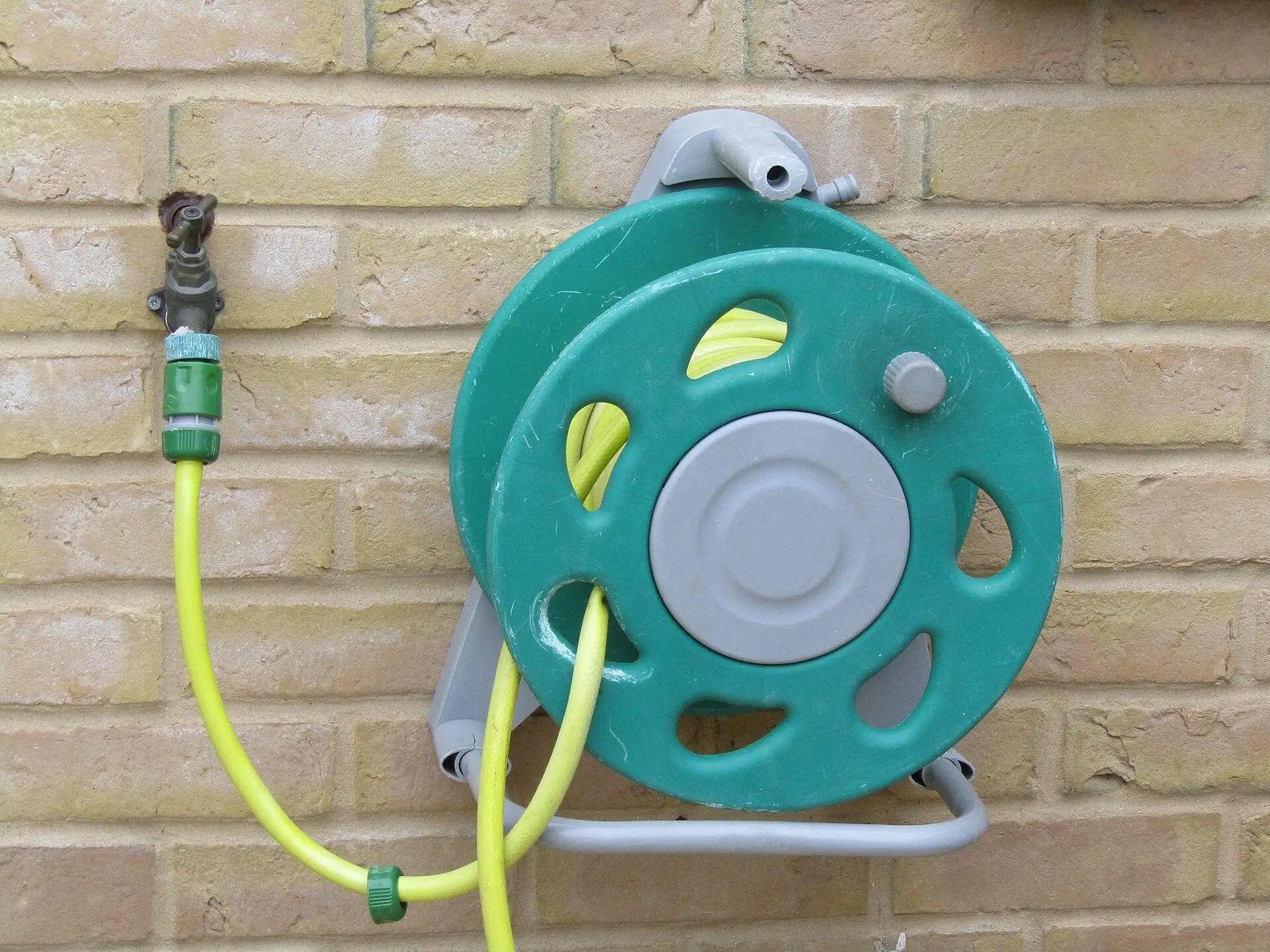
Garden Hose Reels: Wall-Mounted, Retractable, or Cart
A reel fails at the wall fixing or the swivel seal, not the drum. What each type suits, the fixings a full reel actually needs, and winter care that prevents splits.