Small Backyard Ideas That Make the Space Feel Bigger
Small gardens fail by being over-divided and lined with furniture around the edge. The moves that add usable space, and what to spend money on first.

On this page
The most common mistake in a small garden is trying to fit everything in. A seating area, a lawn, a bed, a dining spot, a shed, a water feature — each one shrunk to fit.
The result reads as several cramped spaces rather than one small one. A small garden looks larger when it does fewer things.
The moves that actually work
Stop dividing. One generous space with a single focal point feels bigger than three small ones. If you need two functions, let them overlap rather than separating them with a screen.
Go dark on the boundaries. Dark grey, charcoal, deep green — dark colours recede visually, the fence stops being the first thing you notice, and foliage reads sharply against it. A tin of fence paint is the highest-return money in a small garden.
Run lines diagonally. Paving, decking boards or a path laid diagonally uses the longest dimension available — the corner-to-corner distance — and the eye follows it. Laying boards parallel to the house emphasises how narrow the space is.
Keep one long sightline clear to the furthest point. Anything blocking the view of the far corner makes the garden end where the obstruction is.
Plant upward. Climbers, wall-mounted planters, trellis, a slim tree with a clear stem you can walk under. Vertical planting is greenery that costs no floor area — the reason vertical growing works so well in tight spaces.
Use fewer, bigger plants. Three large specimens look considered; fifteen small pots look like storage. This is counter-intuitive when the space is small, and it is the single biggest difference between a designed small garden and an accumulated one.
Edit before you add
Almost every small garden improves before anything is bought. Remove the half-dead pots, the spare chairs, the bags of compost, the plants that never worked. Small spaces show clutter at a rate large ones do not, and the amount of visual space this recovers is routinely more than any purchase adds.
The floor
This is what to spend on first, because it is most of what you see and the hardest thing to redo.
| Surface | Cost | Effort | Notes |
|---|---|---|---|
| Gravel | Low | Low | Fast, permeable, forgiving of uneven ground |
| Paving slabs | Medium–high | Medium | Large-format slabs make a space read bigger |
| Poured concrete | Medium | High | Permanent; see thickness |
| Decking | Medium | Medium | Warm underfoot; needs maintenance |
| Composite decking | High | Medium | Low maintenance; expensive up front |
| Artificial grass | Medium | Low | Hot in sun, no wildlife value, lasts ~10 yrs |
| Ground cover planting | Low | Medium | Thyme, chamomile; light traffic only |
Large-format paving makes a small space look larger — fewer joint lines means less visual busyness. Small unit paving, especially in a contrasting colour, does the opposite.
Whether to keep the lawn
A lawn under roughly 15 by 15 feet is usually more trouble than it returns: it wears into a path where people walk, it is awkward to mow, and it requires a mower you then have to store somewhere in a garden that has no storage.
Keep it if children or a dog will actually use it. Nothing else does that job.
Replace it otherwise with gravel, paving, or planted ground cover. You gain usable space, lose the maintenance, and free up the shed.
Privacy, done proportionately
The instinct is to raise every fence. In a small garden that produces a box, and in many places it breaks height rules anyway.
Instead, screen the specific sightline. Work out where you actually sit and what actually overlooks it, and block just that:
- A pergola or overhead beams, which cut the view from above without enclosing the sides.
- One trellis panel or a slatted screen, placed between the seat and the window.
- A tall planter with a slim tree — amelanchier, birch, or a multi-stem — which screens at head height while leaving the ground open.
Targeted screening uses a fraction of the material and leaves the garden feeling open.
Storage, which decides how tidy it looks
Small gardens are ruined by things with nowhere to go. Plan storage in from the start:
- Bench seating with a hinged lid — seating and storage in one footprint.
- A slim vertical store against a wall, rather than a shed in the middle.
- Wall-hung tool racks inside a gate recess or on a fence.
- Stackable or folding furniture, so the space is not permanently committed.
Furniture, sized honestly
Size it to the garden, not to the largest gathering you can imagine. A six-seat dining set in a courtyard leaves a walkway.
A bistro table and two chairs that you actually use beats a set you have to shuffle around. If you host occasionally, folding chairs stored against a wall are the right answer — see sizing outdoor furniture for the clearances involved.
Planting for a small space
Every plant has to earn its place across more than one season. There is no room for something that looks good for a fortnight.
Look for:
- Long season of interest — good foliage first, flowers second.
- Evergreen structure, so the garden is not bare for five months.
- Multi-stem trees and shrubs with a clear base you can plant or walk under.
- Repetition. Using three of one plant in three places reads as a design; using nine different plants reads as a collection.
Containers work well and dry out fast — see growing in pots for watering, and be honest about whether you will do it in July.
A realistic order of work
- Clear out everything that is not working.
- Paint the boundaries dark.
- Sort the floor — the biggest single change.
- Add structure — one screen, one tree, one focal point.
- Plant, using few varieties repeated.
- Furniture and lighting last, sized to what is left.
Doing it in that order avoids the common outcome of buying furniture first and then discovering there is nowhere sensible to put it.
Common questions
How do you make a small backyard look bigger?
What is the cheapest way to improve a small garden?
Should a small garden have a lawn?
What plants work best in a very small garden?
How do you get privacy in a small backyard?
What should you spend money on first in a small garden?
Backyard Weekly
Know what to plant, week by week
Free planting calendar. Join the weekly email for seasonal jobs, fixes for what is going wrong, and gear worth buying.
Set MONETIZATION.email.endpoint in src/config/site.ts to enable this form.
By subscribing you agree to our privacy policy. Grow In Backyard will never sell your address.
Keep reading
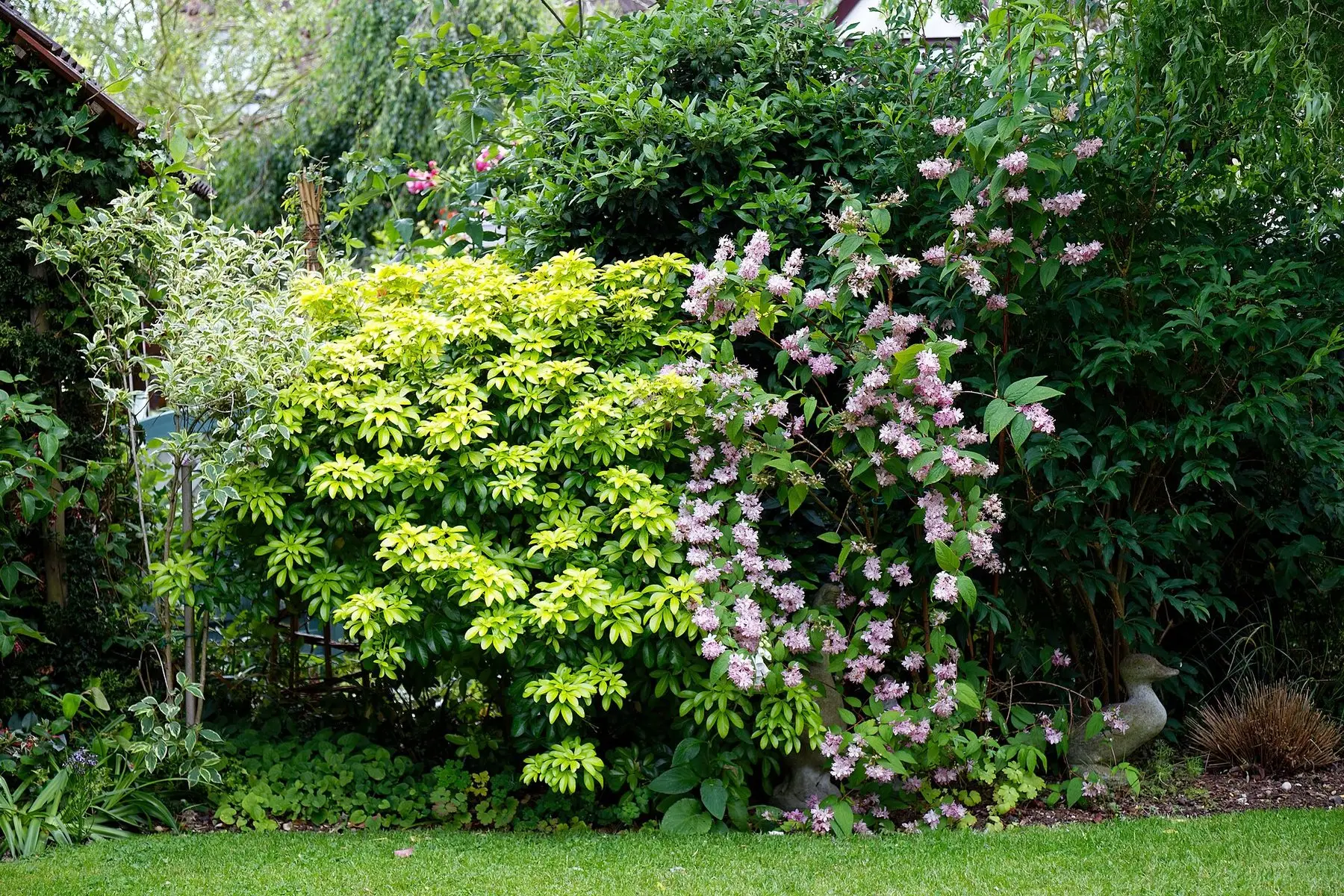
Front Yard Landscaping Ideas That Last Past Year Three
Most front yard makeovers look best the week they are finished. These nine ideas are chosen for what they look like after three seasons of real maintenance.
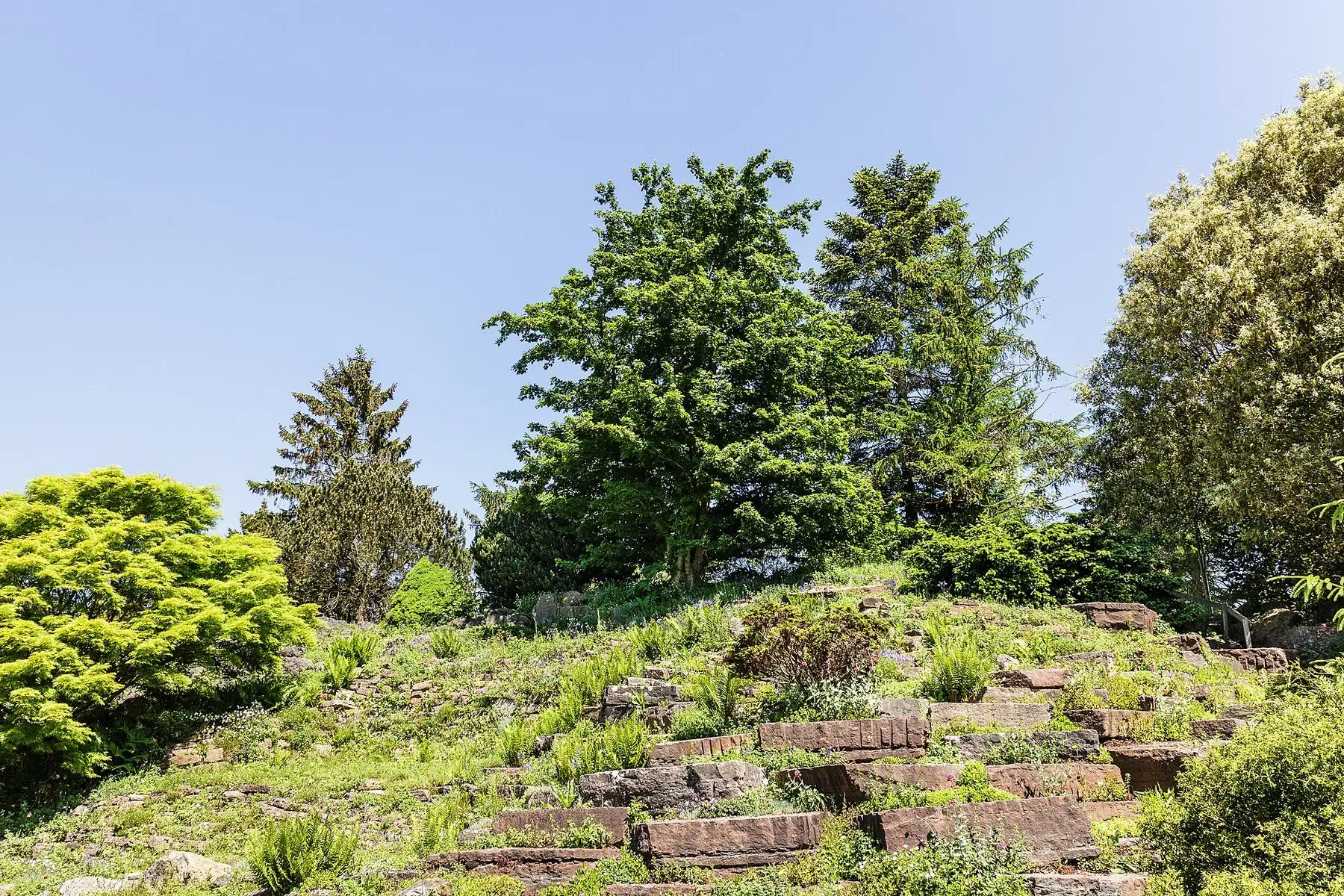
Rock Garden Ideas That Look Like They Belong There
The difference between a rockery and a pile of stones is drainage and burial. How to set rock so it reads as outcrop, and what actually survives in it.
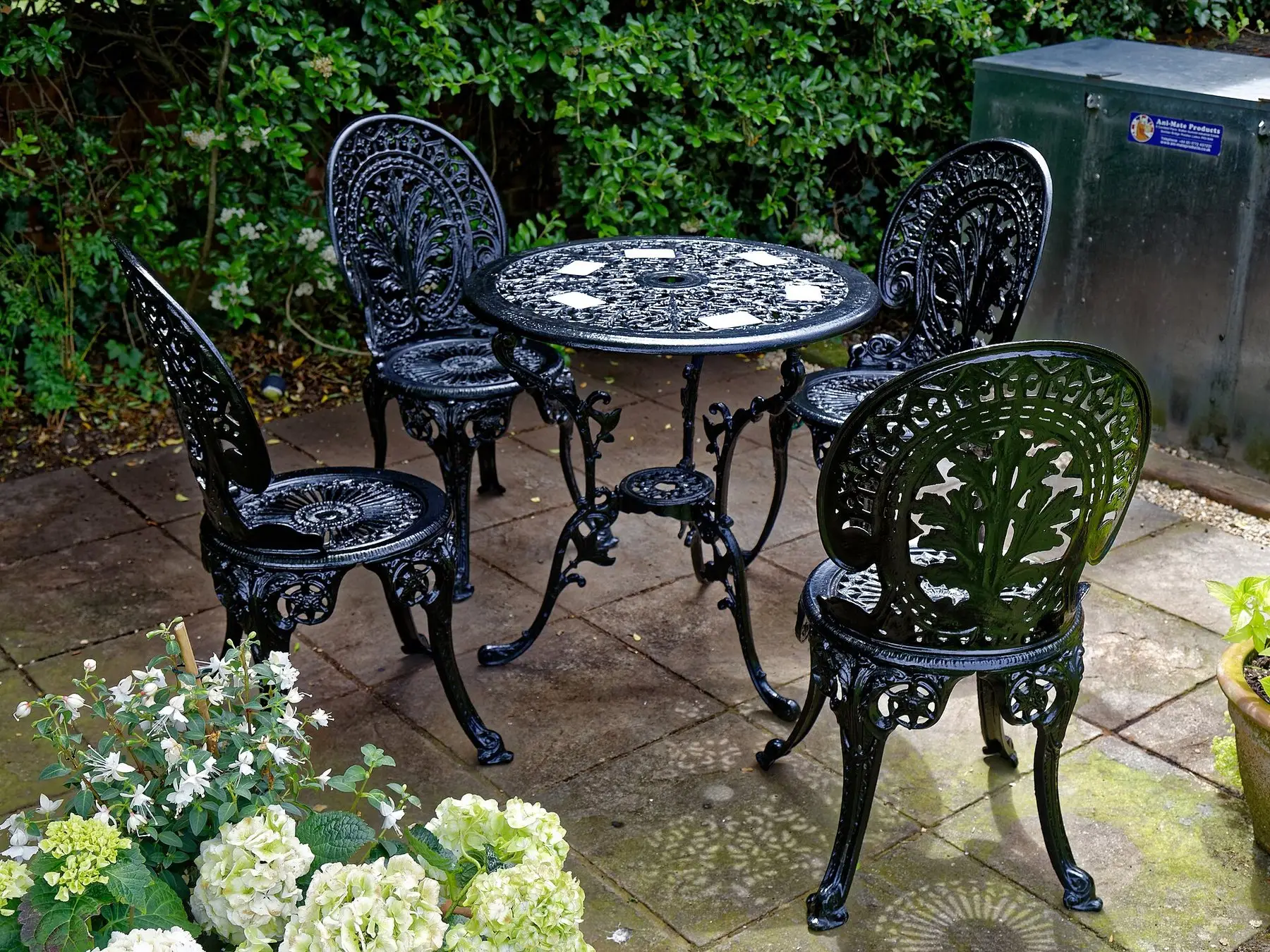
Backyard Table and Chairs: Sizing, Materials, and Wind
Most outdoor dining sets are bought too small and blow over. The clearances a table actually needs, what each material costs you in upkeep, and how to weight it.
How to Build a Retaining Wall That Does Not Lean
Base depth, gravel backfill, and drainage decide whether a wall lasts thirty years or bulges in three. The full build, and when to call an engineer.